India's Union Cabinet has approved a Rs 2,814 crore (US$296.52 million) capital expenditure (capex) support scheme to establish domestic lithium and nickel processing capacity, aiming to reduce import dependence and strengthen the country's critical mineral supply chain amid growing demand from electric vehicles (EVs), battery energy storage systems (BESS) and other advanced manufacturing industries.
The scheme, approved on November 4, will run for five years from FY2026-27 to FY2030-31 and provide a capital subsidy of 30% of eligible investment for setting up four critical mineral processing plants – two lithium processing facilities and two nickel processing facilities, according to an official government release.
Under the scheme, each lithium processing plant will have a minimum capacity of 30,000 tonnes per year, while each nickel processing plant will have a minimum capacity of 50,000 tonnes per year. The government has capped the maximum capital support at Rs 500 crore (US$52.69 million) per lithium beneficiary and Rs 900 crore (US$94.84 million) per nickel beneficiary.
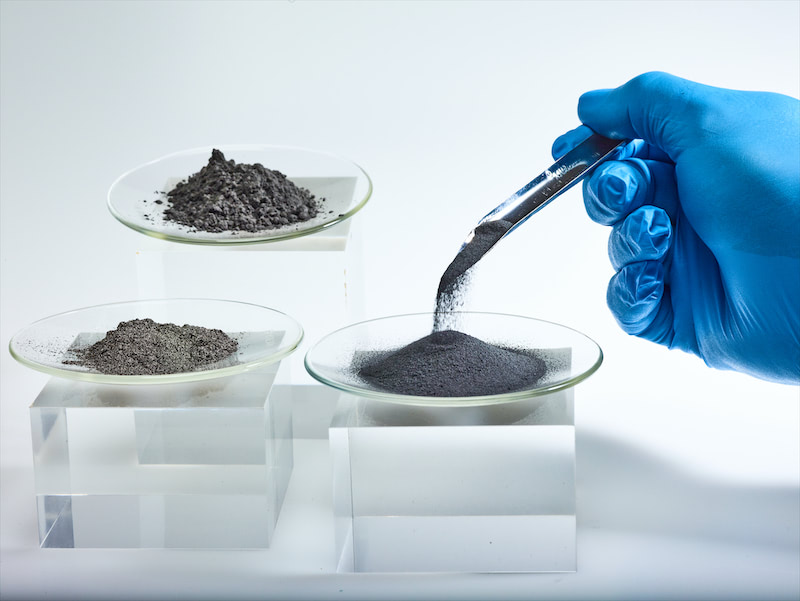
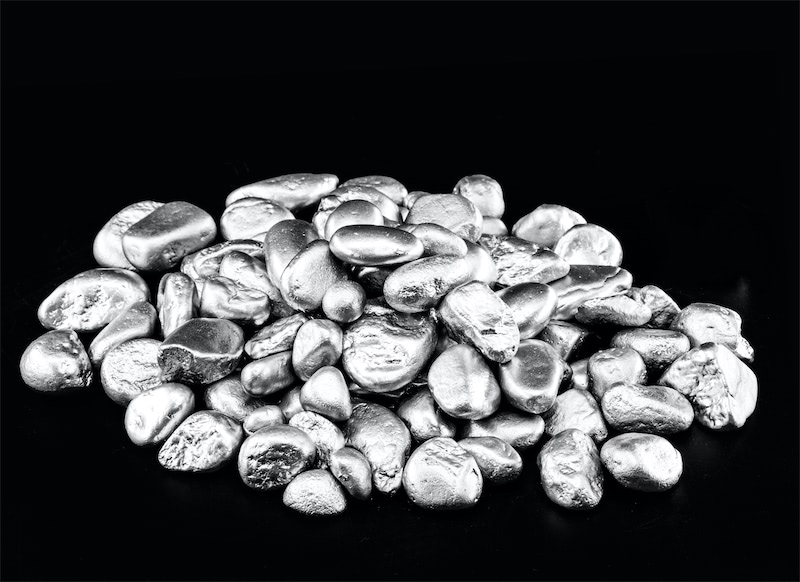
The scheme targets the processing of lithium and nickel ores and intermediate products into high-purity compounds. Nickel processing is also expected to facilitate the recovery of cobalt as a by-product, adding another critical material to India's domestic supply chain.
Beneficiaries will be selected through a two-stage process involving technical qualification followed by competitive financial bidding. Two beneficiaries will be selected for each mineral based on the least-cost criterion, with preference given to applicants seeking the lowest capex support from the government. Incentives will be disbursed in three tranches linked to the achievement of specified investment and operational milestones.
Focus on reducing import dependence
India currently relies substantially on imports for refined intermediates and high-purity critical mineral materials, as domestic beneficiation and processing infrastructure remains at an early stage. High capital requirements, limited access to suitable technologies and constraints in raw material availability have restricted the development of commercial-scale processing facilities.
The government said geographical concentration of critical mineral processing in a limited number of countries exposes global supply chains to geopolitical disruptions, price volatility and potential export restrictions. Developing domestic processing infrastructure is expected to improve supply security, increase domestic value addition and support import substitution.
The initiative is expected to support downstream industries, including electric mobility, battery manufacturing, battery energy storage, electronics, defence and speciality steel.
The scheme addresses a critical gap in India's mineral value chain by focusing on domestic processing rather than relying predominantly on imported refined materials. While India has been pursuing exploration, mineral block auctions and recycling initiatives to secure critical mineral resources, processing capacity remains an important missing link.
The proposed lithium and nickel facilities could help establish domestic capabilities in producing battery-grade and other high-purity materials. However, the scheme's effectiveness will depend on securing reliable feedstock supplies, access to processing technologies and the timely commissioning of projects.
For India's battery and speciality steel industries, the development of domestic nickel and lithium processing capacity could provide an additional source of raw materials and strengthen long-term supply-chain resilience.