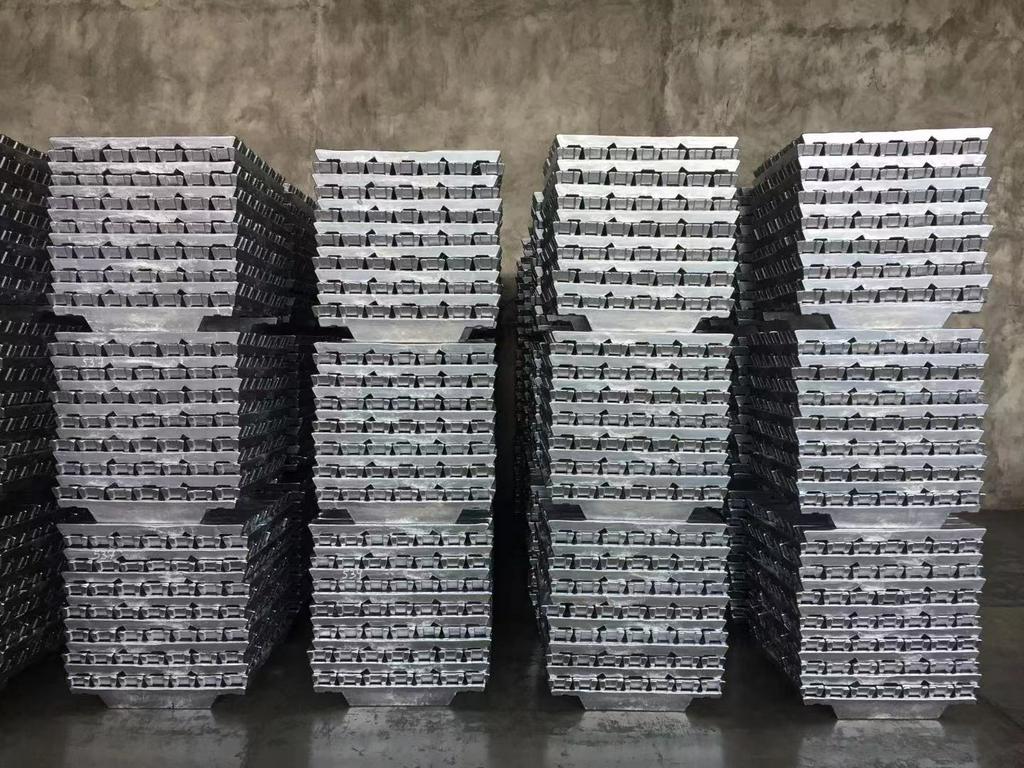
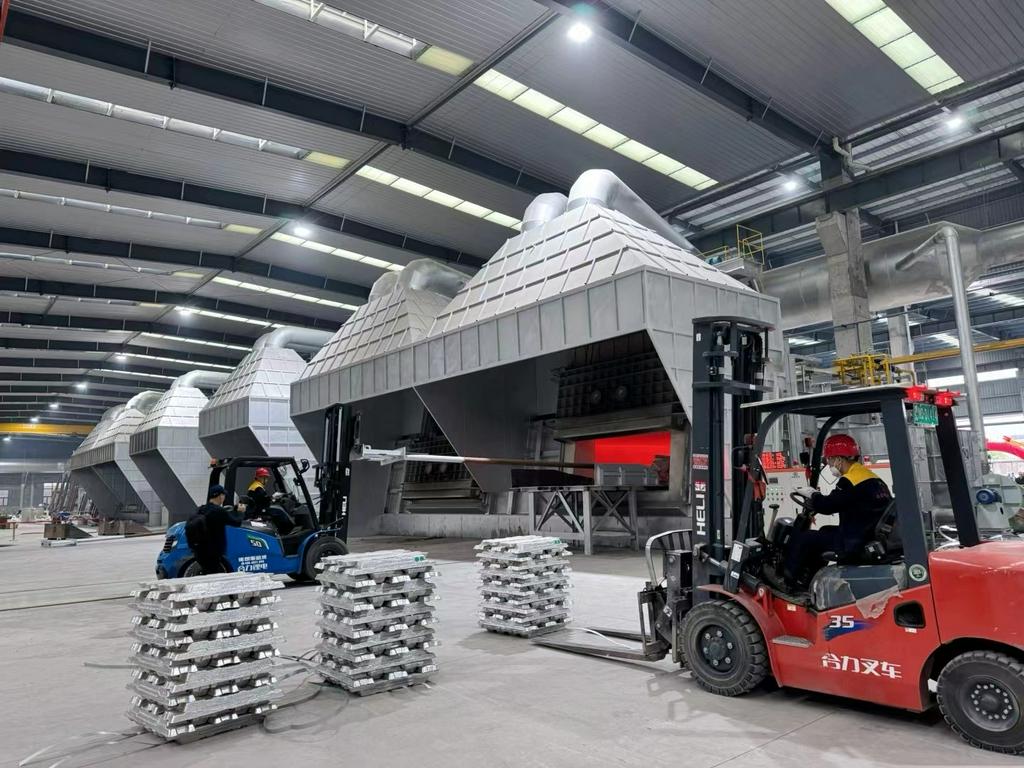
Overseas bauxite prices edged higher during September, with differences across origins and products. Guinea CIF assessments were largely stable before a small increase towards month-end. Australian CIF prices rose during the month, while the Malaysian washed-bauxite assessment range was unchanged. Four-week shipments from the monitored Guinean ports were lower than in the August four-week sample, whereas shipments from the monitored Australian ports increased. Market feedback collected during the period indicated that elevated freight costs constrained spot cargo trading, with long-term contracts remaining an important source of support for Guinean shipments. Inventory cover at Chinese alumina refineries continued to influence purchasing.
Prices: A modest month-end rise, but Guinea's observed average remains below August
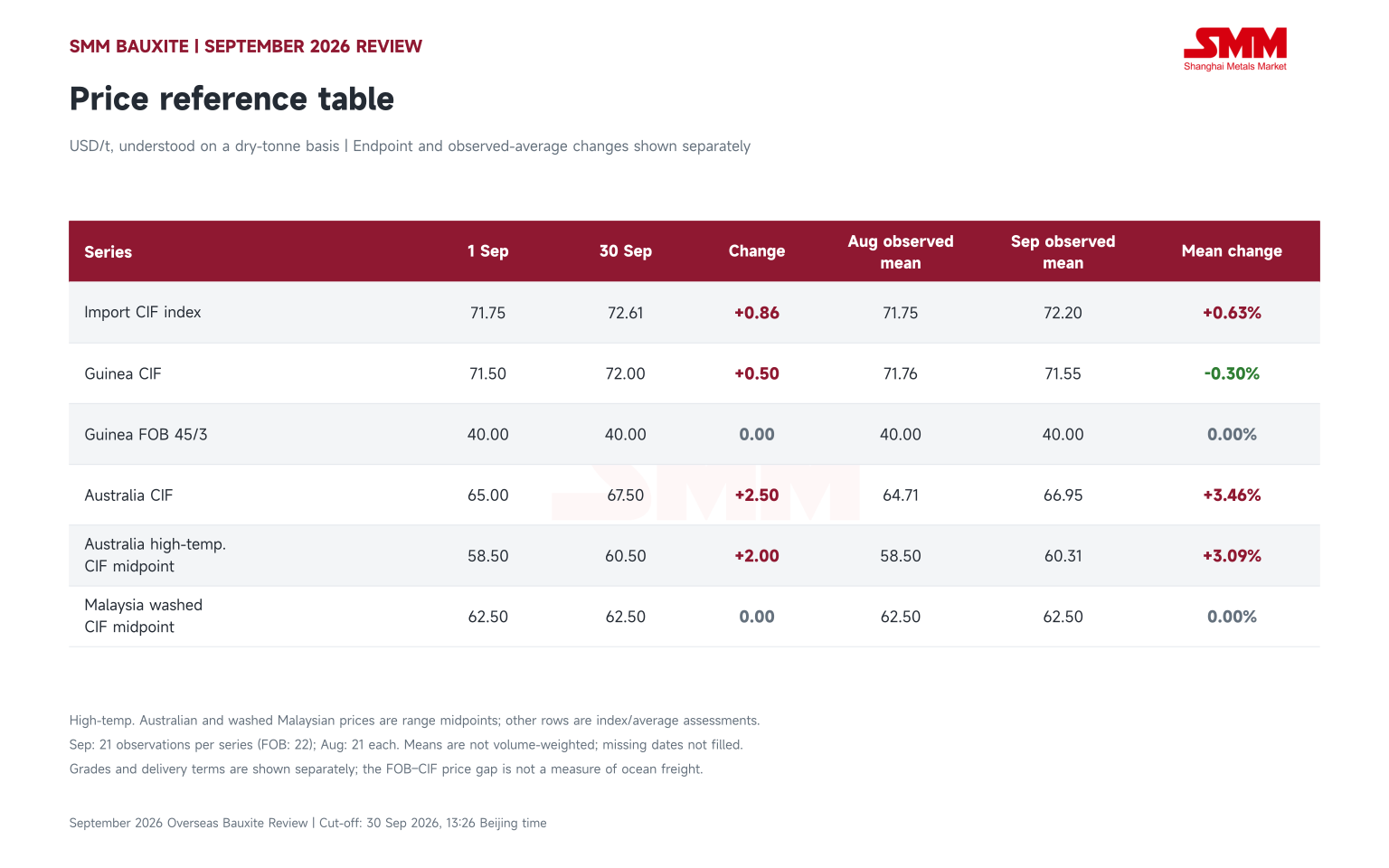
On 30 September, the imported bauxite CIF index stood at USD 72.61/t, up USD 0.86/t, or 1.20%, from 1 September. The average of published daily prices for September was USD 72.20/t, up 0.63% from August, reflecting a modest overall increase in import prices.
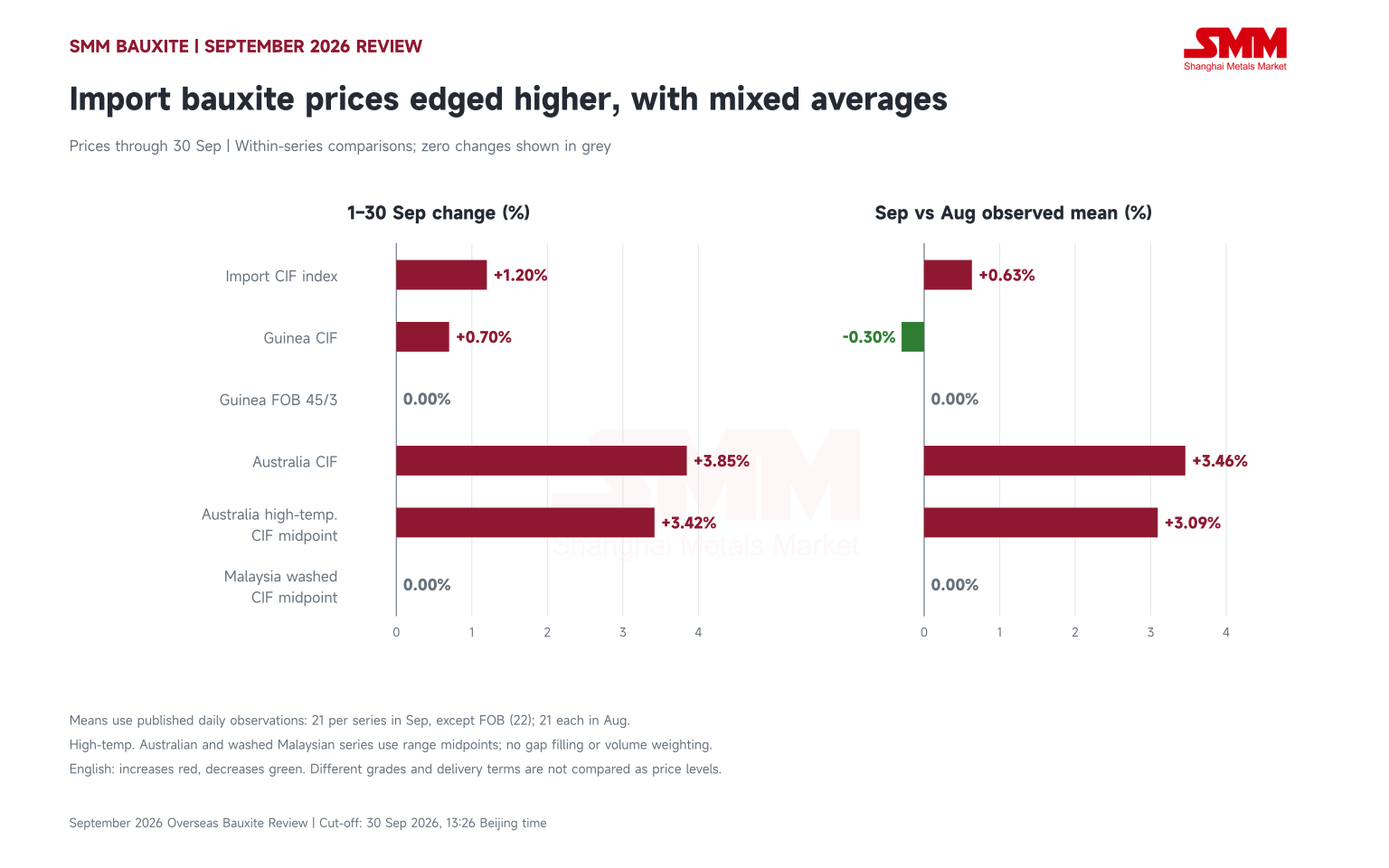
Guinean bauxite CIF prices rose from USD 71.50/t on 1 September to USD 72.00/t on 30 September, an increase of USD 0.50/t during the month. However, with prices relatively higher in the first half of August, September's observed average of USD 71.55/t was still 0.30% below August's USD 71.76/t. Guinean prices therefore ended the month slightly higher, while their observed monthly average remained below August's level. Guinea FOB 45/3 prices remained stable at USD 40.00/t throughout the month.
Australian bauxite CIF prices rose from USD 65.00/t at the beginning of the month to USD 67.50/t at the end. The September observed average was USD 66.95/t, up 3.46% from August. The Australian high-temperature bauxite CIF price range increased from USD 56–61/t to USD 58–63/t, taking its midpoint from USD 58.50/t to USD 60.50/t. The September average of daily midpoints was USD 60.31/t, up 3.09% from August. The Malaysian washed-bauxite CIF price range remained at USD 61–64/t, with a midpoint of USD 62.50/t and no change in either the first-to-last observation or the observed monthly average.
Shipments and supply-demand: Guinea eases in the final two observed weeks
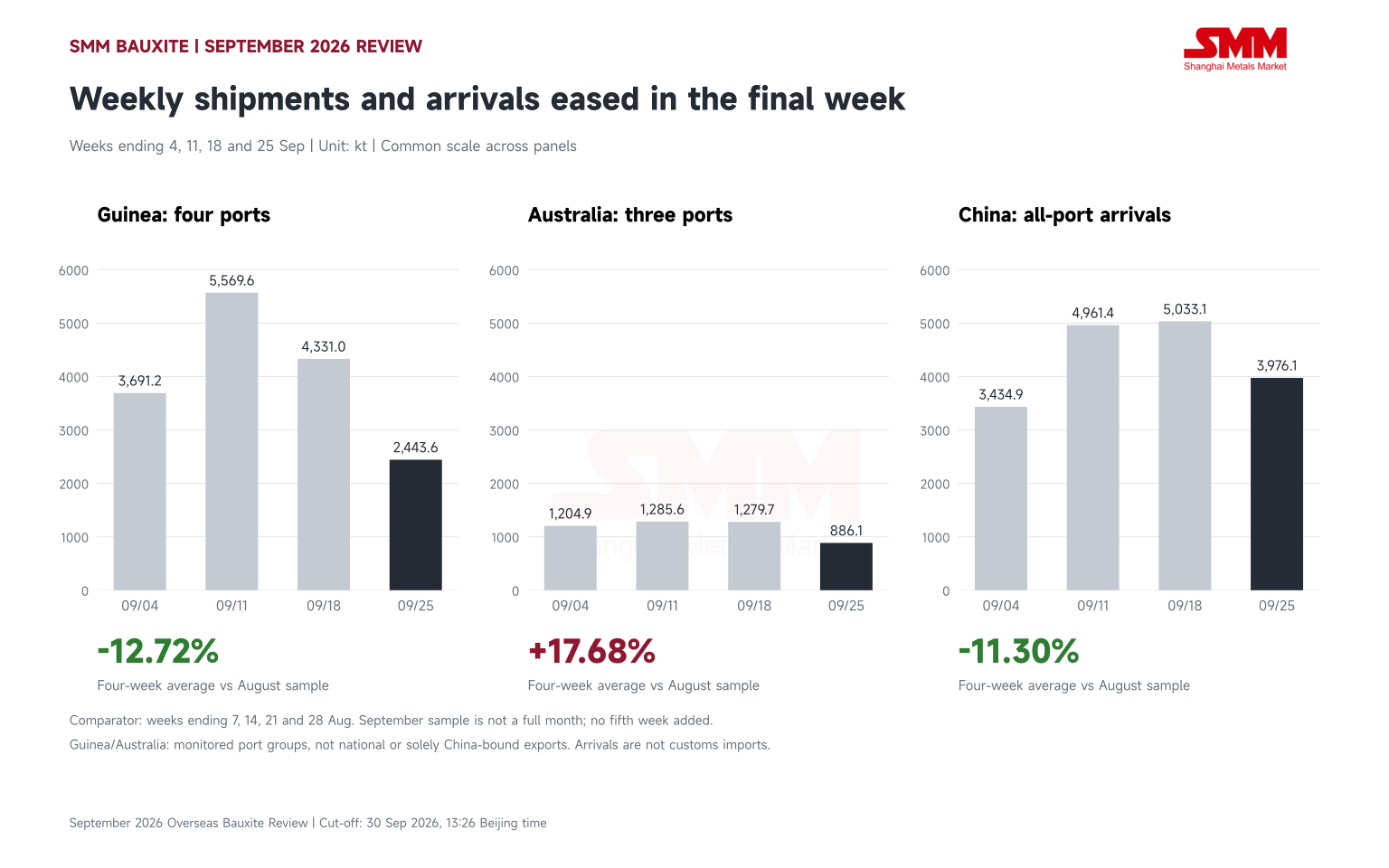
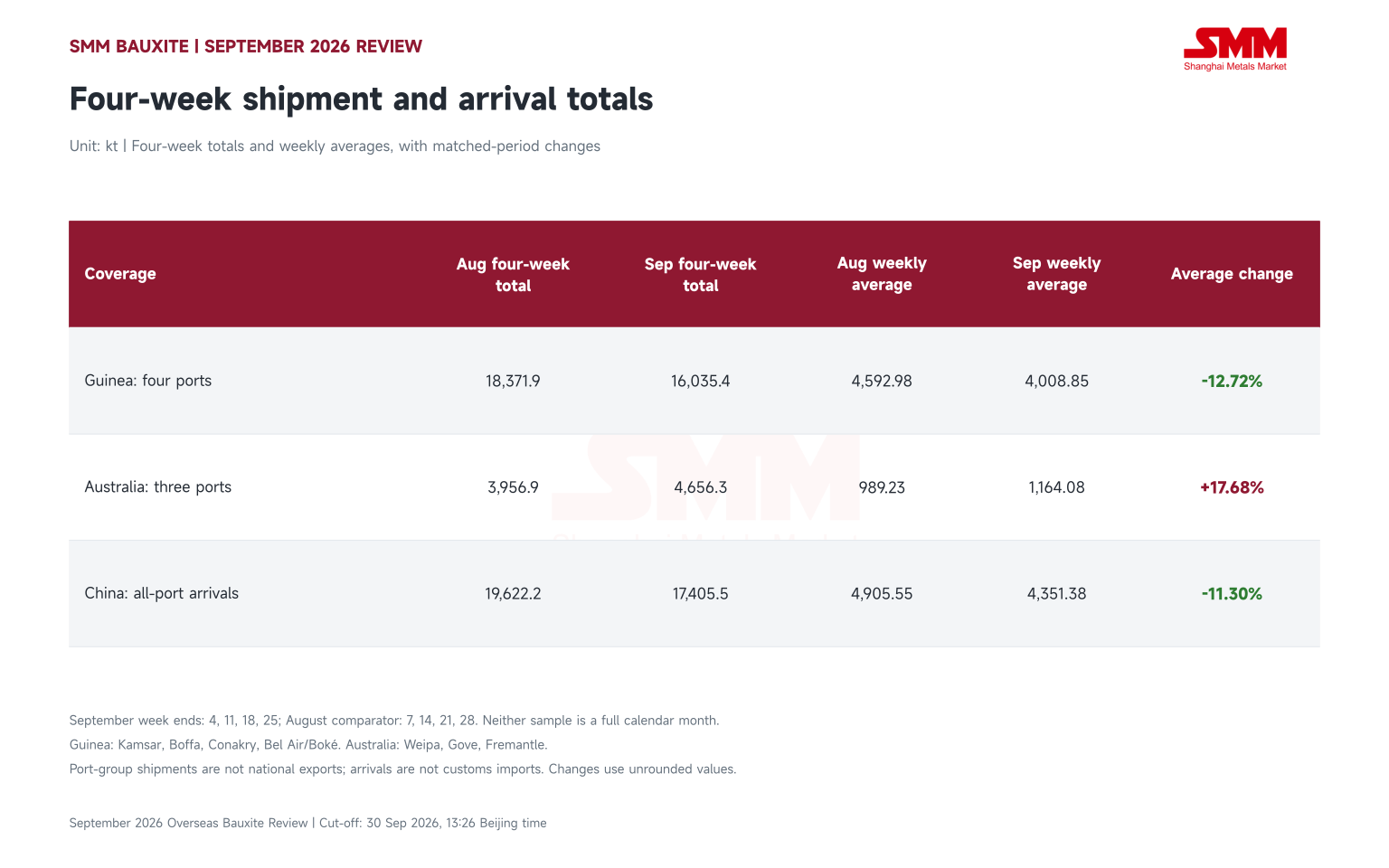
Guinea's four monitored ports shipped a combined 16,035.4 kt of bauxite over the four weeks ending 25 September, averaging 4,008.85 kt per week, down 12.72% from the August four-week average. Shipments rose and then fell during the month: volumes for the weeks ending 4, 11, 18 and 25 September were 3,691.2 kt, 5,569.6 kt, 4,331.0 kt and 2,443.6 kt, respectively. The final week recorded a 43.58% decline from the preceding week.
Australia's three monitored ports shipped 4,656.3 kt of bauxite over the same four weeks, averaging 1,164.08 kt per week, up 17.68% from the August four-week average. However, shipments in the week ending 25 September fell to 886.1 kt, down 30.76% week on week. Australia's four-week shipments were higher than in the previous sample, although loadings also slowed towards month-end.
Guinea–China ocean freight remained elevated in mid-to-late September. Market feedback on 18 September put rates at USD 39–42/wet tonne. By 24 September, quotations stood at USD 41–42/wet tonne, alongside a separate quotation of USD 45–46/dry tonne. High freight costs weighed on spot cargo trading and shipments, while long-term contracts remained an important source of support for loadings. Pressure on spot cargoes and support from term contracts were the defining features of Guinean bauxite trading and shipments during the period.
Market research reported on 17 September indicated that Guinea's traditional rainy season had a relatively limited impact on shipments in the third quarter. September shipments rose before declining for two consecutive weeks, marking a clear slowdown in loadings towards month-end. Actual loading volumes, vessel schedules and mine operations are the key supply indicators to track next.
In China, bauxite port inventory is down 1,190 kt from early September. Bauxite inventory at alumina refineries declined from 93.54 days on 3 September to 92.26 days on 30 September, with existing stocks provide a buffer for buyers to adjust purchasing schedules.
Outlook: Freight supports costs, while inventories constrain price increases
Elevated freight supports imported bauxite costs, while refinery stocks constrain buyers' willingness to chase higher prices. The tension between costs and purchasing demand remains the central market theme. If freight stays high, available Guinean spot cargoes tighten further and refinery inventory cover continues to decline, sellers will gain stronger support for price increases. If term-contract loadings recover and arrivals remain stable, buyers will continue to use inventories to manage purchasing schedules, limiting price gains. Australia's higher four-week shipments contrast with Guinea's decline, making each origin's loading pace a distinct indicator to track.
Key indicators are successive, consistently defined observations of Guinean and Australian shipments, Chinese arrivals and refinery inventory cover, alongside new spot transactions showing buyers' actual acceptance of freight-related price increases. Further price gains hinge on the pass-through of transport costs into transaction prices and the pace of inventory drawdown in China.