8.17 SMM Aluminum Morning Meeting Minutes
Futures: The most-traded SHFE aluminum contract opened at 23,960 yuan/mt in the night session on August 14, with a high of 24,000 yuan/mt and a low of 23,835 yuan/mt, and closed at 23,945 yuan/mt, up 0.25% from the previous close. The price pulled back to MA5 (23,988.91); short-term moving averages turned downward, with MA10 and MA20 forming overhead resistance, while MA40 and MA60 provided support below. During the session, open interest fell notably, mainly driven by bears reducing positions. Technically, on the 4-hour chart, MACD DIFF crossed below DEA to form a bearish crossover; the green histogram expanded significantly, short-term bullish momentum weakened rapidly, and prices entered a pullback phase. LME aluminum opened at $3,238.5/mt on August 14, with a high of $3,260.0/mt and a low of $3,221.5/mt, and closed at $3,245.0/mt, up 0.22% from the previous close. Prices consolidated at highs and ended with a small bullish candlestick; they pulled back from the previous high of $3,384.5/mt, found support after pulling back to MA20 (3,243.86), and traded below MA5 (3,268.58), while MA40 and MA60 continued to cap prices from above. Trading volume pulled back, while open interest increased, showing characteristics of bulls adding positions. Technically, on the daily chart, MACD DIFF (16.09) ran above DEA (5.41); the red histogram narrowed slightly, and bullish momentum weakened marginally.
Macro front: Preliminary statistics from the central bank showed that the cumulative increase in aggregate financing to the real economy in the first seven months of 2026 totaled 2.225 trillion yuan, down 174 billion yuan from the same period last year. The US Department of Commerce announced on Friday that July retail sales fell 0.6% MoM, the largest decline in more than a year, versus market expectations for a slight increase. Core control group sales excluding autos, building materials, and gas stations fell 0.4%, the worst performance since January 2025. The preliminary reading of the University of Michigan’s August consumer sentiment index released the same day came in at just 51, far below the expected 54.5. According to CME “FedWatch”: the probability that the US Fed will keep rates unchanged through September was 67.5%, and the probability of a cumulative 25-bp hike was 32.5%. The probability that the US Fed will keep rates unchanged through October was 53.3%, the probability of a cumulative 25-bp hike was 39.8%, and the probability of a cumulative 50-bp hike was 6.8%.
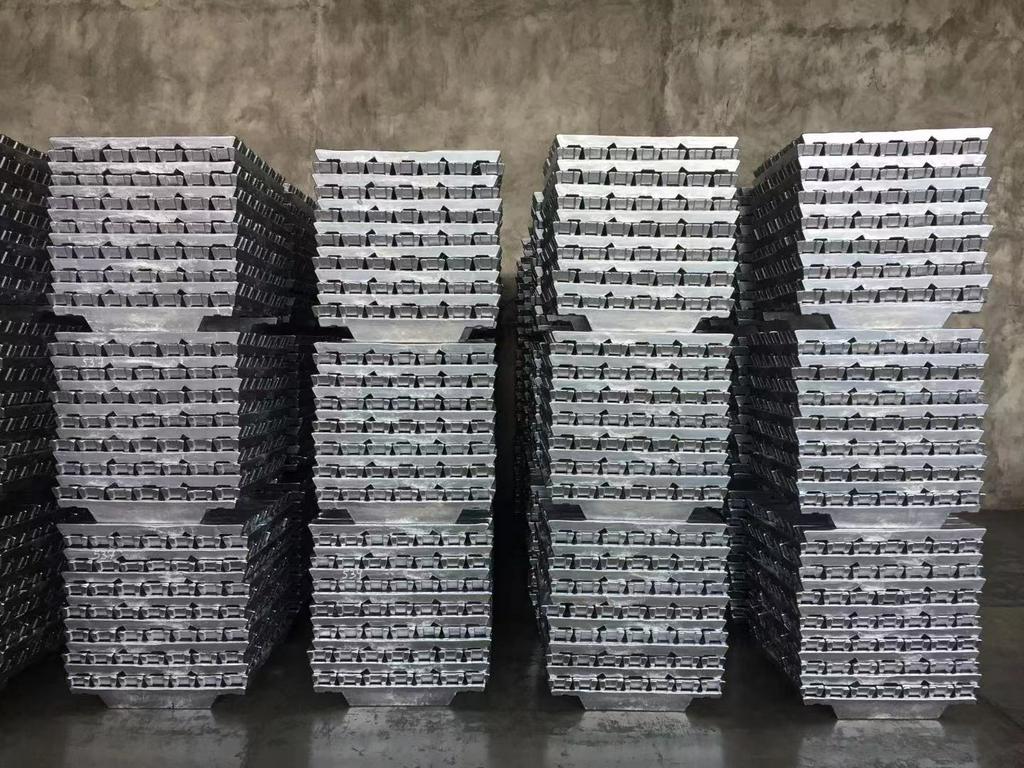
Fundamentals: In July, the operating rate of aluminum billet rose 1.1 percentage points MoM to 58.3%, and surged 5.2 percentage points YoY. Benefiting from the strong performance of aluminum billet processing fees in Q2, China’s aluminum billet supply side continued its inertia-driven uptrend in July; the operating rate hit a year-to-date high and also stood at a high level for the same period over the past three years. As the center of aluminum prices rebounded markedly from lows in July, downstream operating performance and purchase willingness were constrained; moreover, adjustments on the aluminum billet supply side showed a clear lag. China’s aluminum billet processing fees pulled back sharply from June highs and have now fallen below the industry’s average production cost line. Against the backdrop of most enterprises increasing output or running at full capacity during the month, weaker processing fees prompted a small number of aluminum billet producers to adjust their production strategies and opt for early shutdowns and production cuts. Looking ahead to August, SMM expected China’s aluminum billet supply side to retreat from highs, with the operating rate expected to pull back to around 56.9%. On inventory, as of this Monday, aluminum ingot inventory in China’s major consumption hubs stood at 886,000 mt, down 12,000 mt WoW from last Thursday and down 31,000 mt WoW from last Monday.
Primary aluminum market: In early trading, the SHFE aluminum 2608 contract continued to trade at elevated levels, and prices above 24,000 yuan/mt somewhat suppressed downstream purchasing, while transactions among traders were relatively active. Today, the center of transactions for spot premiums of SHFE aluminum mainly ranged from 8-40 yuan/mt to 08-20 yuan/mt. Aluminum prices were cut consecutively, and with Friday coinciding with the stockpiling cycle, buying sentiment among downstream processing enterprises in the central China market saw another slight correction from earlier, but overall market trading remained sluggish. Suppliers showed weak willingness to hold prices firm, and quotations continued to trend lower. Ultimately, the actual transaction price range in the central China market hovered at a discount of 80-110 yuan/mt against the SHFE aluminum 09 contract. Futures continued to plunge today, while South China spot prices adjusted in the doldrums. With falling prices plus inventory returning to a destocking channel, holders attempted to hold prices firm and sell in the morning, but as bearish sentiment intensified ahead of the weekend and the willingness to cash out early gradually rose, most sellers made slight downward adjustments and offered concessions. Mainstream quotations were at a discount of -10~0 yuan/mt, with circulation relatively ample, while some still held to premiums and sold slowly. Demand side, downstream buyers shifted from initially expecting further declines and staying on the sidelines with limited purchases to increasing restocking on dips, though volumes were limited; in the trading segment, the focus was on pushing for lower prices to absorb discounted cargo, with only small volumes accepted at held prices for replenishment. Amid the tug-of-war between supply and demand, overall trading was lukewarm. Spot transaction prices were concentrated at a premium of 60-100 yuan/mt against the SHFE aluminum 2608 contract.
Secondary aluminum raw materials: Today, SMM A00 spot aluminum closed at 23,870 yuan/mt, extending the decline by 250 yuan/mt from the previous trading day, while China’s aluminum scrap market generally followed with a drop of 200 yuan/mt. In terms of the price difference between A00 aluminum and aluminum scrap, as of August 14, the price difference between A00 aluminum and mixed aluminum extrusion scrap free of paint in Foshan was about 2,250 yuan/mt, and the price difference between A00 aluminum and shredded aluminum tense scrap was about 1,150 yuan/mt, widening again WoW. Against the backdrop of primary aluminum prices continuing to rise, aluminum scrap saw relatively limited fluctuations, and the price transmission mechanism was impeded, mainly constrained by two factors: first, marginal weakening in demand for secondary aluminum alloy downstream; with high-temperature holidays overlapping with the traditional consumption off-season, operating rates at cast aluminum alloy enterprises continued to decline and order volumes shrank; second, inventories of wrought aluminum alloy scrap materials such as doors and windows remained high in Henan and other areas, weakening the upside elasticity of aluminum scrap prices. In addition, supply-side constraints from the “reverse invoicing” policy continued, and the scarcity of compliant, invoiced aluminum scrap provided bottom support for aluminum scrap prices. Recently, the import window improved compared with earlier, and traders became more active in inquiries and purchasing. Shipments were expected to arrive successively in mid-to-late August, which was likely to improve import supply in the short term. As the current high-temperature holiday had not yet ended, operating rates at downstream cast aluminum alloy enterprises remained low, and order recovery still needed time. Scrap utilization enterprises were highly likely to continue a strategy of purchasing as needed and maintaining low inventory, and a concentrated restocking rally still needed to wait. Notably, the price difference between A00 aluminum and shredded aluminum tense scrap had widened to 1,150 yuan/mt, and the economic advantage of aluminum scrap relative to primary aluminum recovered somewhat. It was expected that the aluminum scrap market would continue to move sideways at elevated levels in the short term, with weak end-use demand remaining the core factor suppressing prices.
Secondary aluminum alloy: Spot: Today, overall ADC12 market quotes fell by 200 yuan/mt. The price decline was mainly driven by aluminum prices pulling back, aluminum scrap prices falling in tandem and dragging costs lower, and weakening cast aluminum alloy futures, among other factors, with cost support weakening somewhat. Meanwhile, it remained the high-temperature off-season, and some downstream players had not fully resumed production; orders and purchasing demand were weak, the spot market lacked sufficient support, and enterprises had limited willingness to hold prices firm. Under the combined impact of lower costs and weak demand, ADC12 prices generally weakened in tandem with the market today.
Overall outlook: On the macro front, US July inflation data pulled back as expected, and July retail data weakened sharply. Consecutive weak economic data significantly lowered market expectations for US Fed interest rate hikes in September, with the probability of a September hike falling sharply, and the market began to trade expectations for the terminal rate. The US dollar index was under pressure and weakened, providing macro support for LME metals. The fundamental gap continued, and aluminum ingot inventory kept declining. On the supply side outside China, UAE’s EGA disclosed the production resumption progress at the Al Taweelah aluminum smelter. Currently, 18% of the plant’s 1,262 pots had restarted, and the pace of production resumptions was faster than the market had previously expected, putting the previously traded tight-supply premium under pressure to give back. In the short term, aluminum prices were expected to consolidate on a strong note, but upside room would be somewhat capped by expectations for production resumptions.
[The information provided is for reference only. This article does not constitute direct advice for investment research decisions. Clients should make decisions prudently and should not use this as a substitute for independent judgment. Any decisions made by clients are unrelated to SMM.]