The key success factors are:
Turnkey line + process co‑development (highest priority) – not just selling hardware.
Deep ties with top battery/car makers – long validation cycles (2–3 years) create high switching costs.
Machine performance – only an entry ticket.
Industry Pace:
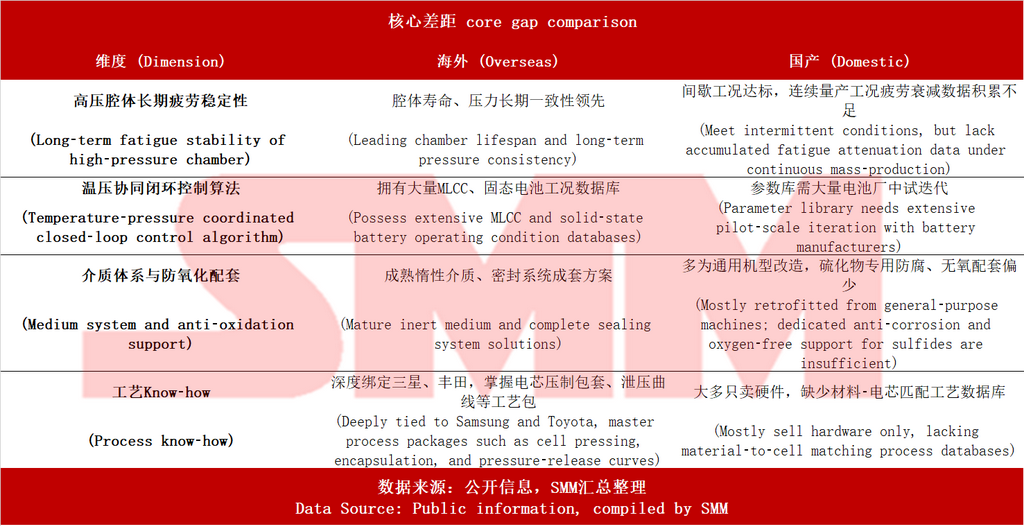
Industry Pace:
Demand scale: Pilot lines (0.5–2 GWh) currently drive demand, with 2–4 medium‑large WIP units at RMB 30–80 million each. Per GWh production line equipment accounts for 12–14% of total investment. WIP equipment is ~13% of all ASSB equipment value; global market for ASSB equipment is estimated at RMB 12 billion in 2026, with WIP exceeding RMB 6 billion by 2030.
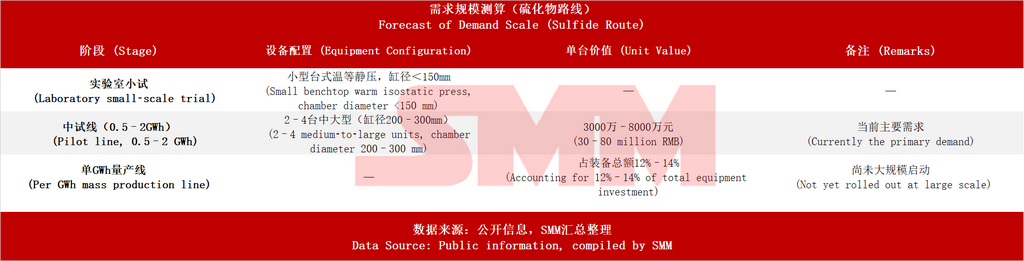
Overseas vs. China: Japan/Korea (Toyota, Samsung SDI) follow planned, phased procurement with imported machines; China is more flexible, faster, and heavily using domestic units for pilot validation. 2026–2027 is the peak for pilot equipment purchases, with over ten major players (CATL, BYD, Weilan, Qingtao, etc.) building/expanding pilot lines.
Mass Production Timeline:
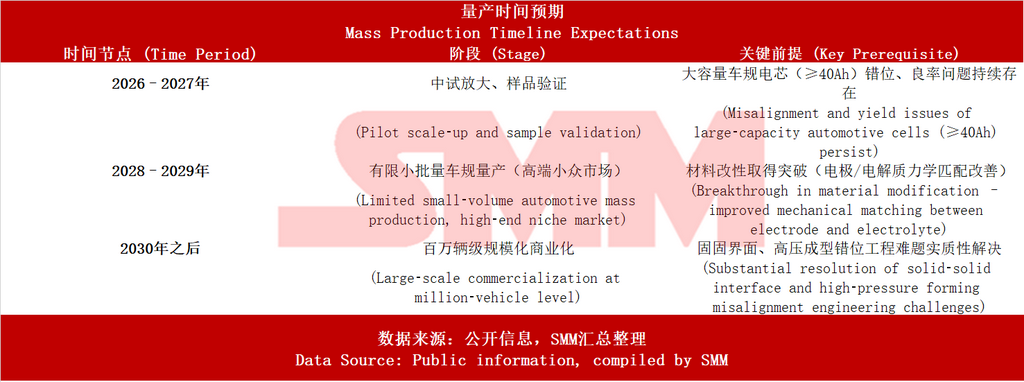
Robin Zeng (CATL) rates current ASSB technology at TRL 4 (out of 9) and states that “million‑unit deployment before 2030 is very unlikely.” He emphasises an event‑driven, not time‑driven, breakthrough – only after key scientific and engineering hurdles are overcome.
Key Risk: If alternative low‑pressure or in‑situ curing routes emerge, the current high‑value WIP equipment investment thesis could be fundamentally disrupted.
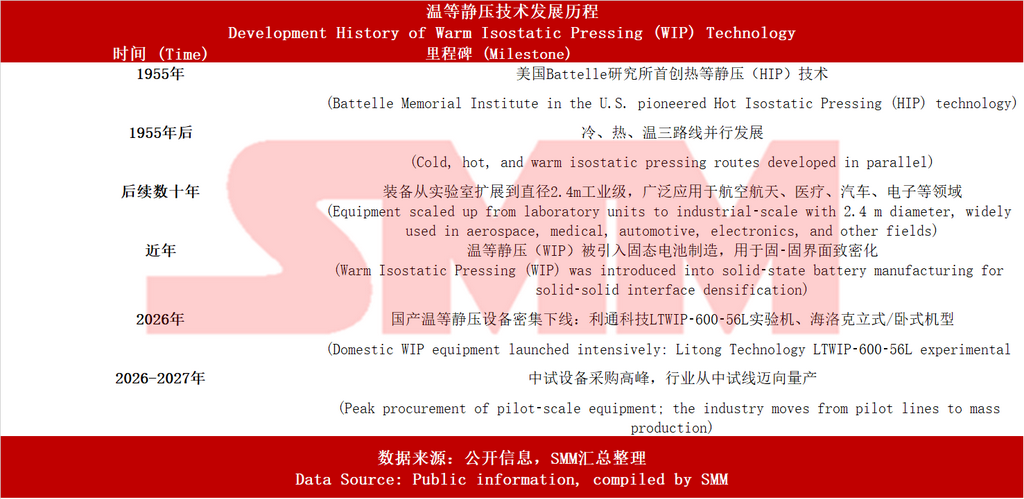
Historical Milestones (WIP):
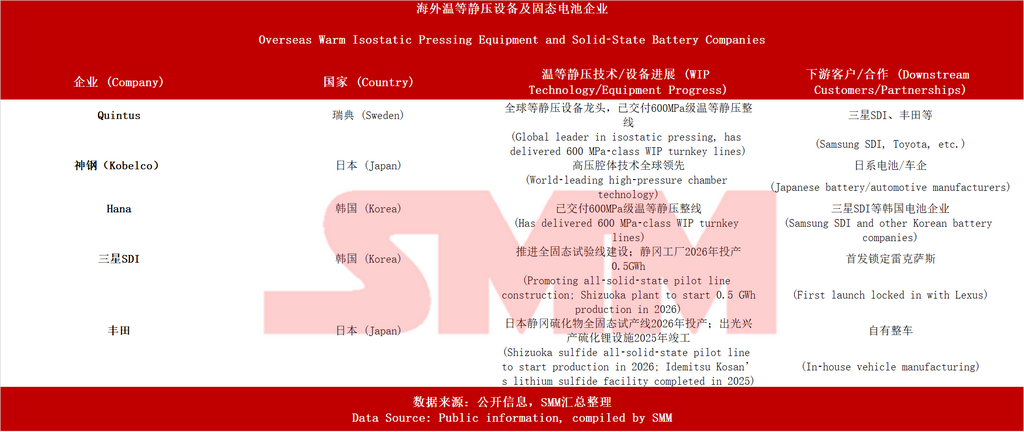
Key Players (Overseas):
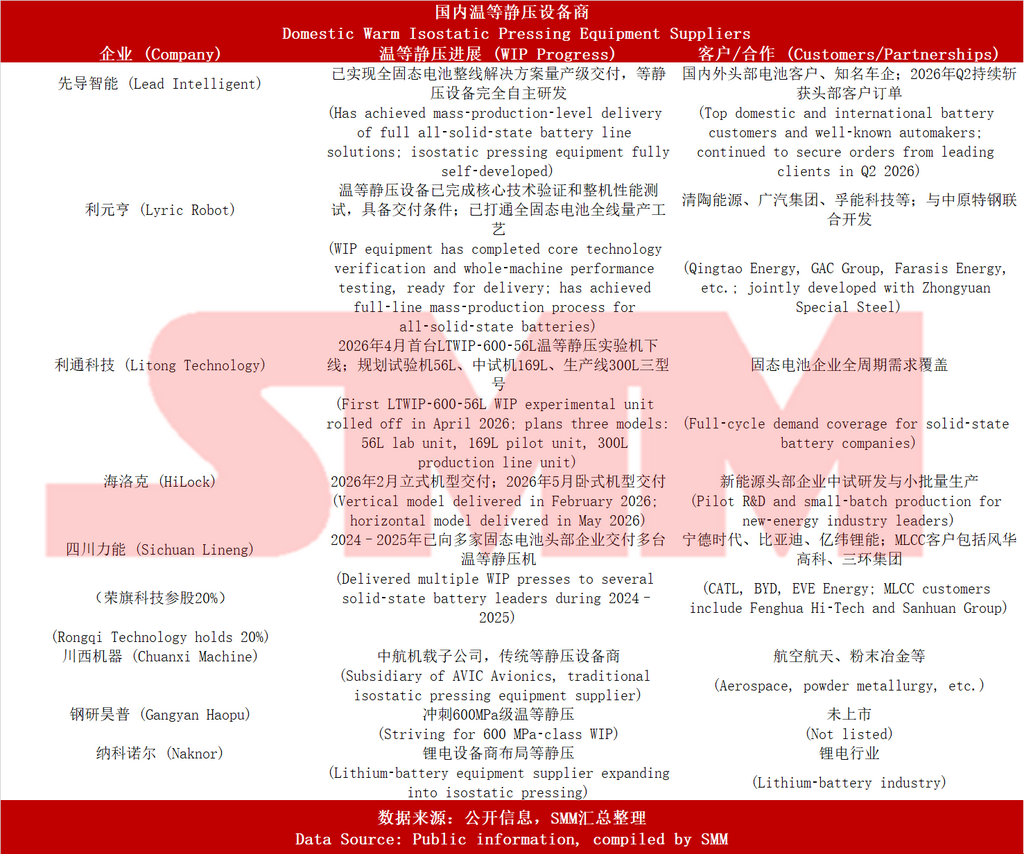
Key Players (Domestic – WIP suppliers):
Six State‑Subsidised ASSB Enterprises (key tech partnerships & procurement):
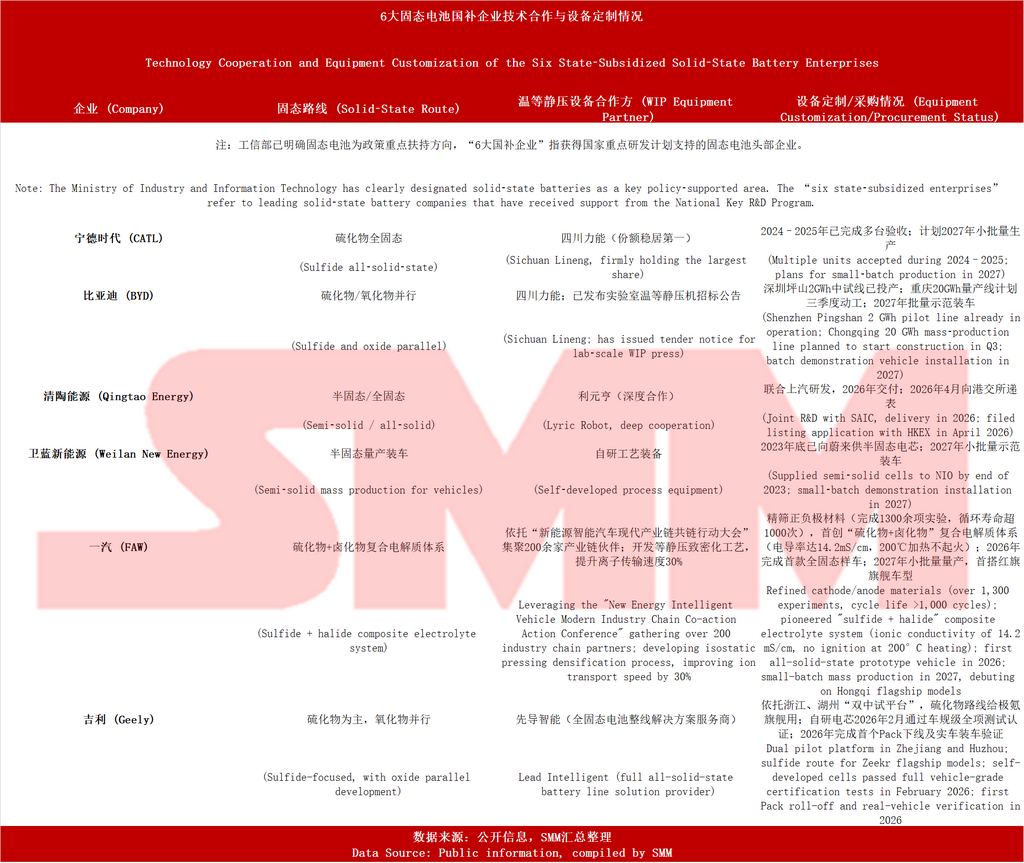 Conclusion:
The root cause of WIP material mismatch is mechanical incompatibility. The priority is clear: material modification > process optimisation > equipment upgrade. Domestic hardware is closing the gap, but process databases and integrated solutions remain weak. The industry is now in a pilot‑equipment procurement window, with China iterating faster than overseas. Long‑term success for equipment makers hinges on turnkey solutions and anchoring top clients – standalone machine performance is merely a qualifier. Given the material mismatch bottleneck, achieving million‑unit ASSB deployment before 2030 is extremely challenging, as Zeng Yuqun noted – this is an event‑driven breakthrough, not a time‑driven one.
**Note:** For further details or inquiries regarding solid-state battery development, please contact:
Phone: 021-20707860 (or WeChat: 13585549799)
Contact: Chaoxing Yang. Thank you!
![China's phosphate ore imports plunged 87% in July, hitting a new low in nearly three years, while exports fell to zero [SMM analysis]](https://imgqn.smm.cn/usercenter/aXRJI20251217171728.jpg)