Lithium serves as a pivotal component in the burgeoning renewable energy sector, with its price fluctuations impacting each segment of the comprehensive industry chain. This operates from the extraction phase of lithium resources to manufacturing processes related to lithium batteries, and finally the utilization of end-products like new-age electric vehicles. Every aspect within this vast ecosystem is intricately tied to lithium's pricing scheme. This discourse aims at elucidating how variations in lithium prices resonate across the whole industry spectrum - starting from mining operations through to application stages.
Lithium Mining: Costs and Challenges
Lithium mining is the starting point of the lithium industry chain, but it also has the most direct impact on lithium price fluctuations. Take the lithium price rise as an example, the rise in lithium prices will drive the profit growth of mining companies, but it will also bring a series of challenges. High lithium prices will attract more companies to enter the field of lithium mining, resulting in increased competition. This will not only increase the cost of mining, but also may trigger over-exploitation of resources, environmental damage and other issues. Secondly, the uneven distribution of lithium resources also increases the difficulty and cost of mining. Some regions are rich in lithium resources, but the mining conditions are harsh and the environmental sensitivity is high, which has brought considerable challenges to mining enterprises.
Lithium Battery Production: Cost and Technological Innovation
Lithium battery is the core link in the lithium industry chain, and its production cost and performance are directly affected by the lithium price. Lithium prices will affect the changes in lithium battery production costs, which in turn affects its market competitiveness. To cope with this challenge, lithium battery manufacturers need to continuously carry out technological innovation to improve the energy density of the battery, reduce costs and extend the service life. At the same time, companies also need to strengthen supply chain management, optimize raw material procurement strategy, and reduce procurement costs.
New Energy Vehicle Industry: Market Impact and Consumer Choice
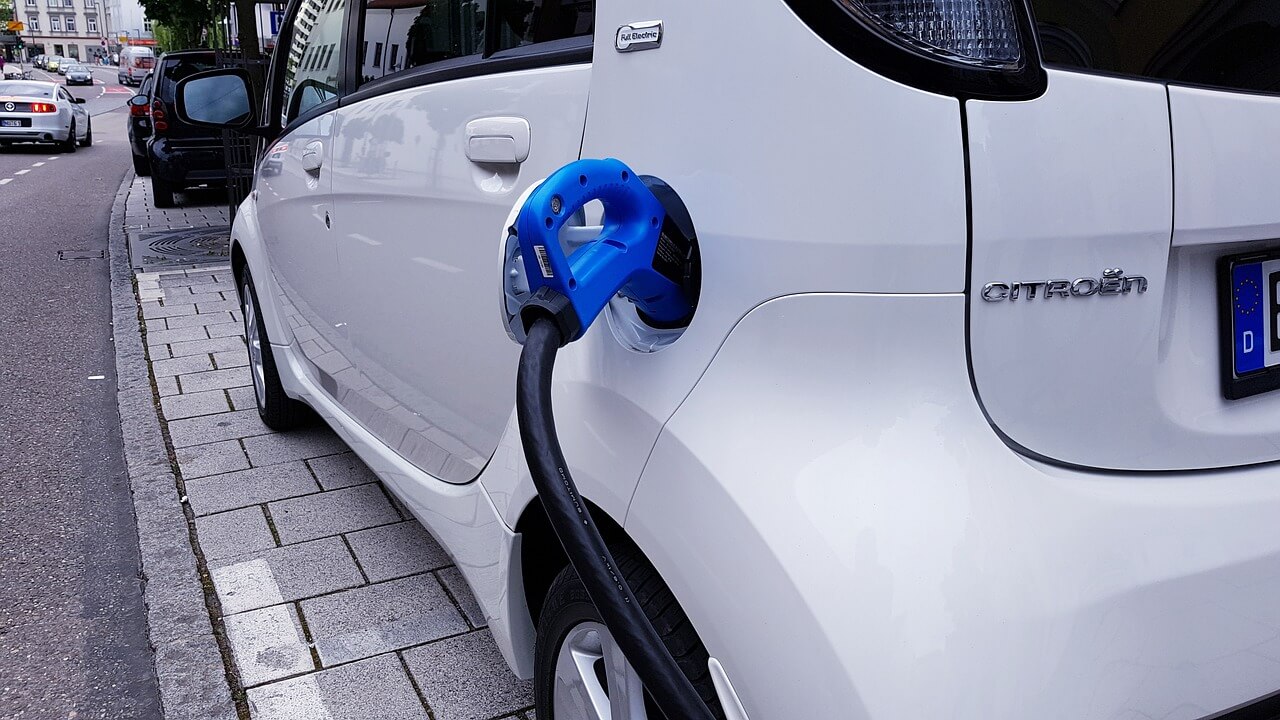
New energy automobile is one of the important application fields of the lithium industry chain, and its market scale and consumer choice are also affected by lithium price. For example, if the lithium price increases, it may push up the production cost of new energy vehicles, which may cause some consumers to hesitate to choose new energy vehicles. However, the new energy vehicle market still has great potential for development as the global focus on environmental protection and sustainable development continues to grow. To meet the challenges posed by fluctuating lithium prices, companies developing new energy vehicles must strengthen technology R&D, improve battery performance and reduce costs, and they increase consumer awareness and acceptance of new energy vehicles And for it to grow, marketing needs to be strengthened.
Energy Storage Industry: Development and Opportunities
The energy storage industry is another important application area of the lithium industry chain, which plays a key role in the peak and valley adjustment of the power system and the access to renewable energy. Changes in lithium prices have also had a significant impact on the growth of the energy storage industry. Against the backdrop of lithium price changes, the investment cost of energy storage projects will change accordingly, which may affect the development speed of the industry to a certain extent. However, with the large-scale application of renewable energy and the promotion of grid intelligence, the demand for the energy storage industry will continue to grow. Therefore, the energy storage industry is still full of development opportunities in the face of lithium price changes.
To cope with the impact of lithium price fluctuations, the energy storage industry needs to actively promote technological innovation and industrial upgrading. On the one hand, through the research and development of more efficient and economical energy storage technology, to reduce the cost of energy storage projects; on the other hand, to strengthen the synergistic development of energy storage systems with renewable energy and smart grid, to improve the application value of energy storage system.
Global Industry Chain Cooperation and Response Strategy
In the face of the challenges brought about by lithium price fluctuations, all links in the global industry chain need to strengthen cooperation and coordination to deal with them together. First of all, strengthen the international cooperation of lithium mining resources, and promote the optimal allocation and sharing of global lithium resources. Through international cooperation, we can reduce mining costs, improve mining efficiency and stabilize lithium prices. Secondly, strengthen the cooperation between lithium battery producers and new energy vehicle enterprises to jointly promote technological innovation and industrial upgrading. Through cooperative R&D and sharing of technical achievements, we can reduce production costs and improve product quality. Finally, strengthen policy guidance and support for the development of the new energy industry. The government can introduce appropriate policies, provide tax incentives, financial assistance, and other measures to reduce the financial risk of the new energy industry and promote its healthy and rapid development.
Summarize
The volatility of lithium prices has significantly influenced all aspects of the industry, from extraction to application. Amidst these challenging and promising circumstances, it becomes imperative for every player within the industrial chain to foster cooperation and innovation collaboratively to stimulate growth within the industry. Concurrently, government entities alongside various societal sectors should deploy proactive measures aimed at nurturing and directing the progress within this nascent energy sector—a critical stride towards fulfilling global sustainable energy goals. There's a warranted optimism that through collective endeavors from every participant across international industrial chains, persistent expansion in new-energy-sourced industries will persist; thereby instilling fresh impetus into humanity’s unwavering pursuit for sustainability.