Capacity and output
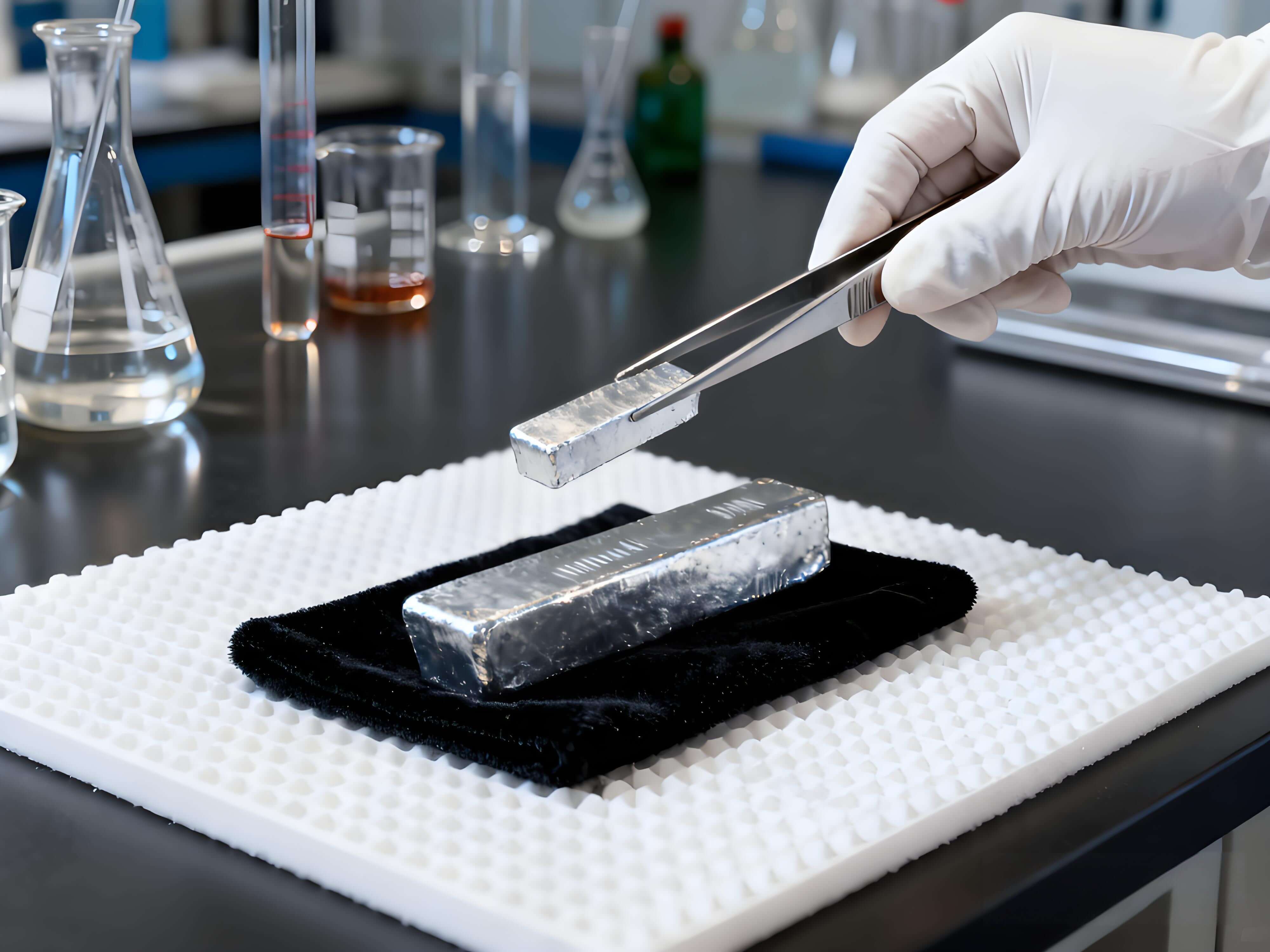
In 2020, the global silicon metal production capacity stood at 6.5 million mt, including 1.33 million mt overseas and 5.17 million mt in China. From 2013 to 2020, the global industrial silicon capacity rose a combined 1.85 million mt, with China contributing 1.72 million mt. Still in 2020, global silicon metal output stood at 3 million mt, including 0.8 million mt overseas and 2.2 million mt in China. From 2013 to 2020, the global silicon metal production climbed 0.71 million mt, and China contributed 0.7 million mt. China is no doubt a leading and established silicon metal producer and supplier with development potential.
The capacity utilisation rate overseas has been falling from nearly 80% in 2018 to merely 60% in 2020. The capacity utilisation rates in China has been stable and stood around 50% in the recent years, and rose to 60% in 2021. Apart from China, Brazil, Norway, France and the United States are the world's leading producers of industrial silicon.
In China, the industrial silicon capacity is concentrated in several provinces, including Xinjiang, Sichuan and Yunnan. The output in Xinjaing accounted for about 44% of China’s total, Sichuan took up 17%, and Yunnan was 18%. Industrial silicon production requires a lot of power supply, and the quality of finished products (specification) is mainly determined by the quality of silica. Xinjiang boasts a huge advantage in production costs due to low power prices. Since Sichuan and Yunnan mostly use hydropower, their power costs would change seasonally. During the wet season, the production cost is lower and the output will grow. But during the dry season, the producers will be shut down for maintenance.
In terms of product specification, the most popular finished product in China is #421 silicon metal (including #521 and #411), followed by above standard #553, and the output of standard #553 is relatively low. In 2020, the national output of #421 silicon metal (including #521 and #411) accounted for 38% of the total output, the above standard #553 took up 22%, and standard #553 was 11%. In terms of provinces, the main producing areas of Sichuan and Yunnan maily produce #421 silicon metal. In 2021, Yunnan's production of #421 accounted for 56% of the province's total industrial silicon production. The figure was relatively low Sichuan, but it was still as much as 47%. The output of #421 and #553 silicon metal in Xinjiang is similar, with a proportion of 31% and 43% respectively in 2021. Particularly, a large amount of industrial silicon in Xinjiang is produced by Hoshin Silicon Industry (603260), and Hoshine also has in-house silicone production facilities that consume #421 silicon metal. Therefore, although the output of #421 and #553 in Xinjiang is similar, the goods in circulation are basically #553.
Export
The annual export of industrial silicon accounts for about 25% of China’s output mainly via Tianjin Port (600717) and Huangpu Port, with #553 and #421 being the major exported silicon metal. China's industrial silicon is exported to many countries, but the export volume to each destination is small. Taking 2021 as an example, the export volume to countries with an annual export volume of less than 10,000 mt accounted for 43% of the total export volume. The exports to Japan ranked first and accounted for 24% of China’s total exports, followed by Thailand (9%) and India (8%).
Demand
Industrial silicon demand mainly falls into four categories, naming export, silicone, polysilicon and aluminium alloy. After excluding exports, domestic demand for industrial silicon has increased from 960,000 mt in 2013 to 1.96 million mt in 2020, a relatively fast growth rate.
In recent years, the output of polysilicon has been increasing rapidly year by year. It is expected that it will replace aluminium alloy as the second largest consumer of silicon metal in 2022, and the demand will continue to grow rapidly in the coming years. Industrial silicon is mainly used in the manufacturing of silicon-aluminium alloys in the aluminium alloy industry. Due to the small and scattered pattern of the aluminium alloy industry, the overall demand has been stable. Although the demand in the photovoltaic field is strong, silicone is still the largest demander of industrial silicon. And based on the production plans, it is expected that the demand for polysilicon-oriented industrial silicon will still be difficult to exceed the demand for silicone-oriented industrial silicon in the next few years.
The polysilicon, a downstream application field of industrial silicon,is mainly used to producer PV cells, and the cells are made into modules and then installed into photovoltaic power stations. Therefore, the terminal demand for polysilicon comes from photovoltaic installation. Since most of the world's industrial silicon production is in China, a considerable part of industrial silicon will be exported abroad in various forms such as polysilicon, cells, and modules to meet the global demand for photovoltaic installations. The terminal fields for silicone are relatively complex, including electronic home appliances, new energy power, construction and others.
Trade flow
In the major downstream sectors of industrial silicon, polysilicon manufacturers are mostly located in north-west, central and east China, silicone enterprises are mainly in the coastal areas of east China, and aluminium alloy enterprises are mainly distributed in south and east China.
Therefore, the trade flow of industrial silicon is mainly from south-west and north-west China to east China. Due to remote location of Xinjiang, industrial silicon produced in the province mainly supplies north China, while that in Yunnan is mainly shipped to south China. The industrial silicon produced in Sichuan is shipped to all over the country, from north to east and south China.
Industry concentration
There are about 220 industrial silicon production enterprises in China. They are mainly distributed in Yunnan, Sichuan, Xinjiang, Hunan, and Fujian. Among them, the number of industrial silicon enterprises in Yunnan and Sichuan accounts for nearly 50% of the national total, and small and medium-sized enterprises with an annual output of less than 10,000 mt account for 90%, alluding low industry concentration.
As for the top ten manufacturers, taking 2020 as an example, their output accounted for 44.2% of the national output. Among the top ten companies, the output of Hoshine Silicon Industry alone, which ranks first in terms of output, surpasses the sum of the output of the other nine companies. If Hoshine Silicon is excluded, the remaining industrial silicon companies are basically small ones. Therefore, the price of industrial silicon hovers around the break-even point most of the year, and the profit is quite thin.
![[SMM Chromium Flash] DMPR Clarifies Its Role as Bapedi Kingdom-Samancor Chrome Mining Rights Dispute Awaits Ruling](https://imgqn.smm.cn/usercenter/NPpAM20251217171723.jpeg)
![[SMM Flash] Côte d’Ivoire: Atex review highlights near-surface tantalum](https://imgqn.smm.cn/usercenter/EutUV20251217171724.jpeg)