EAF steelmakers operating rates rose to 5-month high, but margins are shrinking

Published: Dec 5, 2019 11:54
EAF steelmaker margins have decreased 113 yuan/mt since late Nov

SHANGHAI, Dec 5 (SMM) – Operations across Chinese electric arc furnace (EAF) steelmakers have risen to the highest since July, as decent profit margins encouraged mills to move up gear.

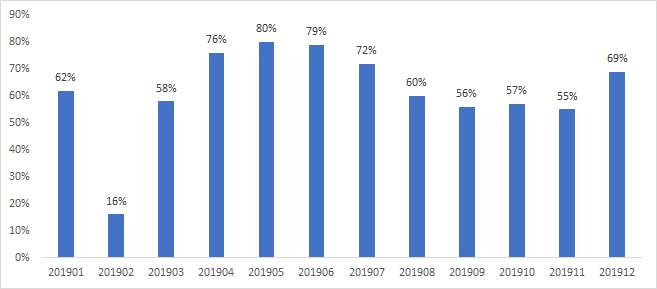
As of December 4, operating rates across EAF steelmakers in China averaged 69%, the highest in five months, showed SMM data. This was up 14 percentage points from the start of November and 4 percentage points from late November.

Chart 1: Operating rates across Chinese EAF steelmakers (Source: SMM)
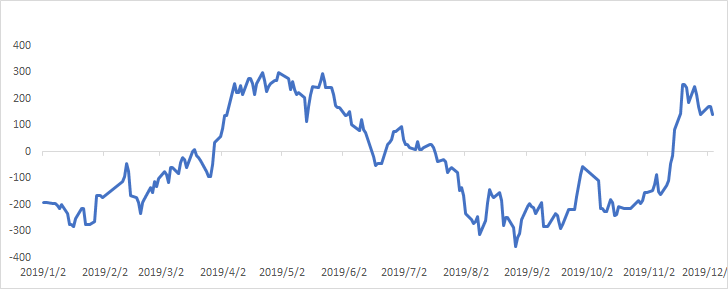
According to SMM calculations, EAF mills saw a profit of 141 yuan/mt on December 4, and the average profit stood at 184 yuan/mt for mid-November to date, up 296 yuan/mt from early November.

With a profit of about 400 yuan/mt, Zhejiang Wantai has ramped up to full capacity, up from 85% a month earlier. Another mill Jingsu Hongtai, located at east China, increased its operating rate from 50% to 75%, and the mill sees a net profit of over 100 yuan/mt.

A weakening market, however, is hurting steelmaker margins. Spot steel prices stemmed the ascent in late November, with rebar price assessed by SMM having shed 146.4 yuan/mt since November 26. EAF steelmaker margins shrank 113 yuan/mt during the same period.

This, coupled with continued tightness in steel scrap supply, is likely to deter EAF steel mills from further ramping up operations.

Chart 2: EAF steelmaker profits (Unit: yuan/mt, source: SMM)
Some mills in south China have slowed down their operations, amid high inventory levels of finished stocks and buyers sidelined from the high selling prices. While profits remain above 400 yuan/mt, Taizhou Baofeng in Zhejiang province slowed to a rate of 70%, from full capacity.

Chongqing Yonghang in the southwest and Heyuan Derun in the south also reported a weakening in demand.

The price spreads between southern and northern markets have widened to 700-800 yuan/mt, prompting northern steelmakers to pour their cargoes in the southern markets, and putting south China spot steel prices under increasing supply pressure. The southern markets have seen a sharp increase in arrivals after operations at some northeastern ports recovered.

Social inventories of rebar and wire rods in Guangzhou of Guangdong province rose 19.31% in the week ended December 4, with stocks of rebar gaining 29.81%, showed SMM data.

Data Source Statement: Except for publicly available information, all other data are processed by SMM based on publicly available information, market communication, and relying on SMM‘s internal database model. They are for reference only and do not constitute decision-making recommendations.

For any inquiries or to learn more information, please contact: lemonzhao@smm.cn
For more information on how to access our research reports, please contact:service.en@smm.cn
Related News
Risks in the Ferrous Metals Sector Began to Accumulate [SMM Steel Industry Chain Weekly Report]
Apr 3, 2026 18:25
Risks in the Ferrous Metals Sector Began to Accumulate [SMM Steel Industry Chain Weekly Report]
Read More
Risks in the Ferrous Metals Sector Began to Accumulate [SMM Steel Industry Chain Weekly Report]
This week, ferrous metals were in the doldrums. The main logic during the week remained weakening cost support. On Tuesday, Iran proposed charging transit fees for the Strait of Hormuz, while Trump made conciliatory remarks, saying that “even if the Strait of Hormuz remained largely closed, he would still be willing to end military action against Iran.” Market expectations for tighter crude oil supply weakened, and declines in the energy sector dragged down the coal sector, weakening the cost-side logic. During the week, inventories of the five major steel products continued to decline, but apparent demand remained at a low level for the same period in previous years, providing limited fundamental-driven momentum to futures. In the spot market, purchasing interest was average, mainly focused on restocking at low prices. Spot prices were relatively firm, and the spot-futures price spread widened somewhat......
Apr 3, 2026 18:25
Geopolitical Stalemate Stabilized Tin Prices in Fluctuation, While Spot Market Trading Turned Subdued [SMM Tin Midday Commentary]
Apr 3, 2026 11:56
Geopolitical Stalemate Stabilized Tin Prices in Fluctuation, While Spot Market Trading Turned Subdued [SMM Tin Midday Commentary]
Read More
Geopolitical Stalemate Stabilized Tin Prices in Fluctuation, While Spot Market Trading Turned Subdued [SMM Tin Midday Commentary]
[SMM Tin Midday Commentary: Tin Prices Stabilized and Fluctuated Amid a Geopolitical Stalemate, While Spot Market Trading Turned Subdued]
Apr 3, 2026 11:56
China's Secondary Aluminum Alloy Ingot Inventory Down 8,540 mt, Continues Destocking Trend
Apr 2, 2026 17:47
China's Secondary Aluminum Alloy Ingot Inventory Down 8,540 mt, Continues Destocking Trend
Read More
China's Secondary Aluminum Alloy Ingot Inventory Down 8,540 mt, Continues Destocking Trend
[SMM Aluminum Market Bulletin] According to SMM statistics, the social inventory of secondary aluminum alloy ingots in China’s major consumption regions decreased by 8,540 mt from last Thursday today, extending the destocking trend.
Apr 2, 2026 17:47