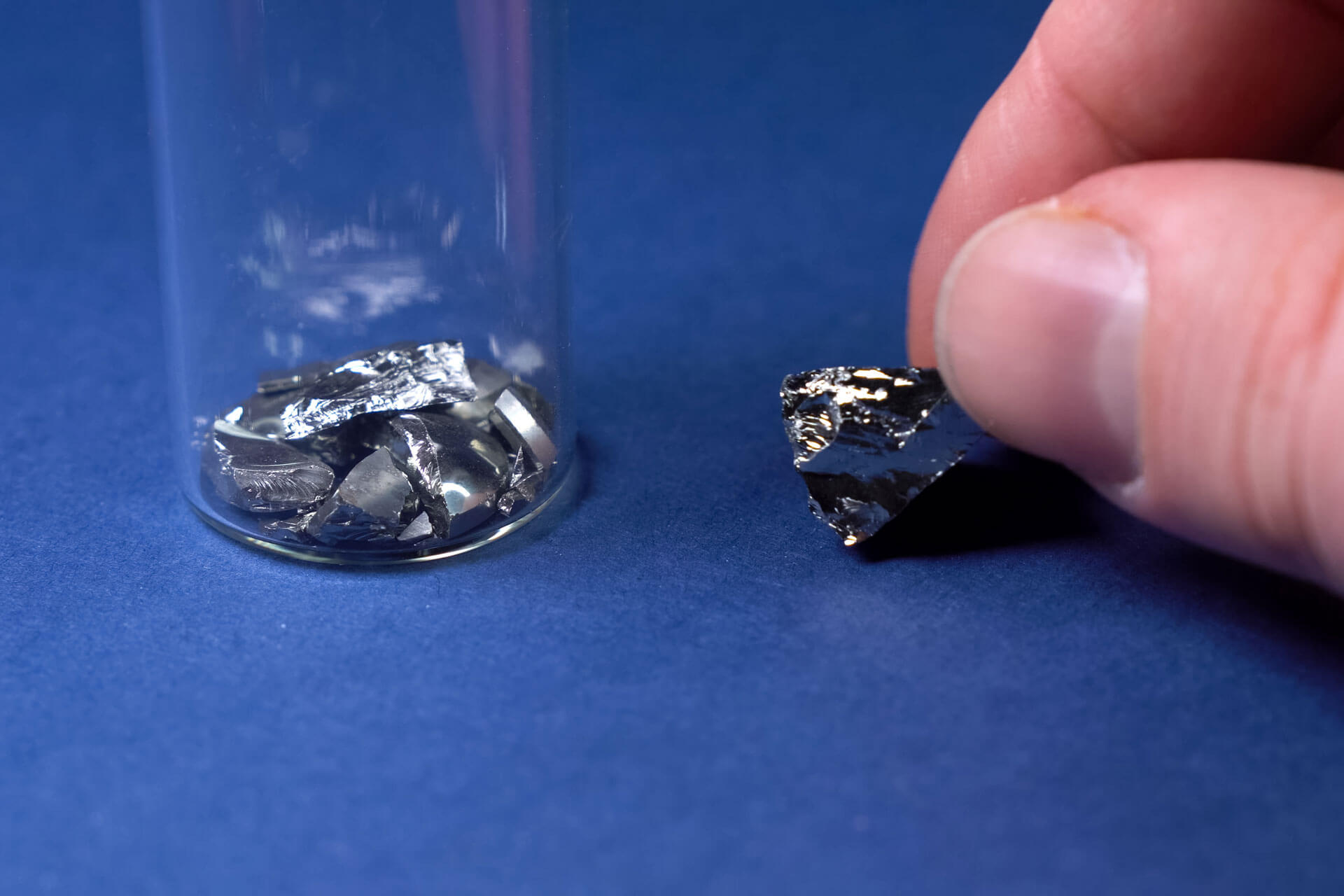
Dysprosium oxide prices recovered 30,000 yuan/mt on demand improvement

Published: Nov 18, 2019 14:04
Eased supply concerns and weak demand knocked prices of DyO to the lowest in six months in early Nov

SHANGHAI, Nov 18 (SMM) – Prices of dysprosium oxide across Chinese markets rose 30,000 yuan/mt last week to 1.55-1.57 million yuan/mt, as demand slightly recovered.

This came despite an easing in tightness in raw material supply following the recovery of imports of mixed rare earth carbonate ore from Myanmar, as recyclers and traders controlled limited supply and major producers held their offers firm.

Eased supply concerns and weak demand knocked prices of dysprosium oxide to the lowest in about six months at 1.5-1.53 million yuan/mt in early November.

Tracking gains in dysprosium oxide, prices of terbium oxide rose to 3.44-3.47 million yuan/mt as of Friday November 15, showed SMM assessments, while prices of other medium-to-heavy rare earths such as gadolinium and holmium oxides dipped last week.

Prices of light rare earths, praseodymium-neodymium and neodymium oxides, last week held stable at 282,000-285,000 yuan/mt and 284,000-287,000 yuan/mt, respectively, their lowest since late May.

China earlier this month announced its annual rare-earth mining quota, indicating an increase for light rare earths. This, together with sluggish demand, will keep prices of light rare earth products in check.

The full-year rare earth mining quota has been set at 132,000 mt for 2019 and the smelting and separation quota at 127,000 mt, according to the Ministry of Industry and Information Technology, both up 12,000 mt from 2018.

Data Source Statement: Except for publicly available information, all other data are processed by SMM based on publicly available information, market communication, and relying on SMM‘s internal database model. They are for reference only and do not constitute decision-making recommendations.

For any inquiries or to learn more information, please contact: lemonzhao@smm.cn
For more information on how to access our research reports, please contact:service.en@smm.cn
Related News
【SMM Analysis】Pr-Nd Alloy Prices Stabilize After Initial Drop, Expected to Rise Amid Tight Supply and Strong Demand
Mar 13, 2026 17:44
【SMM Analysis】Pr-Nd Alloy Prices Stabilize After Initial Drop, Expected to Rise Amid Tight Supply and Strong Demand
Read More
【SMM Analysis】Pr-Nd Alloy Prices Stabilize After Initial Drop, Expected to Rise Amid Tight Supply and Strong Demand
This week, Pr-Nd alloy prices generally fell first and then rose, and have now stabilized in the range of 980,000-1 million yuan/mt. This price fluctuation was mainly driven by the impact of news factors on market sentiment.
Mar 13, 2026 17:44
Chile and US Sign Joint Statement to Consult on Rare Earths and Critical Minerals
Mar 13, 2026 17:08
Chile and US Sign Joint Statement to Consult on Rare Earths and Critical Minerals
Read More
Chile and US Sign Joint Statement to Consult on Rare Earths and Critical Minerals
Santiago — Chile’s Ministry of Foreign Affairs said on the 12th that Chile had signed a joint statement with the US to begin consultations on rare earths and critical minerals.
Mar 13, 2026 17:08
Critical Metals Secures $30M for Greenland Rare Earth Project Amid Global Supply Chain Shift
Mar 13, 2026 09:40
Critical Metals Secures $30M for Greenland Rare Earth Project Amid Global Supply Chain Shift
Read More
Critical Metals Secures $30M for Greenland Rare Earth Project Amid Global Supply Chain Shift
Rare earth developer Critical Metals Corp. (Critical Metals) approved $30 million in funding to accelerate development of its Tanbreez rare earth project in Greenland. Tanbreez is one of the world’s largest known rare earth deposits. The company said the funding would be used to advance drilling, infrastructure, engineering design, and mineral processing and metallurgical testing required for production. The move came as the US and its allies were building supply chains for critical minerals essential to electronics, national defense, and clean energy technologies.
Mar 13, 2026 09:40