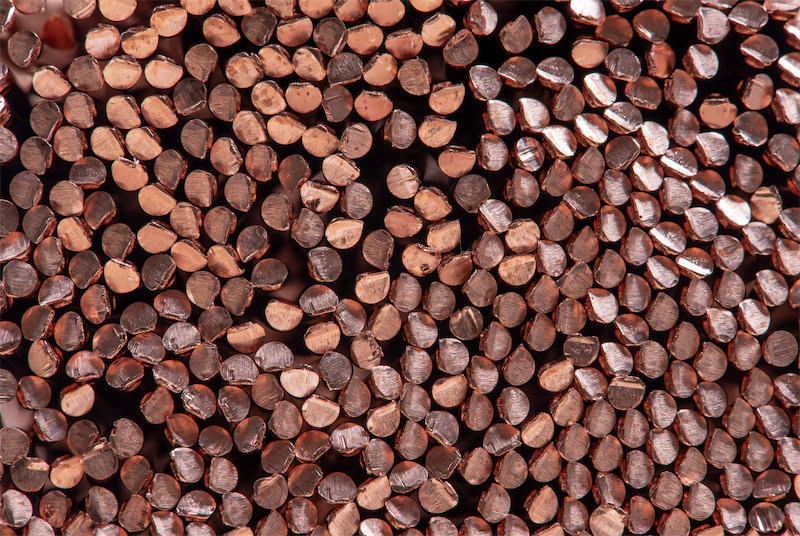
[SMM exclusive] the start-up rate of scrap copper rods is expected to reach a new high in nearly 11 months in March.

Publicado: Mar 15, 2019 21:03 (GMT+8)
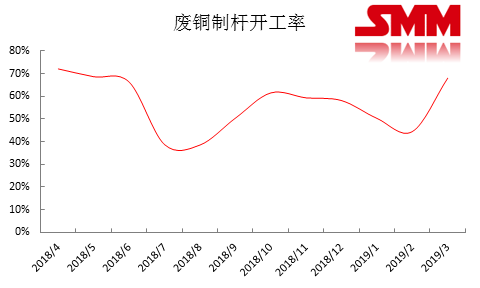
According to SMM survey data, the operating rate of scrap copper rod enterprises in February was 44.47%, a decrease of 5.83% compared with the previous month. In February, the start-up rate of copper scrap rod-making enterprises continued to fall from the previous month, falling for the fourth month in a row. The decline in the opening rate from January to February was mainly affected by the seasonality, as the impact of the Spring Festival this year was mainly reflected in February, and the scrap copper industry had a relatively longer holiday and was more affected. The decline in the start-up rate in the fourth quarter of last year was due to the decline in copper prices, resulting in a continued low spread of refined scrap prices and weak consumption of scrap copper.

SMM3, 15th, news:

According to SMM survey data, the operating rate of scrap copper rod enterprises in February was 44.47%, a decrease of 5.83% compared with the previous month.

In February, the start-up rate of copper scrap rod-making enterprises continued to fall from the previous month, falling for the fourth month in a row. The decline in the opening rate from January to February was mainly affected by the seasonality, as the impact of the Spring Festival this year was mainly reflected in February, and the scrap copper industry had a relatively longer holiday and was more affected. The decline in the start-up rate in the fourth quarter of last year was due to the decline in copper prices, resulting in a continued low spread of refined scrap prices and weak consumption of scrap copper.

Judging from the price performance, the price trend of copper in Shanghai was strong in February, and the price spread of refined copper rose all the way from 888 yuan / ton to 1551 yuan / ton. The advantage of copper scrap is gradually highlighted, and consumption is now picking up. Years ago, copper prices continued to fall and superimposed early holidays, scrap copper holders to cover the goods to cherish the sale of the mood is obvious. Copper prices rose after the year, in the case of widening profit spread, the holder is also actively arranging delivery. In late February, the terminal gradually resumed work, the scrap copper industry has become hot, some terminals in the fear of high mood to receive goods slightly cautious, after the festival inventory is higher is also the reason for limiting the quantity of orders. Excluding seasonal factors, the scrap copper market performed better in February.

According to the SMM survey, the operating rate of copper scrap rod enterprises is expected to be 68.07% in March, an increase of 23.59% over the previous month. The starting rate of SMM scrap copper rod has been counted since April 2018, which is the highest since May 2018. In March, although the Shanghai copper price has weakened, but the refined copper price difference is still maintained at more than 1200 yuan / ton, refined copper rod and scrap copper rod also has a price difference of about 1000 yuan, scrap copper still has a price advantage. Downstream consumption began to recover, enterprise inventory gradually consumed, there was a replenishment demand, scrap copper rod factory orders significantly increased. At present, the consumption of scrap copper has curbed the consumption of refined copper rod, and the starting rate of refined copper rod is expected to decline by 3% in March. The hot consumption of scrap copper is also one of the reasons for the continued increase in domestic inventories.

In addition, it is understood that due to the convening of the two sessions, some small copper scrap rod factories around Beijing, such as Henan and Hebei, have been forced to shut down or limit production, and have not yet received the notice to start work, and do not rule out the possibility of being permanently shut down. Because the impact is mainly small scrap copper processing plants, this part of the order is mostly transferred to other scrap copper rod plants, the impact on scrap copper consumption is not significant. According to business reports, this year's environmental regulation has not seen any signs of relaxation, environmental inspection is still strict. Due to the continuous shutdown problem of small copper scrap rod making plant affected by environmental protection, the phenomenon of production capacity concentration appears in the copper scrap rod making industry, which is also one of the reasons for the high start-up rate. Excluding these factors, scrap copper consumption still has a very good performance.
(SMM Wei Xue)

Declaración de Fuente de Datos: Excepto la información disponible públicamente, todos los demás datos son procesados por SMM basándose en información pública, comunicación de mercado y confiando en el modelo de base de datos interna de SMM. Son solo para referencia y no constituyen recomendaciones para la toma de decisiones.

Para cualquier consulta o para obtener más información, por favor contacte: lemonzhao@smm.cn
Para más información sobre cómo acceder a nuestros informes de investigación, contacte con:service.en@smm.cn
Noticias relacionadas
Perú prevé un aumento de 1 millón de toneladas anuales en la producción de cobre en un plazo de cinco a seis años
hace 18 horas
Perú prevé un aumento de 1 millón de toneladas anuales en la producción de cobre en un plazo de cinco a seis años
Leer más
Perú prevé un aumento de 1 millón de toneladas anuales en la producción de cobre en un plazo de cinco a seis años
El ministro de Energía y Minas de Perú, Guillermo Shinno, afirmó que el país espera sumar alrededor de 1 millón de toneladas de producción anual de cobre en un plazo de cinco a seis años mediante nuevos proyectos mineros. El tercer mayor productor de cobre del mundo prevé una producción de 2,5 a 2,7 millones de toneladas en 2026, prácticamente sin cambios respecto a 2023, ya que la caída de las leyes del mineral y los recurrentes conflictos sociales pesan sobre la oferta. El gobierno recién elegido busca revertir ese estancamiento reduciendo la burocracia; en los dos meses transcurridos desde que asumió el cargo, las empresas mineras han intensificado su interlocución con el ministerio. Shinno señaló que los funcionarios han identificado 27 permisos que podrían eliminarse de aproximadamente 100 requisitos del sector minero, sin reducir la protección ambiental.
hace 18 horas
Los productores de cobre de la India piden una reducción del GST ante el aumento de la carga de capital circulante por los precios récord
25 Sep 2026 20:26 (GMT+8)
Los productores de cobre de la India piden una reducción del GST ante el aumento de la carga de capital circulante por los precios récord
Leer más
Los productores de cobre de la India piden una reducción del GST ante el aumento de la carga de capital circulante por los precios récord
Los productores indios de cobre buscan una reducción del GST al 5 % desde el 18 %, citando el aumento de los requisitos de capital de trabajo en medio de precios récord del cobre.
25 Sep 2026 20:26 (GMT+8)
La escasez de ácido sulfúrico surge como una limitación para el crecimiento del cobre en Zambia
25 Sep 2026 16:43 (GMT+8)
La escasez de ácido sulfúrico surge como una limitación para el crecimiento del cobre en Zambia
Leer más
La escasez de ácido sulfúrico surge como una limitación para el crecimiento del cobre en Zambia
La escasez de ácido sulfúrico en Zambia se está convirtiendo en una limitación creciente para la producción y refinación de cobre. Jubilee Metals informó que los costos del ácido aumentaron más del 200 % en el cuarto trimestre del año fiscal 2026, mientras que la producción de cátodos de Sable cayó a 250 toneladas desde las 361 toneladas del tercer trimestre. Los datos gubernamentales también mostraron una caída interanual del 35,2 % en la producción de cobre a pequeña escala en el primer semestre de 2026, lo que evidencia la exposición del sector a la escasa disponibilidad de ácido y a los mayores costos de procesamiento.
25 Sep 2026 16:43 (GMT+8)