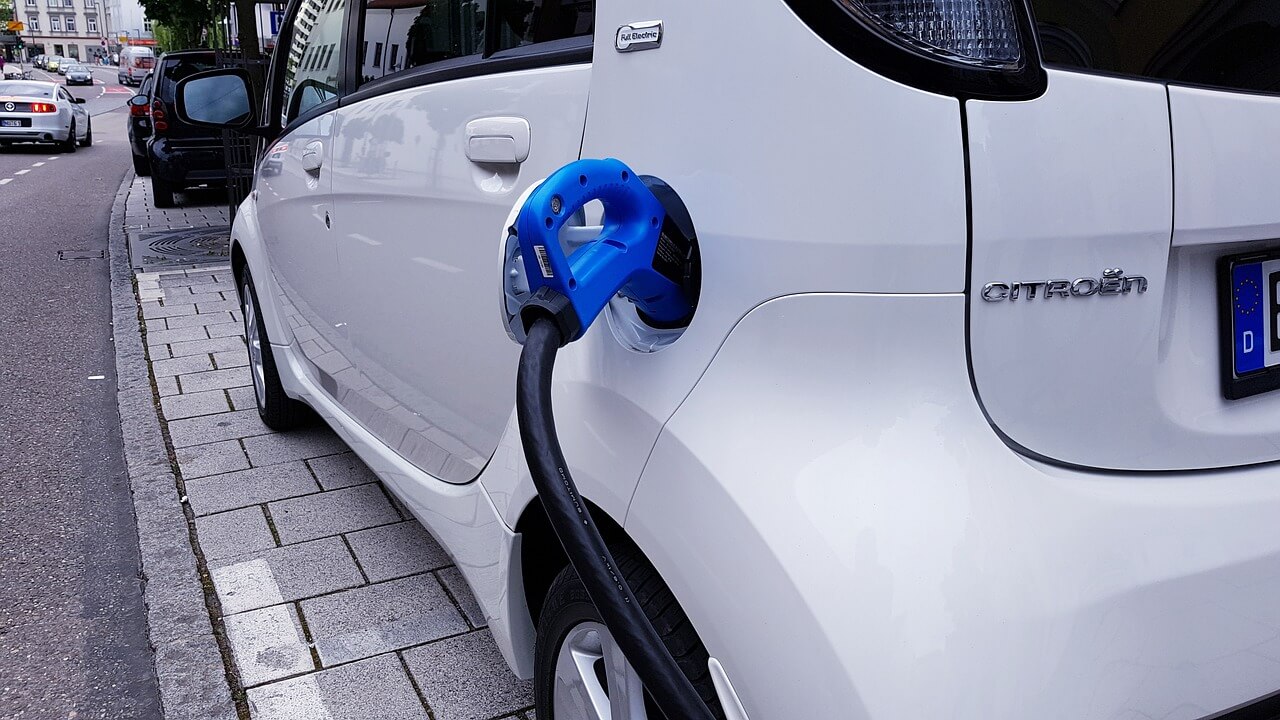
Rapid growth in electric vehicles and renewable energy storage has thrust lithium-one of the most important raw materials in battery manufacturing-into being highly sought after. At an accelerating secular trend toward sustainability and decarbonization worldwide, lithium batteries power everything from electric cars down to solar energy systems. But this fast-scaling lithium-ion battery production has its equal challenge, namely: how to recycle such batteries effectively and sustainably.
One of the major emerging factors that will mark the dynamics of the market in new energy metals is the recycling of lithium batteries. Because lithium, cobalt, and nickel are highly needed for battery manufacture, efficient processes may alter the supply chain and affect the market prospects. As the technology and infrastructure related to battery recycling continue to evolve, the industry will reach an important juncture in determining whether these processes meet future demand and reduce resource scarcity.
It deals first and foremost with the effects brought about by lithium battery recycling on the market prospects for new energy metals, including but not limited to such vital commodities as lithium, cobalt, and nickel. We look at how market intelligence providers like SMM have been indispensable players in helping companies plot this ever-challenging yet dynamic landscape.
Rising Dominance of Lithium Batteries and Their Part in Energy Transition
It is against this background that lithium batteries have emerged as one of the most important technologies behind electric mobility and storage. From electric cars themselves to grid-scale energy storage systems, it is all powered by lithium-ion batteries, making this element probably the most highly sought-after commodity in the new energy metals market.
The Growing Demand for Lithium
No surprise, with its high energy density, extremely long cycle life, and light weight, lithium has been embedded in battery technology. Electric vehicle adoption, expanding renewable energy storage solutions, and increases in portable electronics demand, all contribute to exponentiallithium demands in 2024. According to industry projections, lithium demand can increase as much as five-fold by 2030.
However, supplies of lithium are stretched due to the fact that mining and extraction are extremely resource-intensive, as well as geographically concentrated, particularly in regions such as the so-called "Lithium Triangle" in South America. This has raised concerns over the sustainability of lithium sourcing, with demands for batteries increasing.
Lithium Battery Recycling: A Key Solution to Supply Chain Pressures
Recycling has become one of the key approaches toward securing future supplies, with demand for lithium and other critical battery metals on the increase. The recycling of lithium batteries thus offers a way not only of recovering valuable materials but also approaches the growing environmental concerns related to waste battery disposal.
How Does Lithium Battery Recycling Work?
Recycling lithium-ion batteries involves the recovery of active lithium and other valuable metals contained in spent batteries for reutilization in the manufacture of new batteries. Normally, the process would involve the following phases:
Collection and Sorting: Collecting used batteries from various sources like EVs, consumer electronics, and industrial applications, sorting them by type and chemical composition.
Discharge and Dismantling: Safety hazards are removed by the discharging of batteries, which also involves dismantling by separation.
Mechanical and Chemical Processes: In mechanical processes, shredding and chemical processing break down the battery materials to extract metals such as lithium, cobalt, nickel, and manganese.
Purification and Refining: Extracted metals are re-purified and refined for use in new production processes of the battery.
Lithium Battery Recycling: Advantages
Resource Efficiency: Recycling lithium batteries reduces the amount mined and extracted, usually with environmental damage or at high costs.
Cost Reduction: Recovering expensive metals, such as lithium and cobalt, allows manufacturers to lower their material costs and reduce dependence on wild swings in raw material prices.
Sustainability: Recycling minimizes the damage mining can cause and prevents valuable materials from going to landfills.
Impact of Lithium Battery Recycling on New Energy Metal Markets
Massive penetration is believed to change the market dynamics of essential new energy metals - lithium, cobalt, and nickel. Let's see how the recycling of these metals is going to influence their respective market prospects.
Lithium Market: A Way for Price Stabilization
Being the most important metal in battery manufacturing, demand pull for lithium is high, and its market is under tremendous pressure. Whatever the case might be, with the advancement of technologies for battery recycling, the secondary supply of lithium from recycled batteries will ease dependency on primary lithium extraction and therefore ease some of the supply constraints.
Recycling lithium entering the market should contribute to price stabilization. According to Shanghai Metals Market (SMM) data, in December 2024, the price of Lithium Carbonate (99.5% Battery Grade) was around75,600 CNY/mt. While the cost will grow by increasing demand and rising prices for raw lithium extraction, if the recycling processes get more efficient and widespread, that would dampen upward pressure on lithium prices when more material is recirculated into the market.
This would reduce demand on primary sources of both cobalt and nickel because they could integrate these recycled materials into their production processes. The more these recycling technologies are improved, the more recycled cobalt and recycled nickel will be available. Thus, dependency will not absolutely be on virgin material. This could stabilize the prices of the metals from the extreme volatility it has shown up to this point.
Following SMM market data,nickel - the spot price for nickel in late 2024 was at 125,500 CNY/mt for nickel. Prices for battery-grade nickel have continued to see wide fluctuations. With lithium battery recycling offering essential support both for the supply of nickel and that of cobalt, this should bring a little bit of much-needed stability to these prices, so vital for the long-term profitability of the energy transition.
Environmental and Ethical Considerations
Besides the market and economic consequences of such a development, broad environmental dividends come with the emergence of lithium battery recycling. It reduces the ecological footprint from mining activity. It offers a more benign path of meeting the rapid growth in demand for the metals concerned. In fact, it helps address certain ethical concerns linked with cobalt mining, as in some regions mines are characterized by unsafe work conditions and child labor.
Market Intelligence to Deal with a Changing Landscape
As the industry of lithium battery recycling continues to take shape and mature, there is a dire need by companies for timely, accurate information that will drive better procurement, production, and investment decisions.Shanghai Metals Market delivers insightful market intelligence, data, and forecasts that will help new energy businesses resolve supply chain challenges in lithium, cobalt, and nickel.
SMM reports in detail on the price of lithium, such as Lithium Carbonate, 99.5% Battery Grade, averaging at 75,600 CNY/mt in December 2024. Such detailed reports will enable business to draw trends in supply and demand, prices, while garnering insights into how changes in the market shift and recycling trends will affect the cost profile of battery production.
Additionally, SMM supplies in-depth analysis of the lithium supply chain, trends in recycling, and forecasts of the market, thereby keeping companies ahead in their business game. The subscription to daily, weekly, or monthly reports as provided by SMM lets a company edge out risks related to the volatility in the prices of lithium, cobalt, and nickel.
SMM also provides webinars and market reviews by industry experts who review the most updated information with regard to recycling lithium, among other critical metals. Such webinars are considered a very fine venue wherein business can learn current market trends and communicate with fellow peers and industry leaders as well.
Conclusion: The Future of Lithium Battery Recycling and New Energy Metals
Lithium battery recycling, therefore, will play a very important role in the supplies of new energy metals, which are on the increase as the world moves towards a cleaner, more sustainable future of energy. Recycling offers a responsible solution to various problems pertaining to the supply chains of lithium, cobalt, and nickel, reducing primary dependence and minimizing environmental impacts. This transition will be viable only through continued innovation in recycling technologies and further development of efficient material recovery systems.
For companies that belong to the new energy sector, it is important that they keep pace with the market and price dynamics of the markets. Shanghai Metals Market provides the necessary market intelligence needed to navigate the rapidly shifting landscape in lithium, cobalt, nickel, and other metals. Equipped with in-depth data, reports, and expert analysis by SMM, companies will be able to make informed decisions and position themselves for success in a rapidly changing market.
Meta Description: Come and find out how lithium battery recycling will affect the market prospects of new energy metals like lithium, cobalt, and nickel. Beat the competition with market intelligence by SMM.
![[SMM 분리막 주간 리뷰] 수급 타이트한 양상 지속](https://imgqn.smm.cn/usercenter/WBREf20251217171728.png)
![[SMM 분석] 하류 재고 확보로 리튬헥사플루오로포스페이트 수요 증가, 공급 증가 속도는 여전히 더딤](https://imgqn.smm.cn/usercenter/jZvMC20251217171729.jpg)
![[재생용 응용 시장 가격 이번 주 소폭 하락, 비용 약세가 시장에 압박 [SMM 주간 리뷰]]](https://imgqn.smm.cn/usercenter/smDhO20251217171726.jpg)