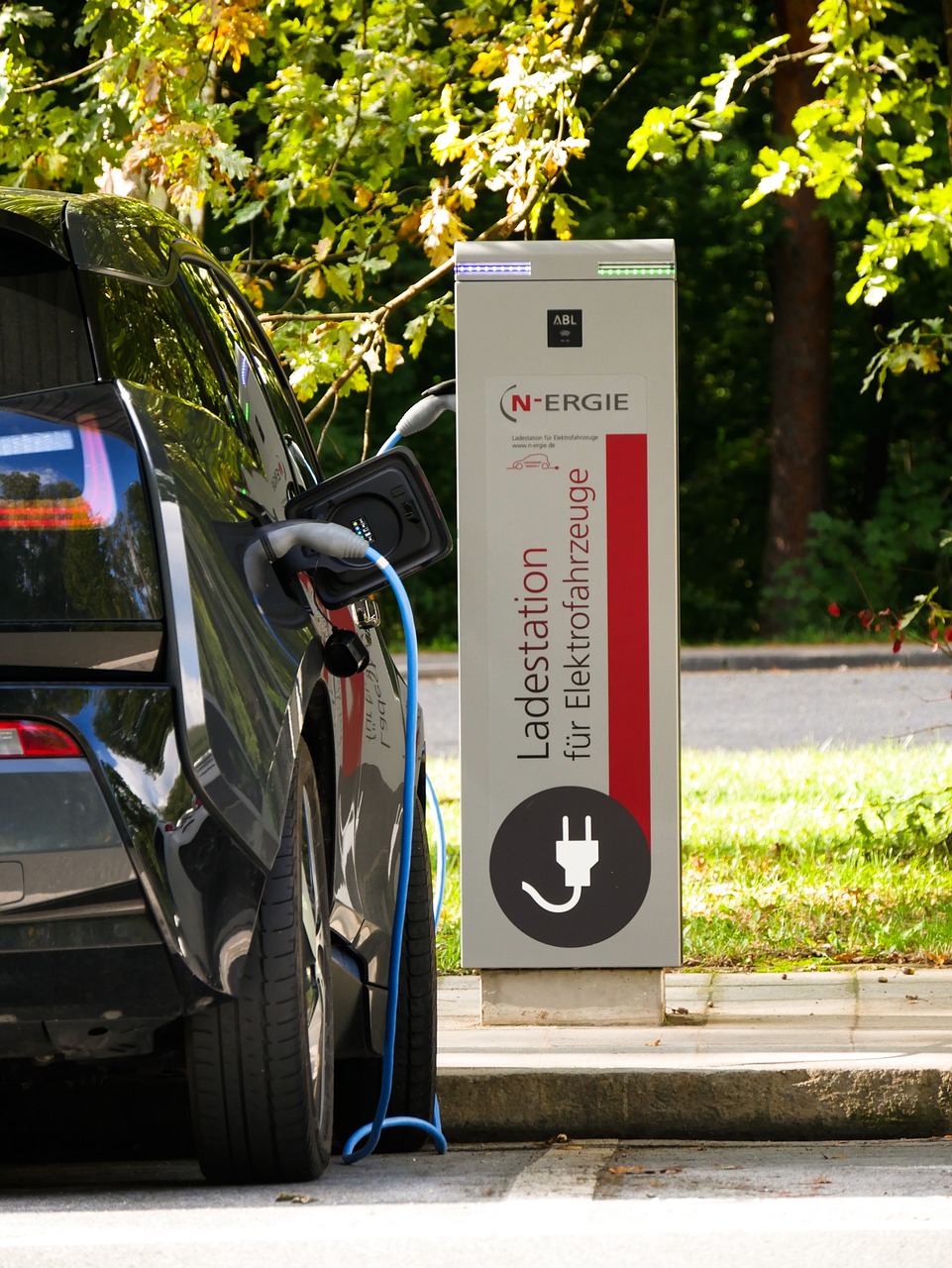
On the evening of January 9, the NIO DAY conference was held by Xilai Automobile, and the long-heated 150kwh solid-state battery pack finally showed its true face, which is expected to be officially launched in the fourth quarter of 2022, with an energy density of 360wh/kg.
According to reports, under the 150kwh battery pack, the range of the ES8 in 2018 will be increased to 730km, and the new ES8 can reach 850km, the ES8 and EC6 can exceed 900km, while the ET7, the first car launched by Synchronize on the same day, is expected to break through the milestone 1000 km with the new battery pack.
It should be pointed out that the most popular models in the domestic passenger car market-Tesla Model 3, BYD Han, and Xiaopeng P7-have a maximum battery capacity of 77 kWh, 76.9 kWh and 80.9 kWh, mileage of 668 km, 605 km and 706 km respectively (according to the Ministry of Industry and Information Technology).
Solid-state battery, ultra-high battery life. The new battery pack, combined with the most cutting-edge and popular power battery keywords, has undoubtedly become the first "secret weapon" at the beginning of the year, firing the first shot in the battle for the electric car market in the New year.
According to the press conference, the new battery can make a great breakthrough in performance, mainly from three processes: "in-situ solidified solid-liquid electrolyte", "inorganic pre-lithiated silicon-carbon negative electrode", and "nano-coated ultra-high nickel cathode". And it seems to be similar to several major battery technologies proposed by Tesla on Battery Day 2020 (dry electrode + silicon-carbon negative electrode + ultra-high nickel).
"in-situ solidified solid-liquid electrolyte": this solid-state battery is not the other solid-state battery.
The first is the "in-situ solidification of solid-liquid electrolyte" process. It should be noted that the wording of "solid-state battery" used in the new battery, non-solid-state battery still needs to use electrolyte and diaphragm, similar to quasi-solid-state (semi-solid) battery, that is, polymer matrix PVDF, PEO and so on are used as solid-state electrolyte, but polymer matrix PVDF and PEO contain residual solvents after film formation.
The innovation of the new battery package lies in the in-situ polymerization coating technology, that is, the coating on the base membrane is realized by the original flavor polymerization reaction, which can improve the interface contact between positive and negative electrodes. It is expected that in-situ polymerization coating uses ceramic solid electrolyte components such as LLZTO and LATP, so it is called solid-state battery.
Back to Tesla's 2020 Battery Day, after the large-scale acquisition of Maxwell, it was speculated that Tesla would introduce dry electrode technology, that is, there is no need to apply wet slurry, that is, there is no need to use solvents, which can speed up battery manufacturing and reduce battery manufacturing costs. On Battery Day, dry battery technology has indeed become one of Musk's key technologies.
According to the previous introduction of Maxwell, dry cell electrode technology can also be used in solid-state battery system.
"Inorganic pre-lithiated silicon-carbon negative electrode": come up with different ways to solve the pain point
The second is the "inorganic pre-lithiated silicon-carbon negative electrode" process. Among them, the "silicon-carbon negative electrode", as its name implies, refers to the negative electrode composed of a mixture of carbon and silicon. At present, some lithium batteries carried by electric vehicle giants such as Tesla have adopted silicon-carbon negative electrode, but from the perspective of the market pattern, the current negative electrode material is still dominated by graphite negative electrode.
The main advantages of graphite negative electrode are stable structure and good cycle performance, but its capacity has reached the bottleneck stage. Because of its high capacity, silicon-carbon anode material is helpful to improve the energy density of lithium battery and is the main development direction of the next generation negative electrode. At present, the main difficulty lies in the shortcomings such as large volume expansion rate, insufficient cycle life, and low first charge efficiency (65% 85%) in the process of charge and discharge.
The essence of "inorganic pre-lithiation" is to solve these pain points of carbon-silicon negative electrode, and its essence is to make up for the irreversible lithium loss in the process of charge and discharge and to supplement lithium to the electrode material in advance to improve the efficiency of the first charge and discharge. and improve the total capacity and energy density of the battery. At present, the common way of pre-lithium is negative lithium, such as lithium foil lithium, lithium powder lithium (SLMP) and so on.
Tesla also made some moves for the technological improvement of carbon and silicon negative electrodes. The background picture of his registration page released on the eve of Battery Day is the structure diagram of a new battery material-silicon nanowires. Its inventor, the core technology point of Amprius, a US battery startup, is precisely the use of silicon nanowires to make battery negative electrodes, or it can effectively solve the problem of high volume expansion in the process of charging and discharging.
"Nano-coated ultra-high nickel cathode": a research precedent in China
Finally, the "nano-coated ultra-high nickel cathode" process. Ultra-high nickel has become one of the most frequently mentioned key words for lithium batteries, which is generally considered to be at least ternary 811 series or even 9-series batteries, while Tesla's pursuit of high nickel is well known, and its suppliers Panasonic and LG Chemical have invested heavily in ultra-high nickel research and development.
The highlight of the new battery pack is the prefix "nanometer coating". The data show that the increase of nickel content will lead to the decrease of thermal stability and cycling performance of ternary materials, and the surface coating can well inhibit the decomposition of electrolyte and the surface phase transformation of materials, which is an effective way to improve the stability of ternary materials with high nickel.
At the same time, in order not to affect the deintercalation of lithium ions from cathode materials, the surface coating should not be too thick, and the essence of nano-scale coating is to achieve nano-level thinness. It should be pointed out that in the field of "nano-scale coating", it is not unprecedented.
According to the industry self-media new energy Leader, in May last year, ZeqinZhong and his team from German Nano coated NCM811 materials with nano-lithium iron phosphate, which well suppressed the interfacial side reaction of electrolyte / NCM and significantly improved the cycle stability and thermal stability of NCM811 materials.
It can be said that Weilai "solid-state battery package" does combine the most cutting-edge power battery technology, but in essence, it coincides with the specific plans of Tesla, the leader of electric vehicles, on the future battery technology. To some extent, the common choice of the two electric car giants also represents a mainstream technology direction in the medium and long term of the industry.
It is not clear which giant will take the lead before a truly groundbreaking product is finally born. The 150kWh solid-state battery is one step ahead of the company, which may open up a favorable situation for it.
![[Baterai Solid-State: Tianneng Co., Ltd. Mencapai Pengiriman Skala Besar Sel Baterai Semi-Solid-State 314Ah, dengan Terobosan Bertahap di Berbagai Sistem Teknologi]](https://imgqn.smm.cn/usercenter/JmyWy20251217171729.png)
![[Baterai Solid-State: EcoPro BM Membangun Tim Baterai All-Solid-State yang Mencakup Rantai Penuh “Bahan Baku-Material-Sel Baterai,” Menargetkan Komersialisasi pada 2027]](https://imgqn.smm.cn/usercenter/JMINH20251217171728.jpg)