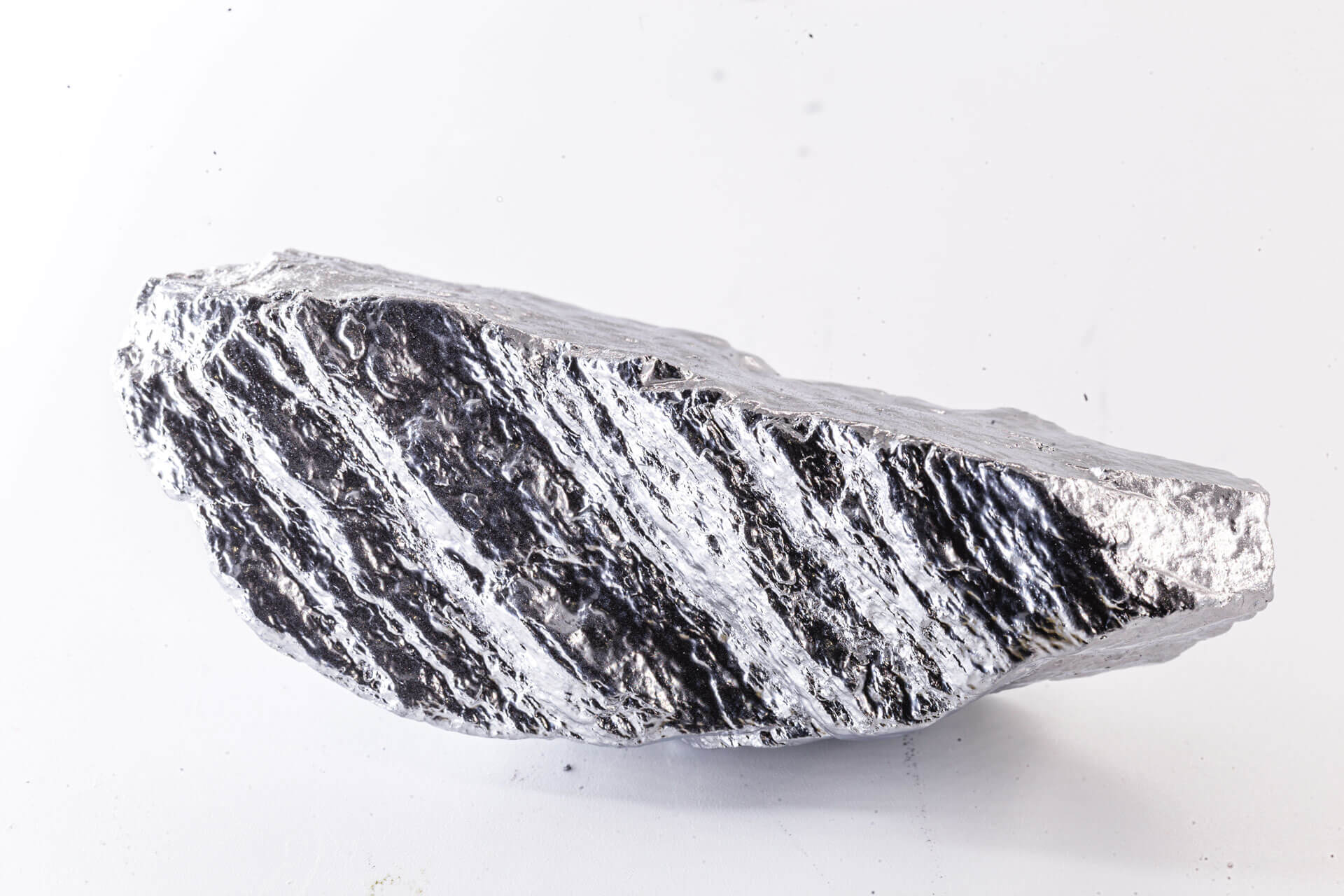
Nickel Ore
Indonesian domestic nickel ore prices have risen significantly increase this week. For the first half of March, the Indonesian Nickel Ore Benchmark Price (HPM) was set at $17.104/dmt, a month-on-month decrease of 3.21%. However, according to SMM data, average premiums has increased for 1.4%, 1.5%, and 1.6% grade laterite nickel ore were reported at $35, $39, and $39.5/wmt, respectively, with 1.6% grade reaching a delivered price of $65.2–$74.2/wmt. This strengthening of premiums reflects both the release of restocking demand from smelters and pessimistic expectations regarding RKAB quota reductions. Simultaneously, the delivery price for 1.2% grade limonite has edged up to $24–$26/wmt.
- Pyrometallurgical Ore:
From a supply and demand perspective, as of March 13, key mining regions including Morowali, Konawe, and Halmahera continue to face logistical disruptions due to heavy thunderstorms and extreme humidity reaching 94%. These fluctuating conditions have resulted in saturated soil, severely hindering ore drying and hauling activities. Morowali and Konawe are expected to face intense rain systems over the weekend with precipitation probabilities reaching 80%, while Halmahera is forecast to see rain intensity pick up again next Friday, keeping overall logistical capacity constrained. Currently, RKAB approvals for most small-to-medium scale miners remain pending. Since existing quotas can no longer be used for next month's production and sales, this rising supply uncertainty is driving prices upward. On the demand side, Indonesian smelters are facing resource insecurity and a shortage of high-grade pyrometallurgical ore, which is maintaining strong price levels. To secure raw material supplies, some smelters have even increased trade premiums. Overall, while the impact of the MOMS system failure has largely subsided, the general supply of nickel ore remains tight.
- Hydrometallurgical Ore
Although the spot supply of hydrometallurgical ore is relatively sufficient, a tailings dam landslide at an MHP project in a certain industrial park has forced related production lines to operate at low loads, leading to a temporary weakness in demand. However, given the concerns over RKAB approval uncertainty, the stockpiling needs of newly commissioned projects, and the growing demand from outer islands, hydrometallurgical ore prices are expected to follow the trend of pyrometallurgical ore and remain elevated.
On the policy front, regarding market rumors that "production quotas (RKAB) will be uniformly supplemented by an additional 25%–30%," Tri Winarno, Director General of Minerals and Coal at the Ministry of Energy and Mineral Resources (ESDM), clarified on March 3, 2026, that RKAB supplements will be based on individual assessments of company capacity and compliance rather than a uniform proportional increase. He further announced that the approval process is scheduled to begin in the second half of 2026. Officials emphasized that this move is a routine regulatory process for resource optimization, not a reactive hedge against previous production ceiling policies. Looking ahead, due to the slow progress of RKAB approvals, nickel ore prices in April are expected to remain resilient with a strong upward bias.
Nickel Pig Iron
"Weak Downstream Demand vs. Resilient Costs: High-Nickel NPI Prices Rise Steadily"
The average price of SMM 10-12% NPI average price rose by RMB 2.2 per nickel unit week-on-week to RMB 1089.9 per nickel unit (ex-works, tax included), while the Indonesia NPI FOB index increased by USD 0.39 per nickel unit to an average of USD 138.93 per nickel unit. Although the market faced brief pressure following the release of tender prices from mainstream stainless steel mills this week, trading activity subsequently recovered, pushing transaction prices for high-nickel NPI upward once again.
From the supply side, Nickel ore prices continue to climb, increasing cost pressures on smelters and keeping upstream offers at elevated levels. From the demand side, While stainless steel prices have yet to show a clear recovery, market activity and procurement volumes are gradually picking up. Consequently, the psychological price ceiling for steel mill procurement has shifted upward compared to the previous period.
Overall, despite weak pull from end-users, high-nickel NPI price centers are moving higher due to cost support, facing only temporary pressure during significant market sell-offs. Looking ahead, high production costs for smelters and holding costs for traders suggest that NPI prices will remain well-supported.
![[SMM Analysis]: Slower-than-Expected Progress in RKAB Approvals, Coupled with Disruptions from the Rainy Season in the Philippines and Indonesia, Drove Stronger Premiums Amid Regional Supply Uncertainty](https://imgqn.smm.cn/usercenter/CWsEw20251217171732.jpeg)
![[SMM Analysis] Weak End-User Demand but Firm Costs, High-Grade NPI Prices Rose Steadily](https://imgqn.smm.cn/usercenter/GmHLU20251217171733.jpg)
![[SMM Analysis] Inventories Fall Below 1 Million mt, Costs and Geopolitical Risks Keep Stainless Futures Elevated](https://imgqn.smm.cn/production/admin/votes/imagesFURVz20260313180700.jpeg)