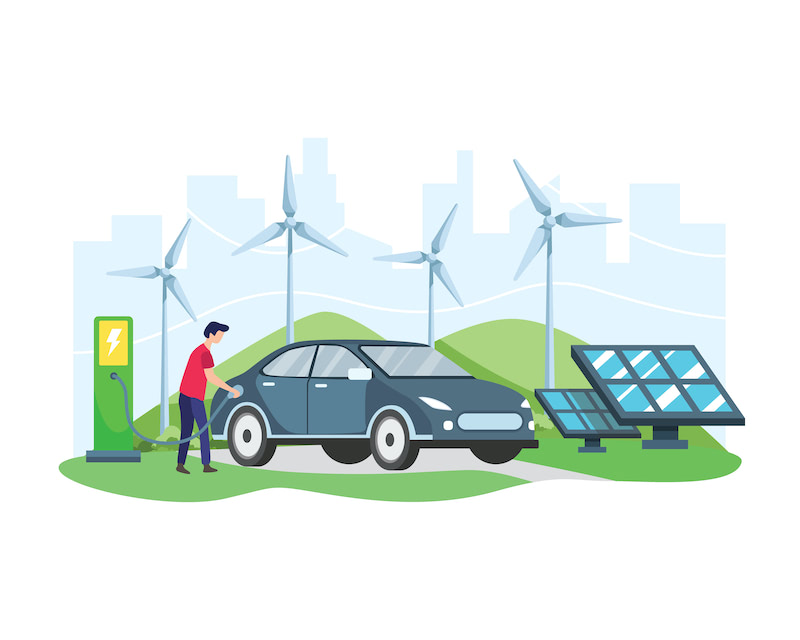
Instead of the lithium ions found in traditional lithium-ion batteries, sodium-ion battery is a type of rechargeable battery that uses sodium ions as the charge carriers. Sodium-ion batteries are known for their ability to store and release electrical energy efficiently, which is related to their lithium-ion counterparts. However, one of the key advantages of sodium-ion technology is the abundance and low cost of sodium, which makes these batteries a promising candidate for large-scale energy storage solutions and applications in various industries.
Material Costs
Raw Materials Utilized in Sodium-ion Batteries
The primary components of sodium-ion batteries include a sodium-based cathode, an anode typically made from hard carbon, and a sodium-ion conducting electrolyte. The sourcing and preparation of these raw materials are crucial factors that influence the overall cost of the battery. Sodium, being readily available in nature and inexpensive to extract, provides a significant cost advantage. However, the quality and performance of the other materials, such as hard carbon, can vary, impacting the final pricing structure.
Comparison with Lithium-ion Battery Materials
When comparing sodium-ion batteries with lithium-ion batteries, the stark difference in material costs becomes evident. Lithium-ion batteries rely on lithium, cobalt, nickel, and manganese, many of which are expensive and sourced from geopolitically sensitive regions. In contrast, sodium-ion batteries use more abundant and lower-cost materials, potentially reducing dependency on critical minerals. Despite these advantages, sodium-ion battery technology must still compete with the well-established supply chain and economies of scale that lithium-ion batteries currently enjoy.
Supply Chain and Availability
The supply chain for sodium-ion batteries is still in its nascent stages compared to the mature and streamlined supply chain for lithium-ion batteries. Ensuring a stable and consistent supply of high-quality materials, from mining to final production, poses a challenge. However, the increasing focus on diversifying energy storage technologies is likely to bolster the development of a robust supply chain for sodium-ion batteries. Long-term contracts and collaborations with material suppliers can also help in stabilizing costs and ensuring material availability.
As an expert in Metals and a comprehensive non-ferrous metal Internet platform provider, Shanghai Metals Market (SMM) provides a comprehensive Internet platform for metal mining benchmark prices, analysis, news, consulting and conferences. In addition, we will provide you with the most authoritative information on a variety of metals.
Manufacturing Processes
Production Techniques for Sodium-ion Batteries
The production of sodium-ion batteries involves several steps, including electrode material synthesis, cell assembly, electrolyte filling, and battery formation. Each of these steps requires precise control and optimization to ensure the performance and longevity of the batteries. Innovations such as automated manufacturing processes and advanced material synthesis techniques can significantly impact the overall production costs.
Technological Innovations Impacting Costs
Technological advancements play a crucial role in reducing the manufacturing costs of sodium-ion batteries. Improvements in electrode materials, such as the development of high-capacity anodes and high-voltage cathodes, can enhance the energy density and lifespan of the batteries. Additionally, advancements in electrolyte formulations and manufacturing equipment can streamline the production process, leading to cost savings. Research and development efforts focused on scaling up production and optimizing material usage are key to making sodium-ion batteries more economically competitive.
Market Demand and Supply Dynamics
Current Market Demand for Sodium-ion Batteries
As the demand for energy storage solutions continues to grow, sodium-ion batteries are gaining attention for their potential cost advantages and sustainability. Currently, the market demand for sodium-ion batteries is primarily driven by niche applications and pilot projects. Industries such as renewable energy storage, grid stabilization, and low-cost consumer electronics are exploring the use of sodium-ion technology. However, widespread commercial adoption is still in the early stages, and significant growth is anticipated in the coming years.
Future Projections and Growth Trends
The future of sodium-ion batteries looks promising, with projections indicating significant growth in market demand. As more industries recognize the benefits of sodium-ion technology, particularly in terms of cost and sustainability, the adoption rate is expected to increase. Strategic partnerships, government incentives, and technological breakthroughs will further accelerate this growth. By 2030, sodium-ion batteries are anticipated to capture a substantial share of the energy storage market, driven by their competitive pricing and scalability.
Influence of Global Supply Chain Issues
Global supply chain issues, such as material shortages and trade disruptions, can impact the pricing and availability of sodium-ion batteries. The recent disruptions caused by the COVID-19 pandemic have highlighted the vulnerability of global supply chains. To mitigate these challenges, manufacturers are focusing on building more resilient and localized supply chains. Additionally, diversifying material sources and investing in recycling technologies can help reduce dependency on raw materials and stabilize costs.
Technological Advancements
Role of Research and Development
Research and development (R&D) play a pivotal role in the advancement and cost reduction of sodium-ion batteries. Through intensive R&D efforts, scientists and engineers aim to discover new materials and improve existing ones, optimize battery design, and enhance manufacturing processes. This continuous innovation is essential for overcoming current limitations and making sodium-ion batteries more competitive in the marketplace. Significant investments in R&D can lead to groundbreaking discoveries that decrease production costs and improve battery performance, driving wider industry adoption.
Impact of Breakthrough Technologies
Breakthrough technologies in the field of sodium-ion batteries can substantially drive down costs and enhance performance. Innovations such as novel electrode materials, advanced manufacturing techniques, and superior electrolyte formulations can lead to higher energy densities, longer cycle lives, and reduced production expenses. Moreover, scalable technologies that can be easily integrated into existing manufacturing infrastructure have the potential to expedite commercialization and reduce overall costs.
Efficiency Improvements and Cost Implications
Efficiency improvements in sodium-ion battery technology directly impact cost implications. By increasing the energy density and cycle life of these batteries, manufacturers can offer more competitive products. Efficient utilization of raw materials and reduction in waste can also lower manufacturing expenses. Additionally, the implementation of advanced monitoring and management systems can enhance battery performance and safety, thereby increasing consumer confidence and market acceptance. These improvements can contribute to more favorable economies of scale, ultimately making sodium-ion batteries more affordable.
Industry Competition
Key Players in the Sodium-ion Market
Several key players in the sodium-ion battery market are driving innovation and competition. These companies range from established battery manufacturers to start-ups focused exclusively on sodium-ion technology. Competition among these players is spurring advancements in battery performance and reductions in production costs. Collaborative efforts, such as partnerships and joint ventures, are also emerging as strategies to overcome technical and economic barriers, fostering a more dynamic and competitive market landscape.
Competitive Pricing Strategies
Competitive pricing strategies are essential for gaining market share in the sodium-ion battery sector. Companies must balance pricing with profitability, ensuring that they can offer cost-competitive products without compromising quality. Strategies such as economies of scale, supply chain optimization, and technological innovation can help achieve more attractive pricing. Additionally, differentiation through superior performance, longer lifespan, and enhanced safety features can justify premium pricing, providing a competitive edge in the market.
End-Use Applications
Automotive Industry Adoption
Electric Vehicles (EVs) Deployment of Sodium-ion Batteries
The automotive industry, particularly the electric vehicle (EV) sector, presents significant opportunities for sodium-ion battery adoption. While lithium-ion batteries currently dominate the market, the lower cost and improved safety profile of sodium-ion batteries make them an attractive alternative for EV manufacturers. Ongoing advancements in energy density and charging efficiency could further position sodium-ion batteries as a viable option for cost-sensitive and mid-range EV models, enhancing their market penetration.
Public Transport Integration
Public transportation systems are also exploring the integration of sodium-ion batteries. Buses, trams, and other forms of public transit can benefit from the affordability and safety features of sodium-ion technology. Large-scale deployments in public transport could drive significant demand for these batteries, contributing to economies of scale and further cost reductions. Furthermore, government initiatives aimed at reducing public transport emissions can provide additional impetus for adopting sodium-ion batteries in this sector.
Consumer Electronics Incorporation
Portable Devices Utilizing Sodium-ion Technology
Consumer electronics represent another promising application for sodium-ion batteries. Portable devices such as smartphones, laptops, and tablets require reliable and cost-effective energy storage solutions. Sodium-ion batteries, with their potential for lower costs and safer operation, can provide an alternative to lithium-ion batteries in these devices. Continued advancements in miniaturization and energy density will be crucial for sodium-ion technology to compete effectively in the consumer electronics market.
Economic Factors
Currency Fluctuations and Their Effects on Pricing
Currency fluctuations can have a substantial impact on the pricing of sodium-ion batteries, particularly for manufacturers and suppliers who operate in international markets. Exchange rate volatility can affect the cost of imported raw materials, production equipment, and other components, ultimately influencing the final price of the batteries. Companies may need to employ hedging strategies or negotiate long-term contracts to mitigate the risks associated with currency fluctuations, ensuring price stability for their products.
Inflationary Pressures within the Sector
Inflationary pressures within the sector can also affect the pricing of sodium-ion batteries. Rising costs of raw materials, labor, and energy can increase production expenses, leading to higher prices for end consumers. Manufacturers must continuously seek efficiency improvements and cost-saving measures to counteract these inflationary pressures. Additionally, maintaining strong supplier relationships and diversifying sourcing strategies can help manage cost increases and maintain competitive pricing.
Shanghai Metals Market (SMM) Headquartered in Shanghai, with branch office in Shandong and Guangdong province. We have extensive network and deep-rooted relationships in SMM nonferrous, ferrous and EV metal industries. At SMM, we help you Know the real China from a global perspective.
Future Outlook for Sodium-ion Battery Prices
The future outlook for sodium-ion battery prices appears promising, driven by ongoing technological advancements, increasing market demand, and supportive government policies. Continued research and development efforts, coupled with economies of scale, are expected to drive down production costs, making sodium-ion batteries more affordable and accessible. As industries such as automotive, consumer electronics, and renewable energy storage adopt sodium-ion technology, the market will witness increased competition and innovation, further enhancing cost competitiveness. With a favorable regulatory environment and growing awareness of the benefits of sodium-ion batteries, the future holds significant potential for this promising technology.
![[SMM Résumé de la réunion matinale sur le cobalt] Les attentes de reprise de la demande se renforcent, les prix de la chaîne industrielle restent dans une phase de négociation faible](https://imgqn.smm.cn/usercenter/hSSxt20251217171722.jpeg)
![[Compte rendu de la réunion matinale SMM Cobalt-Lithium] Les matières premières se consolident à des niveaux élevés avec des divergences ; les attentes pour la haute saison des matériaux se renforcent progressivement](https://imgqn.smm.cn/usercenter/WgbTp20251217171727.jpg)
![[Compte rendu de la réunion matinale SMM sur le cobalt] Prix de la chaîne industrielle du cobalt sous pression en haute saison ; les signaux d’une reprise de la demande restent à confirmer](https://imgqn.smm.cn/usercenter/CkvAg20251217171724.jpg)