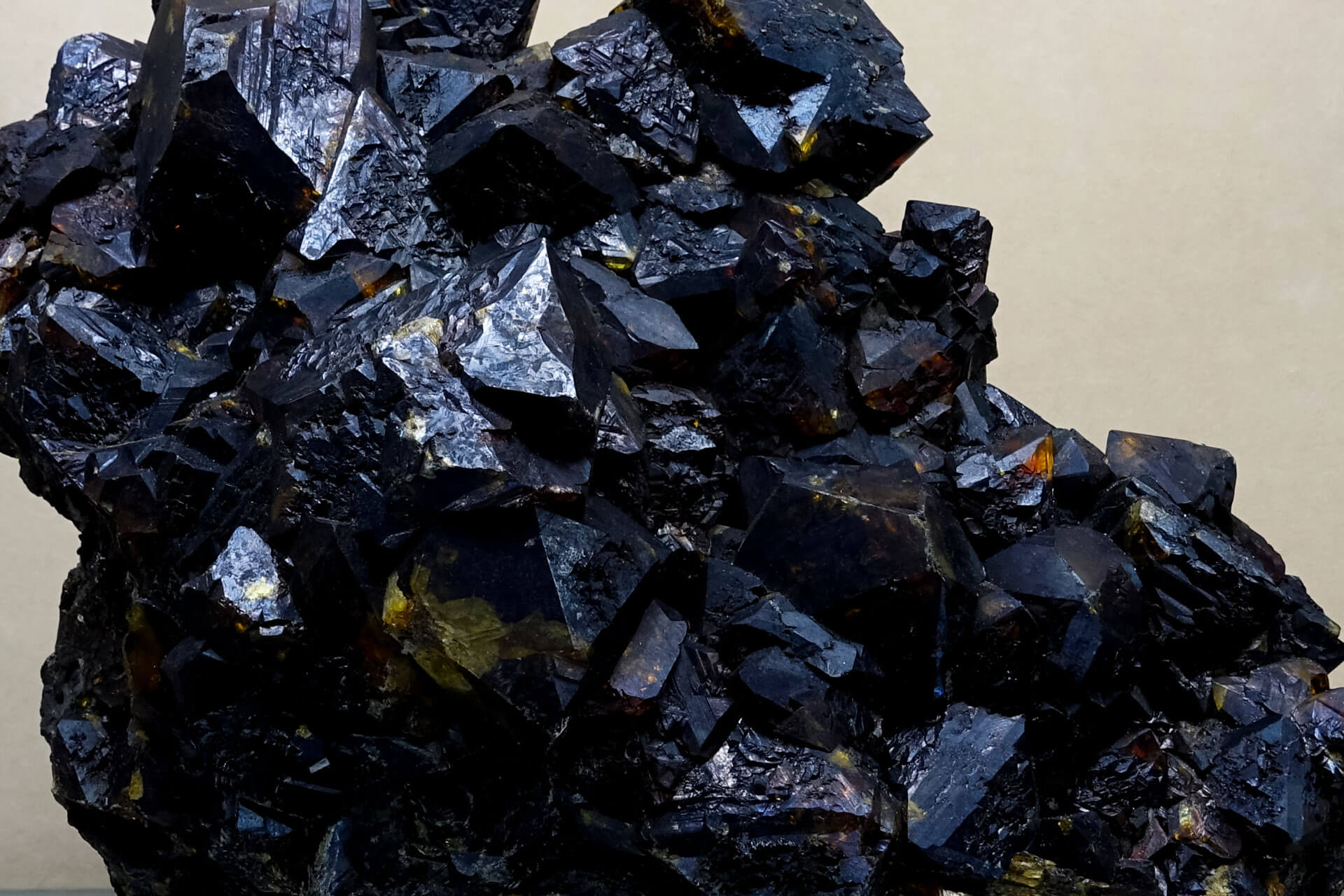
SHANGHAI, Jul 25 (SMM) - China imported a total of 6,786 mt of rare earth ore in June, up 55.3% from the previous month.
The import volume of light rare earth ore increased significantly. Among them, the import volume of rare earth metal ore was 6,786 mt, up 82.2% month-on-month, all of which came from the United States. In May, affected by volatile international environment, the import volume fell sharply, which gradually recovered in June.
In June, the import volume of middle and heavy rare earth ore dropped slightly month-on-month, of which 460 mt of unlisted rare earth oxides were imported, and 233 mt were imported from Myanmar; and only 101 mt of mixed rare earth carbonates were imported. China-Myanmar boarder port opened at the end of April, and a large number of auxiliary materials were imported by Myanmar. But mine production was low amid the rainy season and as the mining activities just resumed. The ion ore produced earlier has already been imported, so the import volume in June fell month-on-month. At present, the mines in Myanmar have been operating normally, and the import volume in July is expected to rise MoM.
The import of thorium ore in June was 3,078 mt, up 31.8% from the previous month. The ore is mainly imported from Vietnam and Thailand, with a volume of 1,607 mt and 1,260 mt respectively. Due to the low import volume of Myanmar ore in the second quarter and the high domestic dependence on imports, the demand for thorium ore increased.
In addition, 2,535 mt of other rare earth fluorides were imported in June, up 44.4% month-on-month, all of which came from the United States. In June, China exported 4,692 mt of rare earth permanent magnets, a drop of 3.77% month-on-month and an increase of 11.25% year-on-year; the unit export price was $81.9/kg, down 1.5% month-on-month and a substantial increase of 46.9% year-on-year.
Affected by domestic and foreign pandemics as well as the general environment, the demand across the downstream industry chain has been weak. The downstream consumption fields of rare earth mainly include new energy vehicles, wind power generation, consumer electronics, energy-saving elevators, inverter air conditioners, etc. The production and sales of new energy vehicles rose month-on-month in June, and demand increased. The demand for rare earth permanent magnets in other fields contracted. Orders received by some magnetic material companies decreased, hence the operating rates declined. Compared with May, overseas rare earth permanent magnet order deliveries dropped as a whole. The top three destinations of Chinese permanent magnets are Germany, South Korea and the US, taking up 15%, 15% and 13% of China’s total exports respectively. The exports to these three countries stood at 689 mt, 660 mt and 597 mt respectively, up -9.5%, 25.4% and -4.7% MoM. Overseas dependence on China's rare earth permanent magnets is relatively high. At present, as the pandemic prevention becomes a new normal, and foreign countries start their summer break, the overall export orders contracted slightly month-on-month, but there was still an increase year-on-year.
In April, the export volume of PrNd alloy was only 32 mt, down 20% from the previous month, and that of PrNd oxide was 40 mt, up 82% MoM. Most of the PrNd oxide and alloy were exported to Japan. Compared with rare earth permanent magnets, the export volume of major raw materials such as PrNd oxide and alloy was quite low. Due to the underdevelopment of the overseas rare earth industry chain, the development environment is complex and the progress is slow although there are many projects under construction. At present, the dependence on China's rare earth permanent magnets is still very high.
In June 2021, the monthly average price of PrNd alloy, the main raw material of rare earth permanent magnets, was 580,000 yuan/mt. By June 2022, the monthly average price rose to 1.15 million yuan/mt, an increase of 98%. Affected by the sharp rise in raw material prices, the unit export price of rare earth permanent magnet also rose sharply year-on-year.
![Los precios fuera de China se mantuvieron estables esta semana, con aprobaciones y fusiones avanzando en el lado de los recursos [Revisión semanal de tierras raras fuera de China de SMM]](https://imgqn.smm.cn/usercenter/rqOXm20251217171744.jpeg)