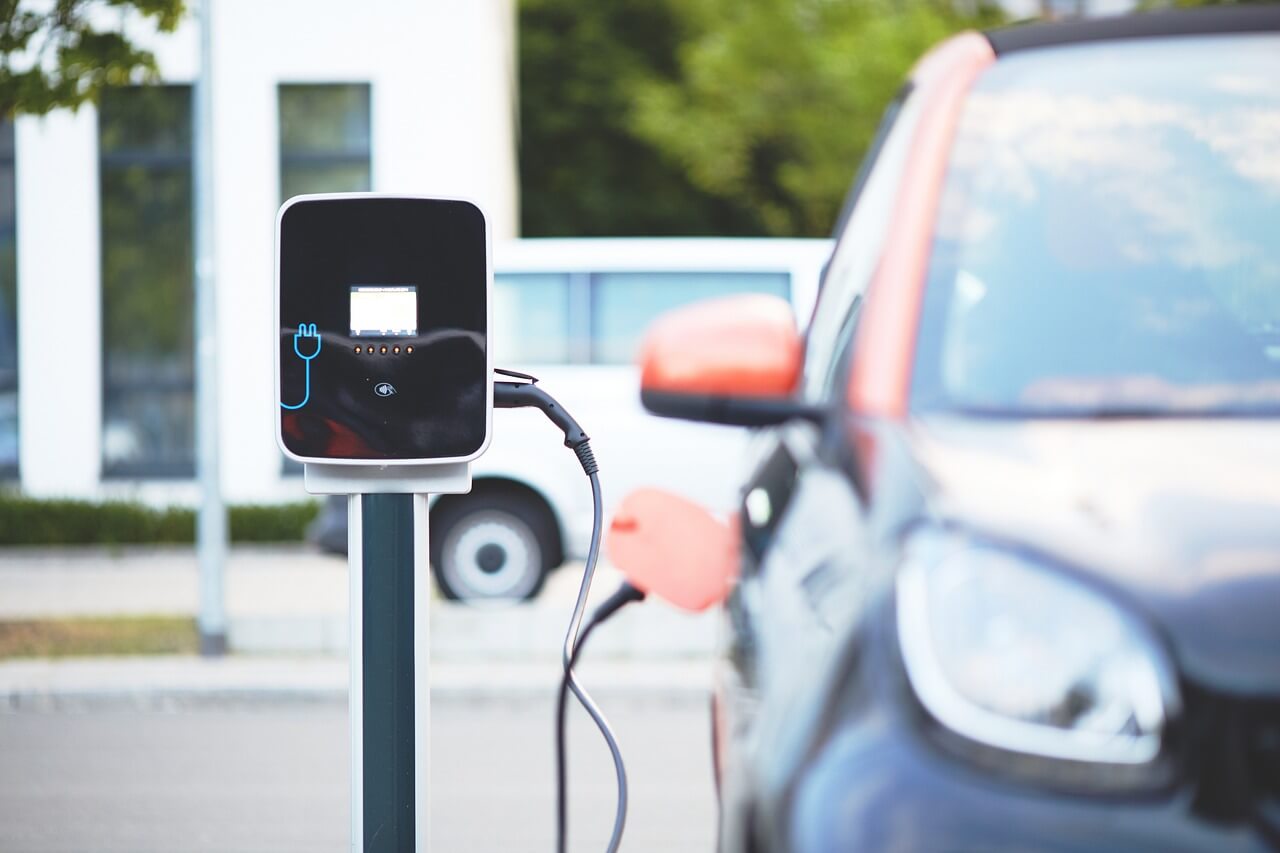
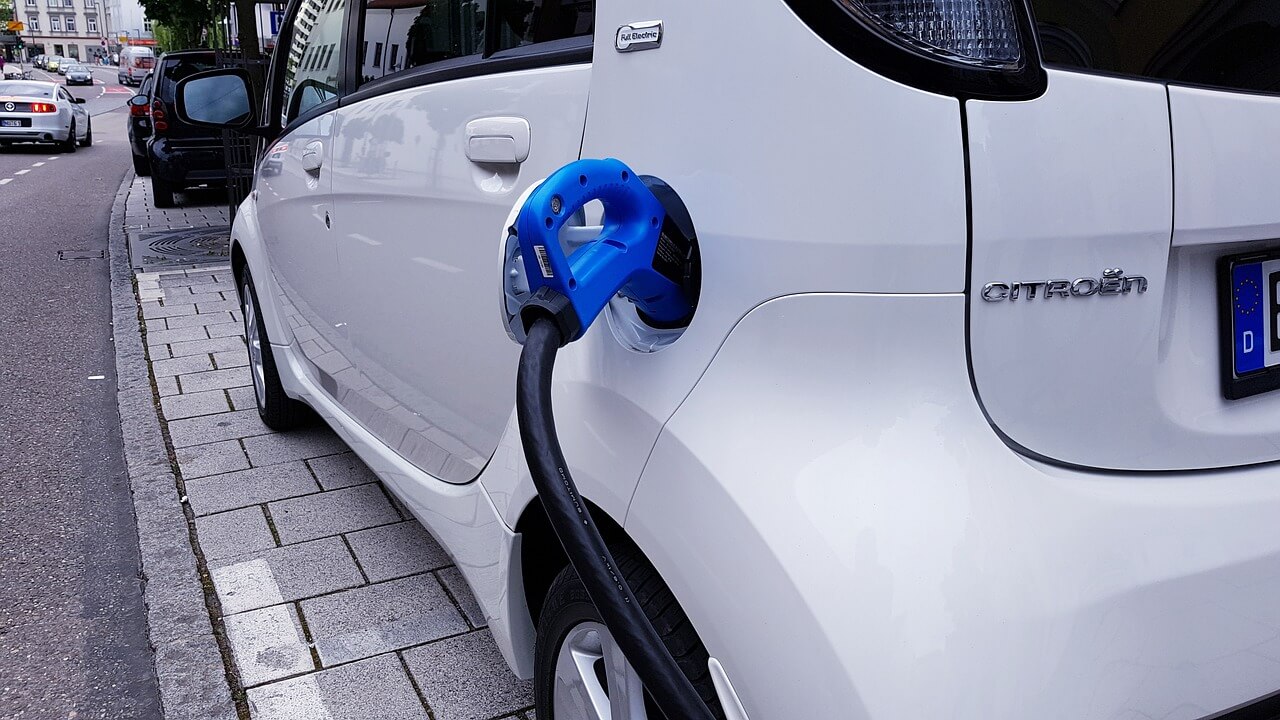
SHANGHAI, Mar 24 (SMM) – Foreign carmakers Daimler, Volkswagen, Volvo and Tesla have announced to shut down some of their factories for 10-15 days in response to the COVID-19 pandemic. Production disruption in the European market, the global top consumer of new energy vehicles, will likely significantly hit China's exports of power batteries.
The downstream digital market has gradually resumed in China, while uncertainties remain around the situations overseas. China’s exports of lithium manganese oxide (LMO) batteries, which are widely used in electric tools and power banks, have felt the coronavirus impact as some export destination countries have imposed entry bans and lockdowns to contain the virus.
Last week, bearish sentiment continued to prevail in the cobalt market, which depressed downstream purchases and added to upstream inventory pressure. Sluggish demand reduced prices of battery-grade lithium carbonate, which were underpinned by costs, while fundamentals supported prices of industrial-grade lithium carbonate.
The widespread coronavirus has deterred production of NEVs in the European countries, and this may impact the global prospects for NEV production and take a toll on the consumption of raw materials. Meanwhile, automakers in Japan and South Korea have maintained normal operations so far.
Producers of battery raw materials may further cut prices to clear inventories in the weeks ahead amid sustained pessimistic sentiment if the COVID-19 outbreak overseas failed to be effectively contained.
Prices of refined cobalt accelerated their declines in the week ended March 20, falling 10,000 yuan/mt from the previous week to 250,000-265,000 yuan/mt, while prices of cobalt hydroxide held stable at $9.8-10.6/lb, SMM assessed.
Escalations in the overseas development of virus hurt downstream demand and reduced overseas prices of refined cobalt. Major refined cobalt producers in China were compelled to cut prices, but this barely improved trades as market participants remained on the sidelines. Quotes of cobalt hydroxide continued to weaken, while shipments at foreign ports maintained normal. Downstream buyers had enough inventories and withheld from purchasing.
SMM assessed the average prices of cobalt sulphate at 48,000-51,000 yuan/mt last week and prices of cobalt chloride at 59,000-62,000 yuan/mt, down 4,000 yuan/mt and 3,500 yuan/mt, respectively, from a week ago. Prices of battery-grade nickel sulphate lost 1,250 yuan/mt on the week to 22,500-23,000 yuan/mt.
Downstream consumers continued to postpone their purchases of cobalt and nickel salts. Inventories of cobalt salts finished products accumulated as only some producers of ternary precursor and cathode materials restocked small accounts of cobalt salt last week. Prices could further trend downsides in a buyers’ market. Nickel salts prices slid on the backdrop of unstable nickel prices, weak demand and producers’ cash-in inclination.
According to SMM assessments, prices of cobalt (II, III) oxide fell 6,000 yuan/mt on the week to 198,000-205,000 yuan/mt, on the back of increased inventories and declines in cobalt salt prices.
Producers of cobalt (II, III) oxide showed more willingness to destock while consumers continued to delay purchases, which may expand the downside room in prices this week.
SMM assessed prices of ternary precursor NCM523 at 80,000-84,000 yuan/mt for the week ended March 20, down 2,500 yuan/mt from the prior week, with prices of NCM622 dipping 500 yuan/mt to 87,000-91,000 yuan/mt.
The pandemic-fueled plunges in cobalt and nickel prices weighed on prices of ternary precursor last week. Demand from the power battery market has yet to recover. This drove some precursor producers to shift to the digital market, and resulted in an oversupply. SMM see further downside risks in precursor prices as cobalt and nickel prices struggle to recover.
SMM assessed prices of battery-grade lithium carbonate 500 yuan/mt lower on the week, standing at 47,000-50,000 yuan/mt, with prices of industrial-grade materials stabilising at 38,000-42,000 yuan/mt.
Amid a further delay in demand recovery in the power battery market, producers of battery-grade lithium carbonate tended to sign long-term contracts to lock in profits, but downstream buyers only purchased as required on concerns about price development. Costs underpinned prices of battery-grade lithium carbonate. Some producers of industrial-grade lithium carbonate in Qinghai signed long-term contracts, while some producers held cargoes back from the market.
SMM assessed prices of battery-grade lithium hydroxide (coarse particle) unchanged on the week at 53,000-59,000 yuan/mt.
Major producers of high-nickel cathode materials reported weaker-than-expected orders as producers of NEVs equipped with high-nickel batteries delayed their resumption. Ternary materials plants in China retained their estimates of high-nickel materials demand for the whole year.
Prices of LCO, which is used to produce 4.35V batteries, lost 2,500 yuan/mt from a week ago to 215,000-225,000 yuan/mt.
Downstream battery plants had finished the latest round of restocking. This, together with reduced prices of raw materials, saw LCO prices give up increase from the prior week. LCO producers were also cautious about restocking.
Prices of ternary material NCM523 declined 1,000 yuan/mt last week, to 124,000-136,000 yuan/mt, with prices of NCM622 flat at 145,000-153,000 yuan/mt, SMM assessed.
Like ternary precursor plants, ternary material producers also expanded production of NCM523 used in the digital sector, in anticipations of significant demand resumption. Fluctuated prices of cobalt and nickel kept some ternary material producers from providing offers, as they awaited raw materials prices to stabilise.
SMM assessments showed that prices of LFP used in power batteries flat on the week at 39,000-42,500 yuan/mt.
Demand from the power storage market was brisk, but the consumption of LFP accounted for a limited small share, with consumers demanding lower prices below 38,000 yuan/mt. An increase in demand from the NEV sector has not emerged.
Prices of LMO used in high-energy-density lithium-ion batteries and prices of LMO used in power batteries remained unchanged on the week, at 22,000-31,000 yuan/mt and 34,500-36,500 yuan/mt, respectively.
SMM expects subdued overseas demand amid the COVID-19 outbreak may lead to intensified competition in the domestic LMO market in the weeks ahead.
![Serie sobre baterías de estado sólido para la próxima década, parte 7 de 9: panorama competitivo global: la "guerra de patentes en la sombra" y la carrera por la industrialización entre China, Japón y Corea del Sur [Análisis de SMM]](https://imgqn.smm.cn/usercenter/MyEcZ20251217171727.jpg)