Kangping County Signs RMB3.5 Billion Wind-Solar-Hydrogen Integrated Green Alcohol-Oil Project with CAS Liquid Sunshine
Recently, Zhu Lianshun, deputy county head of Kangping County, Shenyang, and Han Difei, chairman of Liquid Sunshine (Suzhou) Hydrogen Energy Technology Development Co., Ltd., signed the Investment Agreement for the National Artificial Photosynthesis Bio-manufacturing Industrial Base Project at Zhanye Building in Suzhou Industrial Park.The wind-solar-hydrogen integrated biomass green alcohol-oil demonstration project, with a total investment of approximately RMB3.5 billion,has settled in Kangping, moving from preliminary engagement to the substantive implementation phase.
Leveraging CAS Cutting-Edge Technologies, Green Electricity Self-Sufficiency Exceeds 95%
The project is sited in the Kangping Shenyang Biochemical Industrial Park, fully tapping local existing agricultural and forestry waste resources. Corn straw and livestock manure will enter the production chain as core raw materials. The project's technological foundation draws on mature, cutting-edge achievements from the Dalian Institute of Chemical Physics, Chinese Academy of Sciences, including liquid sunshine and artificial starch synthesis from carbon dioxide.
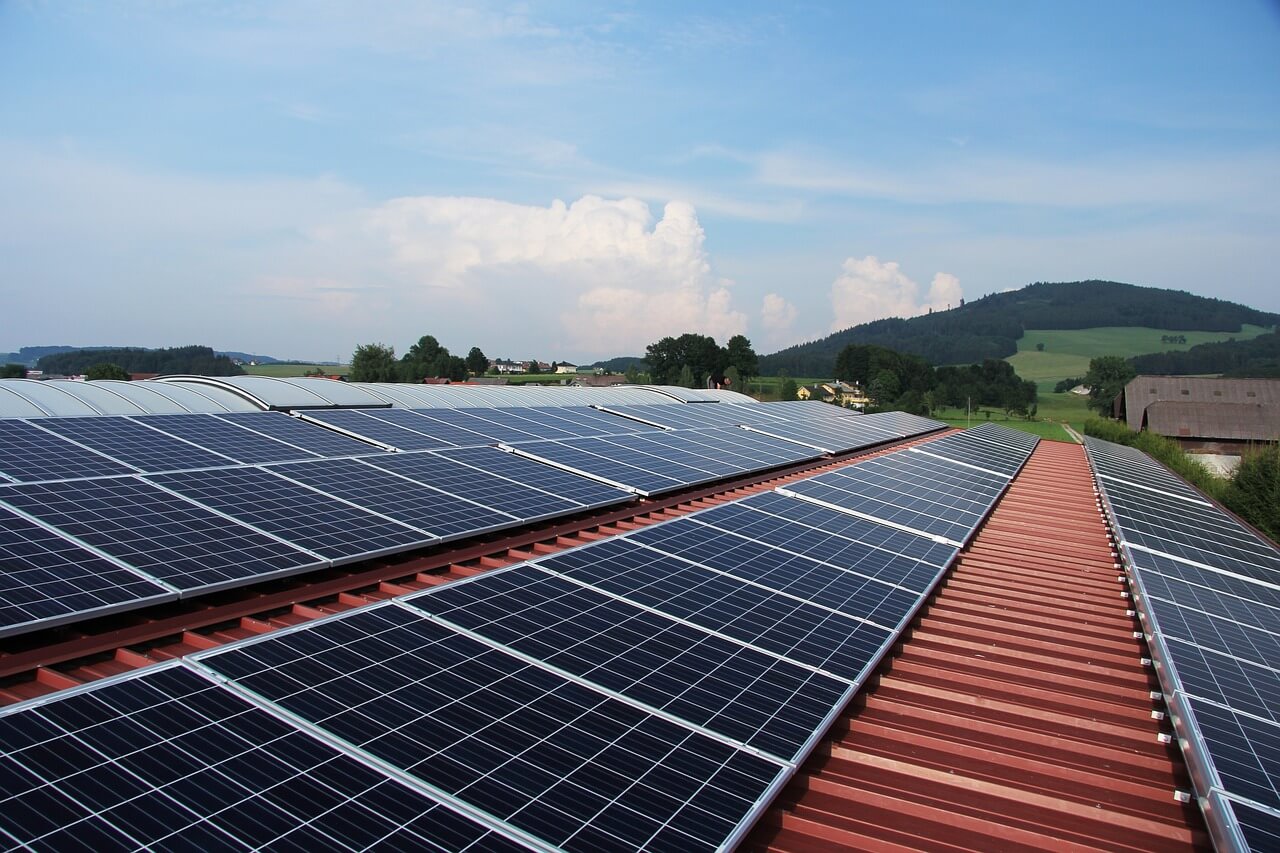
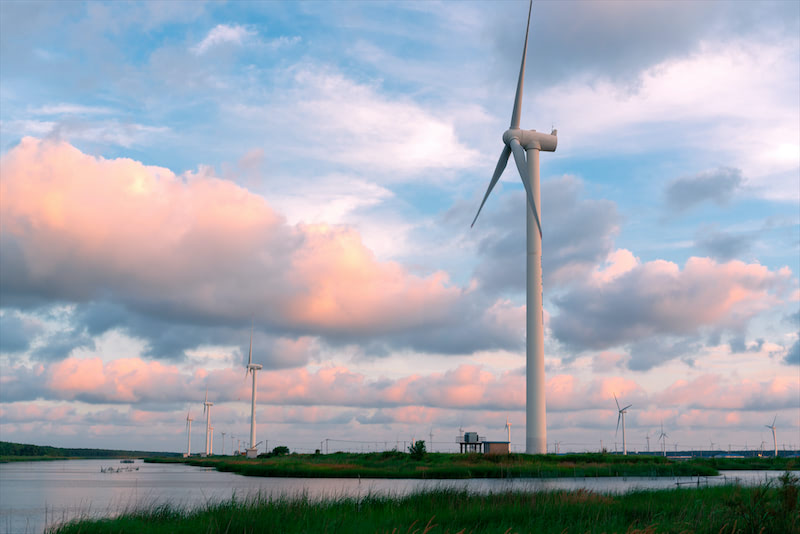
On the energy supply side, the project builds its own wind and solar power sources,with green electricity self-sufficiency exceeding 95% across the entire process,minimising reliance on conventional grid thermal power and safeguarding the low-carbon attributes of its products. The project plans to use 400 mu of land, with a construction period from December 2026 to December 2030. Supporting power supply plans include300 MW of wind power and 100 MW of PV,all adopting a direct-connection, self-generation and self-consumption model to provide clean power support for energy-intensive processes such as hydrogen production by electrolysis and biomass conversion.
Two-Phase Construction, Green Methanol Capacity Reaching 180 kt/a
Phase I involves an investment of approximately RMB2 billion and forms the foundational framework of the entire base. Construction covers a centralised wind and solar power plant, a water electrolysis hydrogen production station,a biomass collection and pre-treatment workshop,biogas fermentation facilities, and a green energy chemical plant, among other supporting infrastructure. Upon completion of Phase I, the base will achieve stable capacity of100 kt/a of green methanol and 100 kt/a of solid organic fertiliser.
Phase II plans to invest RMB1.5 billion, focusing on expanding into high-value-added product segments. New capacity includes 80 kt/a of green methanol and 60 kt/a of solid organic fertiliser, along with an 80 kt/a biodegradable biomass mulch film production line and a kilotonne-scale biomass protein pilot line. Another landmark initiative in Phase II is the application for a national "implement major national strategies and build up security capacity in key areas" kilotonne-scale artificial starch demonstration line. Upon full completion of both phases,the base's total green methanol capacity will reach 180 kt/a.
Annual Carbon Reduction of 270 kt, Creating Approximately 400 Jobs
Once both phases are fully operational, the base will form a composite capacity matrix. In addition to 180 kt/a of green methanol, it will simultaneously produce 80 kt/a of biodegradable biomass mulch film and 160 kt/a of solid organic fertiliser. According to estimates, upon reaching full production, the project's annual output value will exceed RMB900 million, with annual tax revenue of approximately RMB100 million, steadily supporting around400 jobs.
In terms of carbon reduction benefits, the project can achieve270 kt of carbon emission reductions annually.Agricultural and forestry waste is converted into resources on site. Waste that was previously prone to open burning or indiscriminate dumping is now utilised industrially, reducing pollution while sequestering carbon into products such as methanol, mulch film, organic fertiliser, and starch.
This signing marks an important strategic move for CAS Liquid Sunshine in China's hydrogen-based green alcoholisation sector. The enterprise has packaged its complete suite of technologies—liquid sunshine hydrogen production, carbon dioxide conversion, and synthetic biology—and deployed them in a county-level industrial park, moving beyond a singular focus on hydrogen production equipment or green methanol facilities. For Kangping, Liaoning, the project opens a new conversion pathway for local black soil resources, introducing frontier industries such as hydrogen energy and artificial photosynthesis. An industrial ecosystem of green chemicals and synthetic biology will gradually take shape at the county level.