

[Korean Media: Samsung to Use TSMC Technology to Produce Next-Generation Memory Chips for Nvidia]
Data Source Statement: Except for publicly available information, all other data are processed by SMM based on publicly available information, market communication, and relying on SMM's internal database model. They are for reference only and do not constitute decision-making recommendations.
For any inquiries or for more information, please contact: lemonzhao@smm.cn
For more information on how to access our research reports, please contact:service.en@smm.cn
Related News
8 mins ago
[Cornish Tin & Lithium names former Imerys British Lithium senior team to speed tin-lithium project]
Read More
[Cornish Tin & Lithium names former Imerys British Lithium senior team to speed tin-lithium project]
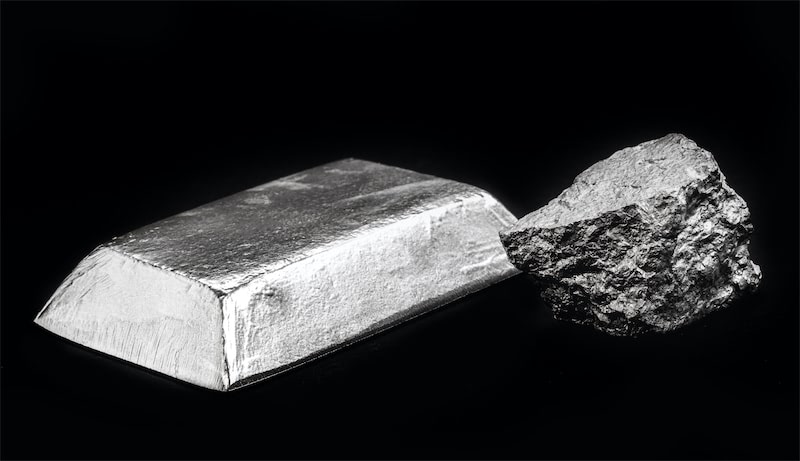
Cornish Tin & Lithium (CTL) appointed four former Imerys British Lithium senior managers on two-year contracts to speed its tin-lithium assets to production. Hanno Buys (20+ years, 70+ projects) was Head of Mining; Ben Cordier, a chartered extractive metallurgy engineer, Head of Process; Caroline Viles, Financial Controller; Gavin Palmer, Head of Project Delivery, who earlier led EPC delivery of a 2.4 billion USD low-carbon chemical plant in Louisiana. The team will first support drilling at Tregonning South, where Phase 3 drilling completed in January 2026 showed lithium mineralisation continuity over 3.27 km; CTL also found a new tin system with over 10 new tin lodes. The Vor Project covers 26 historic tin mines, with 2022-2024 drilling defining 28 high-grade targets peaking at 6.28% tin. CEO Sally Norcross-Webb said the aim is a producing-asset portfolio, prioritising Tregonning South.
8 mins ago
10 mins ago
[Indian researchers turn waste PCB solder into 7.6 nm tin oxide nanoparticles for dye degradation]
Read More
[Indian researchers turn waste PCB solder into 7.6 nm tin oxide nanoparticles for dye degradation]
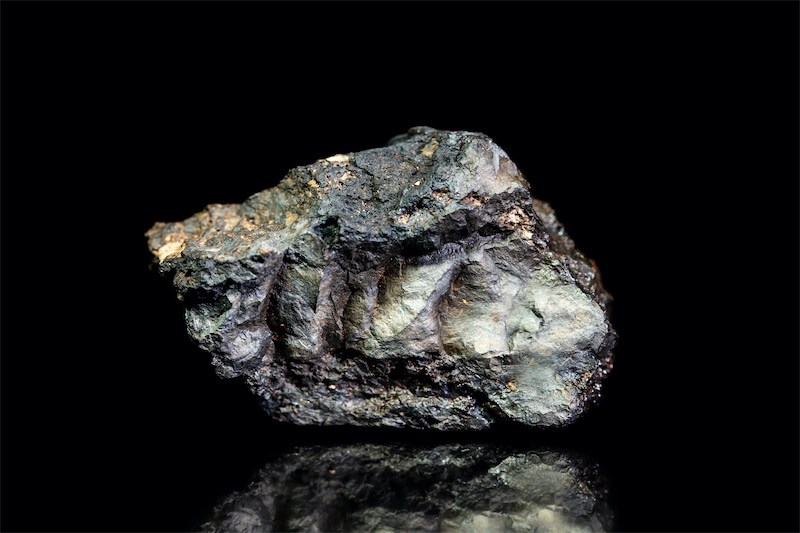
Researchers in Goa, India, have converted tin recovered from waste printed circuit board solder into functional tin dioxide nanoparticles, as reported in the Journal of Nanoparticle Research. Acid leaching brings tin into solution before conversion into nanostructured SnO2. X-ray diffraction confirmed a tetragonal rutile phase and XPS showed tin almost entirely as Sn(IV). Electron microscopy revealed nearly spherical particles averaging 7.6 nm, giving a large surface fraction for photocatalysis. Under UV light, the material removed 100% of Rhodamine B in 165 minutes and cut chemical oxygen demand by 95.2%, indicating near-mineralisation; kinetics were pseudo-first-order with a rate constant of 0.0114 per minute. Efficiency stayed at 91.96% after five cycles.
10 mins ago
50 mins ago
[SMM tin flash: SHFE tin closed up 0.69%, SHFE backwardation structure remains firm]
Read More
[SMM tin flash: SHFE tin closed up 0.69%, SHFE backwardation structure remains firm]
The most-traded SHFE tin contract closed up 0.69% today at 379,980 yuan/mt, with an intraday range of 374,580-384,000 yuan/mt and a turnover of 53.1 billion yuan.
According to SMM's latest weekly data released last Friday (October 16), China's tin ingot social inventory fell to 7,770 mt, with a single-week destocking of 980 mt, and warehouses in all three locations pulled back simultaneously. SHFE tin warrants continued to decline to around 3,280 mt, leaving exchange-deliverable supply tight. The domestic spot market remained in a premium state, with spot prices against the most-traded contract reported at a premium of 2,000 yuan/mt in mid-October, significantly wider than before the holiday, and the backwardation structure in near-month contracts provided spot support to futures.
Core logic: Tin ingot inventories in China and overseas are destocking in tandem to historically low ranges, compounded by slow production resumptions in Wa State, Myanmar, and disruptions from Indonesia's export policies, with the tight spot supply supporting a sustained backwardation structure. Going forward, attention should be paid to the possibility of a deepening backwardation structure on the LME.
50 mins ago
Related News
[Cornish Tin & Lithium names former Imerys British Lithium senior team to speed tin-lithium project]
Oct 19, 2026 17:06 (GMT+8)
[Indian researchers turn waste PCB solder into 7.6 nm tin oxide nanoparticles for dye degradation]
Oct 19, 2026 17:05 (GMT+8)
[SMM tin flash: SHFE tin closed up 0.69%, SHFE backwardation structure remains firm]
Oct 19, 2026 16:25 (GMT+8)

Data: SHFE, DCE market movement (Oct 19)
Oct 19, 2026 16:10 (GMT+8)