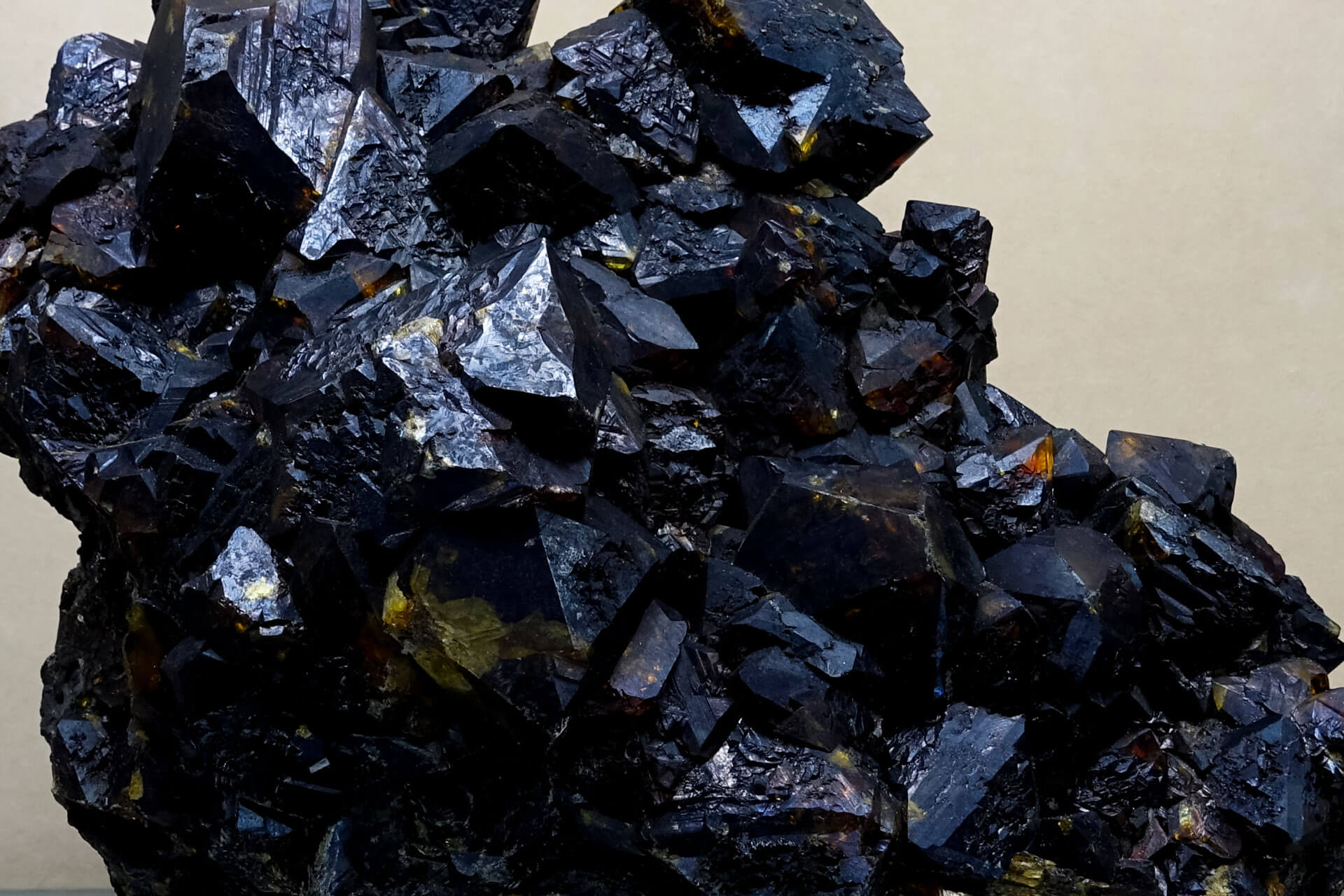
SHANGHAI, Jul 4 (SMM) - In May, China exported 4,876 mt of rare earth permanent magnets, an increase of 5.96% month-on-month and an increase of 15.57% year-on-year; the unit export price was $83.08/kg, an increase of 1.85% month-on-month and a substantial increase of 51.58% year-on-year. The export of rare earth permanent magnets achieved growth in both volume and amount.
Affected by factors such as the domestic pandemic, the downstream demand was sluggish, and the demand in the fields of new energy vehicles, wind power generation, home appliances and consumer electronics was weak, resulting in a decline in the orders received by magnetic material enterprises. There are about 200 magnetic material enterprises in China, most of which are small and medium-sized ones with an annual production capacity of less than 3,000 mt, and the remaining few are listed companies. The orders received by magnetic material enterprises fell to varying degrees. Large-scale magnetic material enterprises were mostly supported by long-term orders, and have the advantages of cost and scale, hence are able to maintain normal production. Some small and medium-sized magnetic material companies had fewer new orders, with production cuts to varying degrees.
Compared with April, overseas rare earth permanent magnet order deliveries have increased as a whole. The top three destinations of Chinese permanent magnets are Germany, the US and South Korea, taking up 17%, 14% and 12% of China’s total exports respectively. The exports to these three countries stood at 762 mt, 627 mt and 527 mt respectively, up 23.79%, 2.90% and -9.51% MoM.
In April, the export volume of PrNd alloy was only 40 mt, down 26% from the previous month, and that of PrNd oxide was only 11 mt, down 38% MoM. Most of the PrNd oxide and alloy were exported to Japan. Compared with rare earth permanent magnets, the export volume of major raw materials such as PrNd oxide and alloy has not grown significantly. Due to the underdevelopment of the overseas rare earth industry chain, the development environment is complex and the progress is slow although there are many projects under construction. At present, the dependence on China's rare earth permanent magnets is still very high.
In May 2021, the monthly average price of PrNd alloy, the main raw material of rare earth permanent magnets, was 625,000 yuan/mt. By May 2022, the monthly average price rose to 1.114 million yuan/tmt, an increase of 78%. Affected by the sharp rise in raw material prices, the unit export price of rare earth permanent magnet also rose sharply year-on-year.
China imported a total of 7,065 mt of rare earth ores in May, a decrease of 18.74% from the previous month. Among them, rare earth metal ore, thorium ore, unlisted rare earth oxide and mixed rare earth carbonate accounted for 53%, 33%, 13% and 1% of the total imports respectively. The main reduction was contributed by light rare earth ores, and the main increase came from thorium ore.
The import volume of light rare earth ore decreased significantly month-on-month, and the imports of rare earth metal ore were 3,725 mt, a drop of 40.5% month-on-month and a year-on-year decrease of 7.58%. Light rare earth ores were mainly imported from MPs in the United States. As the international situation has been complicated, and transportation was increasingly restricted, the rare earth metal ores imports dropped again by 40.5% MoM in May following a MoM reduction of 45% in April.
In May, the import volume of middle and heavy rare earth ore dropped slightly month-on-month, of which 954 mt of unlisted rare earth oxides were imported, and 675 mt were imported from Myanmar; and only 52 mt of mixed rare earth carbonates were imported. Although a large number of auxiliary materials entered Myanmar around end April, it is difficult for the import volume to increase due to the time required for production.
The import of thorium ore in May was 2,334 mt, an increase of 68.59% from the previous month. Among them, thorium ore from Thailand accounted for 81% of China’s total imports, with a volume of 1,890 mt, followed by Nigeria, accounting for 9%, with a volume of 206 mt. At present, the supply of ion ore is still relatively tight. It is unlikely that the ion ore production in Myanmar will increase in the short term. The domestic ion ore projects in Ganzhou are in trail production in an orderly manner, but the total amount is limited. The import volume of thorium ore has been increasing, and the demand prospect is optimistic.
![Giá ngoài Trung Quốc duy trì ổn định trong tuần này, với các phê duyệt và sáp nhập tiến triển về phía nguồn tài nguyên [Đánh giá hàng tuần đất hiếm ngoài Trung Quốc của SMM]](https://imgqn.smm.cn/usercenter/rqOXm20251217171744.jpeg)