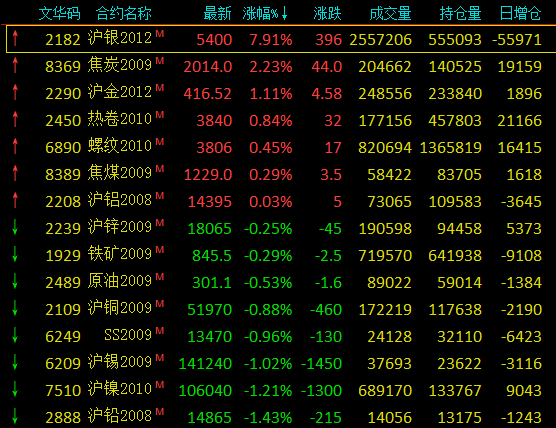
[SMM Daily Review] non-ferrous metals generally fell in Shanghai, lead, nickel and tin fell by more than 1%, coke rose by more than 2%, and the last phase of crude oil went green.

เผยแพร่แล้ว: Jul 23, 2020 16:45 (GMT+8)

SMM7 March 23: most of the non-ferrous metals market fell today. By the end of the day, Shanghai lead fell 1.43%, Shanghai Nickel fell 1.21%, Shanghai Tin fell 1.02%, Shanghai Copper fell 0.88%, Shanghai Zinc fell 0.25%, Shanghai Aluminum rose 0.03%, copper. Since mid-May, LME inventory has continued to decline. As of July 22, LME copper inventory dropped to 145000 tons, nearly 50% lower than in mid-May. Among them, inventory fell to 4500 tons in Asia, 98500 tons in Europe and 42000 tons in America. The proportion of written-off warehouse receipts has risen to more than 50%, of which the proportion of written-off warehouse receipts in Asian warehouses is as high as 94.44%. The space for destocking in Asia has been reduced to a historical position, and the amount of deliverable in the short term is very limited. Recently, supply problems have been simmering in major copper-producing countries in South America, a strike by copper miners in Chile is still simmering, and protesters in Peru recently attacked a convoy at the Las Bambas copper mine. SMM expects imports of copper to decrease month-on-month in August, and import parity may open up opportunities.

[SMM Analysis] LME copper inventory continues to decline overseas consumption recovery, recently there are goods arriving in Hong Kong, rising discount is under pressure.

In terms of black, thread rose 0.45%, hot coil rose 0.84%, stainless steel fell 0.96%, coke rose 2.23%, coke rose 0.29%, iron ore fell 0.29%. According to SMM research, the operating rate of blast furnace in the fourth week of July was 90.07%, down 0.23% from last week. The reduction mainly comes from the overhaul of blast furnaces affected by flooding in some steel mills. It is estimated that the operating rate of blast furnace is expected to be high and stable next week. In the past week, there has been a lot of rain, which has led to the high water level of the Yangtze River. as a result, some docks along the line have been sealed, the transportation of raw materials and finished materials have been affected to a certain extent, and some steel mills have carried out maintenance of blast furnaces. The relationship between supply and demand has improved significantly, and the domestic financial market has rebounded sharply after a sharp fall in the previous few days, boosting market sentiment. It is expected that in the short term, due to the positive macro aspects and improved fundamentals, the market is expected to run strongly, but we need to be aware of the risk of rising and falling caused by the negative short-term news and the rapid rise of the disk.

[SMM Steel Analysis] the operating rate of transport blast furnace affected by flood fell again

Last week, crude oil and distillate stocks in the United States unexpectedly increased and fuel demand fell, as a sharp increase in cases of new crown virus infection hit fuel consumption in the United States, the last issue of crude oil fell 0.53%, the JEIA said on Wednesday. Some analysts said that under normal circumstances, fuel stocks would be largely digested, but the surge in the number of new crown cases has strangled the strength of sha's recovery. The oil market reacted unexpectedly calmly to the unexpected increase in crude oil stocks announced by the EIA and the escalation of tensions between the United States and China.

As of today's day close:
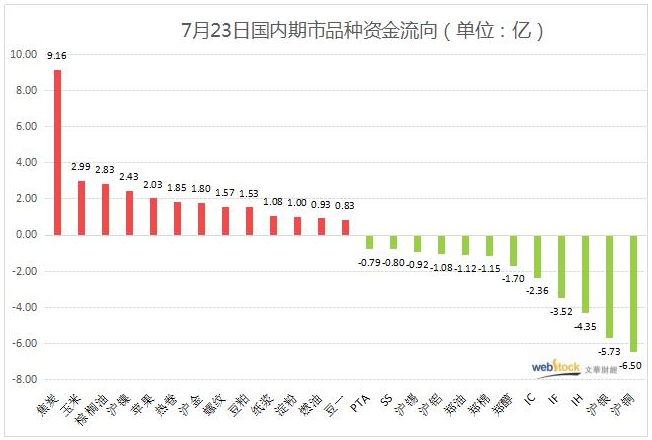
Today's capital flow

The domestic commodity market as a whole is still dominated by net capital inflows, with a net inflow of 1.515 billion yuan into the Mandarin Commodity Index. The black department was once again popular with funds, with an inflow of 1.276 billion yuan, of which a sharp rise in coke received 916 million additional funds. The corn broke out suddenly, gaining 89000 hands to increase the position, and the inflow of capital was nearly 300 million yuan. Non-ferrous plate continued to adjust, 589 million funds continued to flee. Precious metal plate showed signs of profit flight, outflow of 393 million yuan, of which Shanghai Bank suffered 74500 holdings reduction, outflow of 573 million yuan.
A brief comment on SMM analysts on July 23rd

Copper: today, the main force of Shanghai copper opened at 51950 yuan / ton in the morning. after the opening, the center of gravity of copper price fluctuated narrowly around 51920 yuan / ton position, and then declined due to more flat entry into the disk, and explored the intraday low of 51590 yuan / ton position. Copper prices rebounded at a low level, with the center of gravity rising about 100 yuan / ton to close at 51750 yuan / ton at noon. Opening in the afternoon, Shanghai Copper was operating smoothly near the 51710 yuan / ton first line. Near the end of the day, bullish copper prices rose to close at 51970 yuan / ton, down 460 yuan / ton today, or 0.88%. During the day, 09 contracts reduced positions by 2190 to 118000, mainly by long positions, while trading volume increased by 23000 to 172000. 08 during the contract day, positions were reduced by 2763 to 75000, mainly by long positions, while trading volume decreased by 19000 to 72000. Copper in Shanghai fell today, mainly as escalating tensions between China and the United States hit market optimism. Last night, under the influence of the US political provocation demanding the closure of the Chinese consulate in Houston, the copper night market in Shanghai opened low and the center of gravity shifted somewhat. Tensions between China and the United States continued to grow, investors were unnerved by new diplomatic disputes, and risk aversion rebounded to weigh on copper prices. Today, Shanghai copper negative, KDJ opening expansion, but there are still 5, 10-day moving average adhesion to the bottom. Wait for the outer disk guidelines at night to test whether the bulls can push again to support copper prices to continue to rise and stand firm at the 52000 mark.

Aluminum:

Lead: within a day, the 2009 contract for Shanghai lead is opened at 14835 yuan / ton. In early trading, Shanghai lead adjusted horizontally between the intraday moving average and the 20-day moving average. in the afternoon, Shanghai lead continued to fluctuate, with long and short games fierce, with high positions reaching 14915 yuan / ton and low positions reaching 14820 yuan / ton, basically getting rid of night lows. At the end of the day, it closed at 14850 yuan / ton, down 130 yuan / ton, down 0.87%, the position increased by 929 to 22654, and the trading volume increased to 20791. Shanghai lead closed at Erlianyin, generally supported by the 20-day moving average, the low adjustment of the pressure-bearing daily average is mainly, the KDJ index is exposed downwards again, while the 10-day moving average above is bent down, the pressure becomes heavier, and the technical surface has a negative trend, but considering the fundamental cost support of regenerated lead, and the downstream trading activity is better, it is expected that Shanghai lead will still test the support strength of the 20-day moving average at night.

Zinc:

Nickel:

Tin:

< updating >

"Click to sign up: 2020 Tin Industry chain Trading Summit

คำชี้แจงแหล่งที่มาของข้อมูล: นอกจากข้อมูลที่เปิดเผยต่อสาธารณะแล้ว ข้อมูลอื่นๆ ทั้งหมดได้รับการประมวลผลโดย SMM จากข้อมูลสาธารณะ การสื่อสารกับตลาด และการพึ่งพาแบบจำลองฐานข้อมูลภายในของ SMMข้อมูลเหล่านี้มีไว้เพื่ออ้างอิงเท่านั้น ไม่ถือเป็นข้อเสนอแนะในการตัดสินใจ

หากมีข้อสงสัยหรือต้องการทราบข้อมูลเพิ่มเติม กรุณาติดต่อ: lemonzhao@smm.cn
หากต้องการข้อมูลเพิ่มเติมเกี่ยวกับวิธีการเข้าถึงรายงานการวิจัยของเรา โปรดติดต่อ:service.en@smm.cn
ข่าวที่เกี่ยวข้อง
Selkirk Copper ตั้งเป้ารีสตาร์ทเหมือง Minto ในช่วงครึ่งหลังของปี 2028 หลังผลการประเมินเศรษฐกิจเบื้องต้นเป็นบวก
1 ชั่วโมงที่แล้ว
Selkirk Copper ตั้งเป้ารีสตาร์ทเหมือง Minto ในช่วงครึ่งหลังของปี 2028 หลังผลการประเมินเศรษฐกิจเบื้องต้นเป็นบวก
อ่านเพิ่มเติม
Selkirk Copper ตั้งเป้ารีสตาร์ทเหมือง Minto ในช่วงครึ่งหลังของปี 2028 หลังผลการประเมินเศรษฐกิจเบื้องต้นเป็นบวก
เหมืองทองแดงเซลเคิร์กได้วางแนวทางการกลับมาดำเนินงานของเหมืองมินโตซึ่งเคยผลิตทองแดง-ทองคำ-เงินในยูคอน ประเทศแคนาดา หลังจากการประเมินเศรษฐกิจเบื้องต้นเสร็จสิ้น ซึ่งสนับสนุนการผลิตหัวแร่ชุดแรกในช่วงครึ่งหลังของปี 2571 การประเมินดังกล่าวระบุอายุเหมือง 13 ปี โดยใช้การทำเหมืองแบบเปิดและใต้ดินร่วมกัน ออกแบบให้มีอัตราการขุดและบดเฉลี่ย 4,100 ตันต่อวัน ที่กำลังการผลิตสูงสุด โครงการคาดว่าจะผลิตทองแดงเทียบเท่าในหัวแร่ประมาณ 27,200 ตันต่อปี หรือเทียบเท่าหัวแร่ทองแดง-ทองคำ-เงินเกรดสูงประมาณ 48,700 ตันต่อปี เงินลงทุนเริ่มต้นที่ต้องใช้เพื่อกลับมาผลิตอยู่ที่ประมาณ 186 ล้านดอลลาร์แคนาดา โดยใช้ราคาวางแผนของการศึกษาที่ทองแดง 5.00 ดอลลาร์สหรัฐต่อปอนด์ ทองคำ 3,600 ดอลลาร์สหรัฐต่อออนซ์ และเงิน 50 ดอลลาร์สหรัฐต่อออนซ์ การประเมินประมาณมูลค่าปัจจุบันสุทธิหลังหักภาษีที่อัตราคิดลด 7% ไว้ที่ 494 ล้านดอลลาร์แคนาดา อัตราผลตอบแทนภายในหลังหักภาษี 47.8% และระยะเวลาคืนทุนประมาณ 1.9 ปีนับจากการผลิตครั้งแรก มินโตได้ประโยชน์จากโครงสร้างพื้นฐานเดิมจำนวนมากจากการดำเนินงานก่อนหน้า รวมถึงโรงแต่งแร่ 4,100 ตันต่อวัน ตลอดจนโครงสร้างพื้นฐานของเหมืองเปิดและใต้ดินที่มีอยู่ เซลเคิร์กคอปเปอร์ระบุว่าการประเมินโครงสร้างพื้นฐานและอุปกรณ์เดิมของพื้นที่พบว่าส่วนใหญ่ยังอยู่ในสภาพใช้งานได้ดี และต้องการเพียงการดูแลและปรับปรุงเล็กน้อยเท่านั้น บริษัทตั้งเป้าการผลิตหัวแร่ชุดแรกในครึ่งหลังของปี 2571 ตามด้วยการเพิ่มกำลังการผลิตเต็มรูปแบบของการขุด การบด และการผลิตหัวแร่ภายในครึ่งแรกของปี 2572 การศึกษาความเป็นไปได้มีกำหนดเริ่มในไตรมาสที่ 4 ปี 2569 ขณะที่คำขอใบอนุญาตแก้ไขคาดว่าจะยื่นในช่วงไตรมาสที่สี่เช่นกัน เซลเคิร์กคอปเปอร์ระบุว่าการตัดสินใจกลับมาดำเนินงานตั้งเป้าไว้หลังการศึกษาความเป็นไปได้เสร็จสิ้นและได้รับใบอนุญาตแก้ไขในครึ่งหลังของปี 2570 การประเมินของมินโตชี้ให้เห็นแนวทางที่เป็นไปได้สำหรับเหมืองทองแดงที่เคยผลิตมาก่อนที่จะกลับเข้าสู่ตลาดภายในปี 2571 โดยมีโครงสร้างพื้นฐานด้านการแปรรูปและการทำเหมืองเดิมช่วยลดความต้องการเงินทุนและการก่อสร้างเมื่อเทียบกับโครงการใหม่ อย่างไรก็ตาม ตัวเลขการผลิตสูงสุด 27,200 ตันต่อปีเป็นทองแดงเทียบเท่าในหัวแร่ ไม่ใช่ทองแดงบริสุทธิ์เพียงอย่างเดียว การกลับมาดำเนินงานยังขึ้นอยู่กับการศึกษาความเป็นไปได้เพิ่มเติม ใบอนุญาต และการดำเนินโครงการ ทำให้ความคืบหน้าสู่การตัดสินใจกลับมาดำเนินงานในครึ่งหลังของปี 2570 เป็นจุดสำคัญที่ต้องจับตามอง
1 ชั่วโมงที่แล้ว
เหมืองทองแดงชูดีตั้งเป้าเริ่มทำเหมืองอีกครั้งในนามิเบียช่วงต้นปี 2027
1 ชั่วโมงที่แล้ว
เหมืองทองแดงชูดีตั้งเป้าเริ่มทำเหมืองอีกครั้งในนามิเบียช่วงต้นปี 2027
อ่านเพิ่มเติม
เหมืองทองแดงชูดีตั้งเป้าเริ่มทำเหมืองอีกครั้งในนามิเบียช่วงต้นปี 2027
บริษัท คอนโซลิเดเต็ด คอปเปอร์ คอร์ป (CCC) ตั้งเป้าหมายกลับมาเดินเครื่องเหมืองเปิดที่เหมืองทองแดง Tschudi ทางตอนเหนือของนามิเบียอีกครั้งในช่วงต้นปี 2570 โดยต้องใช้เงินลงทุนเพื่อการพัฒนาประมาณ 30–40 ล้านดอลลาร์สหรัฐ เพื่อนำการทำเหมืองกลับมาดำเนินการอีกครั้ง ภายใต้แผนการรีสตาร์ตด้วยกระบวนการชะละลายแบบกอง (heap-leach) คาดว่า Tschudi จะมีกำลังการผลิตแคโทดทองแดงในอัตราต่อเนื่องมากกว่า 14,000 ตันต่อปี ตลอดอายุเหมืองเบื้องต้น 10 ปี CCC คาดว่าจะจัดทำการศึกษาความเป็นไปได้ขั้นสุดท้ายสำหรับการรีสตาร์ตการทำเหมืองแบบชะละลายกองแล้วเสร็จในเดือนกันยายน 2569 โดยตั้งเป้าเริ่มการทำเหมืองเปิดอีกครั้งในช่วงต้นปี 2570 แผนการรีสตาร์ตดังกล่าวเกี่ยวข้องเฉพาะการทำเหมืองเปิดที่ Tschudi เท่านั้น กระบวนการผลิตทองแดงได้กลับมาดำเนินการแล้วในปี 2567 โดยใช้กองแร่สำรองที่มีอยู่เดิม โดย CCC รายงานปริมาณการผลิตแคโทดทองแดงที่ได้มาตรฐาน LME Grade A มากกว่า 7,600 ตัน ณ เดือนมิถุนายน 2569 ก่อนหน้านี้ Tschudi เคยผลิตแคโทดทองแดงได้ประมาณ 75,000 ตัน ระหว่างปี 2558 ถึง 2563 ก่อนถูกปิดรักษาสภาพเหมือง ปัจจุบันเหมืองมีโครงสร้างพื้นฐานด้านการแปรรูปที่สำคัญอยู่แล้ว รวมถึงโรงงานสกัดด้วยตัวทำละลายและชุบโลหะด้วยไฟฟ้า (SX/EW) กำลังการผลิต 2.88 ล้านตันต่อปี ตามข้อมูลของ CCC เงินลงทุนเพื่อการรีสตาร์ต 30–40 ล้านดอลลาร์สหรัฐจะใช้เป็นหลักสำหรับการสูบน้ำออกจากเหมือง การระดมและถอนกำลังอุปกรณ์ทำเหมือง โรงบดแร่เคลื่อนที่ และการพัฒนาลานชะละลาย CCC ยังอยู่ระหว่างศึกษาการขยายกำลังการผลิตขนาดใหญ่ขึ้นโดยมุ่งเป้าไปที่แหล่งแร่ซัลไฟด์ของ Tschudi แนวคิดดังกล่าวรวมถึงการก่อสร้างโรงแต่งแร่แบบลอยตัว (flotation) กำลังการผลิต 3 ล้านตันต่อปี ควบคู่ไปกับการดำเนินงาน SX/EW ที่มีอยู่เดิม ซึ่งอาจเพิ่มกำลังการผลิตเฉลี่ยต่อปีเป็นประมาณ 30,000 ตันทองแดงเทียบเท่า ตลอดระยะเวลามากกว่า 10 ปี การขยายกำลังการผลิตดังกล่าวยังอยู่ระหว่างการศึกษาและแยกออกจากแผนการรีสตาร์ตการทำเหมืองแบบชะละลายกอง การรีสตาร์ตการทำเหมืองเปิดที่ Tschudi ตามแผนอาจช่วยเสริมความมั่นคงด้านอุปทานทองแดงของนามิเบีย โดยสนับสนุนกำลังการผลิตแคโทดในอัตราต่อเนื่องมากกว่า 14,000 ตันต่อปี หากโครงการดำเนินไปตามกำหนดการ โครงสร้างพื้นฐาน SX/EW ที่มีอยู่เดิมและความต้องการเงินลงทุนเพื่อการรีสตาร์ตที่ค่อนข้างต่ำเพียง 30–40 ล้านดอลลาร์สหรัฐ อาจช่วยให้กลับมาทำเหมืองได้เร็วกว่าเมื่อเทียบกับการพัฒนาโครงการใหม่ทั้งหมด อย่างไรก็ตาม การรีสตาร์ตในช่วงต้นปี 2570 ยังคงเป็นเป้าหมายของบริษัท โดยการจัดทำการศึกษาความเป็นไปได้ขั้นสุดท้ายให้แล้วเสร็จและการระดมกำลังเข้าพื้นที่เหมืองในลำดับถัดไป ถือเป็นหมุดหมายสำคัญที่ต้องจับตามอง
1 ชั่วโมงที่แล้ว
KCM เปิดเดินเครื่องโรงถลุง Nchanga อีกครั้ง หลังการฟื้นฟูมูลค่า 40 ล้านดอลลาร์สหรัฐ
1 ชั่วโมงที่แล้ว
KCM เปิดเดินเครื่องโรงถลุง Nchanga อีกครั้ง หลังการฟื้นฟูมูลค่า 40 ล้านดอลลาร์สหรัฐ
อ่านเพิ่มเติม
KCM เปิดเดินเครื่องโรงถลุง Nchanga อีกครั้ง หลังการฟื้นฟูมูลค่า 40 ล้านดอลลาร์สหรัฐ
คอนคอปเปอร์ไมนส์ (KCM) ได้กลับมาเดินเครื่องโรงถลุง Nchanga ในแซมเบียอีกครั้ง หลังเสร็จสิ้นโครงการฟื้นฟูมูลค่า 40 ล้านดอลลาร์สหรัฐ นับเป็นการปรับปรุงครั้งใหญ่ครั้งแรกในรอบกว่า 8 ปี โรงถลุงซึ่งมีกำลังการผลิตปีละ 311,000 ตัน ถูกปิดซ่อมเป็นเวลา 106 วัน เพื่อให้งานฟื้นฟูครอบคลุมดำเนินการได้ โดยเดิมมีแผนปิด 60 วัน แต่ขยายเวลาออกไปหลังการตรวจสอบพบงานสำคัญเพิ่มเติมที่ต้องทำให้แล้วเสร็จ รองประธานเจ้าหน้าที่บริหารของ KCM นาย Satish Kumar กล่าวว่า การฟื้นฟูครั้งนี้เป็นส่วนหนึ่งของความพยายามสร้างบริษัทขึ้นใหม่ และรักษาอนาคตระยะยาวของการดำเนินงาน หลัง Vedanta Resources กลับเข้ามาบริหาร KCM ตามข้อมูลของผู้อำนวยการโรงถลุงและโรงกลั่น KCM นาย Yoram Kapai มีบุคลากรจาก KCM และพันธมิตรทางธุรกิจกว่า 1,500 คน เข้าร่วมโครงการฟื้นฟู บริษัทระบุว่างานแล้วเสร็จโดยไม่มีผู้บาดเจ็บร้ายแรง การกลับมาเดินเครื่องครั้งนี้ทำให้โรงงานแปรรูปสำคัญในห่วงโซ่การผลิตทองแดงครบวงจรของ KCM ในแซมเบียกลับมาดำเนินงานอีกครั้ง ความสนใจจะมุ่งไปที่ประสิทธิภาพการเดินเครื่องของโรงถลุงหลังช่วงบำรุงรักษาที่ยาวนาน และความพยายามในวงกว้างของ KCM ในการฟื้นฟูกำลังการผลิตทั่วทั้งสินทรัพย์เหมืองและการแปรรูป การกลับมาเดินเครื่องโรงถลุง Nchanga ช่วยขจัดข้อจำกัดด้านการแปรรูปชั่วคราวของ KCM หลังการปิดซ่อม 106 วัน ด้วยกำลังการผลิตปีละ 311,000 ตัน โรงงานแห่งนี้เป็นส่วนสำคัญของห่วงโซ่การแปรรูปทองแดงของ KCM การฟื้นฟูมูลค่า 40 ล้านดอลลาร์สหรัฐอาจช่วยเพิ่มความน่าเชื่อถือในการเดินเครื่อง หลังหลายปีที่แทบไม่มีการปรับปรุงใหญ่ ขณะที่จังหวะการเพิ่มปริมาณแร่จากเหมืองและการใช้กำลังการผลิตของสินทรัพย์แปรรูปของ KCM จะยังคงเป็นปัจจัยสำคัญต่อผลกระทบที่มีต่อการผลิตทองแดงโดยรวมของแซมเบีย
1 ชั่วโมงที่แล้ว