Blast furnace operating rates in China slipped again as floods deterred shipments

เผยแพร่แล้ว: Jul 23, 2020 15:35 (GMT+8)
Some steel mills carried out maintenance on their blast furnaces amid the impact of rainfall-induced floods. The floods had led to the closure of some ports along the Yangtze River, deterring shipments of raw materials and finished products. SMM expects the operating rates to stay steady at high levels next week.

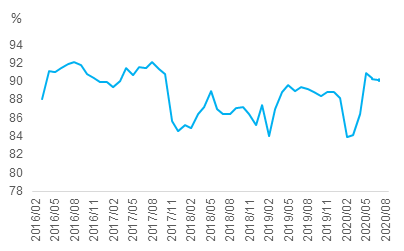
SHANGHAI, Jul 23 (SMM) – Operating rates of blast furnaces at Chinese steelmakers failed to extend a rebound from the prior week, falling 0.23 percentage point from a week ago to an average 90.07% during the fourth week of July, showed an SMM survey.


Some steel mills carried out maintenance on their blast furnaces amid the impact of rainfall-induced floods. The floods had led to the closure of some ports along the Yangtze River, deterring shipments of raw materials and finished products. SMM expects the operating rates to stay steady at high levels next week. 


Steel plants in China’s top steelmaking city of Tangshan are required to implement production control of various degrees between 16:00 CST July 19 and 16:00 CST July 24, according to a release by the local government. The output curbs are on top of the current environmental production measures for July, a move aimed at fighting bad air quality expected during July 19-24. 


Demand for steel is expected to increase as China will intensify the renovation of old urban residential areas in 2020. A total of 39,000 communities are planned to be renovated, twice the number as compared with the previous year, according to a statement by the State Council. Reconstruction need after floods also boosts hopes of a quick recovery in steel demand.


SMM expects futures prices of steel to trade robustly in the near term, driven by macro optimism and an improvement in fundamentals. But investors should remain cautious about prices pulling back after a rally and on negative macroeconomic news. 


Blast furnace operating rates in China retreated (Source: SMM)

Details of the SMM survey:


A steel maker in east China said it has halted production as shipments of raw materials and finished products were disrupted amid floods. Similar situation was seen at another producer in east China, who suspended output by damping down its furnaces. 


A steelmaker in central China maintained stable operations of its blast furnaces and took a cautiously positive sentiment about near-term prices. 


A steel plant in north-east China have kept normal operation of its blast furnaces but put its rolling lines into maintenance. Meanwhile, a steelmaker in south China is running at full capacity without maintenance schedule.


คำชี้แจงแหล่งที่มาของข้อมูล: นอกจากข้อมูลที่เปิดเผยต่อสาธารณะแล้ว ข้อมูลอื่นๆ ทั้งหมดได้รับการประมวลผลโดย SMM จากข้อมูลสาธารณะ การสื่อสารกับตลาด และการพึ่งพาแบบจำลองฐานข้อมูลภายในของ SMMข้อมูลเหล่านี้มีไว้เพื่ออ้างอิงเท่านั้น ไม่ถือเป็นข้อเสนอแนะในการตัดสินใจ

หากมีข้อสงสัยหรือต้องการทราบข้อมูลเพิ่มเติม กรุณาติดต่อ: lemonzhao@smm.cn
หากต้องการข้อมูลเพิ่มเติมเกี่ยวกับวิธีการเข้าถึงรายงานการวิจัยของเรา โปรดติดต่อ:service.en@smm.cn
ข่าวที่เกี่ยวข้อง
บริษัทย่อยเวสเทิร์นไมนิงได้รับใบอนุญาต 17 ปีสำหรับเหมืองโพลีเมทัลลิกในชิงไห่
22 Sep 2026 16:11 (GMT+8)
บริษัทย่อยเวสเทิร์นไมนิงได้รับใบอนุญาต 17 ปีสำหรับเหมืองโพลีเมทัลลิกในชิงไห่
อ่านเพิ่มเติม
บริษัทย่อยเวสเทิร์นไมนิงได้รับใบอนุญาต 17 ปีสำหรับเหมืองโพลีเมทัลลิกในชิงไห่
เมื่อวันที่ 22 กันยายน บริษัทเวสเทิร์นไมนิงประกาศว่า บริษัทย่อยที่ถือหุ้นทั้งหมด ชิงไห่กานซินไมนิงดีเวลอปเมนต์ จำกัด (“กานซินไมนิง”) ได้รับใบอนุญาตทำเหมืองที่ออกโดยกรมทรัพยากรธรรมชาติมณฑลชิงไห่ เหมืองดังกล่าวมีชื่อว่า เหมืองเหล็กและโพลีเมทัลลิกเก๋เอ่อมู่ถูเหวินชาฮั่น ของบริษัทชิงไห่กานซินไมนิงดีเวลอปเมนต์ จำกัด ครอบคลุมแร่เหล็ก ทองแดง ทองคำ โมลิบดีนัม สังกะสี ตะกั่ว และเงิน เป็นแร่ที่ได้รับอนุญาตให้ทำเหมือง ใบอนุญาตทำเหมืองมีอายุตั้งแต่วันที่ 3 สิงหาคม 2026 ถึงวันที่ 30 สิงหาคม 2043
22 Sep 2026 16:11 (GMT+8)
โครงการ 7.4 พันล้านดอลลาร์สหรัฐของ Korea Zinc ในสหรัฐฯ ผ่านการประเมินสิ่งแวดล้อม เตรียมทดลองเดินเครื่องปี 2029
21 Sep 2026 17:02 (GMT+8)
โครงการ 7.4 พันล้านดอลลาร์สหรัฐของ Korea Zinc ในสหรัฐฯ ผ่านการประเมินสิ่งแวดล้อม เตรียมทดลองเดินเครื่องปี 2029
อ่านเพิ่มเติม
โครงการ 7.4 พันล้านดอลลาร์สหรัฐของ Korea Zinc ในสหรัฐฯ ผ่านการประเมินสิ่งแวดล้อม เตรียมทดลองเดินเครื่องปี 2029
เมื่อวันที่ 21 กันยายน Korea Zinc ประกาศว่าโครงการผลิตในสหรัฐฯ มูลค่า 7.4 พันล้านดอลลาร์สหรัฐ ผ่านการประเมินผลกระทบสิ่งแวดล้อมแล้ว โรงงานมีกำหนดเริ่มทดลองเดินเครื่องในปี 2572 และเริ่มการผลิตเชิงพาณิชย์ในปีถัดไป โดยจะผลิตแร่สำคัญ 11 ชนิด โลหะนอกกลุ่มเหล็ก 12 ชนิด และกรดซัลฟิวริกระดับเซมิคอนดักเตอร์ เมื่อเดือนเมษายน Korea Zinc ระบุว่าได้เข้าซื้อโรงถลุงสังกะสีในท้องถิ่นและบริษัทที่เกี่ยวข้องอื่น ๆ เสร็จสิ้นแล้ว บริษัทมีแผนดำเนินโครงการโดยการขยายและปรับปรุงโรงงานเดิม
21 Sep 2026 17:02 (GMT+8)
ออสเตรเลียทบทวนภาษีตอบโต้การทุ่มตลาดเหล็กชุบสังกะสีจากอินเดีย มาเลเซีย เวียดนาม ท่ามกลางข้อกังวลเรื่องสังกะสี
11 Sep 2026 18:30 (GMT+8)
ออสเตรเลียทบทวนภาษีตอบโต้การทุ่มตลาดเหล็กชุบสังกะสีจากอินเดีย มาเลเซีย เวียดนาม ท่ามกลางข้อกังวลเรื่องสังกะสี
อ่านเพิ่มเติม
ออสเตรเลียทบทวนภาษีตอบโต้การทุ่มตลาดเหล็กชุบสังกะสีจากอินเดีย มาเลเซีย เวียดนาม ท่ามกลางข้อกังวลเรื่องสังกะสี
เมื่อวันที่ 9 กันยายน 2026 ออสเตรเลียได้เริ่มการทบทวนมาตรการตอบโต้การทุ่มตลาดรอบพระอาทิตย์ตกครั้งที่สองสำหรับเหล็กแผ่นเคลือบสังกะสีจากอินเดีย มาเลเซีย และเวียดนาม และแยกต่างหากได้เริ่มการทบทวนมาตรการตอบโต้การอุดหนุนสำหรับการนำเข้าจากอินเดีย การทบทวนครอบคลุมช่วงเดือนกรกฎาคม 2025 ถึงมิถุนายน 2026 โดยคาดว่ารายงานฉบับสุดท้ายจะออกภายในวันที่ 11 กุมภาพันธ์ 2027 เนื่องจากเหล็กเคลือบสังกะสีเป็นภาคการใช้งานปลายทางที่ใหญ่ที่สุดของสังกะสี มาตรการดังกล่าวจึงส่งผลโดยตรงต่อต้นทุนการส่งออกและความสามารถในการแข่งขัน ซึ่งอาจกระทบต่ออุปสงค์สังกะสีในประเทศและห่วงโซ่อุปทานของออสเตรเลีย การคงภาษีไว้จะช่วยคุ้มครองกำลังการผลิตเหล็กและการเคลือบผิวในประเทศได้ระดับหนึ่ง ขณะที่การยกเลิกอาจทำให้มีการนำเข้าสินค้าราคาต่ำเพิ่มขึ้นและส่งผลต่อการบริโภคสังกะสีในภูมิภาค ผลลัพธ์สุดท้ายยังขึ้นอยู่กับการวินิจฉัยของหน่วยงานผู้มีอำนาจ
11 Sep 2026 18:30 (GMT+8)