Vice President of Minmetals Nonferrous Metals: mine output is facing huge challenges Metal consumption prospects are still bright for a long time

เผยแพร่แล้ว: May 30, 2019 14:03

SMM5, 30 March: Li Zhicong, deputy general manager of Minmetals Nonferrous Metals Co., Ltd., said in a keynote speech at the 16th Shanghai Derivatives Market Forum that the global metals mining industry is in a stage of gradual recovery. However, there are great challenges in the process of improving output in the future, such as limited supply, rising cost rigidity, increasing difficulty in exploration, increasing difficulty in development, decline in mine grade, conflict of community trade unions, demand of resource countries and so on.

He stressed that all future challenges are essentially increased costs:

Manpower costs: there is a shortage of skilled workers in mines, and the wages of mining workers are much higher than the level of inflation. Labor disputes occur from time to time.

Rigid cost: power cost, seawater desalination and other costs are rigid rise.

Community factors: the interference of communities and trade unions on the stability of mining production is gradually increasing, strikes, road jams and other incidents occur frequently, increasing the cost of mine supply.

Exploration cost: exploration is more difficult. Prior to this, geological explorers have conducted a large-scale survey of the global near-surface exploration areas, and the possibility of not finding large mines near the surface will be lower and lower. At the same time, the depth of newly discovered resources increased significantly.

Development cost: it is more difficult to develop. Some large mines have gradually entered deep mining, and many of them have changed from open pit to underground. The proportion of underground mining in newly built mines has increased. The overall technical difficulty of mine development has increased.

Nationalism: the tendency of resource nationalism. The governments of the resource countries wish to maximize benefits from the exploitation of their mineral resources or to ensure that their resources are exploited by their own mining companies. Many governments have raised taxes on mineral resources development and mining rights.

Environmental factors: the attention of various countries to environmental protection makes mining companies face stricter management, mine development and production costs rise.

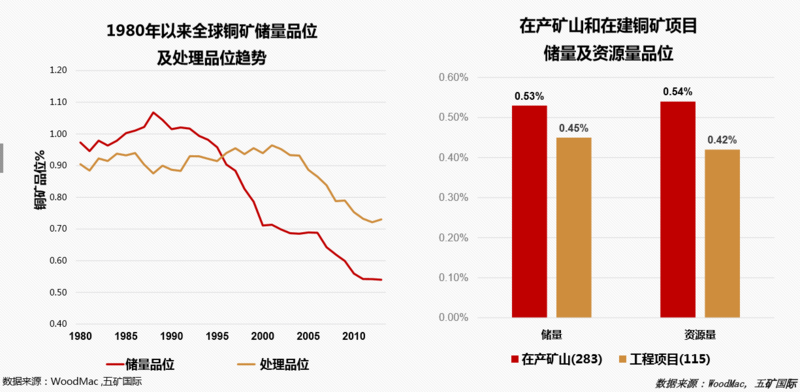
The grade of mineral resources has declined obviously. since 1980, the reserve grade and treatment grade of copper ore in the world are in a downward trend, and it is expected that it will still show a downward trend in the future.
Prospect of metal consumption

Regarding the prospect of metal consumption, Mr. Li said that in the long run, it is still bright, and the emerging industries in the future will become a new engine for driving metal consumption:

India and ASEAN industrialisation are most likely to be the engines of consumption growth to succeed China:

Copper increased from 410000 tons to 5.79 million tons, accounting for 15 per cent of the world

Aluminium increased from 1.63 million tons to 8.91 million tons, accounting for 10 per cent of the world

Copper increased from 790000 tons to 3.3 million tons, accounting for 9 per cent of the world

Aluminium rose from 1.23 million tons to 6.5 million tons, accounting for 8 per cent of the world's total.


The implementation of the "Belt and Road Initiative" strategy will greatly promote infrastructure investment in economically underdeveloped countries and regions along the route, thus greatly increasing their demand for metal mineral resources.

The pulling effect on the economy after the improvement of infrastructure in these countries will further increase their demand for metals and form a substitute development conducive to metal consumption. In addition, China has cooperated with the "Belt and Road Initiative" strategy to establish various financial support systems, such as the AIIB and the Silk Road Fund, and has increased its support for the funds of countries along the Belt and Road. This has increased the ability of these relatively poor countries to pay for the manufacture of metals and equipment.

"[investment must see] Trade friction news flying all over the metal how to win in chaos?

"Click to enter the registration page

Scan QR code and apply to join SMM metal exchange group, please indicate company + name + main business


คำชี้แจงแหล่งที่มาของข้อมูล: นอกจากข้อมูลที่เปิดเผยต่อสาธารณะแล้ว ข้อมูลอื่นๆ ทั้งหมดได้รับการประมวลผลโดย SMM จากข้อมูลสาธารณะ การสื่อสารกับตลาด และการพึ่งพาแบบจำลองฐานข้อมูลภายในของ SMMข้อมูลเหล่านี้มีไว้เพื่ออ้างอิงเท่านั้น ไม่ถือเป็นข้อเสนอแนะในการตัดสินใจ

หากมีข้อสงสัยหรือต้องการทราบข้อมูลเพิ่มเติม กรุณาติดต่อ: lemonzhao@smm.cn
หากต้องการข้อมูลเพิ่มเติมเกี่ยวกับวิธีการเข้าถึงรายงานการวิจัยของเรา โปรดติดต่อ:service.en@smm.cn
ข่าวที่เกี่ยวข้อง
[SMM Analysis] สหรัฐฯ จำกัดการส่งออกเศษซากแร่สำคัญ — เศษทองแดงจะเป็นรายต่อไปหรือไม่?
1 ชั่วโมงที่แล้ว
[SMM Analysis] สหรัฐฯ จำกัดการส่งออกเศษซากแร่สำคัญ — เศษทองแดงจะเป็นรายต่อไปหรือไม่?
อ่านเพิ่มเติม
[SMM Analysis] สหรัฐฯ จำกัดการส่งออกเศษซากแร่สำคัญ — เศษทองแดงจะเป็นรายต่อไปหรือไม่?
[SMM Analysis] สหรัฐฯ จำกัดการส่งออกเศษซากแร่สำคัญ — เศษทองแดงจะเป็นรายต่อไปหรือไม่?
[บทวิเคราะห์ SMM: สหรัฐฯ จำกัดการส่งออกเศษแร่ธาตุสำคัญ — เศษทองแดงจะเป็นรายต่อไปหรือไม่] สหรัฐฯ ได้กำหนดข้อกำหนดให้ขายในประเทศ 100% สำหรับแบล็กแมสและเศษทังสเตน ซึ่งส่งสัญญาณถึงการควบคุมทรัพยากรทุติยภูมิเชิงกลยุทธ์ที่เข้มงวดยิ่งขึ้น เศษทองแดงยังไม่ถูกรวมอยู่ในข้อกำหนดนี้ แต่ SMM คาดว่าเศษคุณภาพสูงจะยังคงอยู่ในสหรัฐฯ มากขึ้น เนื่องจากกำลังการผลิตในประเทศขยายตัว ทำให้อุปทานโลกตึงตัวและสนับสนุนค่าสัมประสิทธิ์เศษทองแดงที่อยู่ในระดับสูง
1 ชั่วโมงที่แล้ว
Jubilee ได้รับข้อเสนอที่มีผลผูกพันสองรายการสำหรับโครงการของเสียในแซมเบีย หันเงินทุนไปสู่การเติบโตของทองแดง
1 ชั่วโมงที่แล้ว
Jubilee ได้รับข้อเสนอที่มีผลผูกพันสองรายการสำหรับโครงการของเสียในแซมเบีย หันเงินทุนไปสู่การเติบโตของทองแดง
อ่านเพิ่มเติม
Jubilee ได้รับข้อเสนอที่มีผลผูกพันสองรายการสำหรับโครงการของเสียในแซมเบีย หันเงินทุนไปสู่การเติบโตของทองแดง
บริษัท Jubilee Metals Group ได้รับข้อเสนอผูกมัดสองรายการเพื่อซื้อกิจการโครงการ Large Waste Project (LWP) ในประเทศแซมเบียทั้งหมด ในราคาที่บริษัทอธิบายว่าสูงกว่าราคาซื้อเดิมของโครงการอย่างมาก คาดว่าจะมีการคัดเลือกผู้ซื้อที่ต้องการก่อนที่จะสรุปข้อตกลงการทำธุรกรรมขั้นสุดท้าย ซึ่งอาจทำให้ Jubilee ได้รับเงินทุนเพิ่มเติมเพื่อเร่งการพัฒนาโครงการทองแดงที่เหลืออยู่ในประเทศ การขายที่เสนอมาเป็นส่วนหนึ่งของกลยุทธ์ที่กว้างขึ้นของ Jubilee ในการลดความเสี่ยงจากการพัฒนาโครงการใหม่ที่ใช้เงินลงทุนสูง และเปลี่ยนทิศทางการลงทุนไปสู่การขยายการดำเนินงานที่มีอยู่ในแซมเบีย บริษัทได้เน้นย้ำถึงเหมือง Molefe เป็นพิเศษ ซึ่งมีแผนจะพัฒนากำลังการผลิตทองแดงในสถานที่ ซึ่งเป็นส่วนหนึ่งของกลยุทธ์การเติบโตที่ใช้เงินลงทุนต่ำและความเสี่ยงต่ำกว่า วิธีการนี้มีวัตถุประสงค์เพื่อใช้ประโยชน์จากโครงสร้างพื้นฐานที่มีอยู่ให้มากขึ้น พร้อมทั้งเพิ่มการผลิตทองแดงเพิ่มเติมทางออนไลน์ได้อย่างมีประสิทธิภาพมากขึ้น รายได้จากการขายโครงการ LWP ที่เสนอ รวมกับเงินสดคงเหลือจากการขายธุรกิจในแอฟริกาใต้ของ Jubilee และสินทรัพย์ขยะที่ไม่ใช่ธุรกิจหลักอื่นๆ คาดว่าจะสร้างกระแสเงินสดรวมเกือบ 100 ล้านดอลลาร์สหรัฐ ความยืดหยุ่นทางการเงินที่เพิ่มขึ้นนี้คาดว่าจะสนับสนุนการลงทุนที่เร่งขึ้นในธุรกิจทองแดงของ Jubilee ในแซมเบีย พร้อมทั้งเสริมความสามารถของบริษัทในการระดมทุนสำหรับแผนขยายธุรกิจจากภายใน การเปลี่ยนแปลงกลยุทธ์ครั้งนี้เกิดขึ้นในขณะที่ Jubilee ยังคงดำเนินการขยายการดำเนินงานทองแดงแบบบูรณาการในแซมเบีย โดยบริษัทตั้งเป้าหมายการผลิตทองแดงประมาณ 25,000 ตันต่อปี เมื่อขยายขนาดการดำเนินงาน การเปลี่ยนทิศทางเงินทุนไปยังสินทรัพย์เหมืองแร่และการแปรรูปที่มีอยู่ จึงอาจสนับสนุนการมีส่วนร่วมในการเติบโตของการผลิตได้รวดเร็วกว่าการดำเนินโครงการ Large Waste Project แบบโครงการใหม่ที่แยกออกมาต่างหาก จากมุมมองของตลาดทองแดง ธุรกรรมที่นำเสนอนี้แสดงถึงการเปลี่ยนแปลงการจัดสรรเงินทุนไปสู่การเติบโตของการผลิตในระยะใกล้ มากกว่าการพัฒนาโครงการใหม่ที่แยกออกมาต่างหาก การให้ความสำคัญกับสินทรัพย์ที่สามารถใช้ประโยชน์จากโครงสร้างพื้นฐานด้านเหมืองแร่และการแปรรูปที่มีอยู่ Jubilee พยายามลดระยะเวลาการพัฒนา ลดความเสี่ยงในการดำเนินงาน และขยายฐานการดำเนินงานทองแดงแบบบูรณาการในแซมเบีย หากดำเนินการได้สำเร็จ กลยุทธ์นี้จะเพิ่มจำนวนโครงการที่สนับสนุนการเติบโตของอุปทานทองแดงระยะกลางของแซมเบีย
1 ชั่วโมงที่แล้ว
ทองแดงแผ่น แผ่นบาง และแถบ: ภาคส่วนเกิดใหม่หนุนการบริโภค; ช่วงนอกฤดูกาลเดือนกรกฎาคมแข็งแกร่งกว่าปกติ
1 ชั่วโมงที่แล้ว
ทองแดงแผ่น แผ่นบาง และแถบ: ภาคส่วนเกิดใหม่หนุนการบริโภค; ช่วงนอกฤดูกาลเดือนกรกฎาคมแข็งแกร่งกว่าปกติ
อ่านเพิ่มเติม
ทองแดงแผ่น แผ่นบาง และแถบ: ภาคส่วนเกิดใหม่หนุนการบริโภค; ช่วงนอกฤดูกาลเดือนกรกฎาคมแข็งแกร่งกว่าปกติ
ตามข้อมูลจาก SMM อัตราการเดินเครื่องรวมของอุตสาหกรรมแผ่นทองแดง แผ่นบาง และแถบในเดือนกรกฎาคม 2569 อยู่ที่ 74.53% ลดลง 0.43 จุดเปอร์เซ็นต์ MoM และเพิ่มขึ้น 8.91% YoY โดยในจำนวนนี้ องค์กรขนาดใหญ่มีอัตราการเดินเครื่องอยู่ที่ 84.2% องค์กรขนาดกลาง 54.75% และองค์กรขนาดเล็ก 70.82%
1 ชั่วโมงที่แล้ว