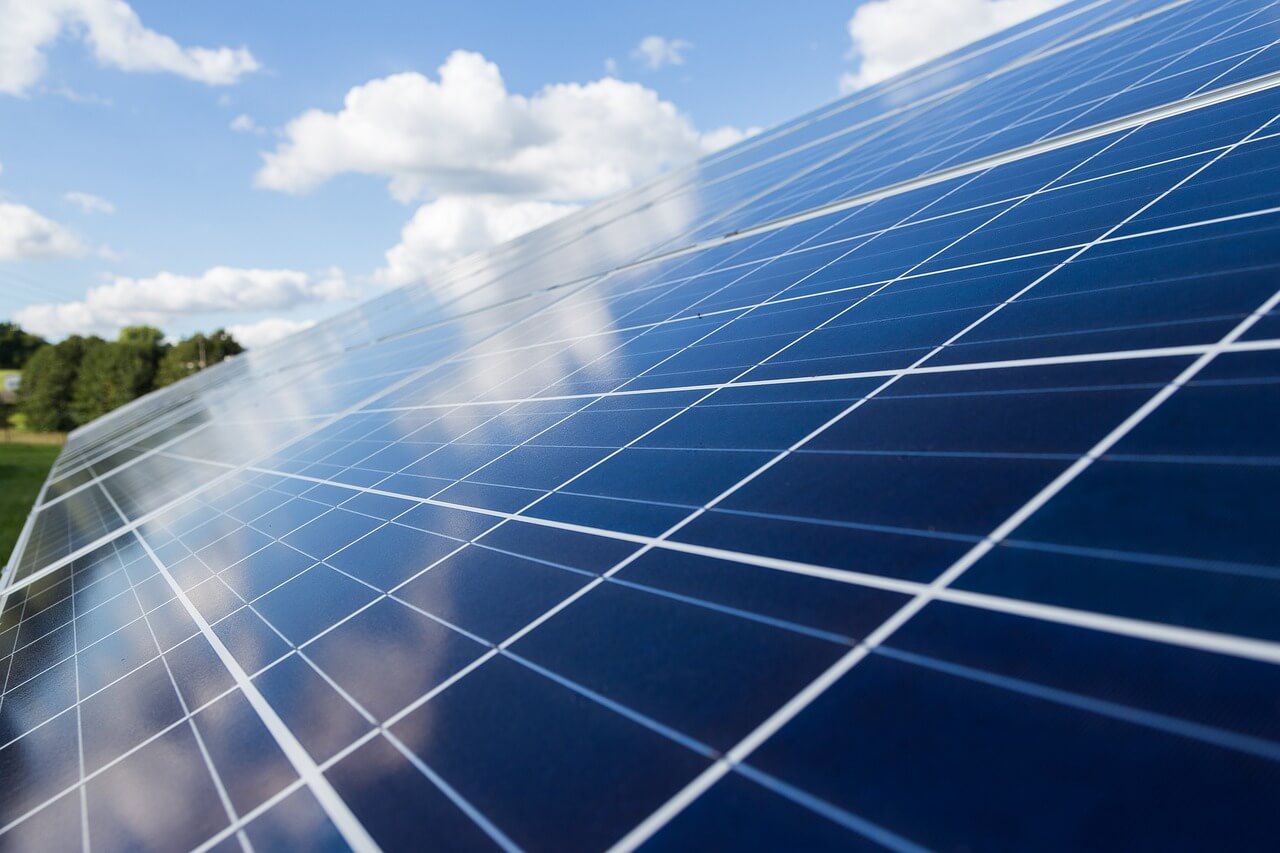
The global energy storage battery cell market continued its explosive growth in H1 2026.According to SMM data, global energy storage battery cell shipments reached around 486 GWh in H1, up 93% YoY. Looking at the shipment structure, utility-scale (including C&I) battery cell shipments exceeded 432 GWh, while residential battery cells totaled nearly 54 GWh, with utility-scale applications remaining the absolute pillar.
Further breaking down the supporting logic for power generation and grid-side shipments,markets outside China served as the core driver in terms of key shipping destinations, with Europe, India, and the Middle East being the main delivery destinations in H1.The European market saw two notable changes this year: individual project scale expanded significantly, jumping to the GWh level, and overall delivery timelines shortened markedly. On the policy front, projects in Bulgaria and Romania were actively delivered in H1, though it should be noted that Bulgaria’s second-round RESTORE 2 plan requires supported projects to be completed and operational by July 31, 2026. As this EU funding window closes, the subsequent delivery pace is expected to slow and shift to other Southeast European regions. In the Nordic region, Denmark and Finland also accelerated notably driven by policy. The Nordics’ mature frequency services market (FCR, aFRR, mFRR, etc.) and fast frequency response (FFR) mechanisms provide stable revenue streams for energy storage projects, and together with the demand for large-scale energy storage on the grid side driven by rapid offshore wind development in Finland, they have significantly accelerated the Nordic energy storage market. The German-speaking region continued its strong performance. The Middle East market was briefly impacted by geopolitical factors in H1, with the delivery pace pausing between late February and March, but returned to normal levels quickly after April. India’s overall deliveries this year increased significantly as mandatory grid-connection policies drove the growth of large-scale projects, making it a key high-volume market.
For the residential ESS market, the focus in H1 was on high-value markets such as Europe and Australia, while rigid-demand markets in Asia and Africa continued to make steady progress. However, the Australian market saw a decline in overall installations as phased subsidy reductions began on May 1, and the market will now gradually shift from a subsidy-driven explosive growth mode to a more stable path. Looking ahead, residential ESS installation hotspots will remain centered on Europe, while rigid-demand markets in Asia and Africa, driven by grid upgrade needs, will continue to contribute growth.
Focusing on the Chinese market,H1 saw a clear divergence: awarded tenders rose YoY while grid connections fell YoY. Specifically, awarded energy storage tender volumes in China increased 110% YoY, while grid-connected volumes fell 35% YoY.We believe there are three reasons behind this divergence.First, as this year marks the start of the "15th Five-Year Plan" period, central and state-owned enterprises face audit procedures and plan adjustments, slowing the overall pace of some procurement work and passively lengthening the cycle from tendering to project execution. Second, a sharp rise in raw material prices in Q2 made lenders more cautious in approving loans, delaying project financing. Third, buyers still hope to wait for price stabilization; such wait-and-see behavior is seasonal in the industry, and last year also saw slower cargo pick-up in Q3 and a concentrated release in Q4.Based on these assessments, we believe the divergence between awarded tenders and installations will narrow significantly in H2, and our full-year forecast for China’s new installations remains at 225 GWh.
The pace of shipments from overseas factories also accelerated in H1 this year. Japanese and South Korean enterprises showed a sharp volume surge in the energy storage sector this year, with particularly outstanding performance. The core driver is that they can benefit from local manufacturing subsidies, bringing their system integration prices to a level comparable with Chinese products and significantly boosting their competitiveness. However, their shipment structure remains dominated by integrated systems, with standalone battery cell shipments still small. Additionally, factories of Chinese enterprises in Southeast Asia also gradually ramped up volumes in H1. Overall,H1 shipments of overseas-manufactured energy storage battery cells reached 23 GWh, accounting for 4.7% of total shipments.We expect there is still room for overseas capacity release and shipment growth in H2, mainly considering that production capacity in Southeast Asia can still receive corresponding ITC subsidies through the Safe Harbor program in the US market.
In terms of technology iteration, by shipment capacity,battery cells with a single-cell capacity of 500 Ah and above accounted for 8.5% of global energy storage battery cell shipments in H1.This proportion was lower than some initial expectations, mainly because the future mainstream technology routes for 500+Ah and 600+Ah cells remain unclear, making battery cell manufacturers more cautious about mass production choices for large cells in H2. We expect the share of large-cell shipments to reach 11% for the full year, with the pace of penetration depending on the final establishment of mainstream technology routes and the speed of production line investment follow-up.
SMM Energy Storage Analyst Li Yisha 021-51666730
18017408818
![Electrolyte prices remained stable this week (Jul. 20-23, 2026) [SMM Lithium Battery Electrolyte Market Weekly Review]](https://imgqn.smm.cn/usercenter/mpqgn20251217171727.jpg)
![[SMM Weekly Review] June Import Data Exceeding Expectations Weighs on the Market, Cobalt Market Under Pressure in the Off-Season: Refined Cobalt Leads the Decline, Intermediate Product Stagnant](https://imgqn.smm.cn/usercenter/QXufg20251217171730.jpg)