1 Market Review
1 Dolomite
This week, the ex-factory tax-exclusive price of 1-3 cm dolomite (Wutai) was 108 yuan/mt, up 30 yuan/mt WoW, and that of 2-4 cm dolomite (Wutai) was 138 yuan/mt, up 10 yuan/mt WoW.
Dolomite prices edged up this week. Recently, leading dolomite mines resumed production and operations. Considering that earlier maintenance and production halts had reduced inventories of leading dolomite producers to low levels, coupled with rising operating rates of magnesium plants in major production areas and increased dolomite consumption, dolomite prices edged up with demand support.
1.2 Magnesium Ingot
1.2.1 Magnesium Ingot (Fugu, Shenmu—Major Production Areas)
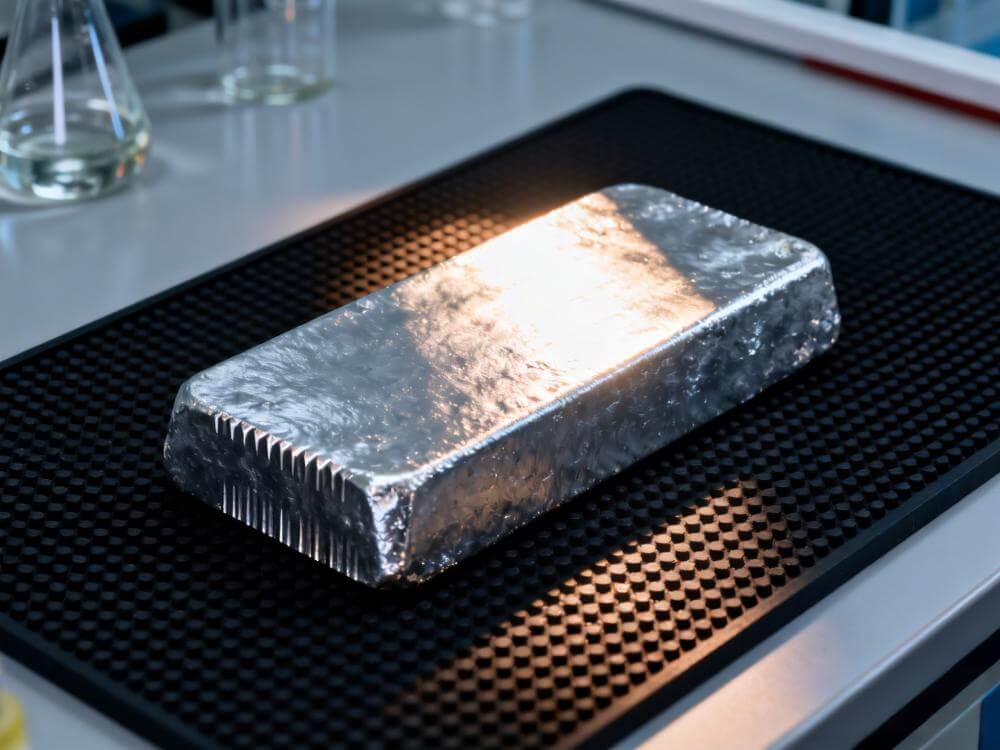
This week, mainstream quotations for 99.90% magnesium ingot in major production areas were 16,700–16,800 yuan/mt, with magnesium prices fluctuating rangebound.
Magnesium prices fluctuated rangebound this week. At the beginning of the week, the quotation range of magnesium plants in major production areas widened. Leading magnesium plants held strong reluctance to sell, with firm market quotations at 17,000 yuan/mt. Some smaller plants sold at market prices, pushing transaction prices down to 16,800 yuan/mt. However, influenced by mid-week news, some traders entered the market for procurement, leading to a slight recovery in magnesium market transactions, and prices rebounded to 17,000 yuan/mt. Overall, downstream sentiment remained bearish, with market transactions dominated by just-in-time procurement. Production resumptions at magnesium plants increased supply pressure, keeping short-term magnesium prices under pressure. This week, magnesium prices showed a rangebound trend, with an intensified tug-of-war between sellers and buyers in the magnesium market. Following the concentrated delivery of foreign trade orders last Saturday, magnesium prices bottomed out with demand support. However, this week's demand was thus depleted, and market transactions lacked follow-through momentum, leaving insufficient upward momentum for magnesium prices. Low-priced sources subsequently emerged. By mid-week, magnesium plants grew more reluctant to sell due to rising raw material prices such as dolomite, ferrosilicon, and coal, leading to another uptick in quotations. Overall, the supply-demand pattern of strong supply and weak demand in the magnesium market is difficult to reverse in the short term. Magnesium prices remain firm in the short term with cost support but are expected to trend downward in the long run.
1.2.2 Magnesium Ingot (Tianjin Port—FOB China)
This week, the FOB China price was quoted at $2,380–2,420/mt, averaging $2,400/mt. FOB transaction prices varied significantly this week, with traders mostly maintaining high quotations.
The export market was generally characterized by wait-and-see sentiment this week. Traders were mostly cautious about orders for October-December shipping dates, mainly making inquiries. Supported by rising raw material prices such as dolomite and coal, magnesium prices stabilized with an upward trend after hitting bottom last Friday, with most factory quotations firm or slightly raised. From last Friday to Tuesday this week, overseas markets saw active transactions, with a daily average trading volume of 500-600 mt and shipping schedules primarily focused on the spot market. The transaction price was approximately $2,350/mt. Starting from Wednesday, new order quotations were mostly concentrated in the range of $2,400-$2,490/mt, widening the market quotation range. As the National Day holiday approaches, traders remain uncertain about shipping schedules for October. It is expected that the market will continue its current trend next week. Whether FOB prices will pull back will depend on the actual shipment situation after the National Day holiday, and the continuous decline in the US dollar exchange rate has also made exporters more cautious in their quotations.
1.3 Magnesium Powder
This week, the mainstream tax-inclusive ex-factory prices for Chinese magnesium powder with a mesh size of 20-80 ranged from 17,900 to 18,100 yuan/mt; the Chinese FOB price ranged from $2,540 to $2,580/mt.
This week, magnesium powder market prices rose slightly under the support of raw material costs, showing an overall stalemate. Market transactions performed mediocrely, with magnesium powder plants mainly executing previous orders. Although production increased slightly, demand remained mediocre. At the beginning of the week, there was still some demand for stockpiling before the National Day holiday, but after prices strengthened, downstream players mostly adopted a wait-and-see approach, and purchase willingness slowed down. New order transactions in overseas markets were limited this week, with overall activity remaining low. It is expected that the short-term magnesium powder market will continue to fluctuate rangebound.
1.4 Magnesium Alloy
This week, the mainstream tax-inclusive ex-factory prices for Chinese magnesium alloy ranged from 18,400 to 18,550 yuan/mt, while the mainstream FOB prices for Chinese magnesium alloy ranged from $2,590 to $2,630/mt.
This week, magnesium alloy prices fluctuated in sync with magnesium ingot prices. On the supply side, most magnesium alloy manufacturers are scheduling production, and the magnesium alloy market is experiencing tight spot supply. Some traders report that it is difficult to find manufacturers that can meet the three-day cargo pick-up requirement. Currently, some magnesium alloy enterprises are scheduling shipments. According to SMM, some magnesium alloy enterprises have orders scheduled until early next month. As a result, the operating rates of some magnesium alloy enterprises have increased. On the demand side, there is an upward trend in demand from new application areas such as NEVs and EVs, leading to an upward trend in magnesium alloy demand. Overall, some magnesium alloy enterprises have raised their alloy processing fee quotations, but currently, downstream die-casting plants have a strong fear of high prices, and high-priced transactions are awaiting follow-up.
2 Weekly Summary
This week, the performance of products related to the magnesium industry chain showed different trends due to the combined influence of supply and demand. For dolomite, although leading mines have resumed production, earlier maintenance led to low inventory levels. The increase in operating rates at magnesium plants in the main producing areas has driven up consumption, leading to a slight price increase under demand support. The tug-of-war between sellers and buyers in the magnesium ingot market has intensified. The main producing areas are experiencing weak transactions due to demand depletion following the fulfillment of last week's foreign trade orders. However, the price increase of raw materials such as dolomite has boosted magnesium plants' reluctance to sell, keeping prices firm in the short term under cost support. In the long term, prices may trend downward due to strong supply and weak demand. The Tianjin Port offshore market has a strong wait-and-see atmosphere. Early spot orders saw active transactions, but later quotation ranges widened. Affected by the approaching National Day holiday and the decline in the US dollar, traders are cautious about shipping schedules for October, and price trends need to be verified by post-holiday shipment situations. In the magnesium powder market, supply-side production increased slightly, with producers mostly fulfilling previous orders. On the demand side, pre-holiday stockpiling needs briefly emerged but then shifted to a wait-and-see stance both downstream and overseas due to rising prices, resulting in mediocre transactions. Prices edged up with cost support and remained range-bound with little movement. Magnesium alloy prices fluctuated in line with magnesium ingots. On the supply side, producers scheduled orders for production, with tight spot supply and some orders scheduled until next month. Operating rates were adjusted upward in response to order volumes. On the demand side, demand from sectors such as NEVs rose, but downstream die-casting plants exhibited fear of high prices, and transactions at high prices remained to be followed up.
![Рост цен на уголь разжигает рынок магния: двухмесячная консолидация наконец прорвана, сокращение производства и снижение запасов сигнализируют о следующем ралли [Анализ SMM]](https://imgqn.smm.cn/usercenter/mLwgx20251217171723.jpeg)
![[SMM еженедельный обзор рынка магния: рост цен на магний, обусловленный издержками, неустойчив из-за слабого спроса]](https://imgqn.smm.cn/usercenter/rUQIB20251217171723.jpeg)