【SMM Analysis:Types of Manganese Ores.】

Опубликовано: Nov 2, 2024 15:27
Источник: SMM
【SMM Analysis:Types of Manganese Ores.】Types of Manganese Ores There are over 150 known manganese minerals in nature, classified into oxides, carbonates, silicates, sulphides, borates, tungstates, phosphates, etc. However, minerals with high manganese content are few. Here are descriptions of several common manganese minerals. (1) Pyrolusite: Tetragonal system, crystals are fine columnar or needle-like, usually in lump or powdery aggregates. Both color and streak are black. Luster and hardness vary with the coarseness and form of the crystals; well-crystallized ones have a submetallic luster and higher hardness, while cryptocrystalline lumps and powdery forms have a dull luster and low hardness, easily soiling hands. Specific gravity is around 5. Pyrolusite is mainly formed by sedimentation and is one of the main components of sedimentary manganese ore. In the oxidation zone of manganese deposits, all primary low-valence manganese minerals can also oxidize into pyrolusite. Pyrolusite is a very common mineral in manganese ore and an important raw material for manganese smelting. (2) Manganite: Monoclinic system, crystals are rare, usually in botryoidal, reniform, and grape-like aggregates, also in dense lumps and dendritic forms. Both color and streak are black. Submetallic luster. Hardness 4-6, specific gravity 4.4-4.7. Manganite is mainly of exogenous origin, found in the oxidation zone of manganese deposits and sedimentary manganese deposits, and is also a very common manganese mineral in manganese ore, an important raw material for manganese smelting. (3) Manganese Wad: Monoclinic system, crystals are columnar with longitudinal striations. Often found in crystal clusters in the druses of some manganese-bearing hydrothermal veins, in sedimentary manganese deposits mostly as cryptocrystalline lumps, or in oolitic, botryoidal aggregates, etc. Mineral color is black, streak is brown. Submetallic luster. Hardness 3-4, specific gravity 4.2-4.3. Manganese Wad is found in both endogenetic hydrothermal deposits and exogenetic sedimentary manganese deposits, an important raw material for manganese smelting. (4) Hausmannite: Tetragonal system, crystals are tetragonal bipyramids, usually in granular aggregates. Color is black, streak is brown-orange or reddish-brown. Submetallic luster. Hardness 5.5, specific gravity 4.84. Hausmannite is formed by endogenetic or metamorphic processes, found in some contact metasomatic deposits, hydrothermal deposits, and sedimentary metamorphic manganese deposits, coexisting with braunite, and is also an important raw material for manganese smelting. (5) Braunite: Tetragonal system, crystals are bipyramidal, also found in granular and lump aggregates. Mineral is black, streak is brown-black. Submetallic luster. Hardness 6, specific gravity 4.7-5. Other characteristics are the same as Hausmannite. (6) Rhodochrosite: Trigonal system, crystals are rhombohedral, usually in granular, lump, or nodule forms. Mineral is rose-colored, easily oxidized to brown-black. Vitreous luster. Hardness 3.5-4.5, specific gravity 3.6-3.7. Rhodochrosite formed by endogenetic processes is common in some hydrothermal deposits and contact metasomatic deposits; exogenetic rhodochrosite is widely distributed in sedimentary manganese deposits. Rhodochrosite is an important raw material for manganese smelting. (7) Alabandite: Isometric system, common forms include cubes, octahedrons, and rhombic dodecahedrons, aggregates are granular or lump. Color is steel-gray to iron-black, turning brown upon weathering, streak is dark green. Submetallic luster. Hardness 3.5-4, specific gravity 3.9-4.1. Alabandite is abundant in sedimentary metamorphic manganese deposits, an important raw material for manganese smelting.
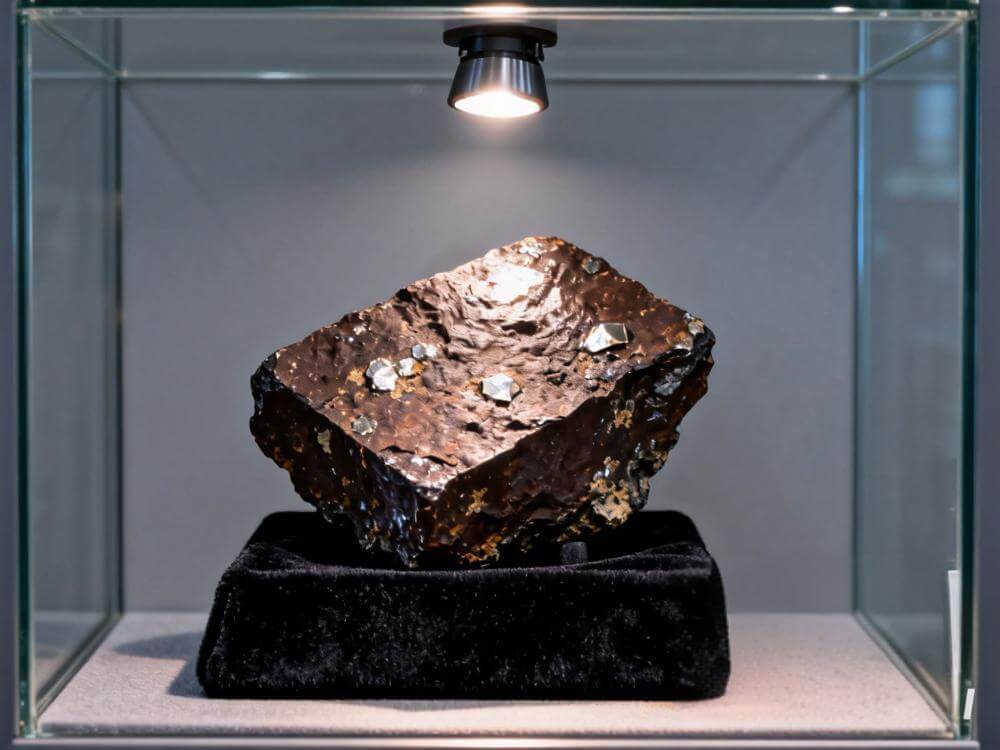
There are over 150 known manganese minerals in nature, classified into oxides, carbonates, silicates, sulphides, borates, tungstates, phosphates, etc. However, minerals with high manganese content are few. Here are descriptions of several common manganese minerals.


(1) Pyrolusite: Tetragonal system, crystals are fine columnar or needle-like, usually in lump or powdery aggregates. Both color and streak are black. Luster and hardness vary with the coarseness and form of the crystals; well-crystallized ones have a submetallic luster and higher hardness, while cryptocrystalline lumps and powdery forms have a dull luster and low hardness, easily soiling hands. Specific gravity is around 5. Pyrolusite is mainly formed by sedimentation and is one of the main components of sedimentary manganese ore. In the oxidation zone of manganese deposits, all primary low-valence manganese minerals can also oxidize into pyrolusite. Pyrolusite is a very common mineral in manganese ore and an important raw material for manganese smelting.


(2) Manganite: Monoclinic system, crystals are rare, usually in botryoidal, reniform, and grape-like aggregates, also in dense lumps and dendritic forms. Both color and streak are black. Submetallic luster. Hardness 4-6, specific gravity 4.4-4.7. Manganite is mainly of exogenous origin, found in the oxidation zone of manganese deposits and sedimentary manganese deposits, and is also a very common manganese mineral in manganese ore, an important raw material for manganese smelting.


(3) Manganese Wad: Monoclinic system, crystals are columnar with longitudinal striations. Often found in crystal clusters in the druses of some manganese-bearing hydrothermal veins, in sedimentary manganese deposits mostly as cryptocrystalline lumps, or in oolitic, botryoidal aggregates, etc. Mineral color is black, streak is brown. Submetallic luster. Hardness 3-4, specific gravity 4.2-4.3. Manganese Wad is found in both endogenetic hydrothermal deposits and exogenetic sedimentary manganese deposits, an important raw material for manganese smelting.


(4) Hausmannite: Tetragonal system, crystals are tetragonal bipyramids, usually in granular aggregates. Color is black, streak is brown-orange or reddish-brown. Submetallic luster. Hardness 5.5, specific gravity 4.84. Hausmannite is formed by endogenetic or metamorphic processes, found in some contact metasomatic deposits, hydrothermal deposits, and sedimentary metamorphic manganese deposits, coexisting with braunite, and is also an important raw material for manganese smelting.


(5) Braunite: Tetragonal system, crystals are bipyramidal, also found in granular and lump aggregates. Mineral is black, streak is brown-black. Submetallic luster. Hardness 6, specific gravity 4.7-5. Other characteristics are the same as Hausmannite.


(6) Rhodochrosite: Trigonal system, crystals are rhombohedral, usually in granular, lump, or nodule forms. Mineral is rose-colored, easily oxidized to brown-black. Vitreous luster. Hardness 3.5-4.5, specific gravity 3.6-3.7. Rhodochrosite formed by endogenetic processes is common in some hydrothermal deposits and contact metasomatic deposits; exogenetic rhodochrosite is widely distributed in sedimentary manganese deposits. Rhodochrosite is an important raw material for manganese smelting.


(7) Alabandite: Isometric system, common forms include cubes, octahedrons, and rhombic dodecahedrons, aggregates are granular or lump. Color is steel-gray to iron-black, turning brown upon weathering, streak is dark green. Submetallic luster. Hardness 3.5-4, specific gravity 3.9-4.1. Alabandite is abundant in sedimentary metamorphic manganese deposits, an important raw material for manganese smelting.

Заявление об источниках данных: За исключением общедоступной информации, все остальные данные обрабатываются SMM на основе общедоступной информации, рыночного общения и с опорой на внутреннюю базу данных и модели SMM. Они приведены только для справки и не являются рекомендациями для принятия решений.

По любым вопросам или для получения дополнительной информации, пожалуйста, свяжитесь: lemonzhao@smm.cn
Для получения дополнительной информации о доступе к нашим исследовательским отчётам обращайтесь:service.en@smm.cn
Связанные новости
Анализ SMM: рост цен на уголь ведёт к удорожанию неочищенного кальция
52 минут назад
Анализ SMM: рост цен на уголь ведёт к удорожанию неочищенного кальция
Читать далее
Анализ SMM: рост цен на уголь ведёт к удорожанию неочищенного кальция
52 минут назад
[Анализ SMM] Цены на уголь резко выросли, что привело к удорожанию сырого кальция
1 час назад
[Анализ SMM] Цены на уголь резко выросли, что привело к удорожанию сырого кальция
Читать далее
[Анализ SMM] Цены на уголь резко выросли, что привело к удорожанию сырого кальция
[Анализ SMM] Цены на уголь резко выросли, что привело к удорожанию сырого кальция
1 час назад
Фьючерсный рынок прорывается вверх, поднимая центр, котировки ADC12 повышены, восходящий импульс всё ещё ждёт подтверждения спроса [Ежедневный обзор цен ADC12]
1 час назад
Фьючерсный рынок прорывается вверх, поднимая центр, котировки ADC12 повышены, восходящий импульс всё ещё ждёт подтверждения спроса [Ежедневный обзор цен ADC12]
Читать далее
Фьючерсный рынок прорывается вверх, поднимая центр, котировки ADC12 повышены, восходящий импульс всё ещё ждёт подтверждения спроса [Ежедневный обзор цен ADC12]
[Ежедневный обзор цен на ADC12: прорыв фьючерсов поднимает центр, котировки ADC12 повышены, потенциал роста всё ещё ждёт подтверждения спроса] Сегодня рыночные котировки ADC12 в целом продемонстрировали довольно заметный восходящий тренд. Цена SMM ADC12 выросла на 200 юаней за тонну по сравнению с предыдущим днём, достигнув 24 300 юаней за тонну. Импульс корректировки цен был в основном обусловлен укреплением цен на алюминий и фьючерсов, ростом стоимости сырья и улучшением рыночных настроений.
1 час назад
【SMM Analysis:Types of Manganese Ores.】 - Shanghai Metals Market (SMM)