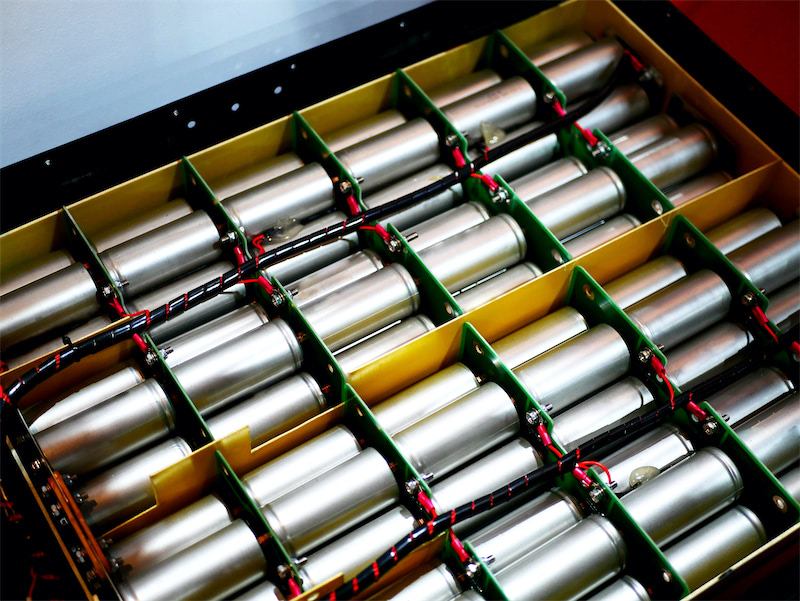
Cadmium, a highly versatile metal, holds significant industrial value due to its unique properties. It is primarily used in batteries, pigments, coatings, and some electronic devices. The prices of cadmium can experience notable fluctuations due to various market dynamics and external factors. Understanding these pricing insights is crucial for stakeholders in industries reliant on cadmium for their manufacturing processes.
Understanding Cadmium Pricing
What is Cadmium and its Industrial Applications
Cadmium is a soft, bluish-white metal that is known for its resistance to corrosion and its ability to withstand high-temperature conditions. It plays a crucial role in the production of rechargeable nickel-cadmium batteries, which are notably used in portable electronics and electric vehicles. Additionally, cadmium compounds, such as cadmium sulfide, are employed as pigments in paints and plastics, providing vibrant colors and opacity. Its exceptional properties make it valuable in various sectors, leading to its ongoing demand despite environmental concerns associated with its use.
Historical Overview of Cadmium Pricing
The pricing of cadmium has undergone significant changes over the years, influenced by both supply constraints and demand variations. Historically, cadmium prices were relatively stable until the late 20th century, when environmental regulations began targeting its usage due to toxicity concerns. These regulations led to reduced domestic production in some regions, subsequently affecting availability in the market. Pricing trends were also impacted by economic cycles, with peaks during periods of increased demand from emerging markets and troughs during economic downturns, reflecting the intricate balance of market forces that governs cadmium pricing.
Key Factors Influencing Cadmium Pricing
Supply and Demand Dynamics
Global Production Patterns
The global cadmium supply is primarily derived from zinc production, as cadmium is often a byproduct of zinc refining processes. Consequently, fluctuations in zinc production can significantly influence cadmium availability. Countries with extensive zinc mining operations, such as China, Australia, and Canada, play a crucial role in shaping global cadmium supply levels. Any disruptions in these countries due to geopolitical tensions or natural disasters can lead to immediate impacts on cadmium pricing dynamics. The reliance on zinc mining for cadmium production underscores the interconnectedness of these metals within global commodity markets.
Market Demand Fluctuations
Demand for cadmium is significantly influenced by advancements in technology, particularly in battery production and electronic devices. As the world increasingly shifts towards renewable energy and electric vehicles, the demand for high-performance batteries that utilize cadmium may rise. However, fluctuations in alternative battery technologies, such as lithium-ion systems, could pose challenges to consistent cadmium demand. Seasonal variations, alongside trends in the construction and automotive industries, contribute to the overall market fluctuations that reflect in cadmium pricing.
Economic and Political Influences
Trade Policies and Tariffs
Economic policies and international trade agreements are critical factors in determining cadmium pricing. Governmental trade policies can impose tariffs on raw materials, affecting the overall cost structure for producers and consumers. For instance, restrictions from certain countries on cadmium exports can create supply scarcity, driving up prices. Additionally, trade disputes may lead to uncertainties that further affect cadmium market forecasts. Stakeholders must remain vigilant to shifting trade landscapes to anticipate potential price adjustments accordingly.
Economic Indicators
Broader economic indicators, including GDP growth rates and industrial production levels, play a crucial role in influencing cadmium pricing. A robust economy often stimulates industrial growth, leading to increased demand for materials like cadmium. Conversely, during times of economic downturn, manufacturers may reduce production, leading to decreased demand and subsequently lower prices for cadmium. Monitoring economic indicators is essential for market participants to make informed decisions regarding their strategies in the cadmium market.
Technological Advances and Innovations
Advancements in Extraction Technologies
Innovations in extraction technologies have the potential to alter cadmium pricing significantly. Advancements that improve the efficiency of cadmium extraction from ore can enhance production rates and reduce operational costs, leading to more competitive pricing structures. Additionally, developments in recycling methods for cadmium-contained products can provide an alternative source of supply, thereby influencing market pricing. As new technologies emerge, they can drastically reshape the economic framework surrounding cadmium and its associated costs.
Substitutes and Alternatives
The presence of substitutes and alternatives also plays a significant role in cadmium pricing dynamics. For certain applications, alternatives such as lithium or nickel-based chemistries may become more favorable, especially when environmental regulations dictate the reduction of cadmium usage. The increased adoption of these substitutes can lead to a decrease in cadmium demand, which, in turn, may drive down prices. However, the ongoing need for specific applications that can only be fulfilled by cadmium indicates that while alternatives exist, they may not completely eradicate cadmium's market presence.
In conclusion, cadmium pricing is influenced by a multitude of factors ranging from supply and demand dynamics to technological innovations and economic indicators. Stakeholders in industries dependent on cadmium must consider these elements to navigate the complexities inherent in pricing fluctuations effectively. By staying informed about the historical trends, current market conditions, and potential future developments, professionals can position themselves strategically within the marketplace.
Environmental Regulations and Compliance Costs
Stricter Environmental Policies
In recent years, governments worldwide have implemented stricter environmental policies aimed at reducing the environmental impact of industrial activities, including the use of cadmium. These policies often come in the form of regulations targeting emissions and waste management, as well as direct restrictions on cadmium-containing products. As these regulations become more stringent, industries that rely on cadmium face increased compliance costs, which can then be reflected in cadmium pricing. Companies operating in this environment must invest in cleaner technologies and processes or risk facing penalties, leading to fluctuations in the availability and cost of cadmium in the market.
Furthermore, as countries adopt policies in line with international agreements like the Paris Agreement, the pressure on industries to minimize their carbon footprint becomes more pronounced. This shift not only impacts cadmium usage but may also drive innovation in sustainable practices across sectors that traditionally make heavy use of the metal. As firms transition to greener alternatives or invest in cadmium recycling initiatives, the dynamics of supply and demand can experience profound changes, further impacting cadmium pricing structures.
Sustainability Efforts by Industry
The increasing emphasis on sustainability has prompted many industries to seek alternatives to cadmium or to minimize its use in production processes. Many manufacturers are exploring innovative materials and technologies designed to reduce reliance on cadmium, particularly in sectors such as electronics and batteries. While this may initially seem like a detrimental trend for cadmium pricing, it can actually lead to stabilization as firms adapt to changing market expectations and regulations.
In addition, industries that continue to use cadmium are often under pressure to demonstrate responsible sourcing and waste management practices. This necessitates investments in sustainable production processes and life cycle assessment, components that can drive up costs. Consequently, as production costs increase, firms may adjust their pricing strategies, creating further fluctuations in cadmium pricing in response to these market pressures.
Strategic Insights for Market Participants
Investment Strategies in Cadmium Markets
Investment strategies surrounding cadmium markets must be nuanced and informed by an understanding of both current market trends and potential legislative developments. Investors should consider diversifying their portfolios to hedge against potential price volatility in cadmium due to factors like environmental regulations and geopolitical events. Additionally, focusing on firms that adopt sustainable practices or invest in innovative technologies may provide an edge in a market increasingly influenced by sustainability considerations.
Moreover, keeping abreast of technological advancements in cadmium recycling and extraction is critical. Companies that enhance their operational efficiency and develop more sustainable methodologies may position themselves favorably in the market, translating to potential higher returns for investors. This shift in focus can help investors navigate the transition towards a more environmentally conscious industrial landscape, thus managing risks concerning cadmium pricing fluctuations.
Role of Online Trading Platforms like Metal.com
The rise of online trading platforms such as Metal.com has transformed the way participants engage with the cadmium market. These platforms have made it easier for buyers and sellers to connect, access real-time pricing information, and make informed decisions quickly. As more stakeholders participate in cadmium trading via online channels, the effect of market sentiment on prices may become more pronounced, resulting in higher volatility.
Additionally, the accessibility of information on these platforms empowers market participants to grasp the underlying factors influencing cadmium pricing. The availability of tools and resources to analyze market trends enhances strategic decision-making. Collaborative trading platforms can also facilitate transactions in a more transparent and efficient manner, which can ultimately lead to price stabilization in cadmium markets as competition increases.
Future Outlook for Cadmium Pricing
Projections for Short-term Market Movements
Short-term projections for cadmium pricing indicate that various economic and regulatory factors will continue to exert influence on market dynamics. Given the current trends in sustainability and technological advancements, market fluctuations are likely to persist, making cadmium pricing susceptible to rapid changes. However, immediate demand for cadmium-driven industries, particularly in sectors such as electric vehicles and renewable energy technology, may provide upward pressure on prices in the short term.
Furthermore, supply constraints resulting from geopolitical unrest or production disruptions in key mining countries could exacerbate short-term volatility. As firms adapt to market changes and explore alternative materials, the balance between supply and demand will remain critical for determining short-term cadmium pricing. Participants in the market should employ proactive strategies to counteract potential disruptions and mitigate risks associated with short-term price fluctuations.
Long-term Price Predictions Based on Current Trends
Long-term predictions for cadmium pricing hinge on the trajectory of global demand and the continued evolution of environmental policies. The shift towards renewable energy sources, coupled with increasing regulatory pressures, paints a nuanced picture of the future of cadmium pricing. It is anticipated that while some demand for cadmium will remain stable, particularly in niche applications, overall consumption may be tempered due to the adoption of alternatives and recycling technologies.
Moreover, the landscape of cadmium markets may continue to reshape as industries focus more on sustainable practices. As technologies evolve, the decreasing reliance on cadmium in certain applications could further mitigate price increases over time. In sum, while short-term fluctuations represent the immediate challenges facing stakeholders, the long-term outlook for cadmium pricing will be defined by trends in sustainability, technological advancement, and shifting consumer preferences. Awareness of these trends will be imperative for market participants aiming to position themselves effectively within this evolving landscape.
![[SMM Хром Флеш] Зимбабве наложило эмбарго на 1500 тонн запасов хромового концентрата в рамках борьбы с контрабандой полезных ископаемых](https://imgqn.smm.cn/usercenter/pAOxy20251217171725.jpg)
![[SMM Хром Флэш] Тариф США на принудительный труд ударил по феррохрому ЮАР без исключения по разделу 232](https://imgqn.smm.cn/usercenter/cgspx20251217171725.jpg)
![Цены на магний растут три сессии подряд! Стоимостная сторона остаётся «раскалённой», в то время как сторона спроса с трудом перенимает инициативу [Комментарий SMM]](https://imgqn.smm.cn/usercenter/EutUV20251217171724.jpeg)