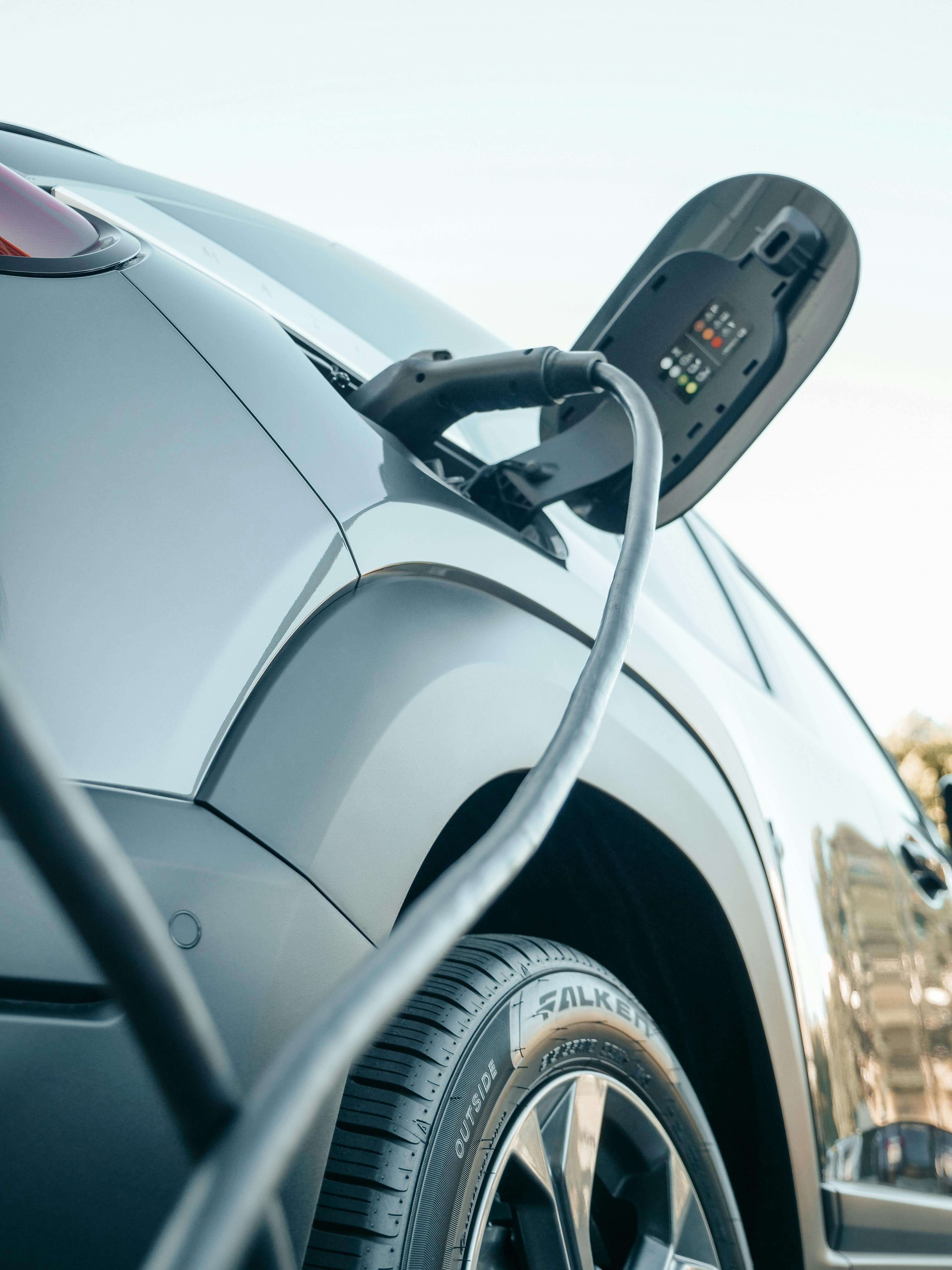
Traditional car companies of Mercedes-Benz holding hands with Huineng Technology have bet on the further promotion of solid-state battery industrialization.

Опубликовано: Jan 28, 2022 13:21
[Mercedes-Benz hand in hand Huineng traditional car companies are betting on the industrialization of solid-state batteries] recently, it has been reported that solid-state battery company Huineng Technology has received an investment of nearly 100 million euros from Mercedes-Benz. The cooperation framework agreement between the two sides includes the joint development of solid-state battery chips for electric vehicles and an agreement to introduce solid-state batteries into a series of important nodes of passenger cars in the second half of 2020-2030.

Recently, there are media reports that solid-state battery company Huineng Technology has received an investment of nearly 100 million euros from Mercedes-Benz. The cooperation framework agreement between the two sides includes the joint development of solid-state battery chips for electric vehicles and an agreement to introduce solid-state batteries into a series of important nodes of passenger cars in the second half of 2020-2030.

Huineng Technology is a company specializing in solid-state battery research and development, and has previously cooperated with Lailai, Aichi Automobile and Enovate in the field of solid-state batteries.

As far as the industrial chain is concerned, this news means that leading car companies and innovative solid-state battery enterprises are once again promoting the coordination of the industry.

Solid-state battery technology is very popular.

Compared with the traditional lithium battery, solid-state battery is a kind of solid electrolyte to replace the original liquid electrolyte, which can not only improve the battery capacity and energy conversion rate, but also avoid the contact between positive and negative electrodes and provide good safety.

Under the influence of factors such as electric vehicle mileage anxiety and the competition for next-generation battery technology, leading battery manufacturers, traditional car companies and other parties have come up with plans in the field of solid-state batteries.

Take the leading battery manufacturers as an example, Ningde Times has made solid-state battery samples and said that for all-solid-state battery and other next-generation battery technology, the company always maintains a high degree of attention and carries out the technical layout; SK On, the world's fifth largest battery leading manufacturer, is setting up a new battery technology research and development center that will cover negative electrode, high nickel, solid-state battery, etc., and establish a trial production line designed for soft package battery to test solid-state battery.

In contrast, solid-state batteries have become a "bet" for traditional car companies, and more and more overseas car companies, which are lagging behind in the field of lithium batteries, plan to use solid-state batteries to achieve "corner overtaking".

Earlier, Nissan announced that it would invest 2 trillion yen in electric vehicles over the next five years, and solid-state batteries are one of the key pillars of its long-term future strategy. Earlier, BMW, Ford and other car companies also put the technology iteration on the agenda, planning to carry vehicles with solid-state batteries in 2022 for actual operating condition testing.

Industrialization to accelerate R & D strength is the key

With the coordinated promotion of the industries of major companies, the timetable for the industrialization of solid-state batteries may be more optimistic. At present, LG Energy has made efforts on the commercialization of solid-state batteries, and its solid-state battery planning table shows that LG Energy will realize the commercialization of all-solid-state batteries from 2025 to 2027.

Recently, a scientific team from Japan has shown that in solving the problem of strong resistance of positive electrodes and solid-state electrolytes, the team has found a way to expose the battery to N2, O2, CO2 and H2 and adopt a "annealing" method to solve the resistance problem, which also provides support for expanding the application potential of all-solid-state batteries.

However, back in China, Ouyang Gaoming, academician of the Chinese Academy of Sciences and vice president of the China Electric vehicle Association of 100, said that the domestic layout of the solid-state battery industry chain is not complete, and the core electrolyte technology does not yet have the strength to compete with multinational enterprises.

Ouyang Minggao also pointed out that the application and technology of solid-state battery materials need to rise abruptly based on accumulated strength. Zheshang Securities also pointed out that battery technology is still in the early stages of growth, there is still huge room for upgrading and a high degree of uncertainty, continuous technology iteration will update the competitive landscape.

Заявление об источниках данных: За исключением общедоступной информации, все остальные данные обрабатываются SMM на основе общедоступной информации, рыночного общения и с опорой на внутреннюю базу данных и модели SMM. Они приведены только для справки и не являются рекомендациями для принятия решений.

По любым вопросам или для получения дополнительной информации, пожалуйста, свяжитесь: lemonzhao@smm.cn
Для получения дополнительной информации о доступе к нашим исследовательским отчётам обращайтесь:service.en@smm.cn
Связанные новости
[Опровержение слухов о твердотельных аккумуляторах: Ван Фан из CATARC заявил, что решение о соответствии для предприятий по производству твердотельных аккумуляторов не принималось]
14 минут назад
[Опровержение слухов о твердотельных аккумуляторах: Ван Фан из CATARC заявил, что решение о соответствии для предприятий по производству твердотельных аккумуляторов не принималось]
Читать далее
[Опровержение слухов о твердотельных аккумуляторах: Ван Фан из CATARC заявил, что решение о соответствии для предприятий по производству твердотельных аккумуляторов не принималось]
[Опровержение слухов о твердотельных аккумуляторах: Ван Фан из CATARC заявил, что решение о соответствии для предприятий по производству твердотельных аккумуляторов не принималось]
[Опровержение слухов о твердотельных аккумуляторах: Ван Фан из CATARC заявляет, что определение соответствия предприятий по твердотельным аккумуляторам не проводилось] 4 сентября 2026 года Ван Фан, главный научный сотрудник Китайского центра автомобильных технологий и исследований (CATARC), опроверг недавние слухи на «Всемирной конференции по энергетическим батареям 2026»: CATARC не проводил никаких определений в отношении предприятий, занимающихся твердотельными аккумуляторами, и связанные с этим слухи являются «ложной информацией». Ранее на рынке появились сообщения о том, что CATARC на основе национального стандарта GB/T 43568-2026 «Твердотельные аккумуляторы для электромобилей. Часть 1. Терминология и классификация», вступившего в силу в июле этого года, провел определения в отношении более чем 320 предприятий, занимающихся твердотельными аккумуляторами, и только 9 из них в конечном итоге полностью прошли все пункты соответствия.
14 минут назад
Августовский анализ производства сульфидного электролита: мощность удвоена — почему загрузка всё ещё на минимальном уровне?
2 часов назад
Августовский анализ производства сульфидного электролита: мощность удвоена — почему загрузка всё ещё на минимальном уровне?
Читать далее
Августовский анализ производства сульфидного электролита: мощность удвоена — почему загрузка всё ещё на минимальном уровне?
За январь–август 2026 года совокупный объём производства сульфидных электролитов в Китае достиг 70,44 тонны, увеличившись на 119,7% в годовом исчислении и уже превысив показатель за весь 2025 год (58,29 тонны). Однако за этим впечатляющим ростом скрываются три суровые реальности.
2 часов назад
[Твердотельный аккумулятор: производство сульфидного электролита 70 тонн, январь-август]
2 часов назад
[Твердотельный аккумулятор: производство сульфидного электролита 70 тонн, январь-август]
Читать далее
[Твердотельный аккумулятор: производство сульфидного электролита 70 тонн, январь-август]
[Твердотельный аккумулятор: производство сульфидного электролита 70 тонн, январь-август]
[Твердотельный аккумулятор: Производство сульфидного электролита 70 тонн в январе-августе] С января по август 2026 года совокупное производство сульфидного электролита в Китае достигло 70 тонн, увеличившись на 119,7% в годовом исчислении и уже превысив общий показатель за весь 2025 год (58,29 тонны). Однако этот впечатляющий рост скрывает три суровые реальности: ① Достигнуто лишь 19,6% годового прогнозного целевого показателя (360 тонн); ② Коэффициент использования мощностей в августе составил всего 5,82%, мощности серьёзно простаивают; ③ Цены на продукцию продолжали резко падать (LPSC упал более чем на 24% за один месяц). Среднемесячное производство в четвёртом квартале, скорее всего, окажется в диапазоне 11,5–13 тонн, а общий годовой объём составит примерно 118–121 тонну, что представляет собой «уверенный подъём». Годовой прогноз — 360 тонн, за первые восемь месяцев выполнено лишь 70 тонн: разрыв между «плавным наращиванием» производства сульфидного электролита в Китае и реальностью.
2 часов назад