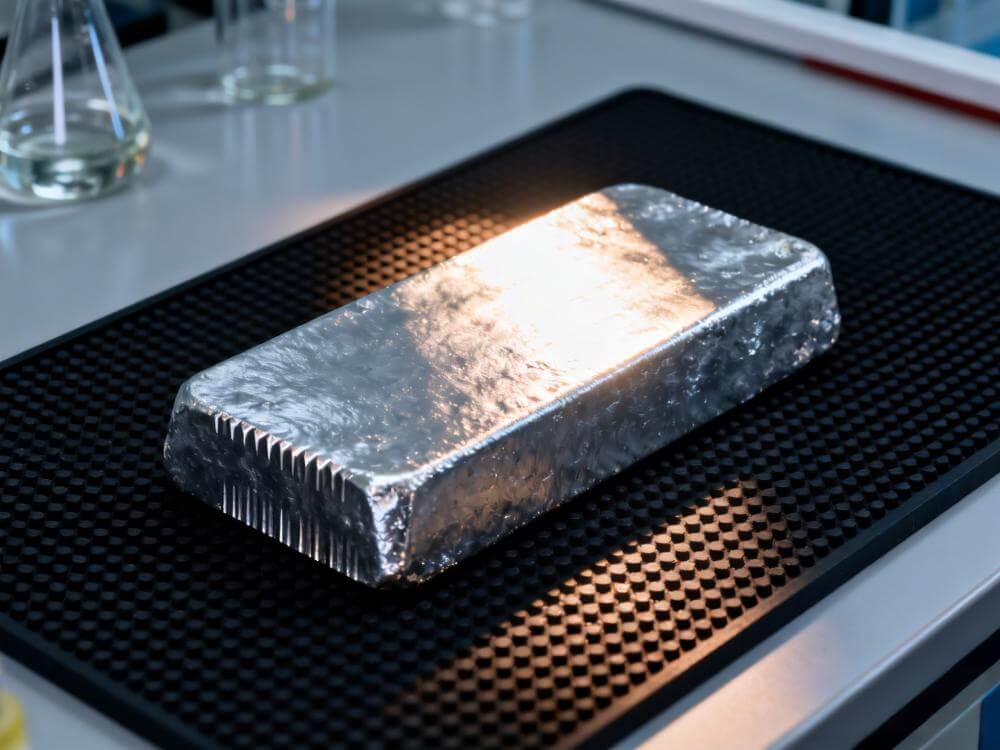
Oil-coated packaging of magnesium materials and workpieces
In order to prevent magnesium alloy materials and workpieces from being contaminated or corroded during storage and transportation, oil packaging should be applied within 48 hours after passing the inspection, and protective oil must be removed before use. Therefore, the requirements for anticorrosive oil are: it has strong anti-corrosion performance and is easy to seal and remove oil, but also economical and reasonable, and the oil layer can not be too thick. The commonly used antirust oils are mineral oils containing various corrosion inhibitors, which are oxidized waxes, water-soluble sulfonates, fatty acids, esters, soaps, etc., which form a layer of hydrophobic corrosion inhibition polymer film on the interface between oil and magnesium. It has a strong protective function.
Magnesium alloy is easy to corrode under natural conditions. In addition to the protective methods listed in Table 1, it must also be done in the process of transportation, storage, storage and use:
1. Magnesium materials and workpieces shall not be exposed to moist air for a long time, let alone foggy or rainy.
two。 When storing magnesium materials and workpieces, direct contact with acid, alkali and salt is strictly prohibited.
3. The humidity of the warehouse for storing magnesium materials and workpieces shall not be more than 75%, and the temperature should not change drastically.
4. Magnesium materials and workpieces must be sealed and capped to prevent moisture. If mild corrosion is found, the corrosion products must be unsealed, deoiled, cleaned and dried as soon as possible, and then re-encapsulated.
5. When storing magnesium and workpieces for a long time, regular inspection and necessary anti-corrosion treatment must be carried out.
Safety and hygiene during surface treatment
Magnesium and magnesium oxide are non-toxic, but do not inhale large amounts of dirt, dust and other foreign impurities, and there are no reports that handling magnesium alloys (including those containing thorium, etc.), mechanical finishing and pickling are harmful to human health.
Bulk magnesium and magnesium alloys burn only when they are heated close to their melting point. Because of their high thermal conductivity, there are no serious over-hot spots, so that the solid form of castings or workpieces can be maintained without the risk of fire, unless exposed to other open fire, but a large number of fine magnesium particles produced during sawing, dry sandblasting, grinding, sanding, polishing and polishing will burn because of sparks or other heat sources. When doing this kind of work, all the dust produced must be collected into permitted wet containers to avoid sparks or contact with other fires, and be transported to a safe place for storage in time, so that the combustion risk of magnesium and dust can be reduced to a minimum. When engaging in this kind of operation, we must formulate strict safety measures in accordance with the safety regulations and regulations of the relevant departments, and do not be negligent. There are numerous such fire and explosion accidents all over the world.
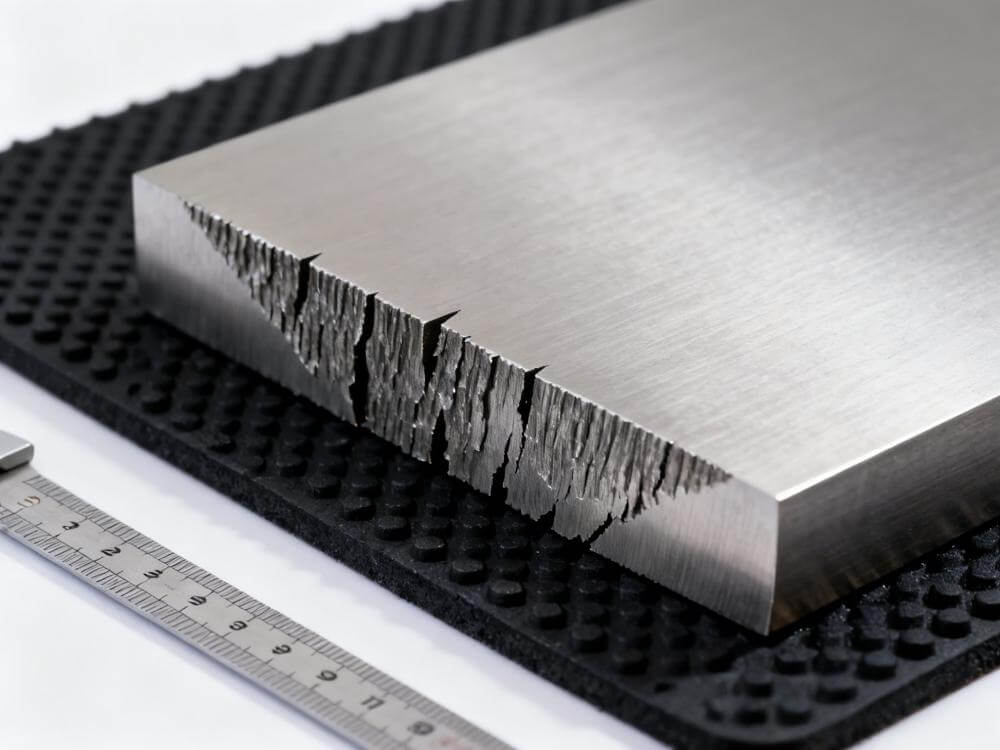
![Aumento do carvão impulsiona o mercado de magnésio, consolidação de dois meses finalmente é rompida, cortes de produção e redução de estoques sinalizam próxima alta [Análise SMM]](https://imgqn.smm.cn/usercenter/mLwgx20251217171723.jpeg)
![Preços do magnésio disparam impulsionados por custos, demanda fraca torna alta insustentável [Análise semanal do magnésio da SMM]](https://imgqn.smm.cn/usercenter/rUQIB20251217171723.jpeg)