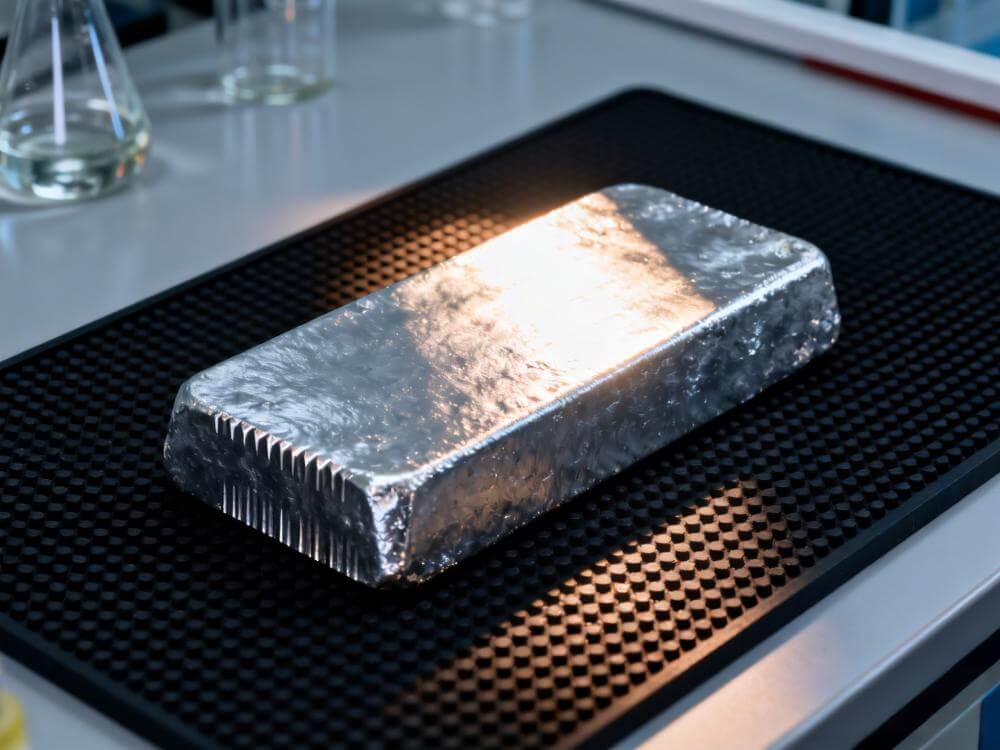
In 2008, China took over as the Secretariat of the ISO/TC79/SC5 magnesium and magnesium Alloy International Standardization Technical Committee. After more than 10 years of efforts, China completed 5 international standards dominated by China and 8 international standards under development. Sing China's voice on the international standard stage and guide international standardization workers to jointly carry out the standardization of magnesium and magnesium alloys.
China's magnesium industry has gone through more than 60 years and history, but also left several generations of magnesium industry for more than 60 years of pursuit and expectation. Today, China has become the largest producer and consumer of the magnesium industry in the world. At the same time, as the secretary of the International Sub-Technical Committee for Standardization of magnesium and magnesium Alloys (ISO/TC 79/SC 5), China has led the world magnesium industry to move forward healthily in the field of standardization.
For 60 years, towering and towering is at the top of the pack.
During the 60-year extraordinary years of China's magnesium industry, the first 30 years were extensive and unilateral development. at that time, the cumulative output of magnesium in the country was 75110 tons, of which the total output of magnesium in Fushun Aluminum Plant was 72270 tons, accounting for 96.2% of the total output of the country. In the same period, a total of 69650 tons of magnesium were imported. In other words, the first magnesium factory in New China has supported half of the country's magnesium demand for as long as 30 years. In the last 30 years, China's magnesium industry has developed healthily under the market economy system, and the overall growth has been maintained. In 1987, the annual output of original magnesium was 3450 tons, and by 2018, it had reached 835000 tons, an increase of 241 times. at the same time, the whole industry chain such as magnesium smelting, magnesium alloy melting and casting, magnesium alloy processing and magnesium alloy products had been gradually established.
In 2019, under the background of the slowdown of global economic growth, China's economy is running smoothly and making progress steadily. In 2019, China's original magnesium output was 968500 tons, an increase of 12.22% over the same period last year. At the same time, the output of magnesium alloy increased by 16.94% over the same period last year, reaching 385800 tons, and the output of magnesium powder reached 120400 tons, which was basically the same as that of the previous year. In terms of industrial structure, magnesium smelting products are still given priority to, and the industrial layout is mainly in Shaanxi, Shanxi, Ningxia and other places.
In order to speed up the transformation and upgrading of the magnesium industry and promote the technological progress of the industry, the Ministry of Industry and Information Technology launched the revision of the magnesium Industry access conditions (2011) in May 2018. The magnesium Industry Standard conditions (draft for soliciting opinions) was formed in September 2019, and the magnesium Industry Standard conditions was issued on February 28, 2020, which has been implemented on March 30, 2020. At the same time, the "conditions for access to magnesium Industry" and the "interim measures for the Administration of access announcements for magnesium smelting Enterprises" issued on March 7, 2011 were abolished.
On November 25, 2019, the Ministry of Industry and Information Technology issued the demonstration guidance Catalog for the first batch of key New Materials (2019 Edition), which will enter into force on January 1, 2020. The catalogue of demonstration guidance for the first batch of key New Materials (2018 Edition) (original No. 262 of the Ministry of Industry and Information Technology (2018)) shall be abolished at the same time. The new edition of "demonstration catalogue of the first batch of key new materials" has been selected as "magnesium alloy wheels" and "non-rare earth high performance magnesium alloy extruded materials (used in automobiles, rail transit, aerospace, also including magnesium alloy bars)." these two kinds of magnesium alloy materials.
In addition, on October 30, 2019, the National Development and Reform Commission revised and issued the guidance Catalog for Industrial structure Adjustment (2019), which will come into effect on January 1, 2020. The guiding catalogue of Industrial structure Adjustment (2011 version) (revised) shall be repealed at the same time. In the new catalogue (2019), "high performance magnesium alloy and its products" are included in the scope of the new materials industry under the encouraged non-ferrous metal project for the first time, and "magnesium alloy" is included in the application field of lightweight materials in the encouraged automotive project; at the same time, the magnesium smelting project included in the restricted category does not include comprehensive utilization projects and advanced energy-saving and environmental protection process technology transformation projects.
As early as 2013, in order to implement the opinions of the State Council on strengthening the key work of Environmental Protection (Guofa [2011] No. 35), the Circular of the State Council on issuing the Comprehensive work Plan for Energy Saving and Emission reduction during the 12th five-year Plan (Guofa [2011] No. 26) and the Circular of the State Council on Printing and issuing the 12th five-year Plan for Energy Saving and Emission reduction (Guofa [2012] No. 40), guide enterprises to carry out ecological design of industrial products, To promote the transformation of the mode of production and consumption to green, low-carbon, clean and safe, the Ministry of Industry and Information Technology, the National Development and Reform Commission and the Ministry of Environmental Protection jointly issued the guidance on developing Ecological Design of Industrial products (Joint Section [2013] No. 58 of the Ministry of Industry and Information Technology). According to the concept of the whole life cycle, ecological design systematically considers the impact on resources and environment caused by the selection, production, sale, use, recovery and treatment of raw materials in the stage of product design and development. strive to minimize the consumption of resources in the whole life cycle, as little or no use of raw materials containing toxic and harmful substances, reduce the production and discharge of pollutants, so as to achieve environmental protection activities.
Through the above national policies, we can see the general direction of the industrial structure adjustment of magnesium industry, that is, "blocking in front and thinning after". For the magnesium smelting field in the upper reaches of the industrial chain, through the strict constraints of environmental protection, energy consumption, safety and other red lines, to promote the transformation and development of enterprises under the framework of green and healthy, to give up "rough" and give up the damage to the environment. Give encouragement and policy support to magnesium alloy processing and magnesium alloy products in the lower reaches of the industry chain, so that magnesium can give full play to its lightweight properties and improve its market application as a new material.
The standard system is perfect and healthy.
The magnesium and magnesium alloy standard system covers the whole industry chain products such as magnesium smelting, magnesium alloy melting and casting, magnesium alloy processing and magnesium alloy products, supplemented by safety, energy consumption, environmental protection and other management standards. as well as terms and definitions, chemical analysis methods, physical performance measurement methods, equipment and other basic standards.
Wear "gold hoop" in the field of magnesium smelting
Magnesium smelting refers to the production process of magnesium metal with primary magnesium ingots as the main products. At present, there are two main methods of smelting magnesium, that is, the solution containing magnesium chloride is dehydrated or baked from spinel, brine or sea water, and then electrolyzed, which is called electrolysis; and ferrosilicon is used to reduce magnesium oxide calcined from carbonate ores, which is called thermal reduction method (Pijiang method). At present, the production of magnesium smelting in China is still dominated by Pijiang process, but the commissioning of electrolytic magnesium in Qinghai Salt Lake has also injected new forces and more possibilities into the magnesium smelting industry.
Table 1 lists the standards directly related to the magnesium smelting industry. In the system, there are "red line standards" around primary magnesium ingots, such as energy consumption limits, safe production, greenhouse gas emissions, cleaner production, as well as smelting equipment, gas products and other related standards. In the future, standards for recovery and disposal of smelting slag, production process, energy-saving monitoring and diagnostic services, pollutant discharge and green plant evaluation will also be planned.
Magnesium alloy casting through terminal
Magnesium alloy casting production is relatively low-end, mainly play the role of magnesium alloy lightweight, applied to automotive steering wheel, engine, center console, seats and other parts, as well as motorcycles, shared bicycles and other fields. Magnesium alloy casting production does not need over-complex surface treatment process, most casting products can be directly reflected in the end products in the form of castings after simple passivation.
Table 2 lists the standards related to magnesium alloy casting production. The system takes casting alloy and castings as the main line, and mostly takes the product standard as the main line. Magnesium alloy deformation reflects high-end
Magnesium alloy deformed products are mainly plate, strip, bar, pipe, profile, and have been used in fields such as car door, notebook shell, high-speed rail luggage rack and so on.
Table 3 shows the relevant standards in the field of magnesium alloy deformation processing. The system is also based on product standards. There are all kinds of other products.
In addition to a large number of magnesium alloy casting, deformed products, there are some magnesium powder, forgings, sacrificial anodes and so on, these products also have corresponding standards.
Basic standard logistics support
The important guarantee of supporting all the products in the magnesium and magnesium alloy industry chain, such as chemical analysis methods, physical properties measurement methods and packaging, transportation and storage standards, these standards constitute a solid guarantee for the production of magnesium industry and the trade behavior of both supply and demand.
On the whole, the standard system of magnesium and magnesium alloy in China is basically perfect, which not only meets the supervision of enterprises by the government, but also meets the needs of production and trade of the industry, and fully adapts to the basic status of China's magnesium industry as a big country.
Tomorrow's star of magnesium-based new materials
Through the previous analysis, we can easily come to the conclusion that the standard system of magnesium and magnesium alloy is basically perfect and meets the basic requirements of industrial production, so where is the future development direction of the standard of magnesium and magnesium alloy? Is it a revision of the existing standards?
The answer is no, magnesium alloy as a new material has been widely concerned and recognized by the community, more and more consensus that magnesium alloy after proper anti-corrosion treatment, can get similar to or even better properties of other materials. It is also believed that the composite of magnesium and magnesium alloys with other materials can avoid the shortcomings of some magnesium alloys and assemble in the form of composite materials to achieve the effect of weight loss. Therefore, the general requirements of general magnesium and magnesium alloy product standards can not fully meet the application of magnesium and magnesium alloy in new materials, in view of the special use of magnesium alloy products in the field of subdivision, the product needs to be strictened on the premise of meeting the general requirements, which is not simply the change of size such as length, width and height, but the tightening of product precision, and behind it is the upgrading of magnesium alloy processing equipment and the fine requirements of the application field.
At the same time, we have to look at the application of magnesium and magnesium alloy in new fields from another point of view, for example, there are already high-purity magnesium and magnesium alloy applications in the field of biomedicine, and magnesium alloy products are also used in the construction of 5G base stations. Magnesium and magnesium alloy products have been widely used in automobiles, rail transit, aerospace, outdoor leisure equipment and so on. So how to standardize this "cross-border" magnesium and magnesium alloy products? The author believes that, as raw materials in the field of terminal applications, magnesium and magnesium alloys should not only meet the basic requirements of the existing standard system, but also meet the requirements of users for the guarantee of raw materials. In other words, both magnesium and magnesium alloy products should meet the requirements of existing standards for products such as plates, strips, pipes, bars, profiles, or castings, it is also the raw materials in the field of biomedicine, 5G base stations, automobiles, rail transit, aerospace, outdoor leisure equipment, etc., to meet the special requirements of post-assembly products, such as the requirements of high thermal conductivity and high strength of magnesium alloys for 5G base stations. The magnesium alloy for automobile four doors and two covers should meet all kinds of performance tests in the process of outdoor driving, need to meet various special requirements of the shelves in the high-speed rail box, and need to meet the strength and weather resistance of outdoor mountaineering.
In addition, in order to better implement the development concept of "innovation, coordination, green, openness and sharing" at the Fifth Plenary session of the 18th CPC Central Committee, the "green" standard system will also cover all magnesium and magnesium alloy production processes. Such as "magnesium smelting industry green factory evaluation requirements", "casting magnesium alloy industry green factory evaluation requirements" and so on. At the same time, the "three wastes" treatment, emission reduction and industrial solid waste resource utilization standards, energy conservation, consumption reduction standards, green products and green factory standards will be the focus of future work.
The strong rise of international standards
The ISO/TC79/SC5 magnesium and magnesium Alloy International Standardization Technical Committee was established in 1980. At present, the chairman of the committee is Pan Fusheng, academician of the Chinese Academy of Engineering and director of the National magnesium Alloy Materials Engineering and Technology Research Center, and has nine active (P) member countries, including China, France, Germany, Italy, Japan, South Korea, Russia, Spain and the United Kingdom. And 15 observer members, including Austria, the Czech Republic, Finland, Greece, Hungary, India, Iran, Poland, Portugal, Romania, Saudi Arabia, Serbia, Switzerland, Turkey and Ukraine.
At present, 25 international standards (including 16 international standards for analytical methods of magnesium and magnesium alloys reported by ISO/TC 79) and 11 international standards under study (see Table 6) have been issued in the field of magnesium and magnesium alloys, of which 8 are led by China. It mainly includes important international standards such as primary magnesium ingots, cast magnesium alloys, wrought magnesium and magnesium alloys, magnesium alloy sacrificial anodes and more than 20 international standards for analytical methods.
It can be seen from the table that after more than 10 years of efforts, the international standard system in the field of magnesium and magnesium alloys has undergone earth-shaking changes. and has covered from primary magnesium ingots to cast magnesium alloys, wrought magnesium alloys, magnesium alloy sacrificial anodes and other important international standards and supporting more than 20 analytical method standards, but the standard system still needs to be modified. For example, the lack of magnesium and magnesium alloy status codes, surface treatment standards, packaging and transportation and other basic standards, as well as magnesium and magnesium alloy plate, strip, foil, pipe, bar, wire, castings, forgings and other product international standards have not yet been issued. At the same time, the standard of analysis method is still based on chemical analysis and the standard age is relatively long, and most of them are products of the 1980s and 1990s. Although the precision of the analytical method of "shaking bottle" is good, however, because the experimental process takes a relatively long time and is likely to use toxic and harmful chemical reagents, it is easy to cause harm to operators, so we still lack a number of instrumental analysis methods of magnesium and magnesium alloys to meet the actual needs of modern analysis field.
Research on the internationalization of the Foreign language Edition
The English version of national standards is not only the best shortcut for China's technical standards to go abroad, but also an effective supplement to international standardization work. It can quickly show our standards to international customers, greatly improve the efficiency of international trade, and effectively avoid some restrictions on the revision of international standards (ISO). Due to the early recognition of the importance of the English version of national standards, the English version of 16 important national standards was first formulated in the field of non-ferrous metals in China in 2008 to set an example for promoting the development of Chinese standards, but it is a pity that the standards in the field of magnesium and magnesium alloys are not included in the first 16 English versions of national standards. Since then, the development of the foreign language version of national standards has quietly become a part of the international standardization work in the field of non-ferrous metals, and has concentrated on the development of dozens of English versions of national and industry standards from 2017 to 2019.
The development of the foreign language version of the national standard has been highly valued by the National Standardization Management Committee. Promoting the foreign language version of national standards is an important starting point for implementing the relevant requirements of the Central Committee and the State Council and promoting the construction of "Belt and Road Initiative." In view of this, at the same time as the second batch of recommended national standards plans just issued in August 2020, the Department of Standards and Innovation Management of the State Administration of Market Supervision and Administration organized experts to evaluate the 501 national standards projects. this further implements the relevant work requirements of the 2020 Government work report of the State Council and the opinions of the CPC Central Committee and the State Council on speeding up the improvement of the socialist market economic system in the new era. It has effectively promoted the institutional opening of rules, regulations, management, standards and so on. According to the initial evaluation of experts, there are 99 projects that can be set up in the foreign language version. In order to improve the scientific nature and accuracy of the foreign language version plan, the Department of Standards and Innovation Management entrusts various professional and technical committees throughout the country to solicit opinions on whether the second batch of projects should be established in the foreign language version. Please re-examine and determine whether to establish the foreign language version of the project for the other projects except 99 items. If you do not set up the project, you need to explain the reasons.
The development of foreign language version has changed from "bottom-up" to "top-down". This change reflects the urgent need and great importance of the CPC Central Committee, the State Council and the competent departments at all levels to promote the foreign language version of national standards.
As China is the secretary of the ISO/TC 79/SC 5 International Standard Sub-Technical Committee for magnesium and magnesium alloys, and the superior products of our country are preferred to be international standards, there is not much work on the development of the foreign language version of the national standard. Up to now, there are 7 standard foreign language versions in the field of magnesium and magnesium alloys.
The standard responsibility of a big country in the magnesium industry
China is a big country in magnesium and magnesium alloy industry, and it is also in a critical period of transformation from a big country to a powerful country. It can be predicted that for a long time in the future, standardization will be used as a booster to help China's magnesium industry "transformation from a big country to a powerful country". In the next time, we will complete the revision of 20 international standards and 50 domestic technical standards in the field of magnesium and magnesium alloys. Strive to improve and strengthen China's magnesium and magnesium alloy standard system through standardization work, guide the international standard work and industrial development direction of magnesium industry, achieve full coverage of standards in multiple dimensions, and give full play to the international responsibility and standard responsibility of a big country in China's magnesium industry.
![Aumento do carvão impulsiona o mercado de magnésio, consolidação de dois meses finalmente é rompida, cortes de produção e redução de estoques sinalizam próxima alta [Análise SMM]](https://imgqn.smm.cn/usercenter/mLwgx20251217171723.jpeg)
![Preços do magnésio disparam impulsionados por custos, demanda fraca torna alta insustentável [Análise semanal do magnésio da SMM]](https://imgqn.smm.cn/usercenter/rUQIB20251217171723.jpeg)