SMM: at present, with the increasingly mature manufacturing technology and performance, new energy vehicles stand out in the fuel market competition with excellent quality, making consumers' attention from fuel vehicles to new energy vehicles. Coupled with the implementation of lottery and limited number of fuel vehicles in some domestic cities, as well as strong state subsidies and policy support for new energy vehicles, the sales of new energy vehicles are increasing year by year.
The joint effect of the enthusiasm of internal factors and the strengthening of external protection makes new energy vehicles gain a firm foothold in the household automobile market. According to data, the number reached 420000 in 2015, 910000 in 2016, 1.53 million in 2017 and 2.61 million in 2018. In 2019, although the production and sales of new energy vehicles fell 2.3% and 4.0% respectively from the same period last year, the number of new energy vehicles reached a new level, reaching a record 3.81 million. From the increasing data over the years, we can see that the number of new energy vehicles in China has doubled in recent years.
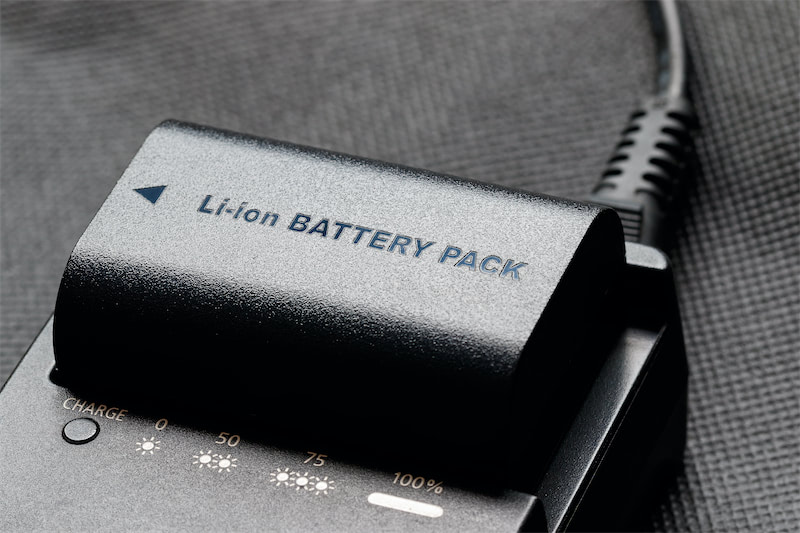
The "fuel" of the new energy vehicle is the stored electric energy. Although the electric energy itself is environmentally friendly, the power battery that stores the electric energy causes serious pollution to the environment after it is discarded. Once the recycling of the battery is not done well, it will produce several times more pollution than the fuel vehicle. Therefore, the recycling of power batteries of new energy vehicles should be considered. Generally speaking, the average service life of power batteries of new energy vehicles is about 5 years, and experts speculate that the power batteries produced during the rise of new energy vehicles in 2014 will enter the period of mass scrapping in the past two years. Experts believe that more than 200,000 tons of waste lithium-ion batteries will be produced this year. By 2022, as more new energy vehicles replace batteries, this figure will double again, possibly producing more than 500,000 tons of waste lithium-ion batteries.
As Dong Mingzhu, deputy to the National people's Congress and chairman of Gree Electric Appliances, pointed out during the two sessions in 2018, "New energy is definitely good, new energy vehicles are only one of the new energy, and we may need to pay more attention to the recycling of waste batteries in the future." At present, the main power sources of the mainstream new energy vehicles in the market are lithium manganate battery, lithium iron phosphate battery and ternary lithium battery. After these power batteries enter the scrapping process, how to control their whereabouts, how to prevent and control the environmental pollution caused by being discarded and buried at will, and how to identify those responsible for these huge amounts of waste and new energy batteries, it is something that must be clarified in the process of battery recycling. Therefore, we can not only see the beautiful picture of the bright spots and rapid progress of new energy vehicles in the automobile market, but ignore the scene of how to arrange these waste new energy batteries. Between joy and pain, it reflects the unity of corporate honor and responsibility, and it is also the hesitation and helplessness of the trade-off between giving up and getting.
In fact, the country was aware of this problem as early as 2012. When carrying out the top-level design of the new energy vehicle industry planning in 2012, the government and industry authorities regarded the recycling of power batteries as an important part of the development of the industry, and then continuously issued policies and standards related to the recycling of power batteries, in order to standardize the recycling of waste power batteries. The State Council issued documents such as the Plan for the implementation of the extended producer responsibility system and the National Standardization Administration Commission issued the Code for dismantling the Recycling and Utilization of vehicle Power batteries. In 2018, the Ministry of Industry and Information Technology issued the specific interim measures for the Administration of Recycling and Utilization of Power batteries for New Energy vehicles and the interim regulations on traceability Management of the recovery and Utilization of Power batteries of New Energy vehicles, which stipulated the management mechanism for the recovery and utilization of batteries. Various regions have also issued a battery recycling system, which clearly stipulates that car companies should bear the main responsibility for recycling. That is, "whoever makes it, who recycles". At the same time, it also requires relevant enterprises to fulfill the corresponding responsibilities in all aspects of power battery recycling to ensure the effective use and environmental protection disposal of new energy power batteries after replacement.
Yang Tao, an expert on lithium electricity and general manager of Henan Lithium Power supply Company, believes that "now large enterprises have a complete battery recycling system, and the use of recycled batteries is relatively good. The problem mainly lies in many small and medium-sized mini electric vehicle enterprises. Battery recycling is still in a scattered and poor situation, and it is urgent to solve the recycling problem." At present, the recycling of waste power batteries in China is generally divided into two types: echelon and disassembly. The former is mainly aimed at batteries with reduced capacity. Is to let these new energy batteries that can not normally drive vehicles exert their waste heat and use them for other purposes, just like dry batteries that run out of power on toys, which are installed on low-power appliances such as radios and continue to be used until they are finally scrapped. The latter is to disassemble and classify the waste batteries for resource treatment, in which all valuable renewable resources are recovered, such as cobalt, lithium, nickel and other precious metals rich in lithium-ion batteries can be extracted and reused as new battery materials, so as to effectively save resources and protect the environment.
According to statistics, with the support of national policies, all kinds of domestic responsible enterprises, including battery manufacturing enterprises, automobile manufacturing enterprises, scrapped car recycling and disassembly enterprises, and echelon utilization enterprises, are also actively carrying out commercial layout. at present, there are only more than 3000 new energy battery recycling service outlets officially recognized, which is a big gap compared with the large number of new energy vehicles in China, which seems to be a drop in the bucket. The reason is that some manufacturers of new energy vehicles are not interested in recycling and move slowly. Although the new regulations clearly stipulate recycling procedures, due to the lack of a high degree of marketing concept of new energy vehicles, as well as the lack of capacity and funds to dispose of waste batteries, for them, they are not fully prepared to deal with such a large number of waste batteries, either ideologically or technically, and small and medium-sized new energy vehicle manufacturers are willing but powerless. Unable to recycle the new energy vehicle batteries produced by themselves, which results in the lag of the recycling of new energy batteries.
Compared with the new energy battery manufacturers are unwilling to recycle batteries, many capital and enterprises regard the recycling of such batteries as a new "blue ocean". A number of enterprises in the A-share market have entered the power battery recycling industry. For example, Grimme has built six major battery disassembly industry bases in China, and the annual recovery of cobalt metal resources exceeds the amount of raw cobalt in China. It has become the leading enterprise in the recycling of waste power batteries in China. In addition, some large battery production and use enterprises in China have also seen a huge market for new energy and waste batteries. 16 enterprises, including China Iron Tower, Chongqing Changan, BYD, Yinlong New Energy, Guoxuan Hi-Tech, and Thornton New Energy, have signed strategic partnership agreements for the recycling of power batteries for new energy vehicles.
Relevant research shows that the recycling market created by waste batteries will exceed 10 billion yuan in 2020 and reach 25 billion yuan in 2023. In the face of the huge market capacity, lithium expert Yang Tao believes that compared with the astonishing stock of new energy vehicles in the market, the recycling policy has not yet been implemented, and the scale and effect still do not achieve the desired results of the government and enterprises. At the same time, because few formal recycling enterprises enter this field, and private organizations come to enter the battery recycling industry and lack of official guidance, there are a lot of chaos in today's new energy battery recycling industry. for example, some batteries with remaining capacity flow to the black channel for inferior quality, disturbing the market; There are also some workshop recycling enterprises due to the lack of enterprise technology and environmental protection management, resulting in the secondary pollution of the environment caused by theft and leakage. From the safety point of view, there are some hidden dangers in the improper disposal of waste power batteries, such as electric shock, explosion or corrosion, which require us to pay special attention to the problem of control.
In order to solve this problem safely and quickly, Yang Tao believes that in addition to the enterprises' own efforts, the continuous support of the government is the key. For the new energy vehicle industry chain, the recycling of power battery is an indispensable final link, but under the background that the current battery recycling mode is not clear, it is necessary to establish a complete battery recycling industry chain. it needs the joint promotion of government policy, enterprise technology and objective market. On the one hand, because the power battery recycling in our country is still in the initial stage of growth, it is impossible to rely on the strength of automobile companies alone, and we need policy support very much. Therefore, the government needs to improve the policy, take "awards" as incentives, strengthen implementation, encourage producers and sellers to participate in power battery recycling through flexible means such as subsidies, and guide the market to establish a battery recycling mechanism. At the same time, strengthen the linkage of departments, strengthen the promotion of policies, and attract a large number of funds and enterprises to enter the new energy battery recycling industry, so as to expand and promote the increase of battery recycling and the improvement of disassembly utilization.
On the other hand, due to the needs of process design and patented technology protection, various new energy vehicle manufacturers use different battery standards, and each has its own technical know-how, such as materials, product shapes and use parameters. this makes it difficult for batteries to be disassembled and recycled. For the sake of environmental protection, it is necessary for the state to formulate and issue mandatory recycling technical standards, to supplement the measure of "penalty" on the basis of strengthening training, and to encourage recycling enterprises in the process of extraction and decomposition of valuable metals in new energy battery cells, use advanced technology and equipment to carry out echelon utilization and recycling, so as to effectively standardize the market behavior of new energy battery recycling industry. To ban and eliminate a number of recycling enterprises that do not meet the standards, and clean up the chaos in the industry.

Scan the code and apply to join the SMM New Energy Exchange Group.
![[SMM Flash de Cromo] Exportações de ferrocromo da África do Sul caem 20,8% em julho na comparação mensal, com risco de excesso global pesando sobre a demanda chinesa](https://imgqn.smm.cn/usercenter/UhBXJ20251217171724.jpeg)
![Os preços de wafers e células solares continuam em leve queda, enquanto cortes na produção de vidro sustentam aumentos de preços [Análise Semanal SMM]](https://imgqn.smm.cn/usercenter/JPzPS20251217171723.jpeg)