1. Introduction
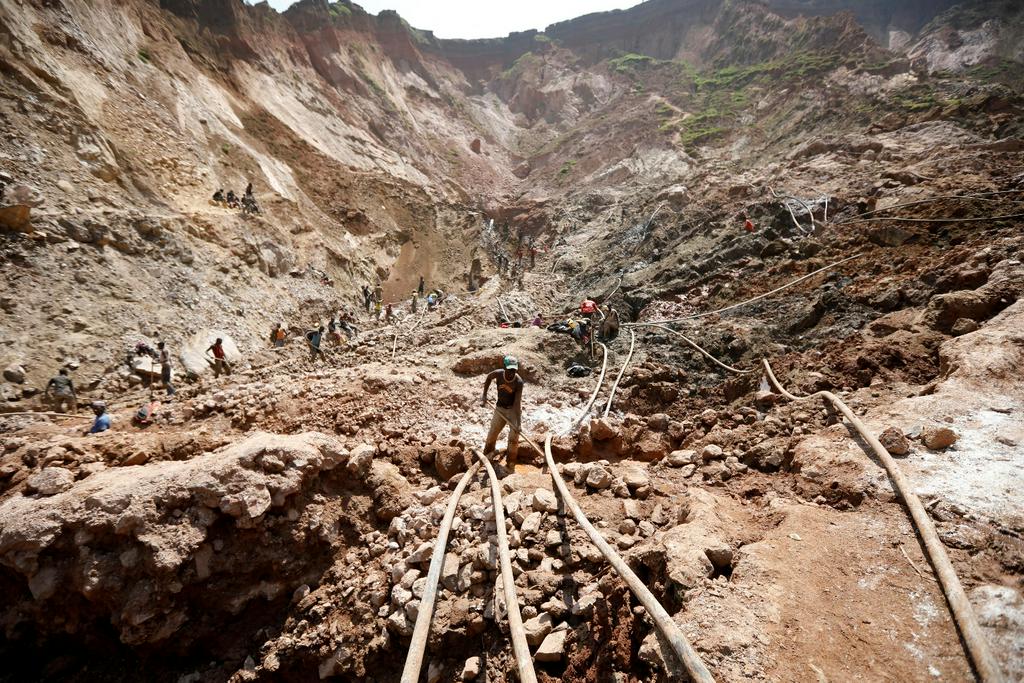
Coltan, the ore that yields tantalum and niobium, sits at an unusual point in the metals market. It is a critical input for capacitors used in electronics and aerospace. Its production is heavily concentrated: the Democratic Republic of Congo (DRC) and Rwanda together account for more than half of world tantalum mine output, according to USGS figures. Much of the trade still runs through small and mid-sized exporters rather than large, bank-backed corporates and formal banking penetration across this corridor is limited, which shapes how deals get paid for as much as it shapes anything else about the trade.
This article sets out the payment structures currently used in African Coltan trading, how each one allocates risk between buyer and seller and where the practical weak points sit. It is written as a working guide for traders navigating this market, not as a statistical survey and it draws on established trade-finance principles alongside patterns that recur across the sector.

2. Common Payment Structures
Telegraphic transfer (T/T) dominates as the trader’s method of choice. Rather than a single payment, sellers typically split the total price into two or three tranches tied to specific milestones: an advance on signing, a further tranche against the bill of lading and shipping documents once goods are loaded and a balance on or after arrival at the destination port. Splits vary by deal, but they cluster around variations on the same logic: give the seller enough cash upfront to cover export taxes and logistics, give the buyer enough documentary assurance before the bulk of the payment moves and leave a smaller final tranche to cover any quality dispute discovered on arrival.
This mirrors basic trade-finance economics. As the US government's own trade finance guidance puts it, for an exporter, any sale is effectively a gift until payment is received and for an importer any payment is effectively a donation until the goods are received. Every payment method in international trade is really just a different way of splitting that gap. Full cash-in-advance protects the seller completely but pushes all the risk onto the buyer. Open account, paying only after the goods arrive, does the opposite. Coltan trading in this corridor sits in between, using staged T/T to spread that risk rather than resolve it entirely in either party's favour.

3. Escrow and Alternative Arrangements
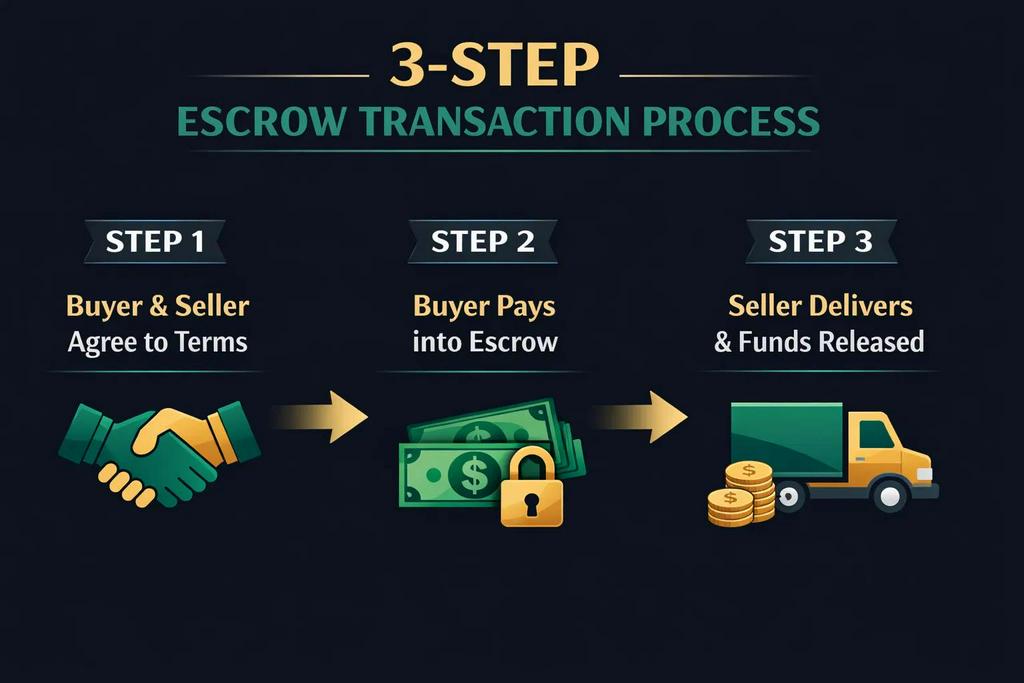
Where letters of credit are not available, escrow and, less commonly, physical collateral fill the gap. A typical escrow structure holds a portion of the contract value with a third party, often described as a lawyer's trust account and releases it in stages as inspection, loading and shipping milestones are met. A collateral structure works differently: the buyer wires an advance and separately deposits security, sometimes in gold, worth more than the advance itself, with the collateral returned once shipping documents are confirmed.
Escrow is a legitimate and long-established tool in trade finance and cash-in-advance guidance from US trade authorities specifically notes that escrow services have become a recognised option for smaller export transactions. The mechanism only works, though, if the third party genuinely sits outside the control of both buyer and seller and if the conditions for releasing funds can be checked independently rather than taken on trust. An escrow account introduced, named and effectively controlled by one side of the deal is a different thing from an escrow account administered by a bank the buyer has verified directly. The label is the same. The protection is not.

4. The Role of Inspection and Assay
Nearly every payment stage in this market is triggered by some form of independent verification rather than by trust alone. Buyers, or their appointed representatives, typically have the right to inspect stock at the seller's warehouse and to pull a sample for laboratory assay before releasing anything beyond an initial deposit. Grade matters commercially too: tantalite is priced primarily on its Ta₂O₅ (tantalum pentoxide) content, so a dispute over quality and a dispute over payment tend to arrive together.
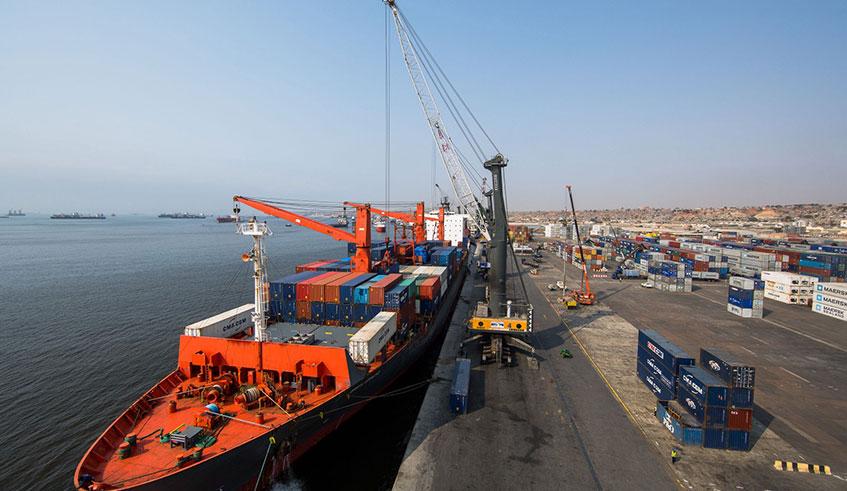
Payment against the bill of lading is the other major trigger. Once a compliant bill of lading and the accompanying shipping documents, certificate of origin, packing list, export permit and assay report, are presented, the seller has demonstrated the goods are on board and under way and a further tranche is released. This is effectively the same logic that underpins a documentary letter of credit, applied through direct wire transfer instead of a bank instrument. Third-party inspection firms exist precisely to make this kind of milestone verifiable rather than a matter of one party's word and using one is standard practice wherever a bank guarantee is not available to do the same job.

5. LCs, SBLCs and Bank Guarantees
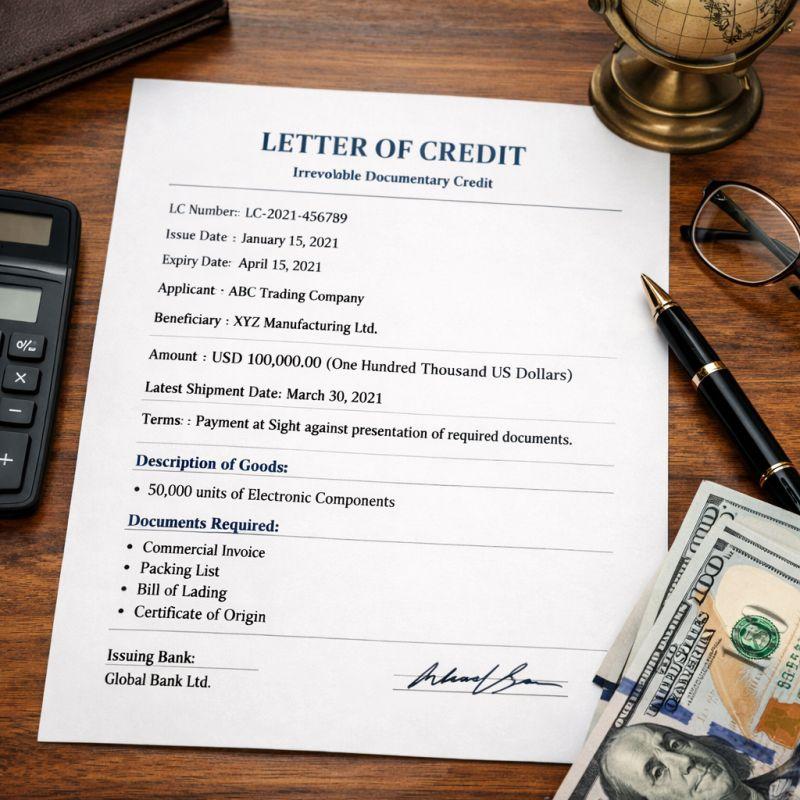
Letters of credit remain, in principle, the most secure instrument available in international trade: a bank commits to pay once compliant documents are presented, which removes counterparty trust from the equation entirely. In practice, some sellers across this market routinely state they cannot work with LCs, SBLCs or bank guarantees at all.
This is a real constraint, not simply a preference. Financial access research on the DRC's minerals trade has documented an almost complete absence of functioning banking services at the artisanal and small-trader level of the supply chain and more recent assessments of the DRC's investment climate continue to describe credit access as limited even for registered exporters, with high borrowing costs and short loan terms restricting what local sellers can offer as security. Where a seller cannot get a workable LC processed through a correspondent bank, that option is effectively closed to them, regardless of how much the buyer might prefer it. This is the specific gap that T/T, escrow and collateral structures exist to fill.

6. Buyer and Seller Risk
Every structure allocates risk somewhere. A large advance, 50% on signing for example, leaves the buyer exposed for a substantial sum before any goods have moved, with limited recourse if the seller does not perform. A back-loaded structure does the reverse: the seller ships and finances the transaction with only a small deposit in hand, trusting the buyer to pay the balance once the goods land and pass inspection. Staged T/T sits between these extremes and the exact ratio agreed in any given deal is really a negotiation over how much unsecured trust each side is willing to extend.
Escrow and collateral are attempts to narrow that gap without a bank's involvement, but they succeed only when properly administered. A genuinely independent escrow agent and verifiable release conditions can meaningfully protect both sides. An arrangement that looks the same on paper but is controlled by one party can leave risk exactly where it started, or concentrate it further on whichever side moves first.

7. Reading the Risk Signals
A few patterns are worth watching for. First, prices for similar-grade material can vary enormously across sellers in this market, sometimes by an order of magnitude for ore of comparable Ta₂O₅ content. That variance alone is a reason to check any quoted price against an independent benchmark, such as figures published by the US Geological Survey, before treating it as representative. Second, a blanket refusal to consider any bank instrument, combined with an unusually elaborate escrow or collateral scheme, is a combination that warrants extra scrutiny even where the underlying banking constraint is genuine. Third, contact details, company registration and any named escrow bank should be verified through channels the buyer controls, not only through the information the seller has provided.
None of this means every offer built around T/T and escrow is problematic. These structures exist because of a real and well-documented gap in trade finance access across the region. But the same features that make them a sensible response to that gap, staged payments, third-party-sounding intermediaries, urgency around closing the deal, are also the features that unscrupulous actors in commodity trading tend to copy. Treating payment structure and counterparty verification as two separate checks, rather than assuming one implies the other, is the discipline that protects against both.

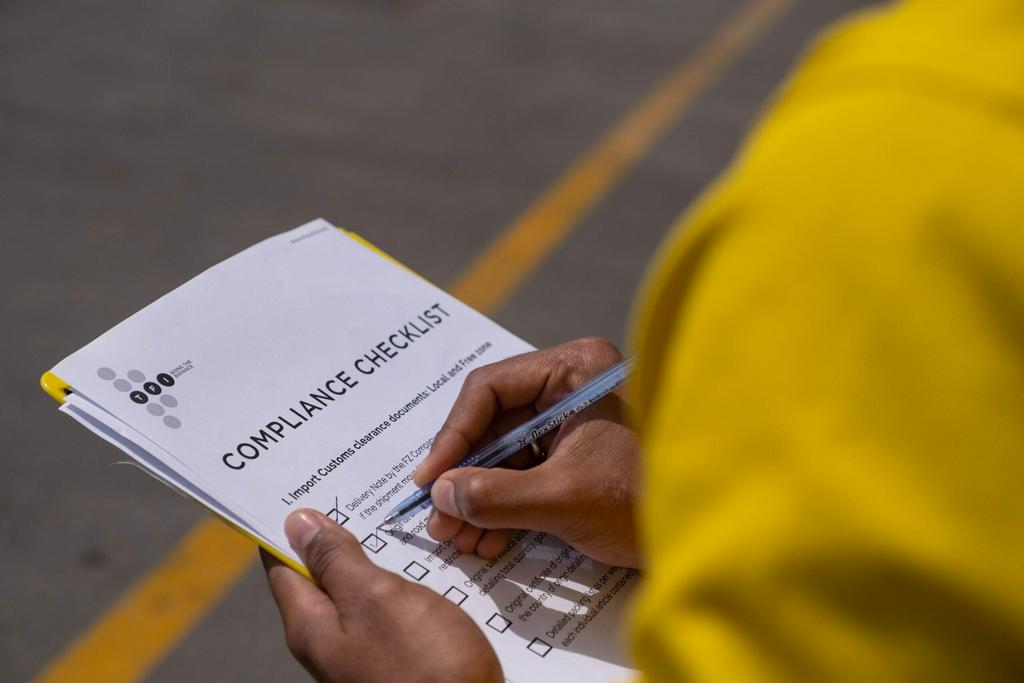
8. A Practical Checklist
|
Check |
What to confirm |
|
Company identity |
Registration, export licence and physical address, verified independently rather than through contacts the seller supplies |
|
Product quality |
Independent assay of a freshly drawn sample, not reliance on the seller's own certificate alone |
|
Inspection |
Use of a recognised third-party inspection firm to verify quantity, quality and loading |
|
Escrow or collateral |
The bank or agent confirmed directly by the buyer, with release conditions set out in writing and understood by both sides |
|
Payment triggers |
Each tranche tied to a specific, checkable event: sealed containers, a compliant bill of lading, an assay result |
|
Documentation |
Full export document set requested and checked for authenticity: invoice, certificate of origin, packing list, assay report, export permit, bill of lading |
|
Shipping terms |
Clarity on whether the deal is FOB, CIF or another basis and what that means for who insures the cargo and when |
|
Insurance |
Marine cargo cover arranged directly if the deal is FOB, since responsibility passes to the buyer once goods are loaded; confirmed and reviewed if the seller is arranging it under CIF |
|
Sanctions and AML screening |
Seller and its principals checked against sanctions lists, with attention to the jurisdictions any payment or escrow flows through |
|
Dispute resolution |
Governing law and an arbitration forum agreed and written into the contract before funds move, not left to be settled later |
|
Conflict-minerals compliance |
Origin traced and OECD/RMI due diligence completed separately from payment security, since the two are distinct obligations |
|
Pricing |
Any quoted price checked against an independent benchmark for the stated grade before it is accepted as reasonable |

9. Conclusion
T/T remains the backbone of payment in African Coltan trading, not because it is the most secure instrument available in theory, but because constrained banking access across the region makes letters of credit difficult for many sellers to offer in practice. Escrow, collateral and inspection-linked staging have emerged as the market's practical substitutes and each does a reasonable job of sharing risk when properly administered. For traders, the payment structure agreed in a contract is not a formality settled after the price. It is the main tool available for managing counterparty risk in a market where the conventional bank-backed alternative is often simply not on the table and it deserves the same level of scrutiny as the ore itself.


![Futures reduce positions and drive up prices, spot costs push prices higher, demand recovery remains slow [ADC12 Price Daily Review]](https://imgqn.smm.cn/usercenter/UhBXJ20251217171724.jpeg)