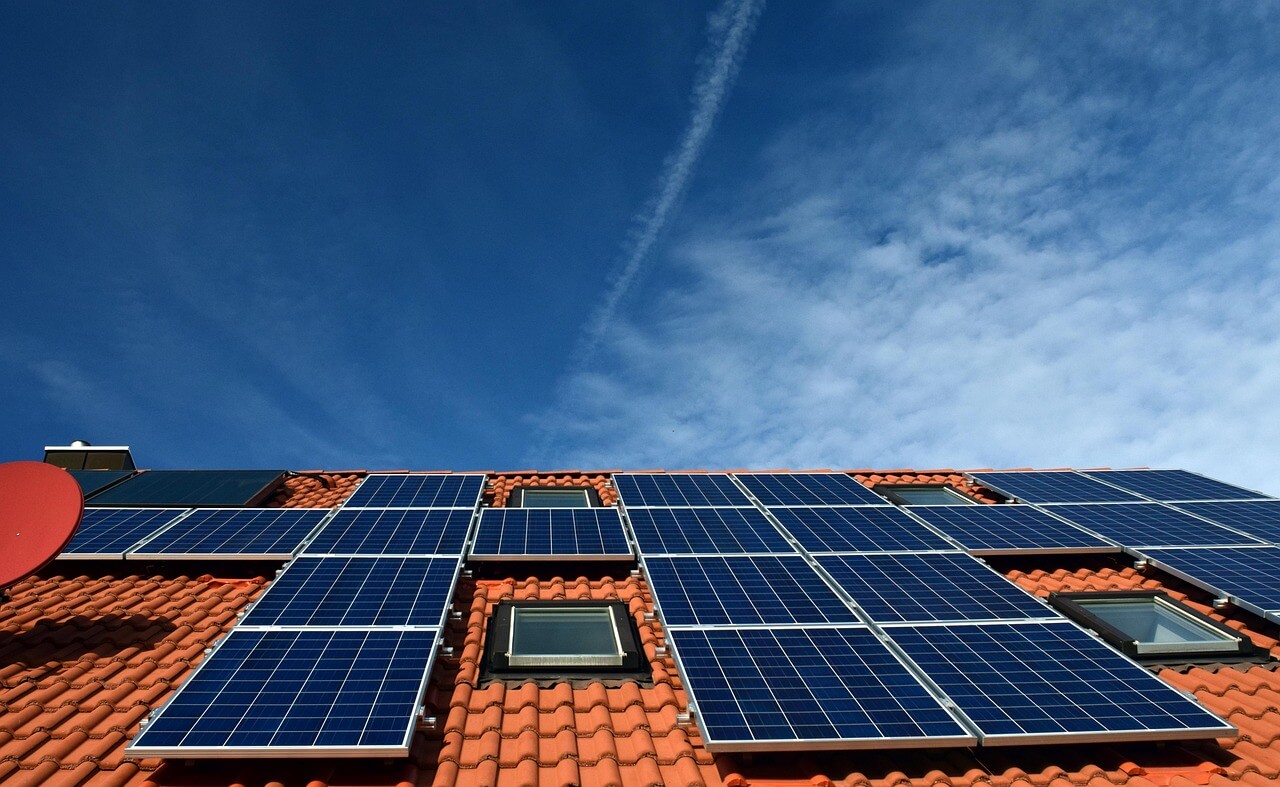
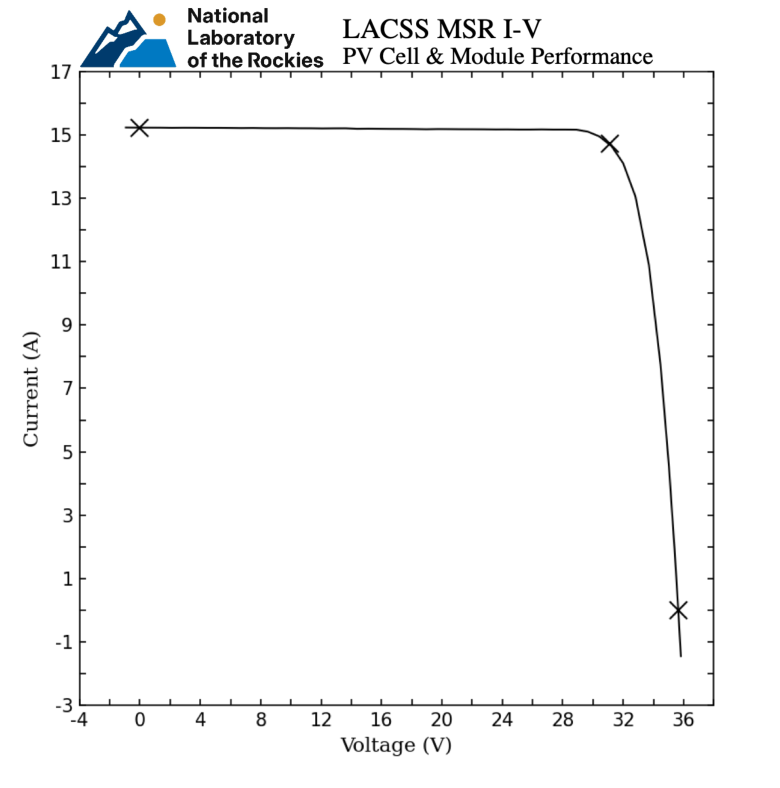
Runergy’s in‑house developed large‑area TOPCon 3.0 high‑efficiency PV module has secured efficiency certification from the U.S. National Laboratory of the Rockies (NLR), achieving a 25.9 % module conversion efficiency.
Verified against NLR’s Champion Module Efficiencies Chart and Professor Martin Green’s Solar cell efficiency tables Version 68, the 25.9 % result sets a new benchmark for TOPCon modules and establishes a record for all non‑HBC crystalline‑silicon modules. This marks a major module‑level technical leap for passivation‑contact TOPCon technology, offering the industry a manufacturable, cost‑effective high‑efficiency upgrade path.
Dr. Tao Longzhong, General Manager of Jiangsu Runergy New Energy Technology Co., Ltd. and Director of its PV R&D Laboratory, credits the achievement to Runergy’s sustained TOPCon R&D efforts. “This is not just a new TOPCon module world record. Critically, the module is fabricated using cells and module processes from mass‑production‑ready pilot lines, proving high efficiency and commercial manufacturability can go hand‑in‑hand.” For the standard‑format mass‑produced variant, mainstream power output reaches 660 W‑670 W, meeting Grade 1, the highest energy‑efficiency tier under China’s national standard for crystalline‑silicon PV modules.
1. Technical Breakthrough: Multi‑Cut Circuitry and Optimized Form‑Factor Cut Electrical Losses
Runergy’s TOPCon 3.0 module features an innovative multi‑cut circuit architecture and optimized form‑factor design, which minimizes internal module power loss and resolves electrical‑loss drawbacks typical of conventional cell‑slicing processes. It maximizes power output from sliced cells and enables effective translation of cell‑level efficiency into module‑level performance.
Runergy has also co‑developed key packaging components including high‑transmittance glass, high‑performance encapsulant films, low‑resistance interconnection ribbons and optimized junction boxes. This full‑material upgrade delivers efficiency‑driven cost reduction and advances high‑value development across the auxiliary‑material supply chain. Supported by domestic breakthroughs in core raw materials and components, the solution strengthens supply‑chain independence and lowers module manufacturing costs.
2. Multi‑Dimensional Improvements: Systematic Upgrade With Low Retrofit Costs
Different from lab‑only efficiency‑focused technologies, Runergy TOPCon 3.0 is built for industrial deployment. It delivers three core improvements with limited production‑line retrofitting:
- Lower optical loss: High‑transmittance packaging and structural optimization reduce light absorption and reflection.
- Reduced recombination loss: Multi‑cut design plus edge passivation mitigates electrical and recombination losses caused by cell dicing.
- Improved long‑term reliability: Co‑optimized materials and processes guarantee stable power generation over the module’s full lifecycle.
The solution completes the full performance‑transfer chain: lab‑validated efficiency → mass‑produced cells → real‑world module power yield. It turns lab‑scale performance metrics into tangible energy‑gain benefits for solar plants.
3. Industrial Value: Strengthening TOPCon’s Long‑Term Competitiveness as an Optimal Retrofit for Existing Capacity
Amid fierce competition among BC, HJT and other PV technologies, Runergy TOPCon 3.0 further consolidates the long‑term industrial value of passivation‑contact TOPCon. For vertically integrated PV firms and operators with large existing TOPCon capacity, this solution avoids costly full‑line reconstruction. With reasonable retrofit spending, it maximizes returns on existing manufacturing assets and represents the best‑in‑class upgrade option for legacy production lines.
PV technology’s real value lies not in isolated lab data, but in affordable mass‑production replication of high efficiency to drive down solar LCOE (levelized cost of energy). Runergy TOPCon 3.0 demonstrates that passivation‑contact TOPCon still has significant improvement potential, injecting new momentum into N‑type PV industry growth.
Moving forward, Runergy will continue core‑technology R&D for high‑efficiency cells and modules, refine its end‑to‑end TOPCon technology portfolio, and accelerate commercialization of lab‑born innovations for global markets.
Upholding open‑industry collaboration, Runergy will work with global upstream and downstream partners to resolve technical pain points and improve mass‑production support capabilities. The company will keep launching PV products and complete technical solutions balancing high conversion efficiency, low cost and strong manufacturability. Drawing on proprietary core technologies, Runergy will deliver industrial value and provide practical PV solutions for the global low‑carbon energy transition.
![[SMM PV Flash] China Huaneng Group Announces 1.5 GW PV Project](https://imgqn.smm.cn/usercenter/SoBNj20251217171739.jpg)
![[SMM PV News] Gansu 11 GW New Energy Base Project Approved](https://imgqn.smm.cn/usercenter/CpbPE20251217171736.jpg)