ข่าว SMM วันที่ 22 สิงหาคม:
ตลาดโลหะ:
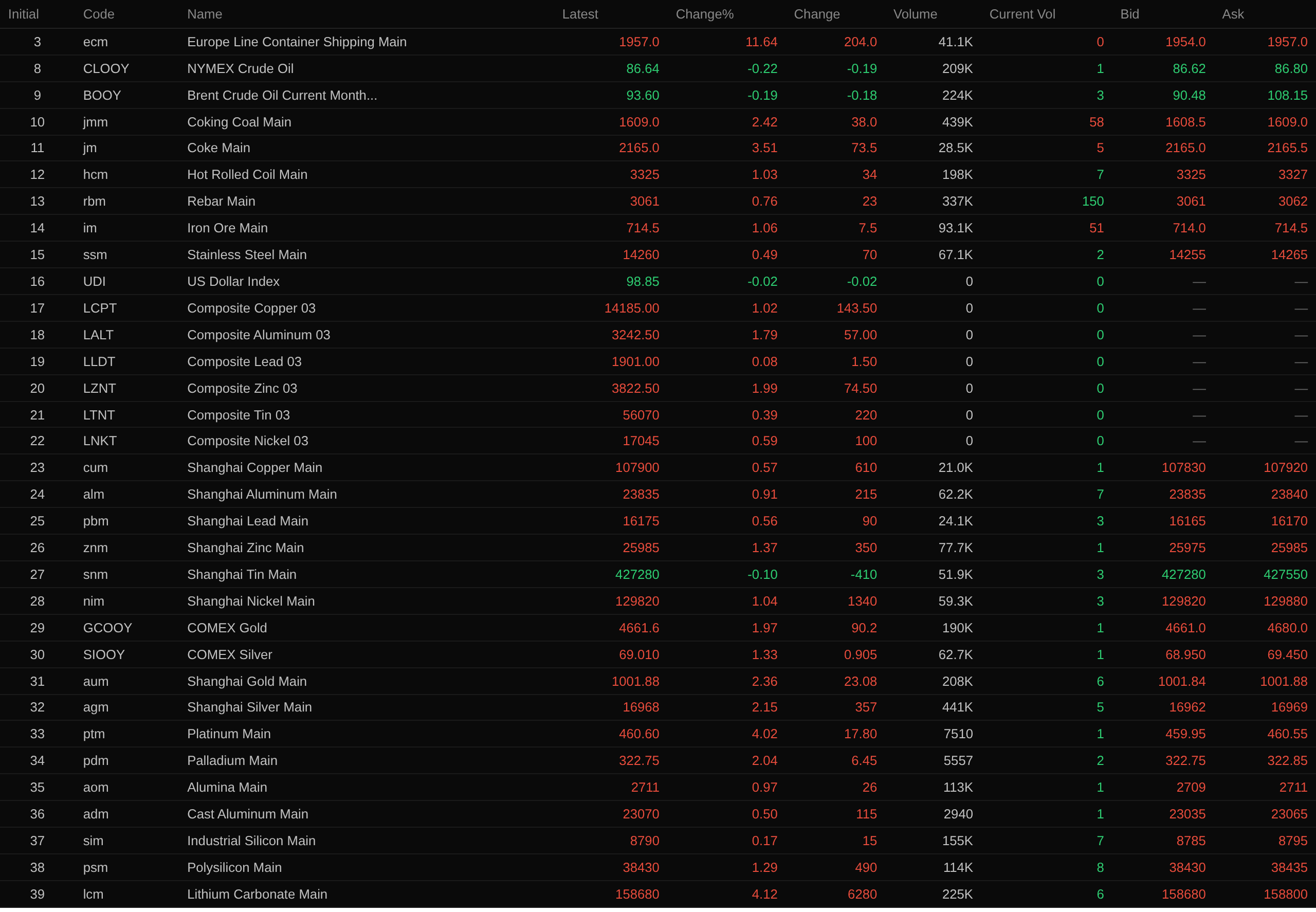
ในคืนที่ผ่านมา โลหะพื้นฐานในตลาดจีนและต่างประเทศส่วนใหญ่ปรับตัวขึ้น โดยมีเพียงดีบุก SHFE ที่ลดลง 0.1% ทองแดง LME อะลูมิเนียม LME สังกะสี LME สังกะสี SHFE และนิกเกิล SHFE ต่างปรับตัวขึ้นกว่า 1% โดยทองแดง LME เพิ่มขึ้น 1.02% อะลูมิเนียม LME เพิ่มขึ้น 1.79% สังกะสี LME เพิ่มขึ้น 1.99% สังกะสี SHFE เพิ่มขึ้น 1.37% และนิกเกิล SHFE เพิ่มขึ้น 1.04% ส่วนโลหะอื่นๆ ปรับตัวขึ้นภายใน 1% สัญญาหลักของอะลูมินาเพิ่มขึ้น 0.97% และสัญญาหลักของอะลูมิเนียมหล่อเพิ่มขึ้น 0.5%
ในคืนที่ผ่านมา โลหะกลุ่มเหล็กปรับตัวขึ้นพร้อมกัน โดยแร่เหล็กเพิ่มขึ้น 1.06% และเหล็กแผ่นรีดร้อนเพิ่มขึ้น 1.03% ในส่วนของถ่านหินโค้กและโค้ก ถ่านหินโค้กเพิ่มขึ้น 2.42% และโค้กเพิ่มขึ้น 3.51%
โลหะมีค่าคืนที่ผ่านมา: จากการอ่อนค่าของดอลลาร์สหรัฐ ทองคำ COMEX เพิ่มขึ้น 1.97% และเงิน COMEX เพิ่มขึ้น 1.33% ในรอบสัปดาห์ ทองคำ COMEX เพิ่มขึ้น 5.05% นับเป็นการปรับขึ้นติดต่อกันเป็นสัปดาห์ที่ห้า ส่วนเงิน COMEX เพิ่มขึ้น 5.99% นับเป็นการปรับขึ้นติดต่อกันเป็นสัปดาห์ที่สาม ในจีน ทองคำ SHFE เพิ่มขึ้น 2.36% ทะลุระดับ 1,000 หยวนต่อกรัมได้สำเร็จ และเงิน SHFE เพิ่มขึ้น 2.15% ในรอบสัปดาห์ ทองคำ SHFE เพิ่มขึ้น 4.4% และเงิน SHFE เพิ่มขึ้น 6.47%
ณ เวลา 8:21 น. ของวันที่ 22 สิงหาคม ราคาปิดคืนที่ผ่านมา:
ด้านเศรษฐกิจมหภาค
จีน:
[การประชุมคณะรัฐมนตรี: รับประกันการบำรุงรักษาและการตรวจสอบความเสี่ยงของอุปกรณ์และสิ่งอำนวยความสะดวกด้านไฟฟ้า เพื่อให้ระบบไฟฟ้าทำงานอย่างปลอดภัยและมีเสถียรภาพ]หลี่ เชียง เป็นประธานการประชุมคณะรัฐมนตรี ที่ประชุมชี้ให้เห็นถึงความจำเป็นในการเสริมสร้างการป้องกันล่วงหน้าและการควบคุมจากแหล่งที่มา รับประกันการบำรุงรักษาและการตรวจสอบความเสี่ยงของอุปกรณ์และสิ่งอำนวยความสะดวกด้านไฟฟ้า ควบคุมคุณภาพอย่างเข้มงวดในทุกขั้นตอนของการออกแบบ ก่อสร้าง และตรวจรับโครงการใหม่ เพื่อให้ระบบไฟฟ้าทำงานอย่างปลอดภัยและมีเสถียรภาพ จำเป็นต้องเพิ่มขีดความสามารถในการรับมือเหตุฉุกเฉินด้านไฟฟ้า ผลักดันการอัปเกรดอุปกรณ์เทคโนโลยีอย่างต่อเนื่อง และปรับปรุงรูปแบบการทำงานของการจัดการร่วมกันของทุกหน่วยงาน (แอป Jinshi Data)
[กระทรวงการคลัง: รายได้งบประมาณทั่วไปของรัฐบาลกลางเดือนมกราคม-กรกฎาคม เพิ่มขึ้น 5.8% เทียบปีต่อปี]ข่าวล่าสุดจากกระทรวงการคลัง: ตั้งแต่เดือนมกราคาถึงเดือนกรกฎาคมปีนี้ รายได้งบประมาณทั่วไปของรัฐบาลกลางอสู่ที่ 4.37 ล้านล้าหยวน เพิ่มขึ้น 5.8% เทียบปีต่อปี เพิ่มขึ้น 1.1 จุดเปอร์เซ็นต์จากครึ่งปีแรกรายจ่ายงบประมาณทั่วไปของรัฐบาลกลางยังคงรักษาระดับความเข้มข้นที่จำเป็น โดยพื้นที่สำคัญได้รับการสนับสนุนอย่างดี ตั้งแต่เดือนมกราคมถึงกรกฎาคม รายจ่ายงบประมาณทั่วไปของรัฐบาลกลางอยู่ที่ 16.29 ล้านล้านหยวน เพิ่มขึ้น 1.3% เมื่อเทียบกับปีก่อน (ข่าว CCTV)
[สำนักงานคณะกรรมการกำกับดูแลตลาดแห่งรัฐ: หุ่นยนต์ AI แบบฝังตัว แบตเตอรี่ไฟฟ้าสถานะของแข็ง ฯลฯ รวมอยู่ในทิศทางการวิจัยของโครงการเสริมสร้างคุณภาพห่วงโซ้ระยะที่สอง]สำนักงานคณะกรรมการกำกับดูแลตลาดแห่งรัฐจัดงานแถลงข่าวพิเศษในเช้าวันที่ 21 สิงหาคม เรื่อง “การส่งเสริมและดำเนินการเสริมสร้างคุณภาพห่วงโซ่” นายจาง เล่ยเล่ย รองผู้อำนวยการสำนักงานพัฒนาคุณภาพของสำนักงานคณะกรรมการกำกับดูแลตลาดแห่งรัฐ กล่าวในที่ประชุมว่า บนพื้นฐานของความสำเร็จของโครงการระยะแรก สำนักงานฯ ได้วางแผนและส่งเสริมโครงการที่เป็นสัญลักษณ์สำคัญ 10 โครงการสำหรับการเสริมสร้างคุณภาพห่วงโซ่ในระยะที่สองอย่างเป็นระบบ ในขณะที่ยังคงให้ความสำคัญกับพื้นที่สำคัญ เช่น เครื่องมือวัดระดับสูง พลังงานใหม่ และหุ่นยนต์อุตสาหกรรม ก็ได้ขยายไปยังทิศทางใหม่ เช่น หุ่นยนต์ AI แบบฝังตัวและแบตเตอรี่ไฟฟ้าสถานะของแข็ง และเพิ่มพื้นที่สำคัญใหม่ เช่น เครื่องมือกลอุตสาหกรรม โดรน และการผลิตชีววิทยาสังเคราะห์ขั้นสูง เมื่อพูดถึงการพิจารณาการวางแผนสำหรับโครงการระยะที่สอง นายจาง เล่ยเล่ยกล่าวว่าระยะที่สองยึดมั่นในแนวทางการปรับให้เหมาะสมแบบ “สามกลุ่ม” ได้แก่ การดำเนินกลุ่มพื้นที่สำคัญต่อไป เช่น เครื่องมือวัดระดับสูง พลังงานใหม่ และหุ่นยนต์อุตสาหกรรม เพื่อเพิ่มความลึกซึ้ง การขยายกลุ่มทิศทางใหม่ เช่น หุ่นยนต์ AI แบบฝังตัวและแบตเตอรี่ไฟฟ้าสถานะของแข็ง เพื่อให้ทันกับการพัฒนาอุตสาหกรรม และการเพิ่มกลุ่มพื้นที่สำคัญใหม่ เช่น เครื่องมือกลอุตสาหกรรม โดรน และการผลิตชีววิทยาสังเคราะห์ขั้นสูง เพื่อมุ่งเน้นจุดร้อนในการพัฒนาอุตสาหกรรม (Jin10 Data APP)
ในด้านเงินดอลลาร์สหรัฐ:
ณ เวลาปิดตลาดข้ามคืน ดัชนีดอลลาร์สหรัฐลดลง 0.02% อยู่ที่ 98.85 ลดลง 0.79% สำหรับสัปดาห์ นักกลยุทธ์ของ TD Securities ระบุในรายงานว่า คำแนะนำเพิ่มเติมที่ประธานเฟด Warsh Kevin อาจให้ในงานสัมมนา Jackson Hole สัปดาห์หน้าอาจช่วยให้ผู้ลงทุน “คลายกังวล” อย่างไรก็ตาม หาก Warsh ยังคงหลีกเลี่ยงการให้คำแนะนำล่วงหน้า ก็จะน่าผิดหวัง พวกเขากล่าวว่า “ตลาดจะมองหา Warsh เพื่อความมั่นคง แต่ความเสี่ยงต่อความผิดหวังยังคงสูง” นักกลยุทธ์เชื่อว่า Warsh อาจพยายามปรับปรุงการสื่อสาร แต่คำแนะนำล่วงหน้ายังอาจขาดอยู่"ตลาดจะมองหาสัญญาณเกี่ยวกับฟังก์ชันตอบสนองของเขาและการยืนยันอีกครั้งถึงความสามารถของเฟดในการต่อสู้กับเงินเฟ้อ" นักยุทธศาสตร์คาดว่าคำปราศรัยของวอร์ชจะเป็นการค่อยๆ ปรับเปลี่ยนมากกว่าจะเป็นการเปลี่ยนแปลงที่รุนแรง (แอปพลิเคชัน Jin10 Data)
ในอีกด้านหนึ่ง ตามรายงานของบลูมเบิร์ก นักเศรษฐศาสตร์ได้ปรับเพิ่มคาดการณ์การเติบโตทางเศรษฐกิจของสหรัฐฯ ในไตรมาสที่สาม สะท้อนถึงการปรับเพิ่มขึ้นของประมาณการการใช้จ่ายของผู้บริโภคและการลงทุนภาคเอกชน รวมถึงการใช้จ่ายด้านทุนใน AI ตามผลสำรวจรายเดือนล่าสุดของบลูมเบิร์กต่อนักเศรษฐศาสตร์ คาดว่า GDP ในไตรมาสที่สามจะเติบโตในอัตราประจำปีที่ 2.5% เพิ่มขึ้นจากที่คาดการณ์ไว้ในการสำรวจครั้งก่อนที่ 2% การคาดการณ์ GDP รายไตรมาสจนถึงสิ้นปี 2027 เปลี่ยนแปลงเพียงเล็กน้อย โดยทั้งหมดอยู่ในช่วงแคบที่ 2%-2.2% การคาดการณ์เงินเฟ้อของนักเศรษฐศาสตร์จนถึงสิ้นปีหน้าแทบไม่เปลี่ยนแปลงเช่นกัน ดัชนีราคารายจ่ายเพื่อการบริโภคส่วนบุคคลที่ไม่รวมอาหารและพลังงานคาดว่าจะเฉลี่ย 3.2% ในปีนี้ จากนั้นจะลดลงเหลือเฉลี่ย 2.5% ตลอดทั้งปี 2027 เนื่องจากตัวชี้วัดราคา PCE พื้นฐานที่เรียกว่าบ่งชี้ว่าเงินเฟ้อกำลังชะลอตัว นักเศรษฐศาสตร์คาดว่าเฟดจะคงอัตราดอกเบี้ยไว้ไม่เปลี่ยนแปลงจนถึงสิ้นเดือนกรกฎาคมปีหน้า (บลูมเบิร์ก)
ตาม 'FedWatch' ของ CME: ความน่าจะเป็นที่เฟดสหรัฐจะคงอัตราดอกเบี้ยไว้ไม่เปลี่ยนแปลงจนถึงเดือนกันยายนอยู่ที่ 59.9% และความน่าจะเป็นในการปรับขึ้นอัตราดอกเบี้ยสะสม 25 จุดพื้นฐานอยู่ที่ 40.1% ความน่าจะเป็นที่เฟดจะคงอัตราดอกเบี้ยจนถึงเดือนตุลาคมอยู่ที่ 45.3% การปรับขึ้นสะสม 25 จุดพื้นฐานอยู่ที่ 44.9% และการปรับขึ้นสะสม 50 จุดพื้นฐานอยู่ที่ 9.8% (แอปพลิเคชัน Jin Shi Data)
นักยุทธศาสตร์สกุลเงินของซิตี้กรุ๊ปเพิ่งเปลี่ยนเป็นมุมมองเชิงลบต่อดอลลาร์สหรัฐ เนื่องจากตลาดเตรียมพร้อมสำหรับท่าทีของเฟดที่แข็งกร้าวน้อยลง การเลือกตั้งกลางเทอม และการขยายการซื้อคืนหนี้ของกระทรวงการคลังสหรัฐฯ ภายใต้การนำของ Tobon Daniel นักยุทธศาสตร์ของซิตี้กรุ๊ปเขียนในบันทึกวิจัยเมื่อวันพฤหัสบดีว่าทีมงานได้ปรับลดคาดการณ์ดัชนีดอลลาร์สหรัฐในสามเดือนจาก 102.12 เป็น 98.34 การเปลี่ยนแปลงนี้เกิดขึ้นตามคำเตือนของธนาคารว่าการดำเนินการล่าสุดของสก็อตต์ เบสเซนต์ รัฐมนตรีว่าการกระทรวงการคลังสหรัฐฯ ในการลดต้นทุนการกู้ยืมระยะยาว—การขยายขนาดการซื้อคืนพันธบัตรอายุ 10 ถึง 30 ปี—อาจต้องแลกมาด้วยค่าเงินดอลลาร์ที่อ่อนลงเมื่อวานนี้ ดัชนีดอลลาร์ร่วงลงสู่ระดับต่ำสุดนับตั้งแต่เดือนพฤษภาคม ก่อนจะทรงตัวที่ประมาณ 98.9 โทบอนและคนอื่นๆ กล่าวว่าท่าทีของพวกเขาที่มีต่อดอลลาร์นั้น "ค่อนข้างเป็นกลาง" ในช่วงหลายเดือนที่ผ่านมา และเตือนว่าอาจมีความเสี่ยงเพิ่มขึ้นในอีกไม่กี่เดือนข้างหน้า (Wall Street News)
ในด้านเศรษฐกิจมหภาค:
ในสหรัฐฯ สัปดาห์หน้า ข้อมูลที่ต้องเผยแพร่ประกอบด้วย: การเปลี่ยนแปลงการจ้างงาน ADP ของสหรัฐฯ สำหรับสัปดาห์สิ้นสุดวันที่ 8 สิงหาคม, ดัชนีราคาบ้าน FHFA เดือนมิถุนายนของสหรัฐฯ เทียบรายเดือน, ดัชนีราคาบ้าน S&P/CS 20 เมืองเดือนมิถุนายนของสหรัฐฯ ที่ไม่ได้ปรับตามฤดูกาลเทียบรายปี, ยอดขายบ้านใหม่เดือนกรกฎาคมของสหรัฐฯ ที่ปรับเป็นรายปี, ดัชนีความเชื่อมั่นผู้บริโภคของ Conference Board เดือนสิงหาคมของสหรัฐฯ, ดัชนีการผลิตของธนาคารกลางสหรัฐฯ สาขาริชมอนด์เดือนสิงหาคม, ดัชนีราคา PCE พื้นฐานเดือนกรกฎาคมของสหรัฐฯ เทียบรายปี, การใช้จ่ายส่วนบุคคลเดือนกรกฎาคมของสหรัฐฯ เทียบรายเดือน, อัตราการเติบโต GDP จริงไตรมาส 2 ที่ปรับเป็นรายปีของสหรัฐฯ (รอบแก้ไข), ดัชนีราคา PCE พื้นฐานเดือนกรกฎาคมของสหรัฐฯ เทียบรายเดือน, คำสั่งซื้อสินค้าคงทนเดือนกรกฎาคมของสหรัฐฯ เทียบรายเดือน, ผู้ขอรับสวัสดิการว่างงานครั้งแรกสำหรับสัปดาห์สิ้นสุดวันที่ 22 สิงหาคม, ดัชนีผู้จัดการฝ่ายจัดซื้อชิคาโกเดือนสิงหาคมของสหรัฐฯ, การปรับฐานเบื้องต้นของตัวเลขจ้างงานนอกภาคเกษตรปี 2026 ของสหรัฐฯ, ดัชนีความเชื่อมั่นผู้บริโภคมหาวิทยาลัยมิชิแกนเดือนสิงหาคมของสหรัฐฯ (รอบสุดท้าย), ความคาดหวังอัตราเงินเฟ้อ 1 ปีเดือนสิงหาคมของสหรัฐฯ (รอบสุดท้าย) และอื่นๆ ในเยอรมนี ข้อมูลประกอบด้วย: GDP ที่ไม่ปรับตามฤดูกาลของเยอรมนีไตรมาส 2 เทียบรายปี (รอบสุดท้าย), ดัชนีบรรยากาศธุรกิจ IFO เดือนสิงหาคมของเยอรมนี, ดัชนีความเชื่อมั่นผู้บริโภค GfK เดือนกันยายนของเยอรมนี, การเปลี่ยนแปลงการว่างงานที่ปรับตามฤดูกาลในเดือนสิงหาคมของเยอรมนี, อัตราการว่างงานที่ปรับตามฤดูกาลเดือนสิงหาคมของเยอรมนี ในฝรั่งเศส ข้อมูลประกอบด้วย: CPI เดือนสิงหาคมของฝรั่งเศสเทียบรายเดือน (เบื้องต้น), GDP ไตรมาส 2 ของฝรั่งเศสเทียบรายปี (รอบสุดท้าย) ในยูโรโซน ข้อมูลประกอบด้วย: ดัชนีความเชื่อมั่นภาคอุตสาหกรรมเดือนสิงหาคมของยูโรโซน, ดัชนีความเชื่อมั่นทางเศรษฐกิจเดือนสิงหาคมของยูโรโซน นอกจากนี้ยังต้องเผยแพร่: ดัชนีความเชื่อมั่นนักลงทุน ZEW เดือนสิงหาคมของสวิตเซอร์แลนด์, ตัวชี้วัดเศรษฐกิจล่วงหน้า KOF เดือนสิงหาคมของสวิตเซอร์แลนด์, ดุลบัญชีเดินสะพัดไตรมาส 2 ของแคนาดา, GDP เดือนมิถุนายนของแคนาดาเทียบรายเดือน, CPI ที่ไม่ปรับตามฤดูกาลเดือนกรกฎาคมของออสเตรเลียเทียบรายปี, ยอดขายปลีก CBI เดือนสิงหาคมของสหราชอาณาจักร, อัตราการว่างงานเดือนกรกฎาคมของญี่ปุ่น
นอกจากนี้ จีนจะเปิดรอบใหม่สำหรับการปรับราคาน้ำมันสำเร็จรูป ธนาคารกลางออสเตรเลียจะเผยแพร่รายงานการประชุมนโยบายการเงินเดือนสิงหาคม บาร์กิน ประธานธนาคารกลางสหรัฐฯ สาขาริชมอนด์ ซึ่งเป็นผู้มีสิทธิออกเสียงใน FOMC ปี 2027 จะกล่าวสุนทรพจน์ในหัวข้อ "เศรษฐกิจสหรัฐฯ ที่ลึกลับ" และยังเข้าร่วมการอภิปรายกลุ่ม การประชุมธนาคารกลางโลกที่แจ็คสัน โฮลจะจัดขึ้นระหว่างวันที่ 27 ถึง 29 สิงหาคม ประธานเฟดว ่ าชิจะกล่าวสุนทรพจน์ครั้งแรกในการประชุมธนาคารกลางโลกที่แจ็คสันโฮล และเอ็นวิเดียจะเผยแพร่งบการเงินหลังตลาดหุ้นสหรัฐฯ ปิดในวันที่ 26 สิงหาคม
น้ำมันดิบ:
สัญญาซื้อขายล่วงหน้าน้ำมันดิบทั้งสองชนิดปรับลงเมื่อคืนที่ผ่านมา โดย WTI ลดลง 0.22% และ Brent ลดลง 0.19% ในรายสัปดาห์ WTI เพิ่มขึ้น 5.15% และ Brent เพิ่มขึ้น 5.74% โดยทั้งคู่ทำสถิติบวกต่อเนื่องเป็นสัปดาห์ที่สอง ทรัมป์ส่งสัญญาณความตึงเครียดอีกครั้ง ตามรายงานของ CCTV International News เขายังกล่าวว่าอิหร่านกระตือรือร้นอย่างมากที่จะบรรลุข้อตกลง แต่เขาไม่รู้ว่าอิหร่านต้องการบรรลุจริงหรือไม่ เพราะในมุมมองของเขา “ช่องแคบฮอร์มุซตอนนี้เป็นดินแดนของสหรัฐฯ เป็นดินแดนของสหรัฐฯ” ความกังวลของตลาดต่ออุปทานน้ำมันดิบที่ตึงตัวมากขึ้นในช่วงไม่กี่สัปดาห์ข้างหน้าเพิ่มขึ้นอย่างชัดเจน
กองทุนเฮดจ์ฟันด์ลดสถานะขายสุทธิในดีเซลยุโรปลงอย่างมากสู่ระดับต่ำสุดในรอบกว่า 2 ปี พร้อมเพิ่มเดิมพันฝั่งขาขึ้นใหม่ สะท้อนว่าผู้ค้าคาดว่าวิกฤตอุปทานเชื้อเพลิงครั้งประวัติศาสตร์นี้จะยืดเยื้อไปอีกระยะ อัตรากำไรจากการผลิตดีเซลและไลต์ดีเซลจากน้ำมันดิบปรับขึ้นใกล้ระดับสูงสุดเป็นประวัติการณ์ อุปทานดีเซลตึงตัวอย่างมากจากอุปทานน้ำมันดิบจากตะวันออกกลางที่ลดลง และการห้ามส่งออกดีเซลรัสเซียส่วนใหญ่ ขณะที่ยูเครนยกระดับการโจมตีโรงกลั่นอีกครั้ง โดยแทบไม่มีสัญญาณคลี่คลายของวิกฤต ตามข้อมูลจาก ICE Futures Europe ในสัปดาห์ล่าสุด กองทุนเฮดจ์ฟันด์ลดสถานะขายสุทธิในก๊าซออยล์ลง 309 ล็อต ทำให้เหลือต่ำสุดนับตั้งแต่เดือนกรกฎาคม 2024 ขณะเดียวกัน กองทุนเฮดจ์ฟันด์เพิ่มสถานะซื้อสุทธิ 1,498 ล็อต ดันยอดสถานะซื้อคงค้างรวมขึ้นสู่ระดับสูงสุดนับตั้งแต่สัปดาห์ก่อนสงครามสหรัฐฯ-อิหร่านเริ่มต้น เมื่อพิจารณาตามสถานะสุทธิ ผู้ค้าถือมุมมองเชิงบวกต่อก๊าซออยล์มากที่สุดในราว 6 เดือน (Jin Shi Data APP)
นอกจากนี้ ซิตี้กรุ๊ประบุในบันทึกถึงลูกค้าเมื่อวันพฤหัสบดีว่าความขัดแย้งสหรัฐฯ-อิหร่านและการหยุดชะงักของช่องแคบฮอร์มุซ ทำให้สต็อกคงคลังที่สังเกตได้ทั่วโลกถูกดึงลงสะสมราว 519 ล้านบาร์เรล ตั้งแต่กุมภาพันธ์ถึงสิงหาคม 2026 โดยเฉลี่ยถูกดึงลงวันละ 3 ล้านบาร์เรลหากอัตรานี้ดำเนินต่อไป สต็อกของ OECD อาจลดลงสู่ระดับกันชนความปลอดภัย 70 วันได้เร็วที่สุดภายในสิ้นปี 2027 ซึ่งเป็นระดับวิกฤตที่เคยแตะครั้งล่าสุดในช่วงวิกฤตน้ำมันครั้งที่สองในทศวรรษ 1970 และ 1980 ขณะเดียวกัน ผลิตภัณฑ์น้ำมันสำเร็จรูป เช่น ดีเซล เริ่มมีสัญญาณวิกฤตเฉพาะพื้นที่ และความกังวลของตลาดต่อสถานการณ์ปัจจุบันทวีความรุนแรงขึ้น
ซิตี้ยังคงสมมติฐานฐาน: สหรัฐฯ และอิหร่านจะบรรลุข้อตกลงในไตรมาส 4 ของปีนี้ ส่งผลให้ช่องแคบฮอร์มุซกลับมาเปิดอีกครั้ง โดยคาดว่าน้ำมันดิบ Brent จะย่อตัวกลับสู่กรอบ 60 ดอลลาร์ภายในปี 2027(วอลล์สตรีทเจอร์นัล)
![แรงผลักดันจากต้นทุนที่ทำให้เกิดแนวโน้มขาขึ้นยังคงดำเนินต่อไป สัปดาห์หน้าราคากลางของเหล็กสำเร็จรูปอาจขยับขึ้นเล็กน้อย [รายงานประจำสัปดาห์ห่วงโซ่อุตสาหกรรมเหล็กของ SMM]](https://imgqn.smm.cn/usercenter/aJuuq20251217171745.jpg)

![การนำเข้าแท่งทองเหลืองเดือนกรกฎาคมลดลงอย่างรวดเร็วเมื่อเทียบกับเดือนก่อนหน้า ขณะที่การนำเข้าสะสมยังคงเพิ่มขึ้นเมื่อเทียบกับปีก่อน [การวิเคราะห์ของ SMM]](https://imgqn.smm.cn/usercenter/uoTGi20251217171713.jpg)