SMM News, Aug 18:
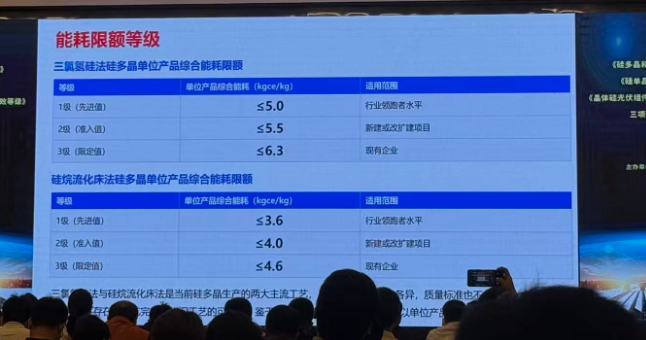
Following the promulgation of energy consumption benchmarks for the photovoltaic (PV) industry in July and the convening of cost-based pricing meetings, polysilicon prices—which had been trading sideways at cyclical lows for an extended period—have finally reversed upward. According to SMM data, as of August 18, the average price of domestic polysilicon dense and recharge material stood at RMB 40.5/kg, representing a 26.96% increase from July 31. Some leading producers were quoting as high as RMB 43/kg to external buyers.
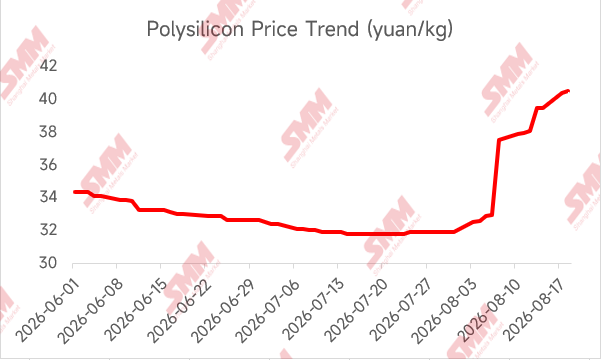
What is the actual state of the market? How are downstream players responding? And where are polysilicon prices headed next?
First, with respect to the current polysilicon market, although quoted prices and asking prices continue to climb, actual transaction volumes remain extremely limited. Downstream players are generally skeptical about whether the current price levels can be sustained. Moreover, wafer fabrication plants currently hold relatively comfortable inventory positions, with some manufacturers carrying raw material inventories sufficient for three to four months of production. These manufacturers are well positioned to remain on the sidelines and observe market developments. For those with leaner inventories or active procurement intentions, SMM has learned that some have opted to source silicon material through traders, with transaction prices previously hovering around RMB 38-39/kg.
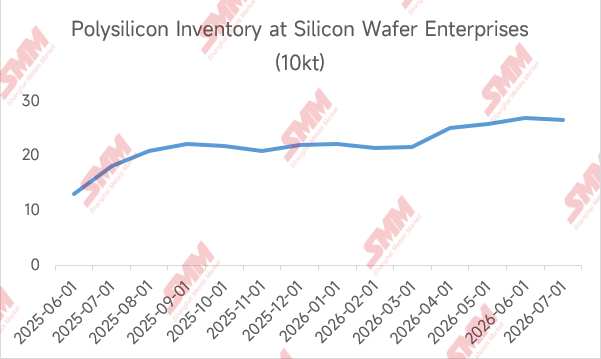
From a supply-demand perspective, given that the wet season is still underway, certain leading producers are operating at relatively high utilization rates. Consequently, polysilicon will continue to face oversupply pressure in the near term—a concern shared by some market participants.
It is worth noting, however, that this round of anti-involution measures—whether manifested through the issuance of energy consumption benchmarks or the convening of cost-based pricing meetings—is underpinned by robust supporting evidence. The release of the new national standard and the joint signature of eight major enterprises provide assurance for subsequent enforcement. Against the clear backdrop of "targeted enforcement through selected cases," polysilicon manufacturers currently demonstrate a high degree of compliance with execution directives and a pronounced willingness to defend price levels. Downstream segments have likewise registered significant price increases.
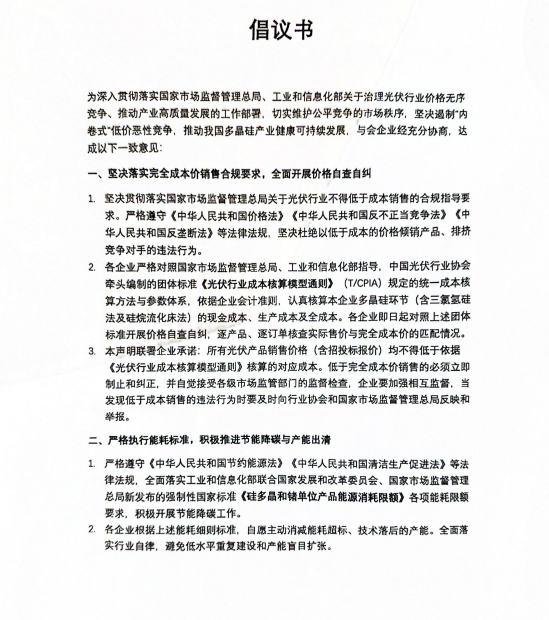
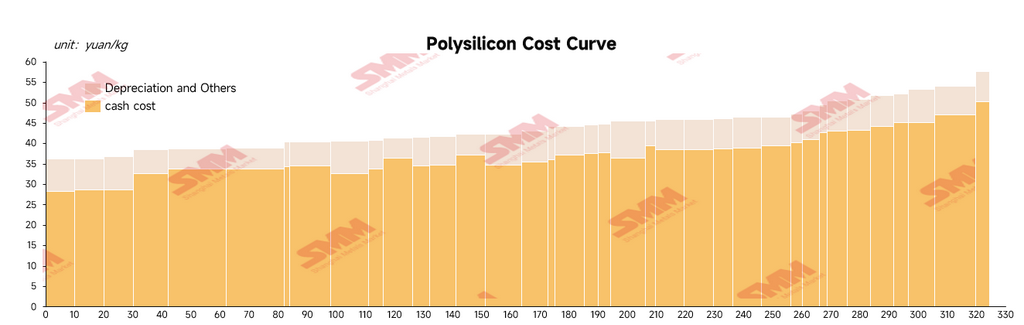
Regarding the current cost profiles of enterprises, SMM has learned that certain manufacturers leveraging advanced technology or leading production capacity are able to bring full costs below RMB 40/kg. The majority of producers have costs in the range of RMB 40-45/kg, while some higher-cost operators sit above RMB 45/kg.
SMM believes that in the near term, against the backdrop of the Section 232 policy, cell prices have already experienced a substantial increase, which has improved overall industry sentiment. Polysilicon prices in August and September are expected to remain relatively optimistic.
Looking ahead to the subsequent trajectory of polysilicon prices, SMM believes it is essential to closely monitor the outcome of the bargaining between the module segment and the terminal market. In other words, where the final module price settles will determine the pass-through dynamics across the industry chain, which in turn will dictate the ultimate polysilicon price. Whether the terminal market’s acceptance of higher module prices can be enhanced without compromising current installation targets is of critical importance.
![Spot Silicon Metal Center Firm, Wafer Prices Maintain Uptrend [SMM Silicon-based PV Morning Notes]](https://imgqn.smm.cn/usercenter/hIbSC20251217171737.jpg)
![Rising Costs vs Weak Demand: Export Module Prices Remain in a Tug of War [SMM Analysis]](https://imgqn.smm.cn/usercenter/chMqV20251217171743.jpg)