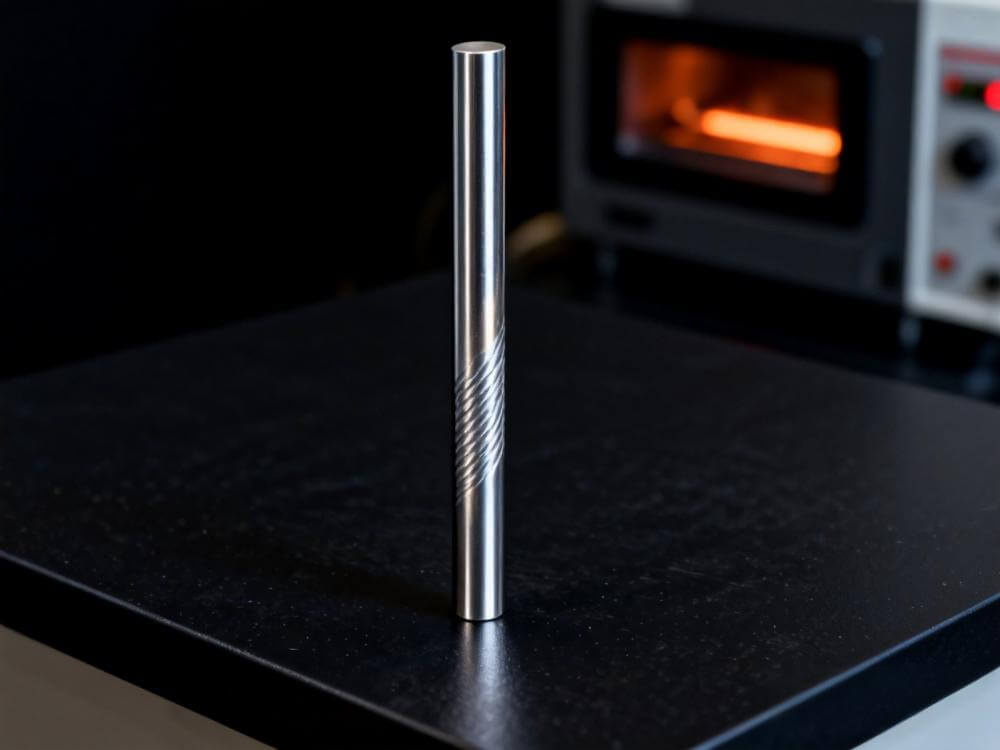
SMM News, August 14: The global tungsten industrial chain remained in a stalemate this week. Divergent inventory‑building strategies across upstream and downstream segments, together with asynchronous shipment structures, have created a market pattern featured by firm mine‑side sentiment but weak downstream performance. As of press time, SMM quotation for 65% WO₃ black tungsten concentrate stood unchanged at RMB 416,500 / metric ton unit week‑on‑week. SMM APT was assessed at RMB 605,000 / ton, down RMB 5,000 / ton from last week, while prices of some cemented‑carbide products also edged down slightly.
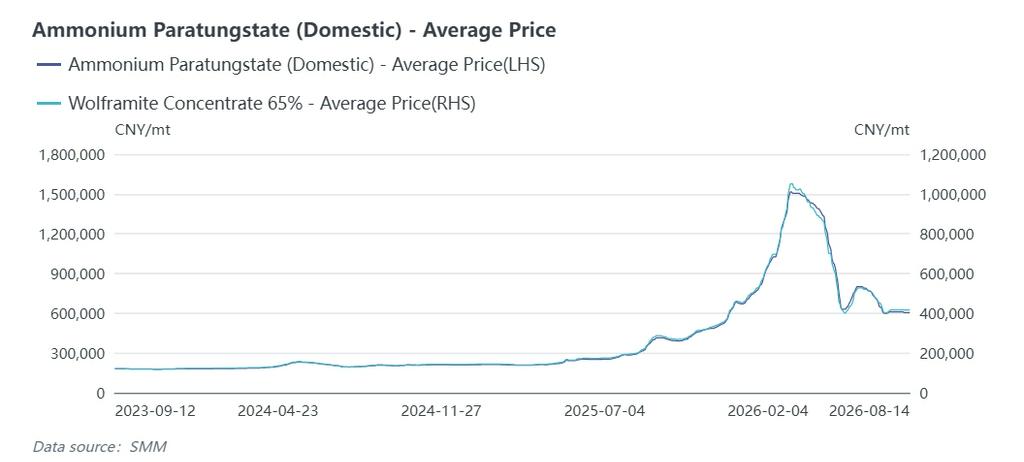
In early August, a major tungsten enterprise in Guangdong released its purchasing prices for the first‑half‑August long‑term contracts: 55% WO₃ black tungsten concentrate at RMB 412,000 / metric ton unit, 55% WO₃ scheelite concentrate at RMB 411,000 / metric ton unit, and standard grade‑0 APT at RMB 606,000 / ton, all up RMB 1,000 compared with the second‑half‑July levels. The modest upward adjustment in long‑term contracts from leading producers formed bottom support for spot markets. In spot trades, 55% tungsten concentrate was transacted near the long‑term contract price of RMB 412,000 / metric ton unit; spot deals for 65% tungsten concentrate were mainly concluded in the range of RMB 415,000‑418,000 / metric ton unit. Mine holders maintained firm offers, making procurement at discounted prices difficult. High‑grade ore was in tight supply, and wide price differentials persisted between high‑grade and low‑grade tungsten concentrates.
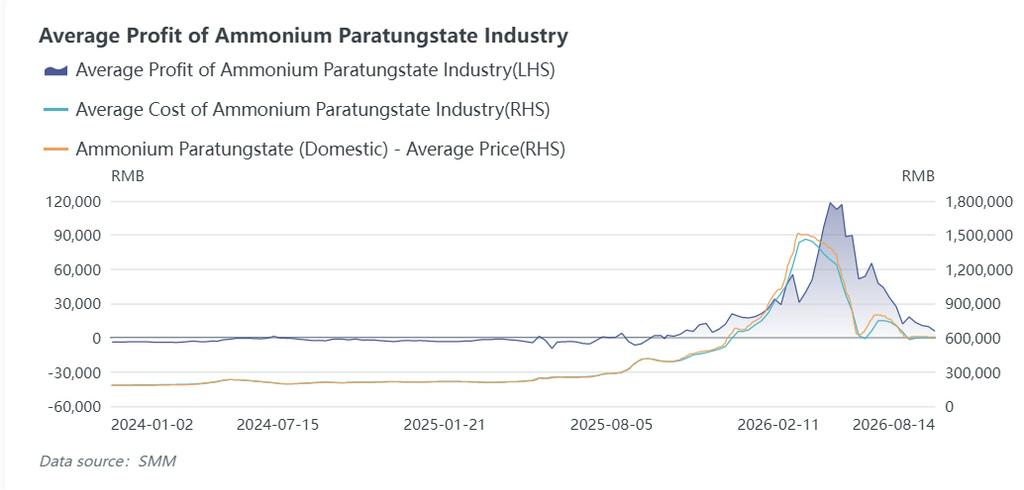
On the supply side, spot availability of domestic tungsten concentrate tightened notably. Some mines in Henan cut output and shipments amid work‑safety inspections. Mines in Guangdong, Yunnan and other regions have drawn down their prior inventories, resulting in reduced tradable spot volumes and slower mine shipments. Spot supply has become tight, with transactions for certain high‑quality lots even exceeding long‑term contract prices. Nevertheless, downstream smelters are under substantial pressure from high finished‑goods inventories and legacy high‑cost raw‑material positions, and inventory losses have occurred at some participants. Smelters only conducted small‑volume spot buying to lower their average inventory cost without large‑scale stockpiling. Spot APT trading remained thin, and the sector lacked sufficient momentum to defend prices. Spot negotiations mostly hovered around RMB 600,000 / ton. Several smelters under heavy cost pressure opted to cut output and adopt a wait‑and‑see stance, leading to a slight drop in overall operating rates. Following the release of China’s RBA counter‑measures list, export‑oriented enterprises producing tungsten intermediates such as tungsten powder have begun paying attention to compliance risks related to mineral due‑diligence audits.
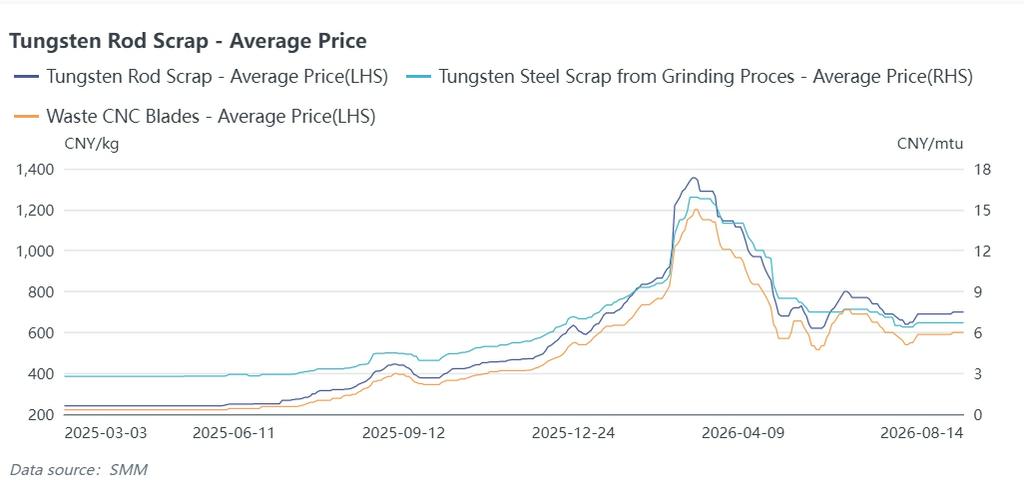
Downstream end‑user sectors showed clear off‑season characteristics. Cemented‑carbide and tungsten‑material processors reported few new orders with limited demand support. Prices softened further: SMM assessments for tungsten bars and rods were lowered by RMB 50 / kg on August 12. End‑users continued consuming high‑cost raw‑material inventories accumulated previously. Given sluggish macro recovery and uncertainties over order sustainability, downstream enterprises adopted highly cautious procurement strategies, operating with minimal inventories and showing little willingness for proactive stock building. Large‑scale centralized purchasing has not emerged.
The scrap‑tungsten market displayed a pattern of strong sentiment but muted actual transactions alongside material‑grade divergence. Boosted by higher long‑term contract prices for primary tungsten and mounting expectations for the August 27 implementation of the US BIS export‑control rule on tungsten scrap, market participants widely anticipate shrinking global supply of recyclable tungsten resources. Offers for scrap cemented carbide edged up RMB 10 / kg during the week, and holders became reluctant to sell at low prices. Still, off‑season end‑user demand failed to validate price increases. Secondary smelters resisted high‑cost purchases, and actual transaction gains lagged behind quoted rises. Scrap‑tungsten markets in India and Europe were weak on both supply and demand sides. In anticipation of the US BIS mandatory domestic‑consumption rule for tungsten scrap, overseas scrap holders maintained firm offers.
European APT markets continued to be quiet amid summer holidays, with limited trading activity. Prices were mostly within USD 2,900‑3,250 / mtu, though a low bid of USD 2,800 / mtu was reported. Vietnamese smelters kept their offers unchanged. Scrap‑material demand was relatively sound with moderate turnover. Market participation remained low during the summer break. European buyers are expected to gradually return in mid‑to‑late August. The European APT market will likely stay cautious in the near term. Attention should be paid to demand recovery after the holiday season and potential price disruptions from low‑priced offers.
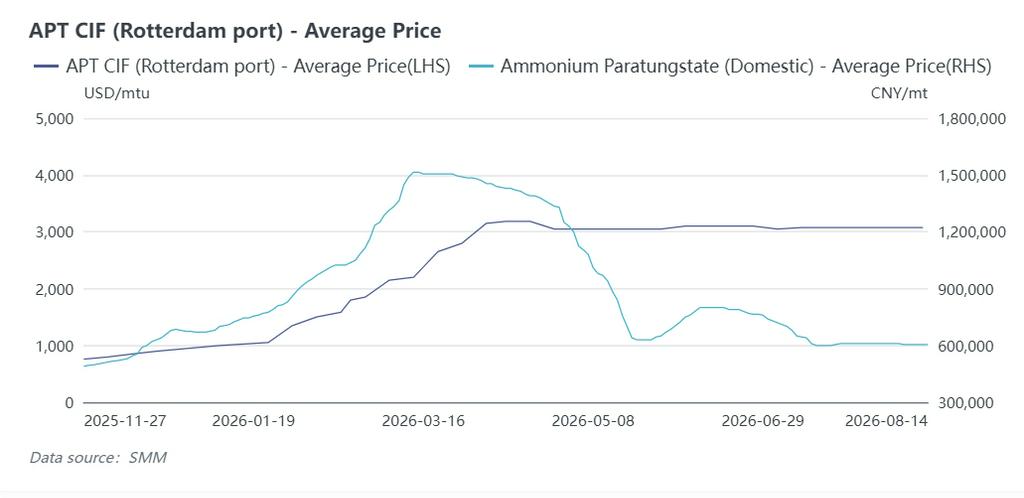
To sum up, the core contradiction in the tungsten market lies in the conflict between expectations of supply contraction driven by policies and resource scarcity, and the reality of weak macro conditions and tepid end‑demand recovery. Domestically, slow manufacturing recovery and subdued demand from general‑equipment sectors have kept corporate risk appetite low, and a broad‑based demand rebound is unlikely in the short run. Overseas, shifting expectations over Federal Reserve rate cuts and external‑demand uncertainties have further dampened market confidence. On the supply side, regular work‑safety inspections at domestic mines have tightened spot supply, supported by long‑term contract pricing. Together with the approaching US tungsten‑scrap export restrictions, expectations of tightening tungsten resources have strengthened and underpinned prices. Nonetheless, off‑season conditions in the cemented‑carbide sector cap downstream demand, leaving limited upside for APT and tungsten powder. As late August approaches, market hopes for improved end‑user consumption are rising. Mine‑side supply remains moderately tight, and despite existing APT inventories, cost support stays robust. Next week, the market may see tentative price increases originating from mine‑side transactions, followed by gradual price adjustments from downstream smelters. Market validation still hinges on the recovery of operating rates in the traditional September peak season for cemented carbide. Should end‑user orders improve, trading volumes for raw materials may expand further.
![Germanium, Tantalum, Indium, and Pr-Nd Soar This Year, Multiple Enterprises Report Positive Interim Earnings Forecasts, Minor Metal Sector Strengthens, China Rare Earth Hits Limit Up [SMM News Flash]](https://imgqn.smm.cn/usercenter/hSSxt20251217171722.jpeg)