I. Tổng quan thị trường
Trong chu kỳ này, thị trường hợp chất nhóm platin của Trung Quốc cho thấy sự phân hóa cơ cấu rõ rệt đi kèm diễn biến “tăng nóng rồi điều chỉnh”. Dưới tác động của biến động giá và các sự kiện chính sách ở nước ngoài, các hợp chất gốc platin và palađi tăng theo từng đợt trước khi chịu áp lực điều chỉnh; sản phẩm gốc rhodi vững xu hướng tăng, trong khi các loại gốc iridi và rutheni giao dịch độc lập với diễn biến ổn định.
Mâu thuẫn cốt lõi của thị trường nằm ở sự lệch pha giữa chi phí tăng mạnh và nhu cầu yếu kéo dài. Giá platin và palađi trên NYMEX tăng vọt đã trực tiếp kéo chi phí nguyên liệu nội địa của axit cloroplatinic và palađi clorua đi lên, chạm các mức cao theo giai đoạn. Tuy nhiên, các lĩnh vực sử dụng cuối gồm xúc tác ô tô, dược phẩm và hóa dầu bước vào mùa bảo trì hè với tỷ lệ vận hành thấp và giao dịch giao ngay ảm đạm. Các bên hạ nguồn phần lớn áp dụng chiến lược bổ sung hàng theo nhu cầu, không có lực mua bền vững, khiến các sản phẩm platin-palađi từng tăng trước đó điều chỉnh giảm diện rộng, đồng thời biên lợi nhuận gia công toàn ngành sụt giảm. Ít chịu ảnh hưởng lan tỏa từ giá, các sản phẩm gốc iridi, rutheni và rhodi giao dịch trong biên độ hẹp với mức tăng nhẹ.
II. Diễn biến sản phẩm theo phân khúc
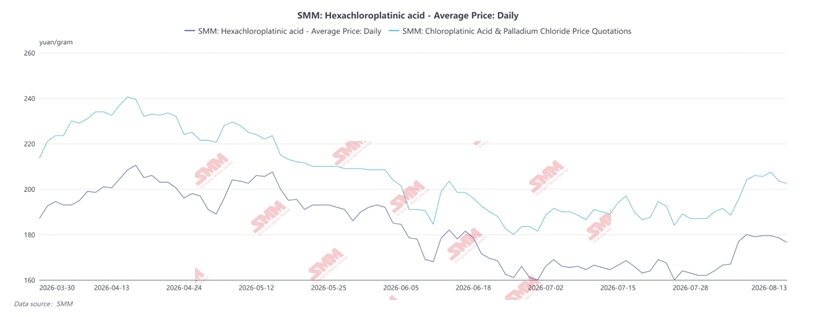
Axit cloroplatinic: Biến động mạnh, điều chỉnh ở mức caoGiá sản phẩm này diễn biến qua ba giai đoạn: ổn định, tăng mạnh và điều chỉnh giảm. Giao dịch ban đầu trong mùa thấp điểm khá trầm lắng với giá ổn định. Sau đó, giá platin nước ngoài tăng vọt cùng tâm lý lạc quan từ các yếu tố thuế quan và địa chính trị đã nhanh chóng đẩy báo giá lên các mức cao mới của vùng dao động. Ở giai đoạn cuối, giá cao đã kìm hãm nhu cầu mua của hạ nguồn; khi dòng vốn bổ sung vắng bóng, động lực tăng phai nhạt, dẫn đến trạng thái tích lũy yếu ở mức cao.
Palađi clorua: Dẫn đầu mức tăng, chịu áp lực tại vùng caoSản phẩm này diễn biến tương quan chặt chẽ với axit cloroplatinic nhưng ghi nhận mức tăng mạnh hơn. Được thúc đẩy bởi đà tăng của palađi nước ngoài, chi phí sản xuất tăng rõ rệt và giá vượt các ngưỡng then chốt để chạm mức cao gần đây. Tuy nhiên, do sức yếu của hạ nguồn trong mùa thấp điểm, đợt tăng thiếu lực đỡ bền vững và kết thúc bằng trạng thái tích lũy ở mức cao cùng các nhịp điều chỉnh nhẹ.
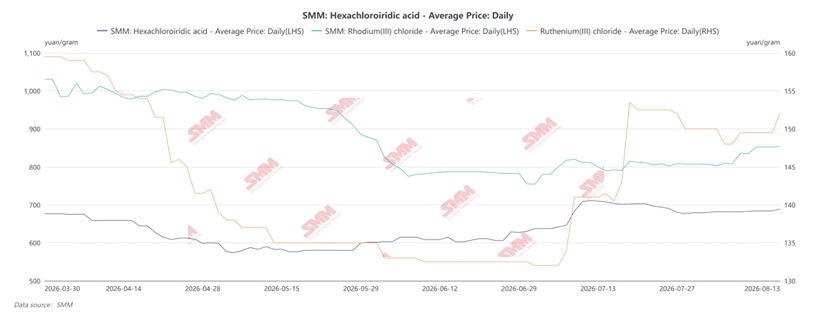
Rhodi triclorua: Củng cố vững chắc, xu hướng tăng vừa phảiGiao dịch tách khỏi biến động mạnh của platin-palađi, sản phẩm này giữ xu hướng vững. Được hỗ trợ bởi chi phí nguyên liệu tăng nhẹ, nhà sản xuất thăm dò nâng giá chào. Bất chấp trở ngại nhu cầu mùa thấp điểm, đà tăng diễn ra có trật tự, không biến động quá mức, mang lại diễn biến tăng vừa phải lành mạnh.
Axit cloroiridic & Rutheni triclorua: Tách biệt, diễn biến ổn địnhCả hai loại phần lớn không chịu ảnh hưởng từ tâm lý tăng của platin-palađi. Axit cloroiridic ghi nhận mức tăng độc lập nhẹ và chậm, biến động tối thiểu. Rutheni triclorua dao động ở mức thấp trong biên độ hẹp và chỉ tăng nhẹ khi kết phiên. Được hỗ trợ bởi các yếu tố cung-cầu độc lập, cả hai không có đợt tăng hoặc giảm mạnh theo xu hướng, cho thấy diễn biến thị trường ổn định nhất.
III. Động lực chính của thị trường
Định giá do chi phí và tâm lý thúc đẩyĐợt tăng mạnh của các hợp chất gốc platin và palađi chủ yếu xuất phát từ việc chuyển chi phí trong bối cảnh giá nguyên liệu nước ngoài tăng vọt. Tâm lý đầu cơ gia tăng do kỳ vọng về thuế quan và địa chính trị nước ngoài đã khuếch đại biến động ngắn hạn. Ngược lại, các sản phẩm gốc rhodi, iridi và rutheni thể hiện diễn biến tách biệt do mối tương quan yếu hơn.
Nhu cầu mùa thấp điểm kìm hãm đà tăng giáHoạt động bảo trì tập trung ở hạ nguồn làm tiêu thụ thực tế sụt giảm đáng kể, tạo ra nghịch lý thị trường “giá cao - nhu cầu yếu”. Các bên tham gia thị trường duy trì trạng thái tồn kho tinh gọn, không có hoạt động tích trữ quy mô lớn, khiến các sản phẩm gốc platin và palađi thiếu nền tảng cơ bản hỗ trợ và dễ chịu áp lực giảm.
Biên lợi nhuận bị chèn ép hai phíaLợi nhuận của nhà sản xuất và thương nhân bị chèn ép từ hai phía: chi phí nguyên liệu thượng nguồn tăng cao và nhu cầu hạ nguồn yếu ớt. Để thúc đẩy giao dịch và giảm áp lực hàng tồn kho, các bên trên thị trường thường hạ biên lợi nhuận gia công; nhượng bộ lợi nhuận trở thành thông lệ nhằm tạo thuận lợi cho giao dịch.
IV. Triển vọng thị trường
Trong ngắn hạn, thị trường hợp chất nhóm platin của Trung Quốc sẽ giữ nguyên mô hình “do chi phí dẫn dắt, bị nhu cầu hạn chế và phân hóa về cơ cấu”.
Thứ nhất, axit cloroplatinic, palađi clorua và các sản phẩm tương tự sẽ duy trì trạng thái tích lũy yếu ở mức cao. Giá các sản phẩm này vẫn rất nhạy cảm với biến động thị trường nước ngoài. Tuy nhiên, khi nhu cầu mùa thấp điểm ở hạ nguồn chưa phục hồi, mức giá cao hiện tại thiếu lực đỡ bền vững, và đà tăng một chiều bị hạn chế. Dự kiến dao động trong biên độ kèm các nhịp điều chỉnh nhẹ.
Thứ hai, các sản phẩm ngách gồm rhodi triclorua, axit cloroiridic và rutheni triclorua chịu ít gián đoạn từ bên ngoài. Hỗ trợ nhẹ từ phía nguyên liệu củng cố thiên hướng tăng vừa phải của các sản phẩm này. Dù vậy, sức cản nhu cầu mùa thấp điểm sẽ ngăn các đợt tăng mạnh theo xu hướng trong ngắn hạn; biến động biên độ hẹp và tăng nhẹ dần dự kiến sẽ diễn ra.
![[SMM Analysis] Cuộc tái cấu trúc ngành hydro gia tăng: thua lỗ dưới áp lực, triển khai là vua](https://imgqn.smm.cn/usercenter/ezoBg20251217171730.jpg)
![[SMM khảo sát] Điểm tin ngành năng lượng hydro tuần 29/08 - 03/09/2026](https://imgqn.smm.cn/usercenter/PPLUj20251217171727.jpg)