SMM 17 กรกฎาคม –
สัปดาห์นี้ (13-16 กรกฎาคม) ตลาดเศษทองแดงดำเนินงานภายใต้กรอบสามประการ ได้แก่ ราคาทองแดงที่ปรับตัวลงหลังพุ่งขึ้นอย่างรวดเร็ว ข้อจำกัดด้านการปฏิบัติตามกฎการออกใบกำกับภาษีย้อนกลับที่ยังคงอยู่ และช่วงนอกฤดูเนื่องจากอากาศร้อนที่ทวีความรุนแรง สัญญาทองแดง SHFE ที่มีการซื้อขายมากที่สุดพุ่งขึ้นไปที่ 105,020 หยวน/ตันในช่วงกลางสัปดาห์ เพิ่มขึ้นเกือบ 2,000 หยวน/ตันตลอดทั้งสัปดาห์เมื่อเทียบกับต้นสัปดาห์ อย่างไรก็ตาม เศษทองแดงได้รับการหนุนจากต้นทุนการปฏิบัติตามกฎและผู้จำหน่ายที่ยืนราคาต่อการปรับตัวลง โดยราคาผันผวนน้อยกว่า 1,000 หยวน/ตันตลอดทั้งสัปดาห์ ส่วนต่างราคาระหว่างทองแดงแคโทดและเศษทองแดงขยายกว้างขึ้นจาก 2,445 หยวน/ตันในช่วงต้นสัปดาห์เป็น 3,925 หยวน/ตัน เพิ่มขึ้นกว่า 2,200 หยวน/ตันจากสุดสัปดาห์ก่อนหน้า การขยายตัวนี้มาจากการเพิ่มขึ้นฝ่ายเดียวของทองแดงแคโทด การต้านทานการปรับตัวลงของเศษทองแดงเป็นลักษณะเด่นของฝั่งอุปทานในสัปดาห์นี้ ซึ่งยังกระตุ้นให้เกิดความต้องการซื้อเพื่อประกันความเสี่ยงจากผู้ประกอบการผลิตแท่งทองแดงทุติยภูมิโดยตรง
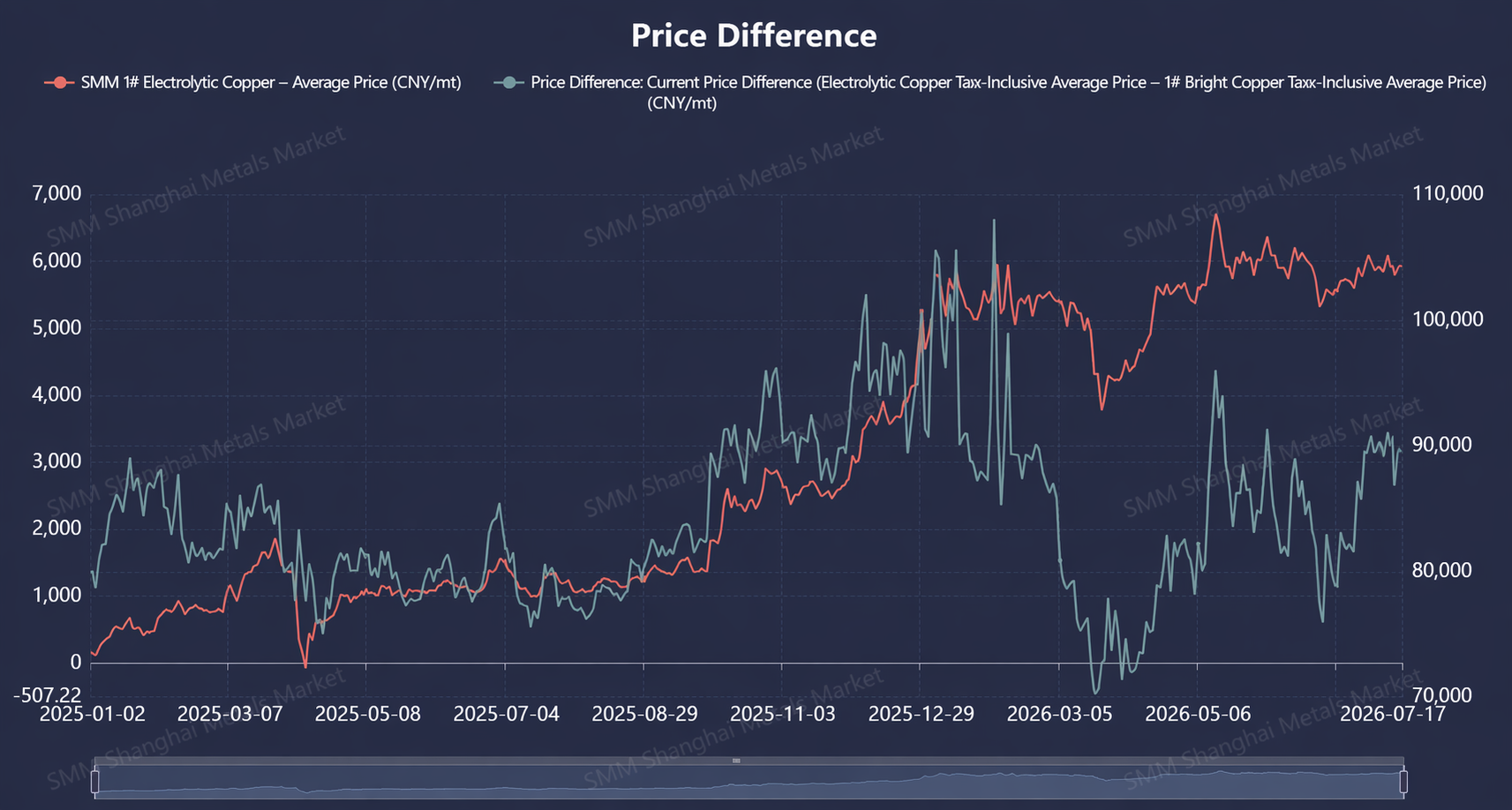
ในด้านอุปทาน ภาวะตึงตัวเชิงโครงสร้างที่ดำเนินมาตั้งแต่ปี 2569 ยังคงดำเนินต่อไป ข้อจำกัดพื้นฐานประการแรก คือ ข้อกำหนดการปฏิบัติตามกฎการออกใบกำกับภาษีย้อนกลับ: ในมณฑลเจียงซีและหูเป่ยทางตอนใต้ของจีนและภูมิภาคอื่น ๆ ผลกระทบจากการตรวจสอบการปฏิบัติตามกฎยังไม่หมดไป และโควตาใบกำกับภาษีในสถานที่เช่นซู่หยาง มณฑลเจียงซูยังคงถูกจำกัด ทำให้เศษทองแดงที่ปฏิบัติตามกฎและหักลดหย่อนได้ที่มีอยู่ในตลาดยังคงตึงตัวอย่างต่อเนื่อง ประการที่สอง หลังจากเอกสารหมายเลข 770 ในช่วงปลายปี 2568 ขจัดการคืนภาษีท้องถิ่นที่ผิดกฎหมาย ผู้ค้าเศษทองแดงขนาดเล็กและขนาดกลางที่เคยพึ่งพาเงินอุดหนุนและแรงจูงใจเริ่มทยอยออกจากตลาด และอุปทานที่มีอยู่โดยรวมหดตัวอย่างมากเมื่อเทียบกับช่วงเวลาเดียวกันของปีก่อนหน้า ผนวกกับผู้จำหน่ายโดยทั่วไปถือแนวป้องกันทางจิตวิทยาที่ว่า “ไม่ขายถูกก่อนที่ราคาจะทะลุ 100,000 หยวน” จังหวะการจัดส่งตลอดสัปดาห์เป็นไปตามความผันผวนของราคาทองแดงอย่างสิ้นเชิง: ในช่วงต้นสัปดาห์ เมื่อราคาทองแดงปรับตัวลง ความรู้สึกกักตุนไม่ขายมีความแข็งแกร่ง อุปทานในตลาดตึงตัว และผู้ประกอบการผลิตแท่งทองแดงทุติยภูมิประสบปัญหาในการจัดหาวัสดุราคาถูก ในช่วงกลางสัปดาห์ หลังจากราคาทองแดงพุ่งขึ้นเหนือ 105,000 หยวน/ตัน ความตั้งใจของผู้จำหน่ายที่จะขายในราคาคงที่เพิ่มขึ้น แต่เนื่องจากคำสั่งซื้อในช่วงนอกฤดูของภาคการบริโภคเศษทองแดงปลายน้ำที่อ่อนแอ และการยอมรับวัสดุราคาสูงที่ต่ำ การจัดส่งจึงไม่ได้พุ่งขึ้นอย่างมากวัสดุส่วนใหญ่ถูกซื้อโดยผู้ประกอบการแท่งทองแดงทุติยภูมิตามตรรกะการป้องกันความเสี่ยงแบบ “ซื้อวัตถุดิบและขายฟิวเจอร์ส” แทนที่จะเป็นการเติมสต็อกเพื่อการผลิตจริง ผู้ประกอบการแท่งทองแดงหลายรายหยุดเสนอราคาหลังจากซื้อเพียงพอต่อความต้องการรายวันในช่วงเช้า โดยไม่ไล่ราคาสูงขึ้นเพื่อรับมอบสินค้า ในช่วงปลายสัปดาห์ ราคาทองแดงปรับฐานและปรับตัวลง ซัพพลายเออร์กลับมาชะลอการขาย ทำให้อุปทานที่มีอยู่ตึงตัวอีกครั้ง ความแตกต่างในแต่ละภูมิภาคยังคงอยู่ ในภาคใต้ เนื่องจากต้นทุนด้านการปฏิบัติตามกฎระเบียบและการหมุนเวียนเงินทุนที่ช้า ราคารับซื้อทองแดงเส้นสว่างเปล่าจึงต่ำกว่าภาคเหนือ 400–600 หยวน/ตัน โครงสร้างที่ผิดปกติของราคาที่แตกต่างกันสำหรับวัสดุชนิดเดียวกันยังคงดำเนินต่อไป ผู้ค้ายังคงใช้กลยุทธ์ซื้อขายเร็วสต็อกต่ำ ไม่กล้าที่จะกักตุนเพื่อรอราคาขึ้น ปัญหาเกี่ยวกับรอบระยะเวลาการเก็บเงินที่ยืดออกไปเกินสองสัปดาห์ยังคงไม่ได้รับการแก้ไข ซึ่งยิ่งจำกัดความยืดหยุ่นในการปล่อยอุปทาน ในด้านอุปสงค์ ความอ่อนแอโดยรวมยังคงอยู่ ผู้ประกอบการแท่งทองแดงทุติยภูมิได้รับคำสั่งซื้อใหม่น้อยตลอดทั้งสัปดาห์ แม้ว่าส่วนต่างราคาระหว่างแท่งทองแดงแคโทดและแท่งทองแดงทุติยภูมิจะพุ่งขึ้นไปแตะ 1,510 หยวน/ตันกลางสัปดาห์ ซึ่งถึงระดับความคุ้มค่าทางเศรษฐกิจ แต่ก็ขาดความยั่งยืนและปรับตัวลงมาที่ 950 หยวน/ตันในช่วงสุดสัปดาห์ ยิ่งไปกว่านั้น แท่งทองแดงทุติยภูมิยังคงมีราคาสูงกว่าฟิวเจอร์สเนื่องจากต้นทุนวัตถุดิบที่แข็งตัว ผู้ประกอบการปลายทางสายไฟและสายเคเบิลก็มีคำสั่งซื้อใหม่ที่อ่อนแอ โดยยังคงตั้งความคาดหวังแบบรอดูว่า “ราคาทองแดงยังมีพื้นที่ขาลง” โดยการจัดซื้อส่วนใหญ่เป็นแบบตามความต้องการจำเป็น ธุรกรรมเศษทองแดงในสัปดาห์นี้ส่วนใหญ่ได้รับแรงหนุนจากความผันผวนของราคาทองแดงและความต้องการป้องกันความเสี่ยง โดยมีการเติมสต็อกเพื่อการผลิตจริงน้อยมาก หลังจากราคาทองแดงปรับตัวลงในช่วงปลายสัปดาห์ ความเต็มใจในการซื้อของผู้ประกอบการแท่งทองแดงก็อ่อนแอลงอีก ตลาดโดยรวมแสดงให้เห็นถึงดุลยภาพที่อ่อนแอในลักษณะ “เมื่อราคาทองแดงขึ้น ซัพพลายเออร์ก็ขาย และผู้ประกอบการแท่งทองแดงก็ซื้อเพื่อป้องกันความเสี่ยง เมื่อราคาลง ซัพพลายเออร์ก็ชะลอการขาย และผู้ประกอบการแท่งทองแดงก็รอให้ราคาลงอีก”
ตลาดในปัจจุบันยังคงถูกจำกัดด้วยแรงกดดันสองด้านจากการปฏิบัติตามกฎระเบียบด้านใบแจ้งหนี้และอุปสงค์นอกฤดูกาล ในอนาคต หากส่วนต่างราคาระหว่างทองแดงแคโทดและเศษทองแดงทรงตัวเหนือระดับ 1,500 หยวน/ตัน และแนวทางการดำเนินการสำหรับการออกใบแจ้งหนี้ย้อนกลับมีความชัดเจนมากขึ้น อาจช่วยผลักดันให้เกิดการปลดปล่อยอุปสงค์จำเป็นบางส่วน มิฉะนั้น รูปแบบการซื้อขายที่ซบเซาก็จะยังคงอยู่ต่อไป


![[ บทวิเคราะห์ SMM ] คู่มือฉบับภาพรายงานครึ่งปี 2569 ของผู้ถลุงทองแดง 19 ราย](https://imgqn.smm.cn/usercenter/gCNEi20251217171715.jpeg)