Bản tin Sáng SMM về Thiếc ngày 2 tháng 7 năm 2026:
Ngày 1 tháng 7, giá thiếc diễn biến như tàu lượn ba giai đoạn: "tăng vọt phiên Á, thoái lui phiên Âu, và chịu áp lực phiên đêm." Mở cửa phiên Á, thiếc LME tăng vọt 1.300 USD lên 51.650 USD/tấn (+2,58%), thiếc SHFE 2608 theo sau tăng 8.730 nhân dân tệ lên 398.090 nhân dân tệ/tấn, đỉnh trong ngày chạm 400.480 nhân dân tệ/tấn, có lúc tiến gần mốc 400.000 nhân dân tệ và trở thành kim loại cơ bản mạnh nhất ngày. Tuy nhiên, tâm lý suy yếu phiên Âu. Thiếc LME kỳ hạn 3 tháng đóng cửa 50.550 USD/tấn, giảm 1.100 USD (2,13%), đỉnh trong ngày 51.990, đáy 50.205, gần như trả lại toàn bộ mức tăng phiên Á. Thiếc SHFE 2608 khép phiên ngày ở 389.610 nhân dân tệ/tấn, chỉ tăng 290 nhân dân tệ (0,07%), bóng nến dài cho thấy lực mua kiệt sức sau khi đẩy giá lên. Phiên đêm ngày 1 tháng 7 (từ 21:00 ngày 1/7 đến 02:30 ngày 2/7), kim loại cơ bản đồng loạt giảm, thiếc SHFE 2608 ảm đạm quanh 387.000–390.000 nhân dân tệ. Hợp đồng 2608 chính thức trở thành hợp đồng giao dịch sôi động nhất (lượng mở 41.203 lô, khối lượng giao dịch 260.000 lô vượt xa 2.080 lô của 2607). Thiếc LME phiên đêm bị kéo xuống do cuộc tắm máu của Chỉ số Bán dẫn Philadelphia, mốc 51.000 bị mất sau khi giành lại được.
Vĩ mô:
(1) Tại Diễn đàn Warsh Sintra, "rủi ro lạm phát giảm nhưng vẫn quá cao" và việc hủy bỏ hướng dẫn tương lai khiến phí bảo hiểm bất định chính sách tăng. Chủ tịch Fed Warsh nhắc lại tại Diễn đàn ECB Sintra ngày 1/7 rằng "đảm bảo ổn định giá cả là ưu tiên hàng đầu," cho biết kỳ vọng lạm phát đã giảm trong bốn tuần qua, giảm rủi ro, nhưng nêu rõ không cung cấp hướng dẫn về lãi suất tương lai, cuộc họp FOMC tháng 7 sẽ thảo luận đầy đủ—giới phân tích lo cam kết "ít nói hơn" có thể khuếch đại biến động thị trường. Nhà giao dịch hạ nhẹ xác suất tăng lãi suất nhưng vẫn định giá ít nhất một lần năm nay, chỉ số đô la Mỹ vững trên 101, áp lực đồng bạc xanh mạnh chưa qua.
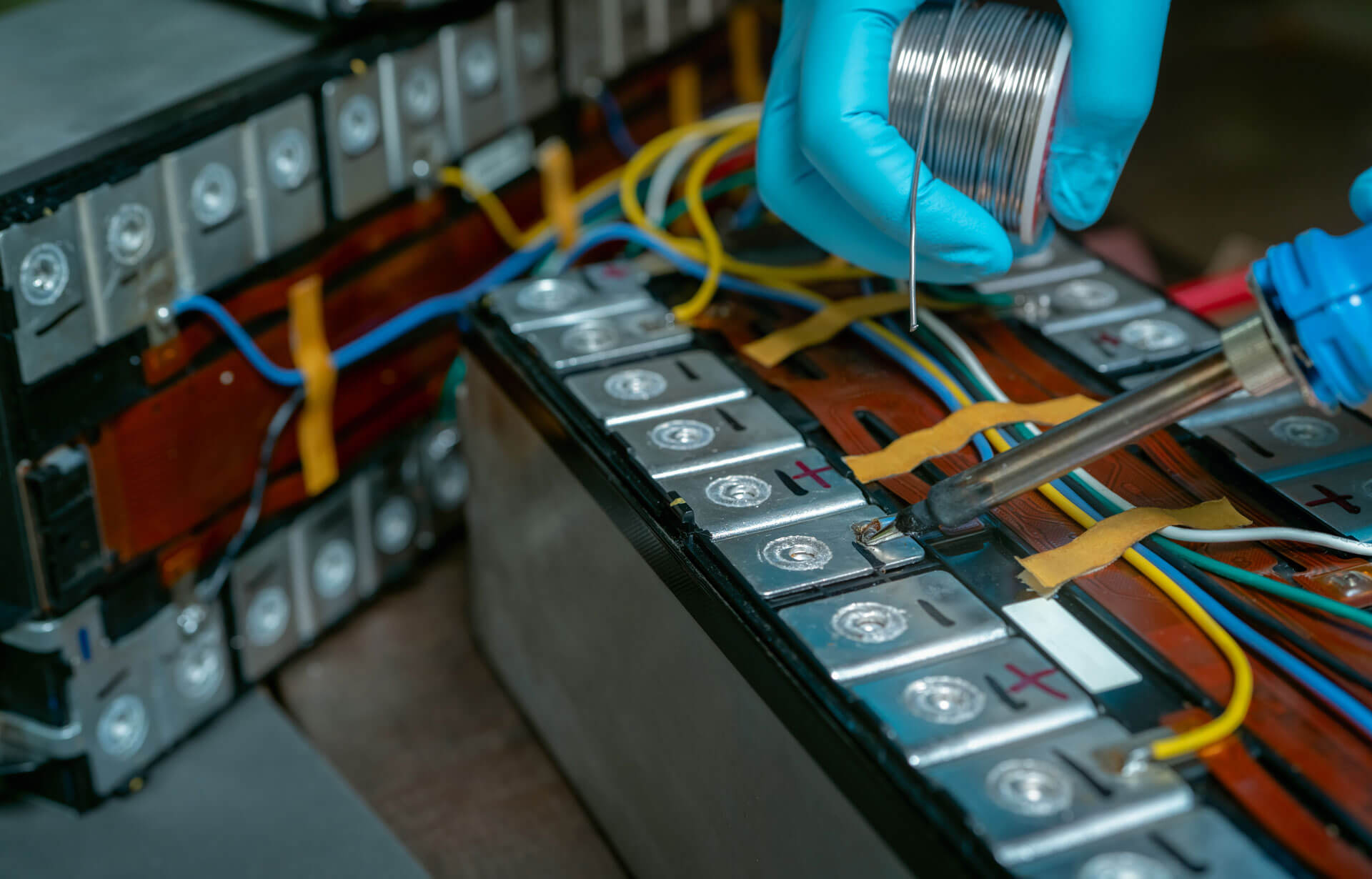
(2) Chỉ số Bán dẫn Philadelphia tắm máu -6%, Micron và SanDisk giảm hơn 10%, câu chuyện "chất hàn AI" của thiếc hứng đòn trực diện nhất. Qua đêm, chuỗi bộ nhớ/bán dẫn đồng loạt lao dốc: Micron -10,57%, SanDisk -10,62%, Applied Materials -10%, Qualcomm -11%, Intel -9%, TSMC ADR -7%, AMD -6%, Chỉ số Bán dẫn Philadelphia giảm hơn 6% trong một ngày. Logic kích hoạt: Meta tuyên bố cho thuê năng lực tính toán AI nhàn rỗi ra ngoài, thị trường diễn giải là "đà mua sắm điện toán AI của nhà cung cấp đám mây chậm lại + trần tăng trưởng phần cứng cao xuất hiện," cộng với việc quỹ chốt lời điểm bán niên, cắt vị thế cổ phiếu chip giá cao. Thiếc là kim loại cơ bản gắn với bán dẫn sâu nhất suốt năm qua, Chỉ số Bán dẫn Philadelphia -6% giáng cú đòn trực tiếp hơn vào phần bù "kim loại AI" so với đồng đô la ở 101—cú tăng vọt đơn độc 2,58% của thiếc phiên Á ngày 1/7 được thúc đẩy bởi lưỡng cốt truyện "chất hàn máy chủ AI + tồn kho thấp," nhưng ngay khi Chỉ số Bán dẫn Philadelphia sập phiên đêm, độ co giãn lập tức đảo chiều phản đòn.
(3) Biến số khác: Báo cáo ADP tháng 6 tăng 98.000 việc làm, dưới kỳ vọng (118.000), thị trường lao động hạ nhiệt chừa dư địa cho cách tiếp cận "phụ thuộc dữ liệu" của Waller; dầu Brent giảm 2% xuống 68 USD, phân kỳ lạm phát "dầu giảm + PCE tăng" tiếp diễn;
Yếu tố cơ bản: (1) Nguồn cung: Tình trạng khan hiếm quặng thiếc chưa được giải quyết, nhưng tín hiệu cải thiện biên đang tăng. Hầu hết lò luyện tập trung sản xuất ổn định trong tháng 6. (2) Nhu cầu: Hiệu ứng mùa thấp điểm truyền thống sâu hơn, hỗ trợ nhu cầu cứng song hành kìm hãm do giá cao. Mua hàng hạ nguồn thận trọng, mua theo đơn đặt.
Thị trường giao ngay: Giao ngay thể hiện nhịp "tăng giả phiên Á, giao dịch thực mỏng, chiết giá buổi chiều," điển hình thị trường giá cao kìm hãm nhu cầu, khớp lệnh hạ nguồn thưa thớt.
[Tuyên bố nguồn dữ liệu: Ngoại trừ thông tin công khai, các dữ liệu khác dựa trên thông tin công khai, trao đổi thị trường và mô hình cơ sở dữ liệu nội bộ SMM, được SMM xử lý, chỉ mang tính tham khảo và không cấu thành lời khuyên ra quyết định. Thông tin cung cấp chỉ để tham khảo. Bài viết này không phải tư vấn đầu tư trực tiếp hay lời khuyên ra quyết định. Khách hàng nên quyết định thận trọng, không thay thế bằng phán đoán độc lập. Mọi quyết định của khách hàng không liên quan đến Shanghai Metals Market.]
![Tác động biên của đợt tăng lãi suất đồng đô la Mỹ hiện tại đang suy yếu, giá thiếc phục hồi nhẹ quanh mức trung tâm sáng nay [Đánh giá giữa phiên giá thiếc SMM]](https://imgqn.smm.cn/usercenter/iLVGs20251217171753.jpg)
![[SMM Tin nhanh: Trong tháng 8, tổng khối lượng giao dịch thỏi thiếc trên hai sàn giao dịch lớn của Indonesia đạt 3.610 tấn]](https://imgqn.smm.cn/usercenter/nBLhE20251217171750.jpg)
![[SMM Tin nhanh: Ngân Tích Hưng Nghiệp: Thông báo về tiến độ sự cố an toàn tại công ty con và việc khôi phục sản xuất hệ thống tuyển quặng và quặng đuôi]](https://imgqn.smm.cn/usercenter/pwiFP20251217171752.jpg)