[Two Mandatory EV National Standards Take Effect Tomorrow: Batteries Must Not Catch Fire or Explode]

Published: Jun 30, 2026 19:44

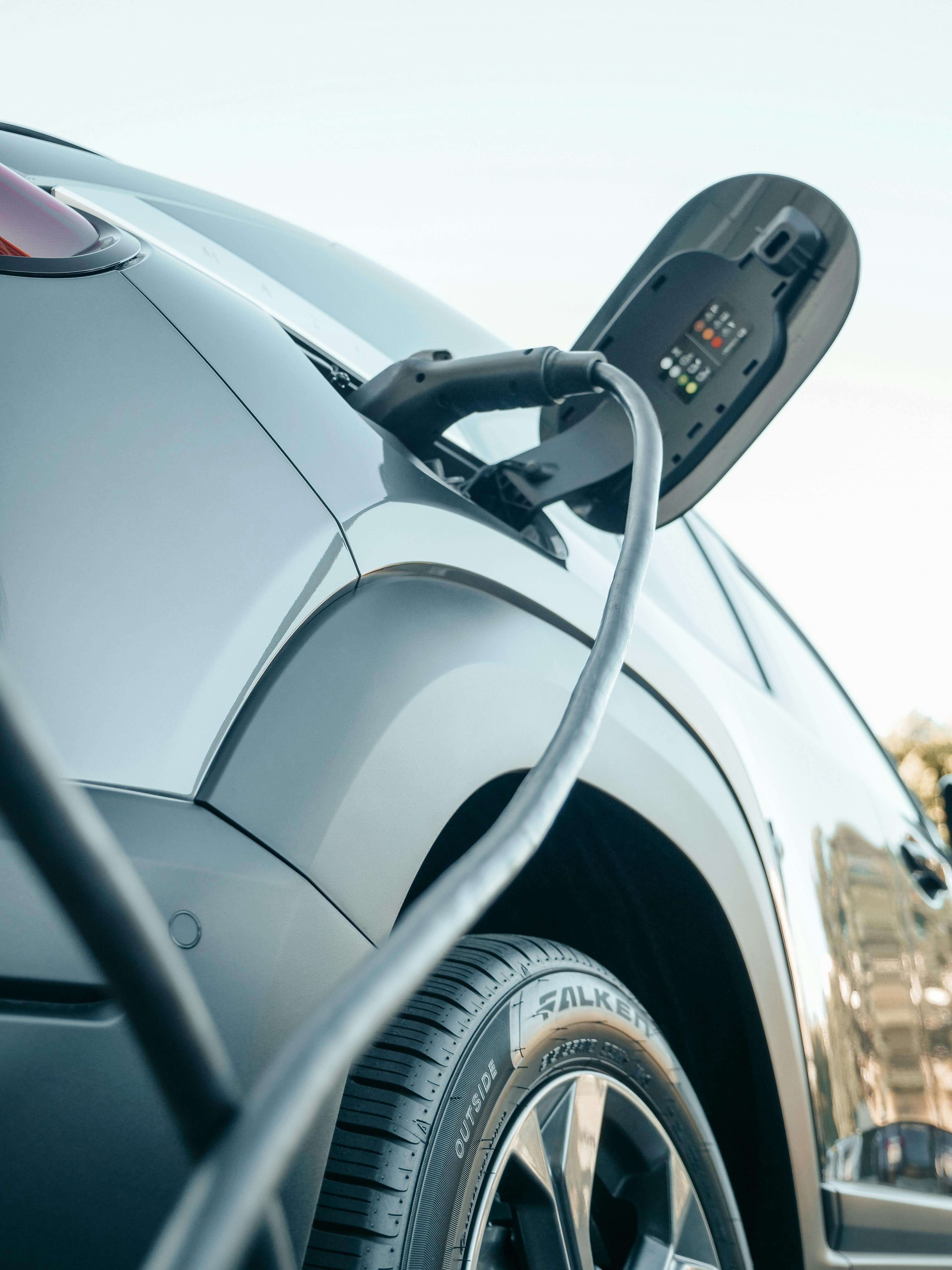
On July 1, two mandatory national standards—"Safety Requirements for Traction Batteries of Electric Vehicles" (GB 38031-2025) and "Safety Requirements for Electric Vehicles" (GB 18384-2025)—will officially come into force. This marks the first time in China's new energy vehicle sector that both battery‑specific and vehicle‑level core safety standards take effect on the same day.

The new battery standard establishes "no fire, no explosion" as a mandatory requirement, replacing the previous technical threshold of "providing an alarm signal 5 minutes before fire or explosion." The updated standard also adds tests including bottom impact testing and safety testing after fast‑charging cycles. The vehicle standard requires the installation of an independent physical one‑button emergency power‑off device.

The two standards will be implemented in phases: all newly applied vehicle models submitted after July 1 must fully comply with the new rules, while models already approved and on sale are granted a one‑year transition period until full compliance is required by July 2027. Industry players across the supply chain have already entered the final stages of certification review and production‑line retrofitting.

Data Source Statement: Except for publicly available information, all other data are processed by SMM based on publicly available information, market communication, and relying on SMM's internal database model. They are for reference only and do not constitute decision-making recommendations.

For any inquiries or for more information, please contact: lemonzhao@smm.cn
For more information on how to access our research reports, please contact:service.en@smm.cn
Related News
[SMM Analysis] Zimbabwe Opens Rail Route to Maputo, Easing Lithium Export Logistics Constraints
1 hour ago
[SMM Analysis] Zimbabwe Opens Rail Route to Maputo, Easing Lithium Export Logistics Constraints
Read More
[SMM Analysis] Zimbabwe Opens Rail Route to Maputo, Easing Lithium Export Logistics Constraints
[SMM Analysis] Zimbabwe Opens Rail Route to Maputo, Easing Lithium Export Logistics Constraints
1 hour ago
Railway Expansion and a Concentrate Export Ban: What Is Zimbabwe Really Trying to Achieve?【SMM Analysis】
2 hours ago
Railway Expansion and a Concentrate Export Ban: What Is Zimbabwe Really Trying to Achieve?【SMM Analysis】
Read More
Railway Expansion and a Concentrate Export Ban: What Is Zimbabwe Really Trying to Achieve?【SMM Analysis】
2 hours ago
Congo presses ahead with local ownership rule for miners despite industry concerns
3 hours ago
Congo presses ahead with local ownership rule for miners despite industry concerns
Read More
Congo presses ahead with local ownership rule for miners despite industry concerns
The Democratic Republic of Congo (DRC) has reaffirmed that it will begin enforcing the local equity participation requirements under its 2018 Mining Code from 31 July, despite concerns raised by several international mining companies. Under the legislation, mining companies are required to transfer 10% of their equity to Congolese nationals, including 5% allocated to employees. As the implementing regulations have remained unclear for several years, no mining company has yet complied with the requirement. In January, the DRC government instructed mining companies, including Glencore, Ivanhoe Mines, CMOC and Huayou Cobalt, to demonstrate compliance by the end of July or face sanctions, although the specific penalties for non-compliance have not yet been disclosed. Following a meeting with mining companies on 22 July, the DRC Ministry of Mines reiterated the 31 July compliance deadline and announced that the implementation decree would be signed after a limited number of technical amendments. An ad hoc committee has also been established to finalise the revisions. To help employees acquire their required equity stakes, the government is considering measures such as interest-free loans and support through cooperatives. Amid rising commodity prices, resource-rich African countries, including the DRC, have increasingly sought to secure a larger share of the value generated from their mineral resources. Under the 2018 Mining Code, the DRC government is already entitled to a 10% free, non-dilutable interest in mining projects and may further increase its ownership through paid acquisitions upon the renewal of mining licences.
3 hours ago
On July 1, two mandatory national standards—"Safety Requirements for T - Shanghai Metals Market (SMM)