1 Market Review
1 Dolomite
This week, the EXW price of 1-3 cm dolomite (Wutai) was 128 yuan/mt, flat WoW, while that of 2-4 cm dolomite (Wutai) was 158 yuan/mt, also flat WoW.
Domestic dolomite EXW prices remained largely stable this week. Supply side, the leading quarry in Wutai, Shanxi, continued suspended production due to environmental protection-related controls, tightening high-grade raw material supply. Inflows from Hubei, Inner Mongolia, and Henan supplemented supply, keeping overall inventory ample nationwide. Demand side, high operating rates at magnesium smelters in Shanxi and Shaanxi provided rigid demand support, but sufficient earlier downstream stockpiling meant market purchasing was mainly restocking as needed. The dolomite market exhibited a pattern of localized tightness but overall looseness, and prices are likely to stay stable in the short term amid the tug-of-war between sellers and buyers.
1.2.1 Magnesium Ingot (Fugu, Shenmu - Main Production Areas)
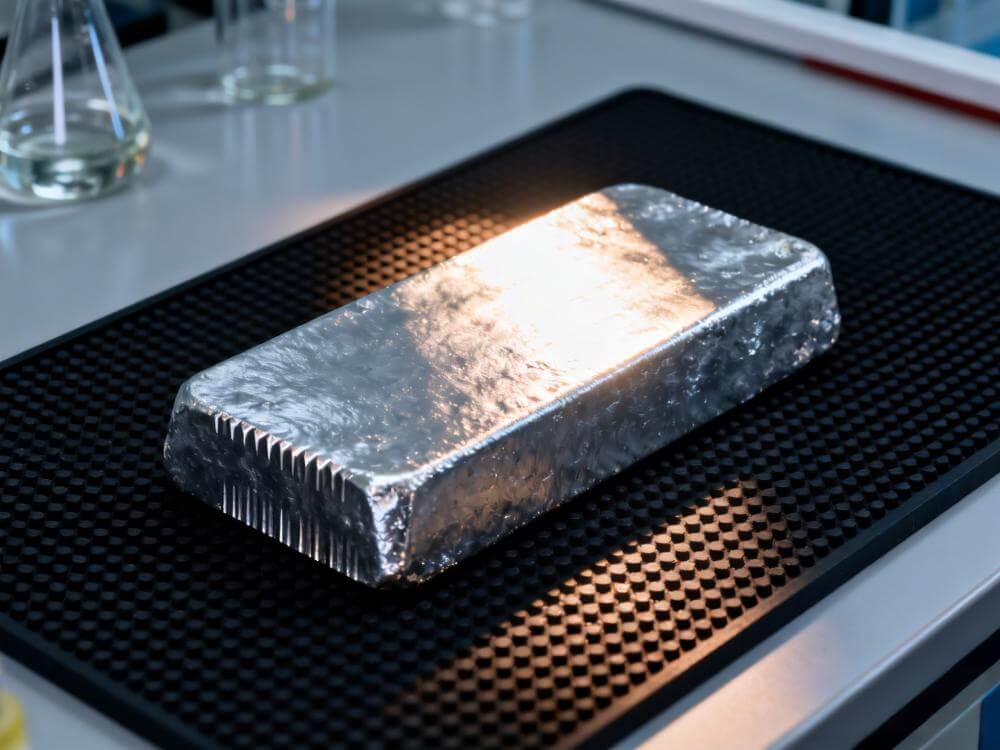
Magnesium ingot prices trended stable-then-weak this week. As of press time, mainstream quotations for 99.90% magnesium ingot in main production areas were 16,250-16,350 yuan/mt, down 50 yuan/mt WoW.
The domestic magnesium ingot market operated under pressure this week. At the beginning of the week, primary magnesium smelters showed strong sentiment to hold prices firm supported by costs, but pronounced wait-and-see sentiment among downstream clients led to sluggish transactions. Smelter inventories gradually built up, while various fixed expenses intensified financial pressure on producers. Under these dual pressures, primary magnesium smelters sold at lower prices, and market deals displayed a gradual decline. Overall, the recent magnesium market was in a delicate balance of ample supply and weak demand, with magnesium prices consolidating at lows.
1.2.2 Magnesium Ingot (Tianjin Port – FOB China)
This week, FOB China quotations were $2,310-2,400/mt, averaging $2,365/mt. Export magnesium ingot market quotations were generally on the low side, remaining relatively steady as EXW prices held firm.
Factory quotations stabilized at 16,300 yuan/mt, but sentiment to hold prices firm was weak, and traders exhibited clear bearishness. As a result, FOB quotations were adjusted down to $2,300-2,330/mt at the week’s start. With summer holidays approaching, overseas quarterly orders failed to materialize as expected, leaving the market in a wait-and-see phase and lacking fresh demand follow-up; export orders overall continued sluggish this week.
1.3 Magnesium Powder
This week, the mainstream EXW price including tax for 20-80 mesh magnesium powder in China was 17,750-17,650 yuan/mt, while the FOB China price was $2,465-2,565/mt.
The magnesium powder market followed magnesium ingot prices, initially falling back before stabilizing. Overall demand was in the off-season, with enterprises mainly purchasing raw materials as needed. Domestic trade orders provided no boost, and after large-scale Q1 ordering, new export orders showed no significant improvement; overall trading was relatively sluggish.
1.4 Magnesium Alloy
This week, the mainstream EXW price including tax for magnesium alloy in China was 18,300-18,600 yuan/mt, and the mainstream FOB price was $2,660-2,740/mt.
Magnesium alloy prices followed the weak trend of magnesium ingot prices. Supply side, magnesium alloy smelter operating rates were stable and spot supply was ample. According to a leading magnesium alloy smelter, overall alloy orders were average and the producer’s inventory was on the rise. Demand side, downstream die-casters saw significant order divergence: automotive orders performed steadily, while two-wheeler orders remained sluggish. The magnesium alloy market maintained a pattern of strong supply and weak demand, and alloy processing fees stayed under pressure.
2 Weekly Summary
The dolomite market remained largely stable this week. The mine in Wutai, Shanxi, suspended production due to environmental protection-related controls, causing a shortage of high-grade stone. Inflows from multiple regions supplemented supply, but overall national inventory was ample. Rigid demand for magnesium raw materials provided support, while sufficient downstream stockpiles limited purchasing to small replenishments. The industry showed localized tightness but overall looseness, with prices unlikely to fluctuate in the short term. Magnesium ingot in main production areas was stable initially then weakened; smelters were willing to hold prices firm on cost support, but downstream wait-and-see sentiment left transactions sluggish. In-factory inventory accumulated and financial pressures increased, causing market quotes to edge down and a supply-demand easing pattern to continue. On the export front, approaching overseas holidays saw export order releases fall short of expectations, with both domestic and export trading remaining sluggish. The magnesium powder and alloy markets followed the weak adjustment of primary magnesium ingot. Magnesium alloy producers operated stably, spot supply was ample, and inventory kept rising. Downstream demand diverged, with automotive orders moderate and two-wheeler demand persistently sluggish; processing fees were under pressure. The tug-of-war between sellers and buyers intensified across the entire industry chain, and the short-term market is expected to mainly consolidate weakly.
![[SMM Analysis] May Magnesium Exports Down 4% MoM, Q2 Market Under Pressure Amid Geopolitical Risks](https://imgqn.smm.cn/usercenter/tjmLW20251217171722.jpeg)
![[SMM Analysis] Brief Analysis of May Tungsten Import and Export Market](https://imgqn.smm.cn/production/admin/news/cn/thumb/gsyYF20180628085444.jpeg?imageView2/1/w/176/h/110/q/100)