

ความขัดแย้งอิหร่านทำให้อะลูมิเนียมขาดแคลน ผู้ผลิตรถยนต์ญี่ปุ่นเผชิญแรงกดดันจากการลดกำลังการผลิต
คำชี้แจงแหล่งที่มาของข้อมูล: นอกจากข้อมูลที่เปิดเผยต่อสาธารณะแล้ว ข้อมูลอื่นๆ ทั้งหมดได้รับการประมวลผลโดย SMM จากข้อมูลสาธารณะ การสื่อสารกับตลาด และการพึ่งพาแบบจำลองฐานข้อมูลภายในของ SMMข้อมูลเหล่านี้มีไว้เพื่ออ้างอิงเท่านั้น ไม่ถือเป็นข้อเสนอแนะในการตัดสินใจ
หากมีข้อสงสัยหรือต้องการทราบข้อมูลเพิ่มเติม กรุณาติดต่อ: lemonzhao@smm.cn
หากต้องการข้อมูลเพิ่มเติมเกี่ยวกับวิธีการเข้าถึงรายงานการวิจัยของเรา โปรดติดต่อ:service.en@smm.cn
ข่าวที่เกี่ยวข้อง
1 ชั่วโมงที่แล้ว
SMM รายงานประจำวัน: ราคาลิเทียมคาร์บอเนตตลาดสปอตยังคงปรับตัวลดลงต่อเนื่องเมื่อวันที่ 19 พฤษภาคม
Read More
SMM รายงานประจำวัน: ราคาลิเทียมคาร์บอเนตตลาดสปอตยังคงปรับตัวลดลงต่อเนื่องเมื่อวันที่ 19 พฤษภาคม
[SMM บทวิเคราะห์รายวัน: ราคาลิเทียมคาร์บอเนตตลาดสปอตยังคงปรับตัวลงต่อเนื่องเมื่อวันที่ 19 พฤษภาคม]
วันนี้ ราคาลิเทียมคาร์บอเนตเกรดแบตเตอรี่ตลาดสปอตของ SMM ปรับตัวลงเมื่อเทียบกับวันทำการก่อนหน้า ด้านตลาดฟิวเจอร์ส สัญญาลิเทียมคาร์บอเนต 2609 เปิดตลาดสูงที่ 191,000 หยวน/ตัน จากนั้นปรับตัวลงอย่างรวดเร็วหลังเปิดตลาด ช่วงเช้าราคาผันผวนในทิศทางขาลงและหลุดต่ำกว่าเส้นราคาเฉลี่ย ช่วงใกล้เที่ยงราคาเร่งตัวลงสู่จุดต่ำสุดของวันที่ 182,100 หยวน/ตัน (ลดลงกว่า 5%) ช่วงบ่ายราคาดีดตัวขึ้นเล็กน้อยแต่ไม่สามารถฟื้นตัวต่อได้ และอ่อนตัวลงอีกครั้งเมื่อใกล้ปิดตลาด สุดท้ายปิดที่ 184,400 หยวน/ตัน ลดลง 3.71% โดยสถานะคงค้างลดลง 20,533 สัญญา
ตลาดสปอต ราคาลิเทียมคาร์บอเนตปรับตัวลงจากจุดสูงสุดหลังจากที่ก่อนหน้านี้ราคาพุ่งขึ้นอย่างรวดเร็ว ซึ่งกระตุ้นการสอบถามราคาและความกระตือรือร้นในการจัดซื้อของผู้ผลิตปลายน้ำอย่างเห็นได้ชัด โรงงานเคมีลิเทียมต้นน้ำยังคงมีความต้องการรักษาระดับราคา และบางรายที่ได้ทำการเฮดจ์ไว้ที่ราคาสูงก่อนหน้านี้ได้เพิ่มการส่งมอบคำสั่งซื้อสปอตให้แก่ผู้ซื้อปลายน้ำ โดยรวมแล้ว การสอบถามราคาและธุรกรรมจริงในตลาดสปอตมีความคึกคัก คาดว่าราคาลิเทียมมีโอกาสปรับตัวลงจำกัดในระยะสั้น และมีแนวโน้มทรงตัวอยู่ในระดับสูง
1 ชั่วโมงที่แล้ว
10 ชั่วโมงที่แล้ว
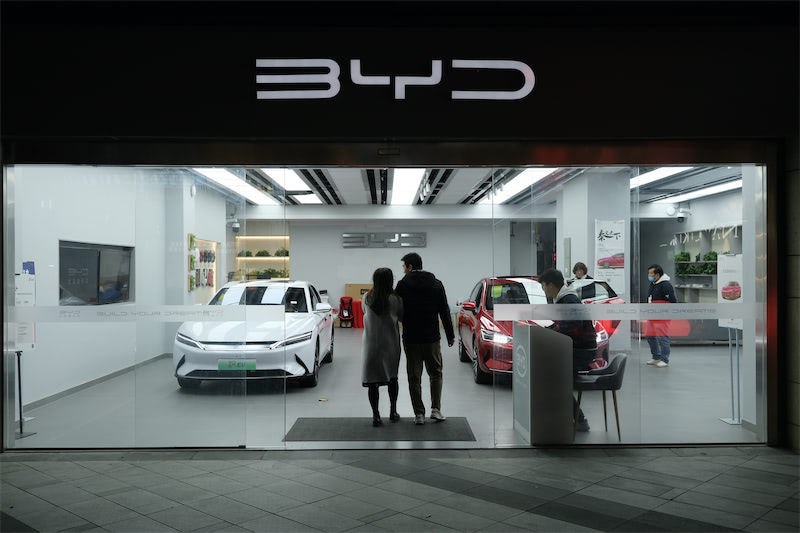
"เทสลาลงทุน 250 ล้านดอลลาร์ในโรงงานกิกะแฟกทอรีเยอรมนี เพื่อเพิ่มกำลังผลิตแบตเตอรี่รถยนต์ไฟฟ้า ขณะยอดขายในยุโรปฟื้นตัว"
Read More
"เทสลาลงทุน 250 ล้านดอลลาร์ในโรงงานกิกะแฟกทอรีเยอรมนี เพื่อเพิ่มกำลังผลิตแบตเตอรี่รถยนต์ไฟฟ้า ขณะยอดขายในยุโรปฟื้นตัว"
Tesla ของอีลอน มัสก์ จะลงทุน 250 ล้านดอลลาร์ในโรงงานที่เยอรมนีเพื่อเพิ่มกำลังการผลิตเซลล์แบตเตอรี่ EV เมื่อยอดขายในตลาดยุโรปฟื้นตัว Tesla จึงใช้การลงทุนครั้งนี้เพื่อเพิ่มผลผลิตโดยรวมในภูมิภาคให้มากยิ่งขึ้น Gigafactory เบอร์ลิน-บรันเดินบวร์กเป็นฐานการผลิตแห่งแรกของ Tesla ในยุโรป "Gigafactory" แห่งนี้เริ่มผลิตในเดือนมีนาคม 2022 ผลิตรถยนต์ Model Y หลายแสนคัน รวมถึงเซลล์แบตเตอรี่หลายล้านเซลล์ ซึ่งเป็นหน่วยกักเก็บพลังงานที่ขับเคลื่อนรถยนต์ไฟฟ้า
10 ชั่วโมงที่แล้ว
10 ชั่วโมงที่แล้ว
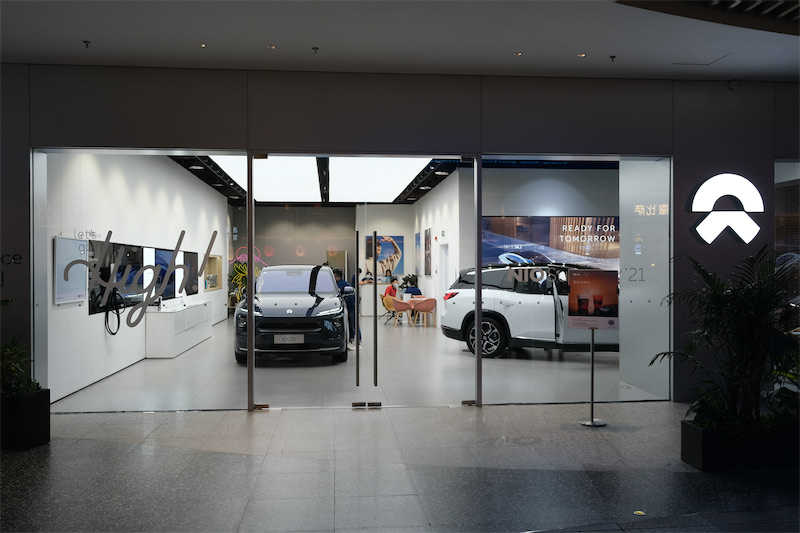
ฉางอานและบีวายดีปรับขึ้นราคารถยนต์บางรุ่น ท่ามกลางตลาดยานยนต์ปี 2026 ที่มีการแข่งขันสูง
Read More
ฉางอานและบีวายดีปรับขึ้นราคารถยนต์บางรุ่น ท่ามกลางตลาดยานยนต์ปี 2026 ที่มีการแข่งขันสูง
หลังจากกระแสการลดราคาที่ยาวนาน ตลาดรถยนต์ได้เข้าสู่วงจรการขึ้นราคาที่หาได้ยากในปี 2026 ซึ่งเป็นปีที่การแข่งขันรุนแรง ฉางอัน ออโตโมบิล และ BYD ต่างประกาศขึ้นราคารถยนต์บางรุ่นเมื่อเร็วๆ นี้ โดยรุ่น Qiyuan Q07 Tianshu Intelligent Laser Edition ของฉางอันได้ปรับราคาขายปลีกแนะนำขึ้น 3,000 หยวน ขณะที่ราคาออปชันเสริมรุ่นเลเซอร์ช่วยขับขี่ของ BYD ในบางรุ่นจะปรับขึ้นจาก 9,900 หยวน เป็น 12,000 หยวน เพิ่มขึ้น 2,100 หยวน การประกาศดังกล่าวสร้างแรงสั่นสะเทือนไปทั่วอุตสาหกรรม
10 ชั่วโมงที่แล้ว
ข่าวที่เกี่ยวข้อง
SMM รายงานประจำวัน: ราคาลิเทียมคาร์บอเนตตลาดสปอตยังคงปรับตัวลดลงต่อเนื่องเมื่อวันที่ 19 พฤษภาคม
May 19, 2026 18:26
"เทสลาลงทุน 250 ล้านดอลลาร์ในโรงงานกิกะแฟกทอรีเยอรมนี เพื่อเพิ่มกำลังผลิตแบตเตอรี่รถยนต์ไฟฟ้า ขณะยอดขายในยุโรปฟื้นตัว"
May 19, 2026 09:36
ฉางอานและบีวายดีปรับขึ้นราคารถยนต์บางรุ่น ท่ามกลางตลาดยานยนต์ปี 2026 ที่มีการแข่งขันสูง
May 19, 2026 09:35
สามหน่วยงานของจีนจัดประชุมเรื่องการเสริมสร้างการจัดการความปลอดภัยและการกำกับดูแลคุณภาพรถยนต์พลังงานใหม่
May 19, 2026 09:28