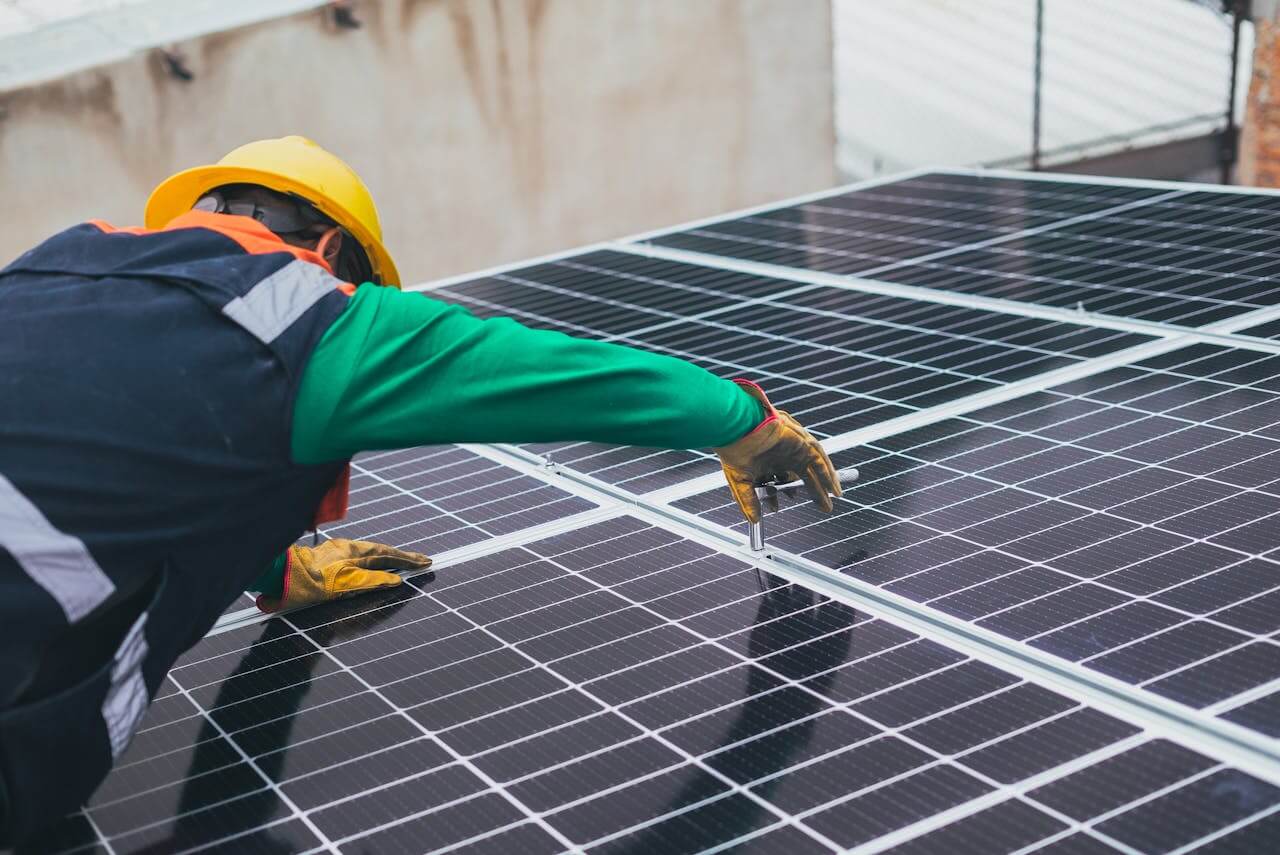
En los últimos años, la industria fotovoltaica ha entrado en un período de profundo ajuste, con precios de módulos en continuo descenso y segmentos tanto ascendentes como descendentes de la cadena de valor enfrentando una severa compresión de beneficios. Impulsada por la necesidad de una "reducción extrema de costos", el vidrio fotovoltaico, un material auxiliar clave para los módulos, ha impuesto requisitos cada vez más estrictos sobre el costo y la calidad de las materias primas ascendentes. Entre estas, la arena de cuarzo de bajo hierro ultratransparente, que determina la transmitancia luminosa del vidrio fotovoltaico, se ha convertido en un nodo crítico en la reestructuración de la cadena de suministro. A medida que los recursos minerales de alta calidad en China se agotan gradualmente y los costos integrales de minería aumentan, las empresas chinas de vidrio fotovoltaico han fijado firmemente su mirada en Indonesia, que posee ventajas en dotación de recursos. Actualmente, las interacciones de oferta y demanda entre China e Indonesia en el campo de la arena de cuarzo para vidrio fotovoltaico se han vuelto extremadamente estrechas.
Para ilustrar más claramente el posicionamiento real de la arena de cuarzo indonesia dentro de la cadena de suministro fotovoltaica de China, realizamos un análisis en profundidad de datos clave y lógica industrial basado en información pública y estudios de mercado:
P1: ¿En qué sectores se utiliza principalmente la arena de cuarzo exportada desde Indonesia en China?
Casi la totalidad (alrededor del 96%) de la arena de cuarzo exportada desde Indonesia se envía a China. De esta arena de cuarzo importada por China, una proporción significativa (60% a 70%) se utiliza en la producción de vidrio fotovoltaico. Adicionalmente, debido a las ventajas de costos de la arena marina indonesia al extraerse cerca de puertos, una parte también se utiliza localmente en la producción de vidrio plano o vidrio ultratransparente. Sin embargo, debido a la falta de recursos de veta correspondientes localmente, la arena de cuarzo indonesia no puede cumplir con los requisitos de alta pureza necesarios para la producción de crisoles. Además, la arena de cuarzo indonesia es principalmente arena marina y, debido a sus características morfológicas, generalmente no es adecuada para producir silicio metálico.
P2: ¿Cuáles son los requisitos específicos de calidad para la arena de cuarzo utilizada en vidrio fotovoltaico?
La arena de cuarzo de bajo hierro ultratransparente para vidrio fotovoltaico tiene límites extremadamente estrictos en pureza e impurezas:
- Contenido de silicio: Normalmente debe ser superior al 99,3%.
- Contenido de hierro: Este es el indicador más crítico, que generalmente requiere un contenido de hierro inferior a 120 ppm.
- Indicadores de metales menores: Además del silicio y el hierro, el contenido de otros metales menores en la arena de cuarzo también es crucial. Los compradores chinos suelen necesitar realizar una evaluación y selección estricta conforme a los estándares de adquisición específicos para el contenido de metales menores establecidos por las empresas vidrieras.
P3: ¿Cuál es el volumen de arena de cuarzo indonesia utilizado por la industria china de vidrio fotovoltaico y el grado de dependencia de las importaciones?
Actualmente, Indonesia y Turquía son las principales fuentes de las importaciones chinas de arena de cuarzo. Según datos públicos, la arena de cuarzo indonesia representa aproximadamente entre el 50 % y el 60 % del total de las importaciones chinas de arena de cuarzo. El volumen total anual de arena de cuarzo exportada desde Indonesia a China oscila entre 4 y 5 millones de toneladas métricas. Considerando que producir 1 tonelada métrica de vidrio fotovoltaico consume aproximadamente entre 0,7 y 0,8 toneladas métricas de arena de cuarzo, alrededor del 15 % al 20 % del total de arena de cuarzo consumida en la fabricación de vidrio fotovoltaico en China depende directamente de las importaciones de Indonesia.
P4: ¿Es la arena de cuarzo indonesia insustituible en el sudeste asiático?
Considerando múltiples dimensiones como la distancia de transporte, el precio de adquisición y la calidad inherente, la arena de cuarzo indonesia posee, en efecto, una prioridad significativa y una fuerte insustituibilidad en el sudeste asiático. Dentro de la región del sudeste asiático, la calidad de la arena de cuarzo indonesia ocupa actualmente el primer lugar, seguida por la de Malasia, mientras que la calidad de Vietnam es relativamente inferior. Aunque la calidad del mineral de regiones más lejanas, como África, puede ser superior, dentro del ámbito del transporte marítimo conveniente en y alrededor del sudeste asiático, la arena de cuarzo indonesia ofrece actualmente la combinación más destacada de ventajas en relación costo-eficacia y calidad.
P5: ¿Cuáles son los modelos de fijación de precios actuales y los niveles de precio de mercado de la arena de cuarzo indonesia?
Actualmente, la arena de cuarzo indonesia aún no ha establecido un estándar de precios absolutamente unificado, pero la industria local correspondiente está promoviendo activamente el establecimiento de precios de referencia unificados FOB (Franco a bordo) y CIF (Costo, Seguro y Flete), con la expectativa de formar precios de orientación oficiales en el futuro. El año pasado, el precio FOB de fábrica de una planta de arena marina de Indonesia era de aproximadamente 160 yuanes por tonelada (sin incluir el flete), mientras que el precio CIF al llegar a China rondaba entre 330 y 340 yuanes por tonelada. En comparación con la arena común para construcción, que cuesta apenas poco más de 100 yuanes por tonelada, el precio de la arena refinada de grado industrial para vidrio fotovoltaico y flotado generalmente se mantiene estable en un nivel alto por encima de los 300 yuanes. Actualmente, las empresas vidrieras nacionales, al realizar compras, suelen preferir negociar contratos anuales a largo plazo directamente con grandes proveedores según las condiciones del mercado vigente.

![[SMM Brief] La capacidad de licitación de módulos fotovoltaicos del 14 al 20 de septiembre fue de 5.444,44 MW, con un precio medio de adjudicación de 0,73 yuanes/W](https://imgqn.smm.cn/usercenter/LlMgj20251217171739.jpg)
![Canadá elimina los aranceles al comercio solar: ¿podrán los módulos chinos ganar una mayor cuota de mercado? [Análisis de SMM]](https://imgqn.smm.cn/usercenter/VqcvE20251217171739.jpg)