O ex-governador do Fed dos EUA, Kevin Warsh, foi nomeado por Trump como próximo presidente do Fed, gerando especulações no mercado de que a trajetória da política monetária possa tornar-se marginalmente hawkish. A recente turbulência nos mercados financeiros globais, especialmente os lucros acumulados excessivos no setor de metais preciosos, levou a um colapso de preços entre os compradores, resultando em uma correção significativa nos metais não ferrosos devido ao sentimento de venda. No entanto, com a recuperação do apetite ao risco, os preços do cobre retornaram rapidamente para próximo da faixa de negociação de janeiro. Como o sentimento macroeconômico mudou recentemente? Que suportes existem para os preços do cobre?
Índice do Dólar Americano Para de Cair e Estabiliza, Trajetória da Política do Fed Aguarda Clareza
No final de janeiro, o índice do dólar enfraqueceu rapidamente, atingindo uma mínima de 95,36 em 27 de janeiro, a mais baixa desde fevereiro de 2022. Commodities denominadas em dólar ganharam impulso de forma geral, e os preços do cobre também foram impulsionados. A fraqueza sustentada anterior do dólar foi impulsionada por múltiplos fatores: a pressão inflacionária era relativamente pequena, e a taxa de desemprego não agrícola divulgada anteriormente havia subido, levando os mercados a apostarem em dois possíveis cortes de juros pelo Fed ainda este ano, com a taxa de juros dos fundos federais ainda esperada para ser reduzida. Por outro lado, para estimular o crescimento econômico e lidar com as pressões das eleições de meio de mandato, Trump pressionou continuamente o Fed na esperança de mais cortes de juros. Além disso, devido a preocupações com a sustentabilidade das condições fiscais e de dívida dos EUA, somadas às recentes medidas comerciais de Trump, instituições europeias, como os maiores credores, estão reavaliando os atributos de refúgio seguro dos ativos do Tesouro americano, com algumas ações de venda observadas, continuando a liberar sinais de desdolarização.
No entanto, a nomeação do novo presidente do Fed trouxe incerteza sobre a trajetória futura do dólar, servindo como um gatilho para as recentes flutuações acentuadas nos mercados financeiros. Candidatos anteriormente favoritos mantinham posturas de política relativamente dovish, defendendo cortes de juros mais agressivos para alinhar-se às demandas políticas de Trump. Mas o indicado, Warsh, opôs-se ao excesso de afrouxamento quantitativo e há muito defende a redução do grande balanço patrimonial do Fed. Isso gerou preocupações no mercado de que as expectativas subsequentes de política monetária possam tornar-se marginalmente hawkish. O índice do dólar recuperou-se das mínimas, causando turbulência nos mercados financeiros globais, e as commodities enfrentaram uma onda de vendas. A principal proposta de Warsh tem sido implementar um pacote de políticas de "cortes de juros e redução do balanço patrimonial". As expectativas de novos cortes de taxas pelo Fed este ano ainda persistem, mas análises de mercado sugerem que, no contexto de uma demanda externa já frágil por títulos do Tesouro dos EUA, esse pacote poderia desencadear volatilidade no mercado. Por isso, os investidores atualmente têm muitas dúvidas, e as propostas de políticas relacionadas de Warsh após a mudança de liderança do Fed serão o foco da atenção do mercado.
Situação de Oferta Apertada de Minério Difícil de Mudar, Intensificação da Competição por Recursos entre Grandes Países
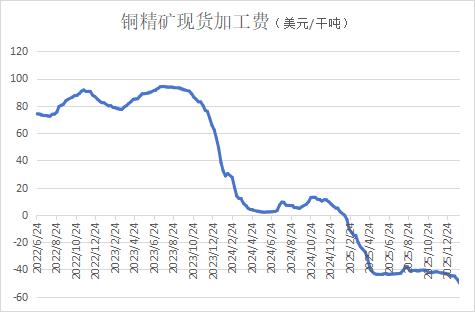
Desde o fechamento da mina de cobre Cobre Panama da First Quantum, o TC spot para concentrados de cobre domésticos continuou a enfraquecer. Com interrupções de produção em minas de cobre de classe mundial, como Kakula da Ivanhoe Mines, El Teniente da Codelco e Grasberg da Freeport Indonesia no ano passado, a vulnerabilidade do fornecimento global de minas de cobre foi repetidamente exposta. O crescimento da produção global de minas de cobre tem lutado para ganhar impulso, levando a um aumento do poder de barganha dos mineradores estrangeiros. Os contratos de longo prazo acordados no meio do ano e o TC do contrato de longo prazo anual de 2026 com fundições domésticas caíram para zero, sem dúvida piorando as condições operacionais das fundições domésticas. Desde o início do ano, as interrupções em minas de cobre no exterior persistiram. Embora o impacto tenha sido limitado em escala, o TC spot para concentrados de cobre na China retomou sua queda, agora rompendo abaixo do limite de US$ 50/tonelada métrica seca. Pequenos desenvolvimentos no lado da oferta podem facilmente desencadear flutuações no mercado. Anteriormente, os números anuais de produção e as previsões de produção futura para as principais minas de cobre globais foram divulgados sucessivamente. Entre estes, a produção da Southern Copper ficou abaixo das expectativas, e a empresa planeja mudar seu foco de produção para a prata. Essa notícia, combinada com ganhos em metais preciosos e metais não ferrosos relacionados, levou o cobre na SHFE a superar máximas anteriores em 29 de janeiro, destacando ainda mais a sensibilidade do mercado a interrupções no lado da oferta.
Anteriormente, países-chave ricos em recursos introduziram uma série de políticas de proteção de recursos. Somado aos aumentos significativos de tarifas dos EUA sobre importações no ano passado e às recentes mudanças na Venezuela e na Groenlândia este ano, o mercado tornou-se cada vez mais consciente da intensificação da competição entre as principais economias pelo controle de recursos estratégicos. Embora os resultados da investigação norte-americana da Seção 232 tenham levado anteriormente a uma suspensão temporária das tarifas sobre minerais críticos, os EUA revelaram recentemente um plano de aquisição e armazenamento de metais estratégicos no valor de 12 mil milhões de dólares. Esta iniciativa visa adquirir e acumular recursos minerais para fabricantes de automóveis, empresas de tecnologia, fabricantes e outros, sendo esperado que o âmbito da reserva inclua terras raras, cobre, lítio e outros minerais críticos, bem como elementos estratégicos com alta volatilidade de preços. Ao mesmo tempo, a Associação Chinesa da Indústria de Metais Não Ferrosos (CNIA) declarou recentemente numa conferência de imprensa que cooperará com as autoridades relevantes para controlar rigorosamente novos projetos de fundição de cobre e expandir a escala das reservas estratégicas nacionais de cobre. Também explorará o estabelecimento de um mecanismo de reserva comercial, selecionando empresas-chave estatais através de subsídios de juros fiscais para pilotar reservas comerciais, e considerará a inclusão de concentrados de cobre — que têm grandes volumes de comércio e são facilmente liquidados — no âmbito da reserva. Estes desenvolvimentos refletem a importância estratégica que as principais economias globais atribuem aos recursos minerais críticos, incluindo o cobre. As atividades de constituição de reservas aumentarão diretamente a procura física por cobre e, à medida que a competição por recursos entre as grandes potências se aprofunda, o valor do cobre como ativo continuará a ser destacado.
No geral, a recente especulação sobre a futura direção política do Fed dos EUA desencadeou uma turbulência significativa nos mercados financeiros, com os preços do cobre também a experienciar volatilidade. No entanto, devido à aceleração da subida dos metais preciosos anteriormente, que levou outros metais a atingirem repetidamente novos máximos periódicos ou mesmo históricos, os preços do cobre foram contidos pelo rebound do inventário visível global, levando a movimentos de preços cautelosos. Os preços futuros pairaram perto da marca de 100.000 yuans por mais de meio mês, com a aceitação descendente deste nível de preço a melhorar gradualmente. Só no final do mês passado é que os preços do cobre conseguiram romper. Como resultado, durante este período, os futuros de cobre foram relativamente menos influenciados pelo sentimento em comparação com outras variedades. Na ausência de fatores negativos adicionais, há espaço limitado para uma correção descendente. Após a libertação do sentimento pessimista, os preços do cobre regressaram rapidamente à anterior faixa de alta flutuação, apoiados pela competição de reservas estratégicas entre as principais economias. Atualmente, com a aproximação do Ano Novo Chinês no mercado interno, espera-se que o acúmulo de estoques continue. Diante de fundamentos fracos, sem suporte adicional, os preços futuros podem continuar flutuando em patamares elevados. No futuro, os investidores manterão o foco no controle dos recursos minerais críticos pelas principais economias globais e nas mudanças na postura política do novo presidente do Fed americano.
(Wenhua Composite)