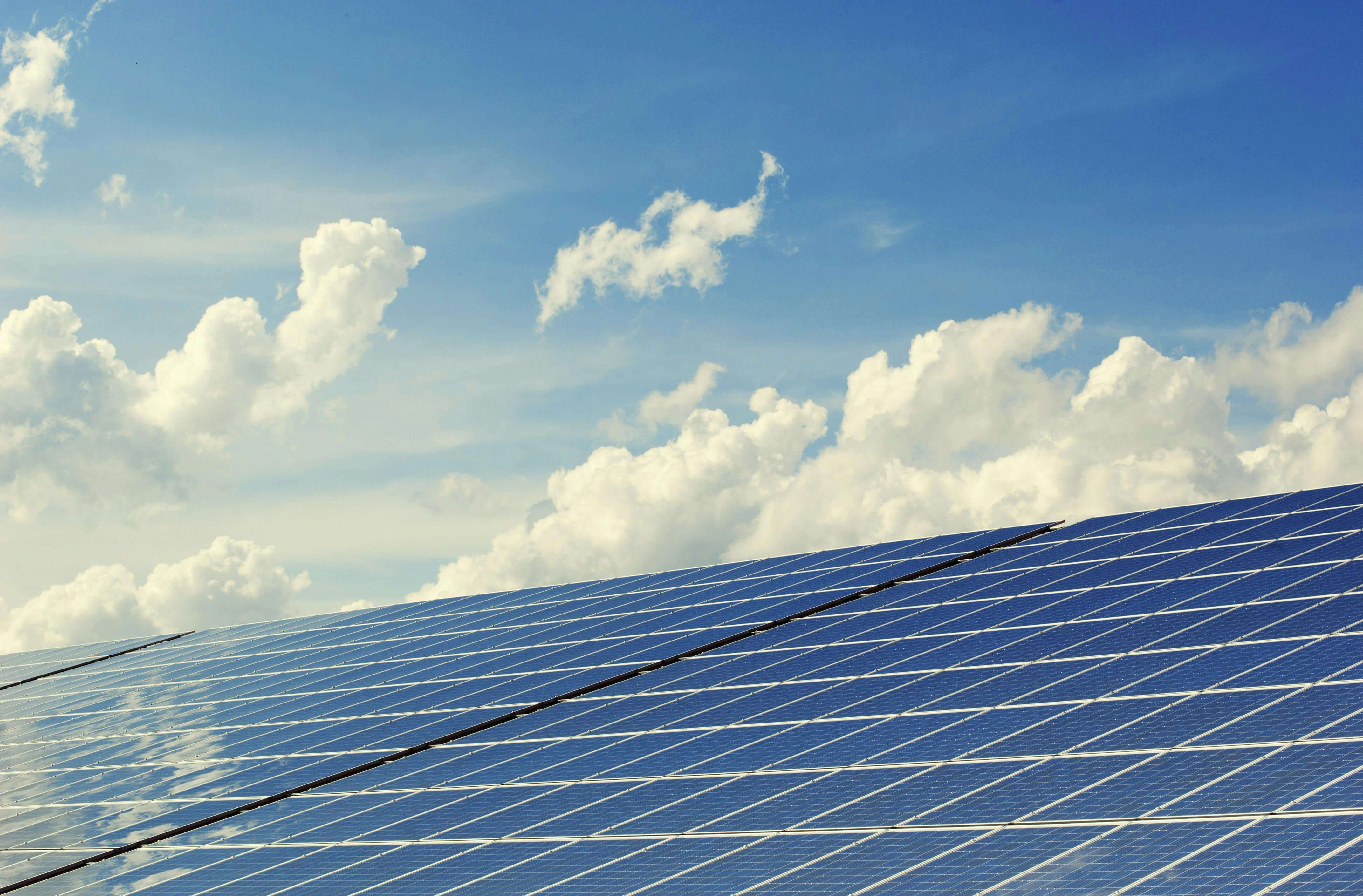
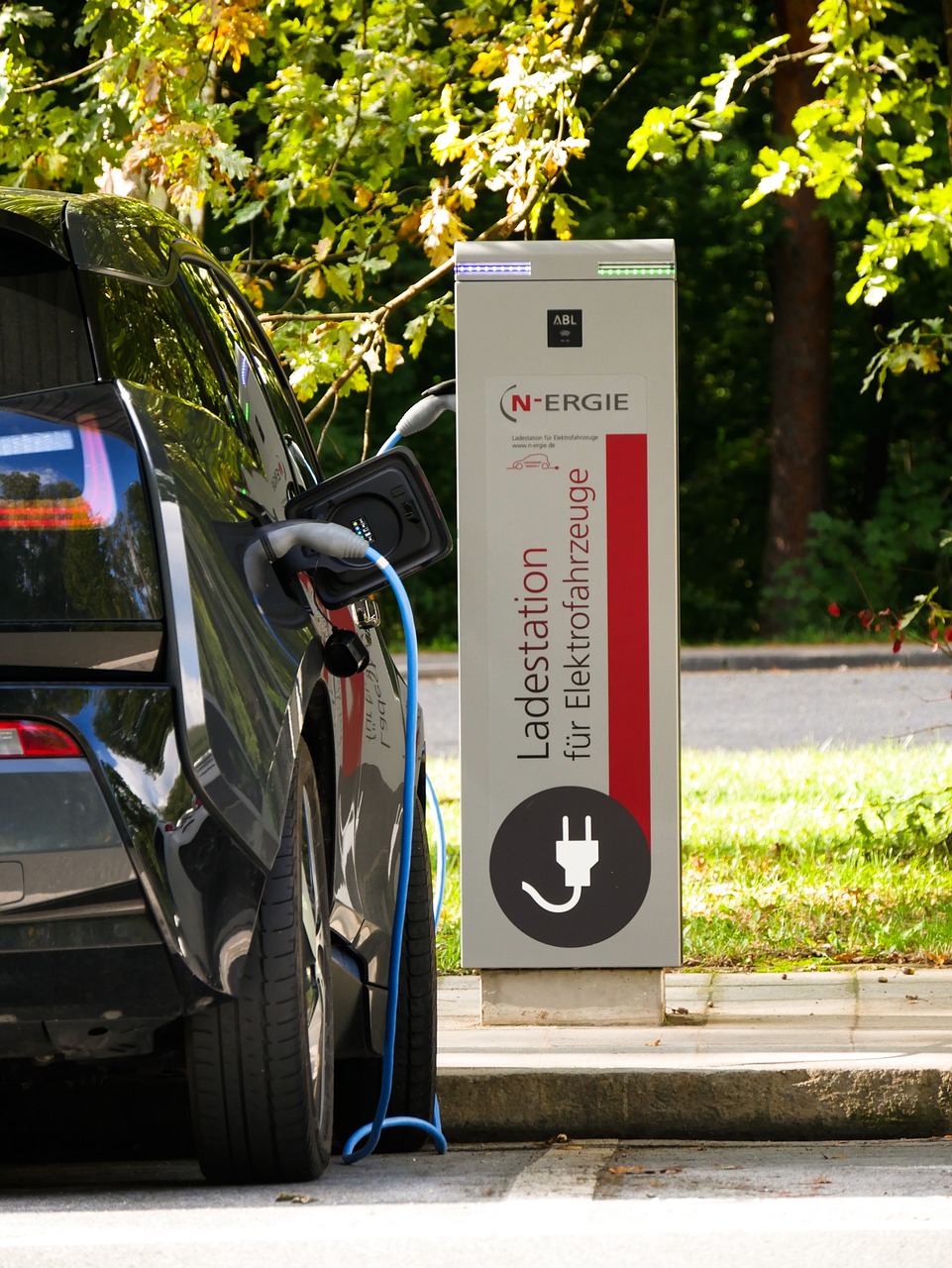
L'essentiel n'est pas "VE contre SSE", mais "VE + SSE". Alors que les moteurs de la demande divergent selon les régions, la stratégie de portefeuille et les priorités d'exécution doivent également diverger.
Examiner le marché mondial des batteries à travers le prisme "Chine contre non-Chine" est plus opérationnel que la division courante "Asie contre monde". La Chine fonctionne comme un écosystème quasi autonome, soutenu par une demande intérieure massive et une chaîne d'approvisionnement très concentrée. En dehors de la Chine, cependant, la dynamique du marché diffère considérablement selon les régions, comme l'Europe et l'Amérique du Nord. Les signaux politiques, le rythme du déploiement des infrastructures, les contraintes du réseau et la sensibilité des clients au coût varient tous, ce qui signifie que les trajectoires de demande varient également.
Dans ce contexte, un changement se distingue : les VE continuent de constituer le fondement de la demande de batteries, tandis que les SSE (Systèmes de Stockage d'Énergie) deviennent rapidement un deuxième moteur de croissance. Il ne s'agit pas de remettre en cause les VE. Plutôt, dans les marchés hors Chine—où les trajectoires de demande de VE sont de plus en plus sensibles aux variables régionales—la stratégie la plus naturelle est de développer les SSE parallèlement aux VE pour élargir la demande adressable totale et stabiliser l'utilisation.
Europe : La Demande de VE est Soutenue par les Infrastructures ; la Concurrence Converge vers les "Indicateurs d'Exécution"
L'Europe reste une région où l'architecture politique est relativement explicite : l'adoption des VE devrait progresser parallèlement au déploiement des infrastructures. Le cadre de l'UE pour les infrastructures de carburants alternatifs pousse efficacement le déploiement de la recharge le long des axes principaux, renforçant le "plancher" sous la demande de VE.
Du côté de l'offre, la direction est également claire : l'Europe renforce sa fabrication locale et ses capacités de chaîne d'approvisionnement. Alors que ces signaux se traduisent en investissements et en planification des capacités, le paysage concurrentiel s'éloigne des récits de marque pour se concentrer sur les indicateurs d'exécution : prix, délais de livraison, fiabilité de l'approvisionnement et capacité à adapter les portefeuilles aux besoins spécifiques des clients.
Alors que l'exécution devient le point focal, la gamme de produits s'élargit naturellement vers les segments de VE grand public et les SSE. Dans ce contexte, la visibilité croissante du LFP (phosphate de fer et lithium) est mieux comprise non pas comme une simple histoire de "technologie gagnante", mais comme le reflet d'exigences accrues en matière de coût, de sécurité et de fiabilité de l'approvisionnement—en particulier dans les applications où le coût total de possession et le risque opérationnel comptent le plus.
L'implication stratégique de l'Europe est simple : la demande de VE bénéficie des infrastructures et du soutien politique, tandis que la performance dépend de plus en plus de la capacité à offrir une compétitivité des coûts, une discipline des délais et une approvisionnement fiable—non seulement dans les segments haut de gamme, mais aussi sur le marché de masse des VE et dans l'ESS.
Amérique du Nord : La croissance des VE face à une plus grande « volatilité des vitesses », tandis que l'ESS gagne en force grâce à la demande du réseau
L'Amérique du Nord diffère de l'Europe sur un point clé : l'adoption des VE est plus exposée à une « volatilité des vitesses » à court et moyen terme, influencée par les signaux politiques, les taux d'intérêt et le pouvoir d'achat des consommateurs. Dans un tel environnement, les priorités des entreprises passent souvent de « l'expansion à tout prix » à la visibilité de l'utilisation et du recouvrement des capitaux.
C'est là qu'intervient l'ESS—non pas comme un substitut aux VE, mais comme un pilier de demande parallèle dont la justification s'ancre de plus en plus dans le système électrique lui-même. Le marché de l'électricité américain fait face à des pressions structurelles de croissance de la demande (y compris provenant de charges importantes comme les centres de données), et à mesure que la demande d'électricité augmente, la valeur des ressources flexibles augmente également. L'ESS répond directement à ce besoin en soutenant la gestion des pics, en lissant l'intermittence et en améliorant la stabilité du réseau.
Les tendances récentes en matière de planification des capacités sur les principaux marchés américains renforcent encore ce point : le déploiement du stockage est intensifié comme solution pratique aux contraintes opérationnelles et à la variabilité.
L'implication stratégique de l'Amérique du Nord est tout aussi claire. Les VE restent le pilier de croissance à long terme, mais compte tenu de la volatilité à court terme, l'ESS doit se développer en tandem pour stabiliser l'utilisation et améliorer la prévisibilité des rendements.
L'inflexion post-2026 : Moins une question de « ce que vous proposez », plus une question de « comment vous exécutez »
Alors que la structure VE + ESS se consolide, la concurrence tend à devenir plus quantitative et opérationnelle. Dans l'ESS en particulier, les exigences des clients sont généralement explicites :
-
Compétitivité des coûts (axée sur le coût total de possession)
-
Fiabilité de l'approvisionnement (respect des délais, assurance des volumes, stabilité des approvisionnements à long terme)
-
Sécurité
-
Performance opérationnelle de longue durée (durée de vie/dégradation) et constance de la qualité
Par conséquent, la question clé à partir de 2026 ne sera plus « Avez-vous du LFP ? »La question est de savoir si vous pouvez assurer une exécution sur l'ensemble des critères : coût, qualité, sécurité, performance du cycle et montée en puissance rapide. Il est important de noter que ce défi ne concerne pas uniquement les fabricants de cellules. Alors que la gamme de produits s'étend des véhicules électriques (VE) aux VE + systèmes de stockage d'énergie (ESS), des exigences plus strictes se propagent à travers la chaîne de valeur—matériaux, composants, équipements et contrôle des procédés—en particulier en termes de pression sur les prix, de stabilité de l'approvisionnement et de gestion des écarts de qualité.
Europe = Intensification de la concurrence sur l'exécution ; Amérique du Nord = Sensibilité à la politique/aux taux
Alors que la concurrence en Europe se concentre de plus en plus sur la localisation et la livraison, la pression sur les marges pourrait augmenter, rendant la discipline opérationnelle—délais de livraison, cohérence de la qualité et niveaux de service—plus décisive que la seule capacité. En Amérique du Nord, la demande de VE est plus exposée aux variations de rythme influencées par la politique et les taux, tandis que la demande croissante du réseau électrique et le besoin de flexibilité continuent de renforcer l'intérêt des investissements dans l'ESS, faisant de l'équilibre du portefeuille un déterminant clé des résultats.
Le VE est la base, l'ESS est l'expansion — Les stratégies spécifiques à chaque région comptent
À partir de 2026, le cadre de croissance sur les marchés hors Chine évolue progressivement d'une histoire centrée uniquement sur les VE vers une histoire combinant VE + ESS. L'Europe bénéficie d'un soutien axé sur les infrastructures qui stabilise l'adoption des VE mais oriente la concurrence vers les indicateurs d'exécution. L'Amérique du Nord est confrontée à une plus grande volatilité de la vitesse d'adoption des VE, tandis que la demande croissante du réseau renforce l'ESS en tant que pilier de croissance parallèle.
La conclusion stratégique est simple : maintenez le VE comme fondement, mais développez l'ESS en parallèle pour garantir à la fois la croissance et la stabilité. Dans la prochaine phase, la performance sera probablement moins déterminée par la communication que par l'exécution—coût, qualité, sécurité, durée de vie et capacité de montée en puissance.

![Les prix du magnésium augmentent pour la troisième séance consécutive ! Le côté coûts reste « brûlant » tandis que la demande peine à prendre le relais [Commentaire SMM]](https://imgqn.smm.cn/usercenter/EutUV20251217171724.jpeg)