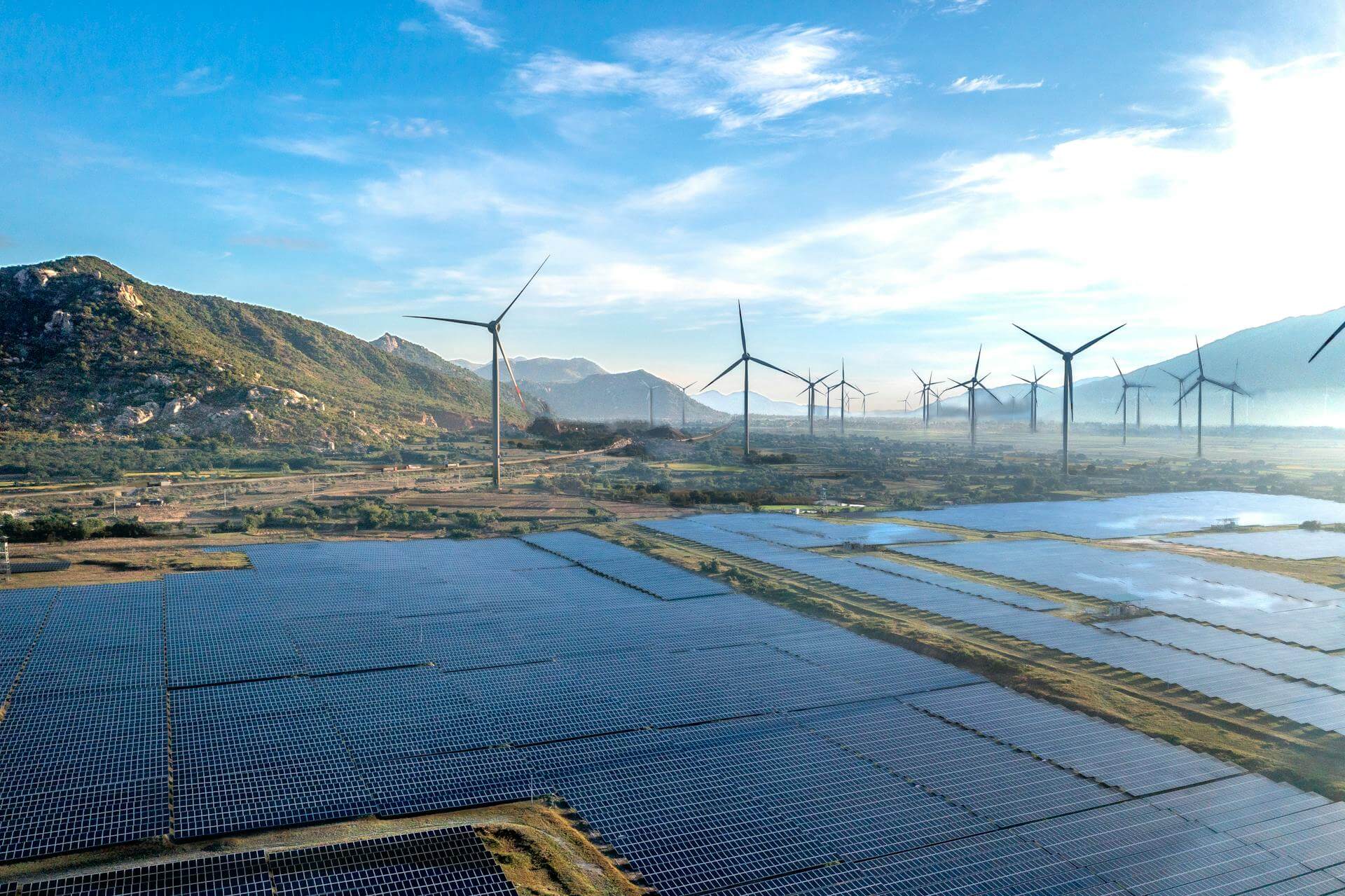
Sau khi Trung Quốc hủy bỏ hoàn thuế xuất khẩu cho sản phẩm quang điện, bức tranh thương mại năng lượng mặt trời toàn cầu đang tái cấu trúc sâu sắc. Được hỗ trợ bởi nhu cầu nội địa khổng lồ và cam kết chính sách kiên định, Ấn Độ đang nổi lên nhanh chóng như một trong những thị trường chiến lược nhất bên ngoài Trung Quốc. Là khu vực tăng trưởng cao với năng lực cạnh tranh toàn cầu, Ấn Độ đẩy nhanh quá trình chuyển đổi năng lượng trong suốt năm 2025, thể hiện khả năng phục hồi thị trường đáng chú ý. Đến tháng 11/2025, công suất lắp đặt điện mặt trời tích lũy của Ấn Độ vượt 130 GW. Đáng chú ý, chỉ riêng năm 2025 thị trường đã bổ sung khoảng 35 GW, định vị quốc gia này thành động lực cốt lõi của mở rộng năng lượng tái tạo cả ở cấp khu vực và toàn cầu.
Phân tích này đánh giá hiệu suất ngành PV của Ấn Độ năm 2025 và đưa ra triển vọng cho năm 2026 trong bối cảnh thương mại toàn cầu mới.
Công Suất Lắp Đặt và Cơ Cấu Thị Trường
Số liệu chính thức cho thấy công suất lắp đặt PV tích lũy của Ấn Độ đạt 132,85 GW. Các dự án quy mô tiện ích tạo thành xương sống của thị trường, chiếm 75,8% tổng công suất (khoảng 100,8 GW). Phần công suất còn lại được phân bổ cho điện mặt trời mái nhà (23,16 GW), hệ thống độc lập (5,55 GW) và dự án lai ghép (3,34 GW).
Về mặt khu vực, sự tập trung công nghiệp rõ rệt do khác biệt về điều kiện tài nguyên và định hướng chính sách. Rajasthan, Gujarat và Maharashtra đã khẳng định vị thế là các trung tâm hàng đầu, cùng chiếm khoảng 60% tổng công suất toàn quốc. Công suất lắp đặt tương ứng của các bang lần lượt là 35,91 GW, 24,79 GW và 17,17 GW.
Năng Lực Sản Xuất và Động Thái Chuỗi Cung Ứng
Dù Ấn Độ mở rộng đáng kể năng lực sản xuất PV trong năm 2025, cấu trúc cung-cầu trên toàn chuỗi giá trị vẫn mất cân đối. Công suất sản xuất mô-đun đã vượt 170 GW, đủ đáp ứng phần lớn nhu cầu nội địa. Tuy nhiên, công suất sản xuất tế bào quang điện tụt hậu đáng kể ở mức khoảng 29 GW. Hơn nữa, năng lực sản xuất trong nước cho polysilicon và wafer vẫn chưa đủ để hỗ trợ các nhà sản xuất mô-đun, dẫn đến sự phụ thuộc lớn vào nguyên liệu nhập khẩu. Tình trạng thiếu tích hợp dọc này khiến chuỗi cung ứng dễ tổn thương trước các rủi ro về kiểm soát xuất khẩu khoáng sản chiến lược và biến động giá quốc tế.
Phân hóa Giá và Môi trường Chính sách Thương mại
Chịu ảnh hưởng bởi các rào cản thương mại và chính sách nội địa hóa, thị trường điện mặt trời Ấn Độ năm 2025 thể hiện sự phân hóa giá rõ rệt, với sự bất ổn chính sách thách thức hiệu quả kinh tế dự án. Theo nghiên cứu của SMM, giá mô-đun biến động mạnh tùy theo nguồn cung. Các mô-đun không-DCR (Yêu cầu Nội dung Trong nước) duy trì mức giá thấp trong khoảng 0,14–0,15 USD/W. Ngược lại, do khan hiếm công suất pin thượng nguồn và chi phí sản xuất cao, mô-đun DCR vẫn đắt, giao dịch trong khoảng 0,27–0,30 USD/W—chênh lệch giá gần 100%.
Khi các dự án quy mô lớn mới của chính phủ được yêu cầu sử dụng mô-đun có trong Danh sách Mẫu và Nhà sản xuất Được phê duyệt (ALMM), SMM dự báo giá mô-đun không-DCR sản xuất tại Ấn Độ có khả năng giảm thêm. Tuy nhiên, nếu chính phủ loại bỏ hoàn toàn chuỗi cung ứng Trung Quốc và thực thi nghiêm ngặt tuân thủ DCR, chi phí xây dựng nhà máy điện mặt trời sẽ tăng mạnh, có nguy cơ làm xói mòn lợi thế về chi phí năng lượng hóa (LCOE) của điện mặt trời Ấn Độ.
Điều tra Biện pháp Phòng vệ Thương mại và Tranh chấp Pháp lý
Để giải quyết sự phụ thuộc vào chuỗi cung ứng, Cục trưởng Cục Biện pháp Phòng vệ Thương mại (DGTR) thuộc Bộ Thương mại Ấn Độ trước đây đã đề xuất áp thuế chống bán phá giá lên đến 30% đối với hàng nhập khẩu từ Trung Quốc. Để phản ứng, Hiệp hội Năng lượng Mặt trời Rajasthan (RSA) đã khởi kiện. Tòa án Tối cao Ấn Độ sau đó ra lệnh tạm thời phán quyết rằng, trong khi chờ phán quyết cuối cùng, bất kỳ thông báo thuế nào dựa trên đề xuất này đều vô hiệu và không có hiệu lực thi hành.
Mặc dù can thiệp tư pháp này tạm thời duy trì khả năng tiếp cận sản phẩm chi phí thấp cho các nhà phát triển, ngành công nghiệp vẫn lo ngại. Việc có khả năng áp dụng thuế bảo hộ trong tương lai, chồng lên các loại thuế quan cơ bản (BCD) hiện có, sẽ làm tăng chi phí chuyển đổi năng lượng và có thể trì hoãn việc đạt được các mục tiêu năm 2030.
Xu hướng Đấu thầu Dự án
Năm 2025, hoạt động đấu thầu phát triển theo hướng các dự án tổng hợp, công nghệ phức tạp:
- Thay đổi Loại hình Đấu thầu Tỷ lệ đấu thầu điện mặt trời độc lập đã giảm. Phần lớn các đấu thầu quy mô lưới điện hiện nay kết hợp hệ thống lưu trữ năng lượng (ESS) hoặc áp dụng mô hình lai gió-mặt trời để nâng cao khả năng cắt giảm công suất đỉnh. Các cấu hình dự án đang tăng tốc hướng tới các mô hình tích hợp cao như Vận hành suốt ngày đêm (RTC) và Năng lượng tái tạo có thể điều phối ổn định (FDRE). Bất chấp độ phức tạp gia tăng, giá thầu trúng thầu vẫn duy trì xu hướng giảm, nhờ vào việc giảm đáng kể chi phí lưu trữ và tối ưu hóa các giải pháp bổ trợ đa năng lượng. Điều này cho thấy các doanh nghiệp Ấn Độ hàng đầu đã vượt qua thành công giai đoạn đầu của đường cong học tập về kiểm soát chi phí và tích hợp kỹ thuật cho các hệ thống năng lượng phức tạp.
- Thắt chặt yêu cầu nội địa hóa lưu trữ năng lượng Bộ Điện lực đã quy định rằng các dự án lưu trữ năng lượng được tài trợ thông qua Hỗ trợ khoảng cách khả thi (VGF) phải đáp ứng yêu cầu hàm lượng nội địa tối thiểu 20%. Ngoài ra, Bộ đã từ chối các đơn xin miễn trừ từ một số bang liên quan đến lệnh "Mua sắm công (Ưu tiên Sản xuất tại Ấn Độ)" (PPP-MII), thiết lập một ngưỡng thực thi thống nhất. Mặc dù nhằm mục đích thúc đẩy nội địa hóa chuỗi cung ứng, việc nguồn cung đáp ứng còn hạn chế có thể làm tăng chi phí đấu thầu trong ngắn hạn.
Các rào cản cấu trúc đối với sự phát triển ngành
Bất chấp sự tăng trưởng về công suất lắp đặt, lĩnh vực năng lượng mặt trời của Ấn Độ phải đối mặt với bốn hạn chế cấu trúc chính ở cấp độ triển khai:
-
Sự chậm trễ trong các Thỏa thuận mua bán điện (PPA): Tính đến tháng 9 năm 2025, các Thỏa thuận bán điện (PSA) cho khoảng 44 GW dự án đã trao thầu vẫn chưa được ký kết. Nhu cầu dao động từ các Công ty Phân phối (Discoms) và sự chậm trễ trong xây dựng lưới điện đã kéo dài chu kỳ từ khi trao thầu đến khi kết thúc tài chính.
-
Hạn chế về khả năng hấp thụ và truyền tải của lưới điện: Các khu vực tăng trưởng cao như Rajasthan và Gujarat đang gặp phải tình trạng chậm trễ trong xây dựng Hệ thống Truyền tải Liên bang (ISTS) so với công suất phát điện. Sự không phù hợp này đã dẫn đến tỷ lệ cắt giảm từ 10% đến 30% ở những khu vực này.
-
Sự bất ổn của chuỗi cung ứng: Sự khan hiếm năng lực sản xuất nguyên liệu thô thượng nguồn khiến ngành công nghiệp quang điện Ấn Độ dễ bị tổn thương trước các biến động cung ứng bên ngoài. Các chính sách kiểm soát xuất khẩu từ các quốc gia xuất khẩu nguyên liệu thô chính đe dọa trực tiếp đến sự ổn định của chuỗi cung ứng.
-
Biến động quy định: Sự bất ổn định về quy định vẫn là một rủi ro. Ví dụ, một số cơ quan quản lý cấp bang (chẳng hạn ở Maharashtra) đã điều chỉnh chính sách phí ngân hàng và phí truyền tải vào tháng 7 năm 2025 (sau đó bị Tòa án Tối cao tạm dừng). Những thay đổi thường xuyên như vậy làm tăng rủi ro mô hình tài chính cho các dự án Thương mại & Công nghiệp (C&I) và Truy cập Mở.
Triển vọng Thị trường 2026
Dựa trên kỳ vọng trung lập về việc triển khai Danh sách ALMM 2, SMM dự báo rằng công suất lắp đặt PV mới tại Ấn Độ sẽ đạt khoảng 45 GW vào năm 2026. Con số này thể hiện tốc độ tăng trưởng năm trên năm là 24%, một sự chậm lại đáng kể so với mức tăng trưởng mạnh mẽ 41% được ghi nhận vào năm 2025.
Ràng buộc cốt lõi thúc đẩy sự chậm lại này là chế độ Danh sách ALMM 2, dự kiến được thực thi bắt buộc vào tháng 6 năm 2026. Nếu công suất sản xuất pin trong nước không thể đáp ứng hiệu quả nhu cầu hạ nguồn về mặt hiệu suất chi phí và thông số kỹ thuật, các nút thắt cổ chai trong chuỗi cung ứng sẽ xảy ra, dẫn đến chậm trễ dự án và kìm hãm tăng trưởng.
Trước sự đánh giá cứng nhắc về mục tiêu năm 2030 (500 GW năng lượng tái tạo), chính phủ Ấn Độ phải cân bằng tinh tế giữa "bảo hộ sản xuất trong nước" và "đạt được các mục tiêu lắp đặt." SMM đánh giá rằng để ngăn chặn tình trạng thiếu hụt nguồn cung kéo theo tiến độ tổng thể, chính phủ rất có khả năng sẽ đưa ra các sửa đổi thực tế đối với Danh sách ALMM 2, từ đó điều chỉnh hiệu quả các yêu cầu bắt buộc đối với pin nội địa. Đồng thời, việc chuyển hướng trọng tâm mua sắm sang Đông Nam Á dự kiến sẽ tăng tốc để thu hẹp khoảng cách cung-cầu trong giai đoạn chuyển đổi này và giảm thiểu rủi ro thuế quan địa chính trị.
Về mặt giá cả, khi các doanh nghiệp hàng đầu Ấn Độ đẩy nhanh việc mở rộng hoạt động sản xuất thượng nguồn sang wafer và các thành phần khác, sự tích hợp dọc được cải thiện sẽ thúc đẩy giảm chi phí. Do đó, chênh lệch giá giữa module DCR nội địa và module không DCR dự kiến sẽ thu hẹp dần.
Nhìn về phía trước, trong khi tiềm năng tăng trưởng của thị trường PV Ấn Độ là không thể phủ nhận, thì tính liên tục và linh hoạt của môi trường chính sách - cụ thể là khả năng kịp thời loại bỏ các trở ngại về phía cung - sẽ mang tính quyết định. Hơn nữa, những cải thiện trong cơ sở hạ tầng hỗ trợ, đặc biệt là khả năng kết nối lưới điện và tỷ lệ tuân thủ hợp đồng của các PPA, là những nền tảng thiết yếu không thể thiếu để hiện thực hóa tầm nhìn 500 GW đầy tham vọng của Ấn Độ.
![Tỷ lệ vận hành khung PV ổn định, kỳ vọng suy yếu; Giải phóng tồn kho nhôm ingot tăng tốc, trung tâm giá nhôm dịch chuyển lên [Phân tích SMM]](https://imgqn.smm.cn/usercenter/chMqV20251217171743.jpg)
![[SMM PV Flash]](https://imgqn.smm.cn/usercenter/xAoMy20251217171743.jpg)
![[SMM Tin tức Điện mặt trời] Dự án điện mặt trời 100 MW Thần Mộc, Thiểm Tây của Hoa Năng đạt kết nối lưới toàn bộ công suất](https://imgqn.smm.cn/usercenter/HKFoG20251217171742.jpg)