12 พฤศจิกายน 2528
กำลังการผลิตแท่งอลูมิเนียมลดลงเล็กน้อยในเดือนตุลาคม มีการลดการผลิตเกิดขึ้นในเดือนพฤศจิกายน
ตามสถิติของ SMM การผลิตแท่งอลูมิเนียมทั้งหมดในประเทศจีนในเดือนตุลาคม 2528 อยู่ที่ 381,000 ตัน ลดลง 4,000 ตัน จากเดือนกันยายน อัตราการดำเนินงานของผู้ผลิตอยู่ที่ 53.56% ลดลง 2.28 เปอร์เซ็นต์จุดจากเดือนก่อนหน้า และลดลง 7.44 เปอร์เซ็นต์จุดเมื่อเทียบกับปีที่แล้ว
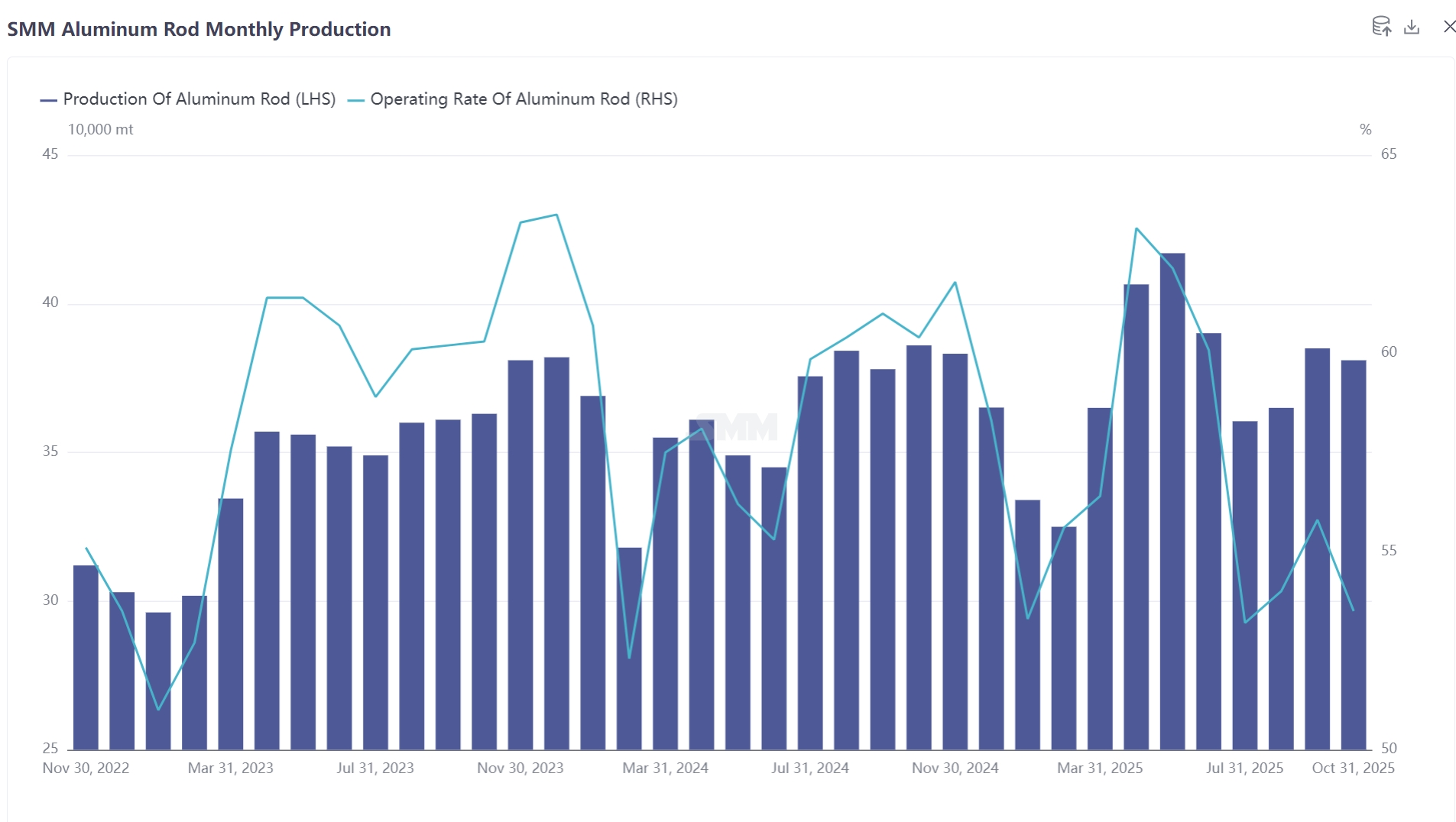
การลดการผลิตส่งผลกระทบทั่วประเทศ โดยลดกำลังการผลิตแท่งอลูมิเนียมรวม 792,000 ตันในเดือนพฤศจิกายน ตามความจุตัวอย่างของแท่งอลูมิเนียมภายในประเทศที่ 8.385 ล้านตัน การลดการผลิตครั้งนี้ครอบคลุมเกือบ 10% ของความจุตัวอย่างทั้งหมด แสดงถึงการหดตัวของอุปทานอย่างมาก ในระดับภูมิภาค เขตมองโกลในร่มเป็นผู้นำในการลดการผลิตด้วยการลด 252,000 ตัน ตามด้วยชานตงและซานซี (144,000 ตันแต่ละแห่ง) กวางสีและเหอหนาน (72,000 ตันแต่ละแห่ง) และกุยโจว หนิงเซีย และฉงชิ่ง (36,000 ตันแต่ละแห่ง) หากความต้องการทางปลายน้ำยังไม่ฟื้นตัว การลดการผลิตอาจขยายวงกว้างออกไป
ทำไมอุตสาหกรรมแท่งอลูมิเนียมจึงประสบกับการลดการผลิตแบบเข้มข้นในเดือนพฤศจิกายน? ปัจจัยขับเคลื่อนหลักคืออะไร?
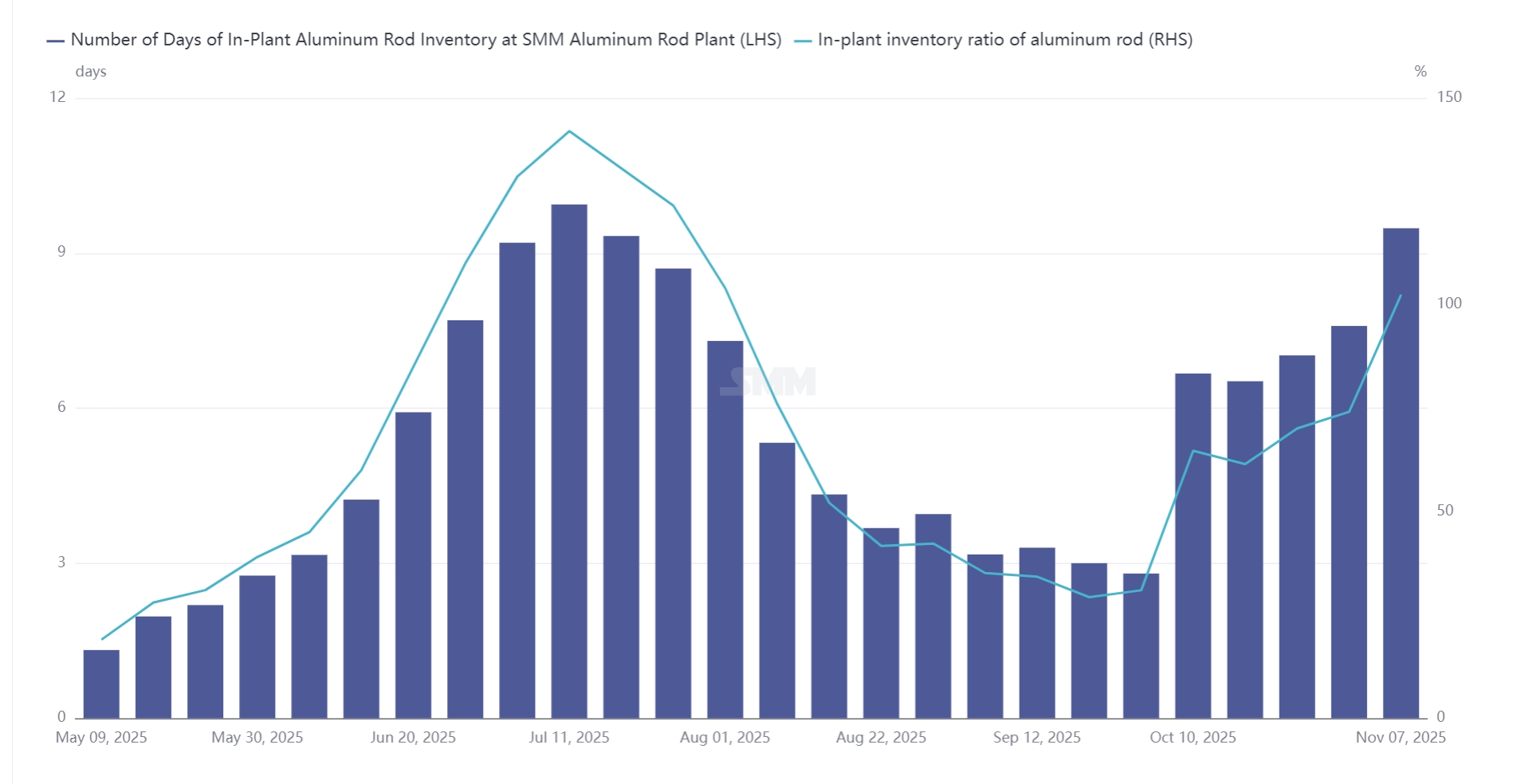
การสะสมสต็อกอย่างต่อเนื่องและการกดดันทางการเงินบังคับให้ลดการผลิต: ตามสถิติของ SMM ณ วันที่ 7 พฤศจิกายน 2528 สต็อกที่โรงงานแท่งอลูมิเนียมอยู่ที่ 9.48 วัน เพิ่มขึ้น 2.8 วันจากต้นเดือนตุลาคม หลังจากวันหยุดวันชาติ โรงงานแท่งอลูมิเนียมเผชิญกับการสะสมสต็อกอย่างมาก เนื่องจากคาดหวังว่าความต้องการทางปลายน้ำจะดีและแรงกดดันทางการเงินยังไม่มาก โรงงานจึงรักษาอัตราการผลิตตามปกติ และการผลิตยังคงมั่นคง แต่เมื่อเวลาผ่านไป โรงงานพบว่าความต้องการทางปลายน้ำไม่เป็นไปตามที่คาดหวัง นอกจากนี้ ราคาอลูมิเนียมที่สูงอย่างต่อเนื่องยังทำให้ความต้องการในการจัดซื้อลดลง ส่งผลให้สต็อกสะสมอย่างต่อเนื่องภายใต้แรงกดดันจากการสะสมสต็อกและการเงิน โรงงานแท่งอลูมิเนียมจำเป็นต้องพิจารณาการบำรุงรักษาและการลดการผลิตเพื่อลดสต็อกภายในโรงงาน บรรเทาแรงกดดันทางการเงิน และปรับปรุงกระแสเงินสดของบริษัท
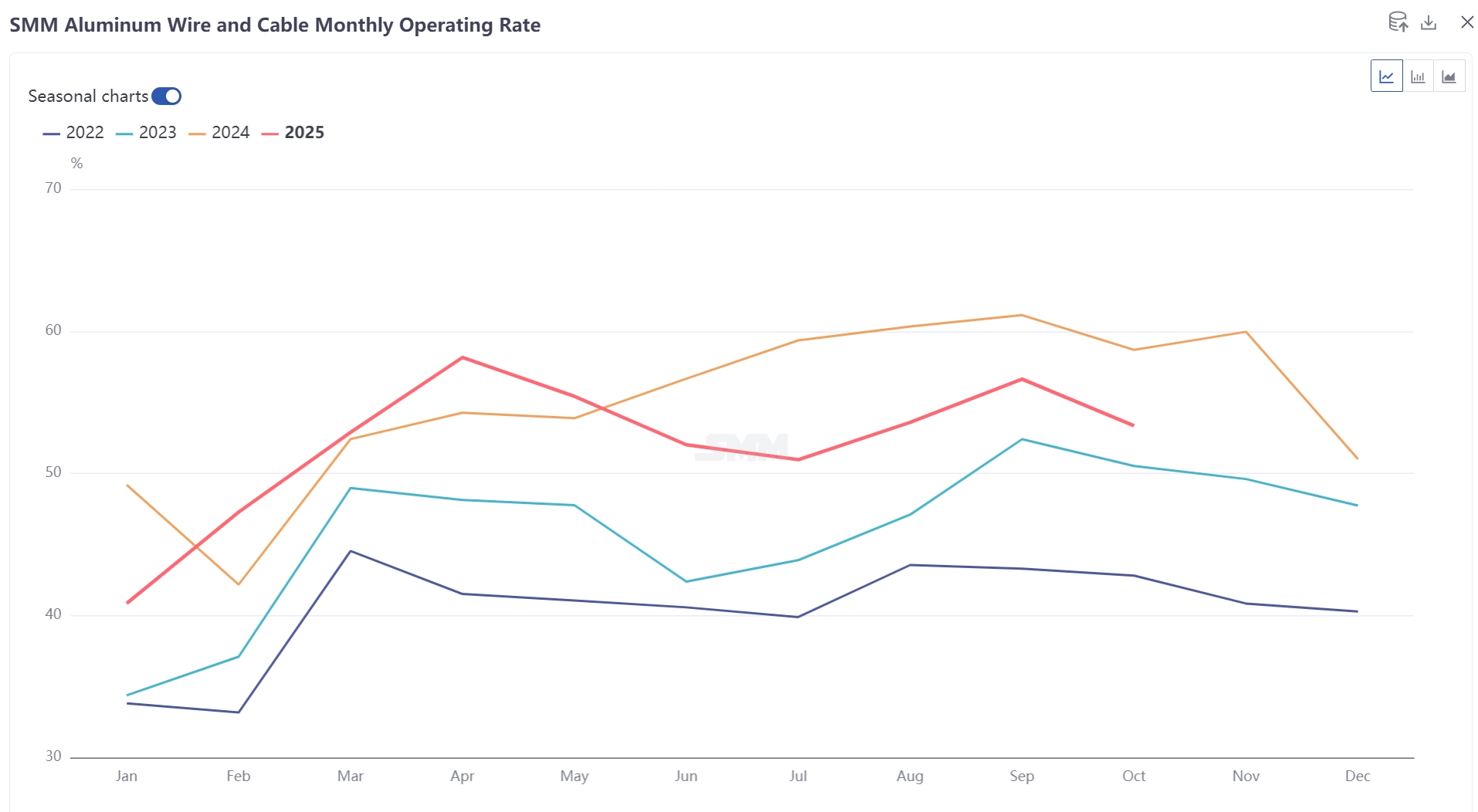
ความคาดหวังในการต้องการที่แข็งแกร่งไม่เป็นจริง: ในเดือนตุลาคม 2528 อัตราการดำเนินงานโดยรวมของอุตสาหกรรมสายไฟและเคเบิลอลูมิเนียมในประเทศจีนอยู่ที่ 53.32% ลดลง 3.31 เปอร์เซ็นต์จุดจากเดือนก่อนหน้า และลดลง 5.38 เปอร์เซ็นต์จุดเมื่อเทียบกับปีที่แล้วการลดลงของอัตราการดำเนินงานของบริษัทสายไฟและเคเบิลในเดือนตุลาคมได้รับผลกระทบจากการหยุดพักช่วงวันชาติ ประกอบกับความต้องการขนส่งสินค้าจากผู้ใช้ปลายทางที่อ่อนแอ ส่งผลให้การดำเนินงานในโรงงานชะลอตัว แม้ว่าบริษัทชั้นนำจะยังคงผลิตแรงดันสูงเต็มกำลังในเดือนตุลาคม แต่หลายผู้ผลิตได้ลดความคาดหวังในการจัดส่งสำหรับเดือนพฤศจิกายน นอกจากนี้ การตรวจสอบด้านสิ่งแวดล้อมในบางพื้นที่ยังเป็นปัจจัยที่ทำให้อัตราการดำเนินงานของโรงงานสายไฟและเคเบิลอลูมิเนียมอ่อนแอ ในขณะเดียวกัน ผู้ผลิตหลายรายรายงานว่าความกระตือรือร้นในการจัดซื้อของผู้ใช้ปลายทางจากสายส่งไฟฟ้าในปีนี้ไม่เป็นไปตามที่คาดหวัง มีปัญหาเรื่อง "คำสั่งซื้อไม่ตรง" และ "การเลื่อนคำสั่งซื้อ" อย่างแพร่หลาย ความต้องการขนส่งสินค้าจากผู้ใช้ปลายทางที่อ่อนแอเป็นเหตุผลหลักที่ทำให้ภาคอุตสาหกรรมสายไฟและเคเบิลอลูมิเนียมเข้าสู่ช่วงนอกฤดูกาลเร็วกว่าปกติ แม้ว่าการประมูลของสายส่งไฟฟ้าจะดำเนินต่อไปในต้นเดือนพฤศจิกายน แต่สถานการณ์ "ประมูลแต่ไม่สั่งซื้อ" ยังคงไม่เปลี่ยนแปลง ในระยะสั้น อุตสาหกรรมยังคงดำเนินการอย่างเชื่องช้าโดยไม่มีแนวโน้มที่จะปรับปรุง
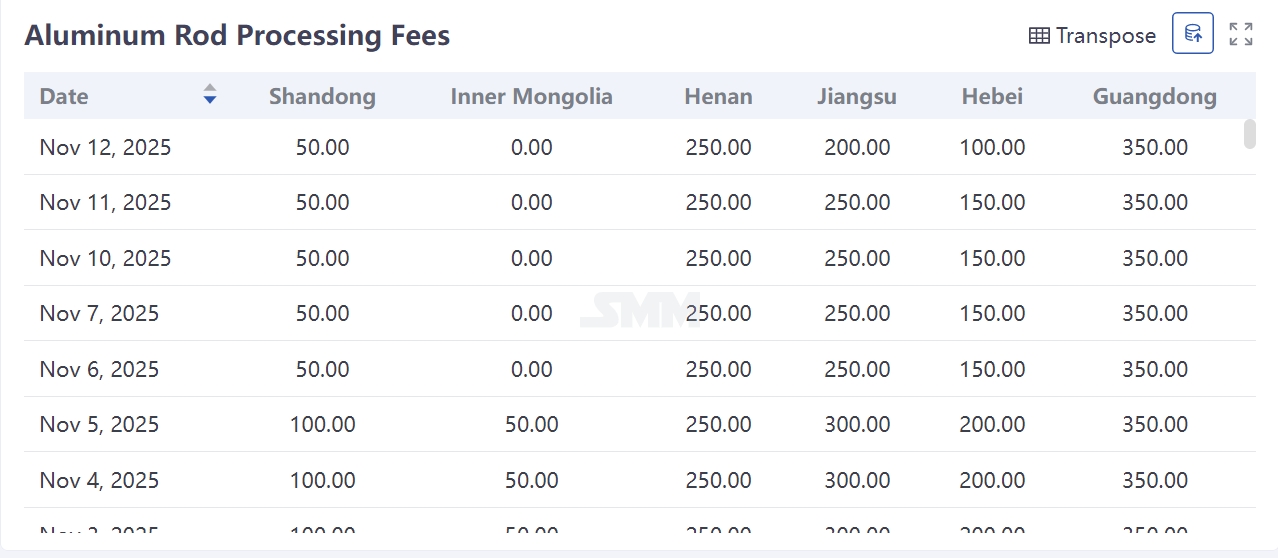
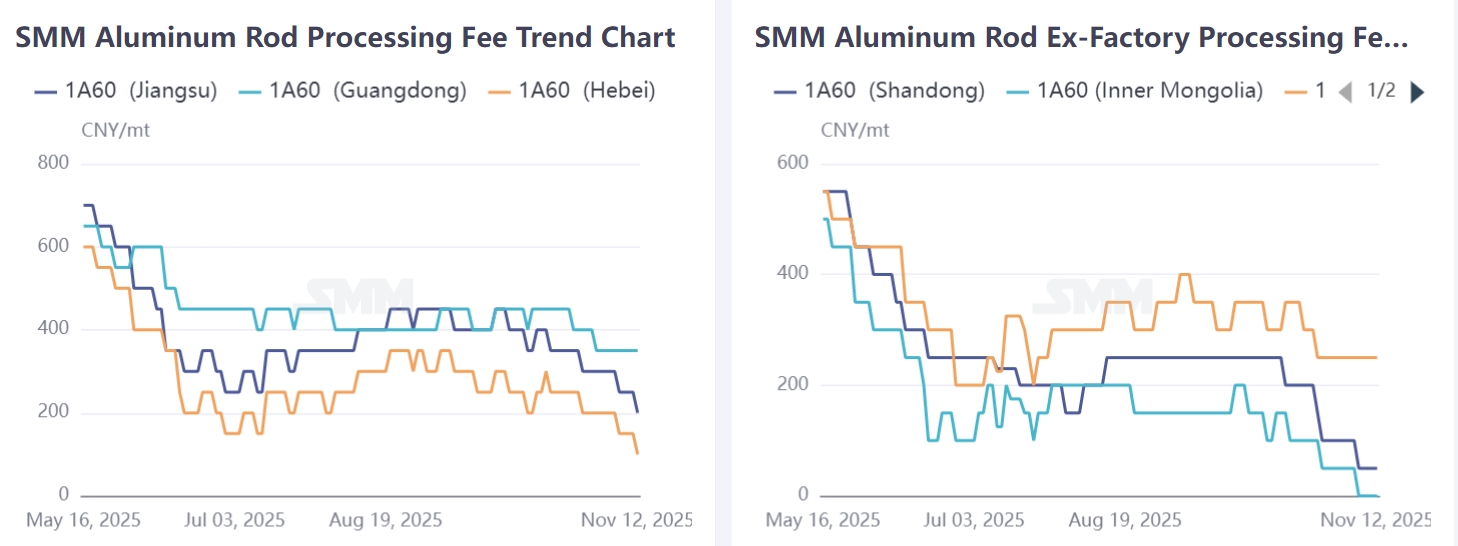
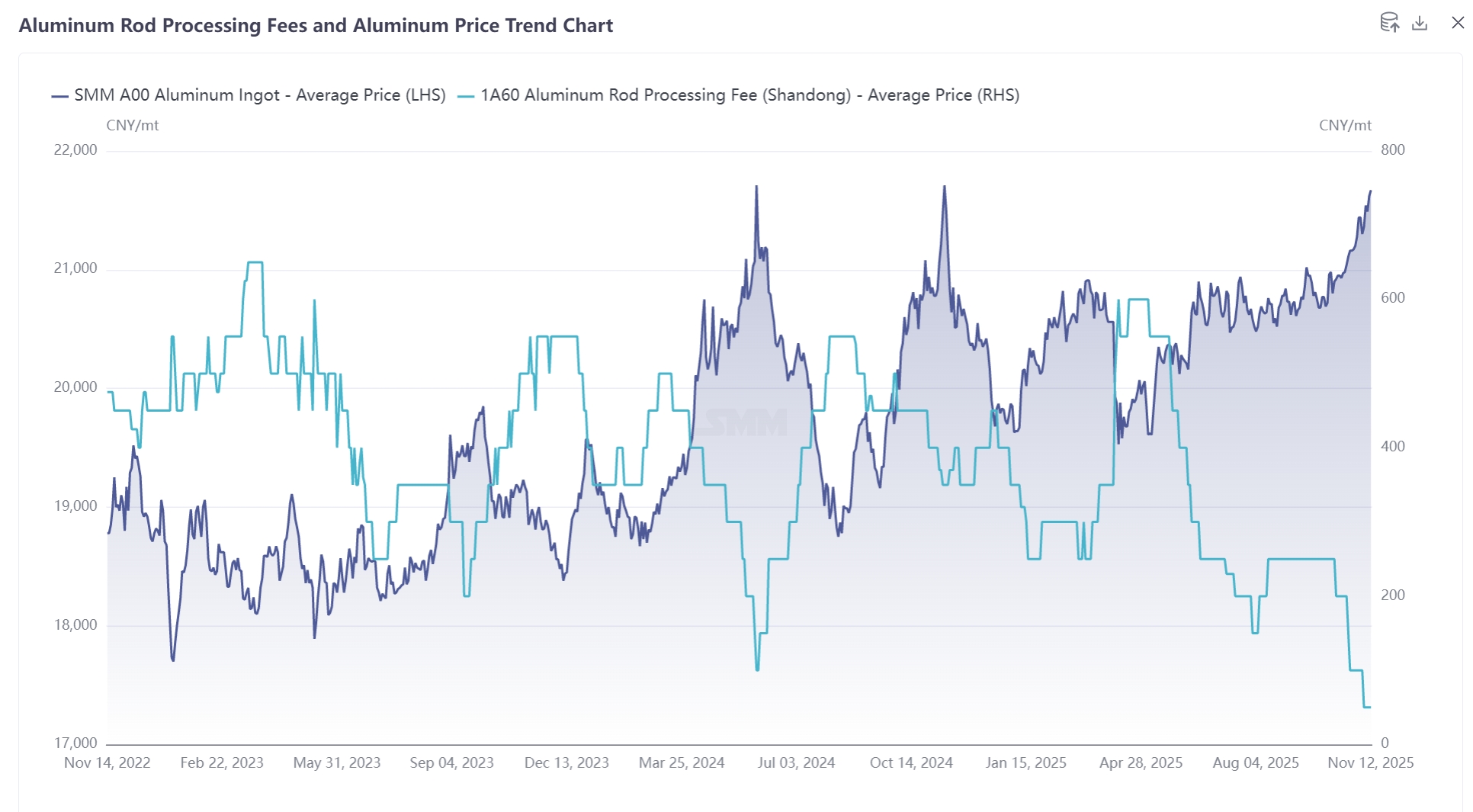
ค่าธรรมเนียมการแปรรูปในภูมิภาคยังคงทรุดโทรม ภาคการแปรรูปและการค้าประสบกับการขาดทุนติดต่อกัน: ตามข้อมูลของ SMM ณ วันที่ 12 พฤศจิกายน 2025 ราคาขายออกจากโรงงานในชานตงอยู่ที่ 0-100 หยวน/ตัน ในมองโกลภายในอยู่ที่ -100-100 หยวน/ตัน ในเหอหนานอยู่ที่ 200-300 หยวน/ตัน ราคาส่งมอบในเหอเป่ยอยู่ที่ 0-200 หยวน/ตัน ในเจียงซูอยู่ที่ 100-300 หยวน/ตัน และในภาคใต้ของประเทศอยู่ที่ 300-400 หยวน/ตัน เมื่อราคาอลูมิเนียมเพิ่มขึ้นอย่างต่อเนื่องและความต้องการใช้งานจริงยังคงอ่อนแอ ผู้จำหน่ายลดค่าธรรมเนียมการแปรรูปอย่างต่อเนื่องเพื่อส่งเสริมการจัดส่ง ส่งผลให้เกิดการแข่งขันอย่างรุนแรงในตลาด เนื่องจากค่าธรรมเนียมการแปรรูปแท่งอลูมิเนียมอ่อนแอ โรงงานแปรรูปบางแห่งที่ไม่มีทรัพยากรอลูมิเนียมเผชิญกับการขาดทุน ในขณะที่บางแห่งพึ่งพาข้อตกลงกรอบประจำปีกับลูกค้าปลายทางเพื่อรักษาการผลิต ในด้านการค้า การลดลงอย่างต่อเนื่องของค่าธรรมเนียมการแปรรูปยังทำให้ผู้ค้าที่ถือสินค้าสดขาดทุน นอกจากนี้ความต้องการของผู้ใช้ปลายทางที่ไม่แน่นอน ทำให้ผู้ค้าหลีกเลี่ยงการซื้อและส่วนใหญ่ใช้วิธีรอคอยอย่างระมัดระวัง
แนวโน้ม: ภาคแท่งอลูมิเนียมจะพัฒนาอย่างไรภายใต้แรงกดดันสามประการ ได้แก่ สต็อกสูง ราคาระดับต่ำ และความต้องการที่อ่อนแอ
การลดกำลังการผลิตทั่วทั้งอุตสาหกรรมแท่งอลูมิเนียมเป็นการแสดงให้เห็นโดยตรงถึงการปรับตัวอย่างลึกซึ้งที่ขับเคลื่อนร่วมกันจากความไม่สมดุลระหว่างอุปสงค์และอุปทานและแรงกดดันด้านต้นทุน
ในระยะสั้น แนวโน้มการลดสต็อกมีแนวโน้มจะคงอยู่ท่ามกลางความอ่อนแอของอุปสงค์ขั้นสุดท้ายที่ยังคงมีอยู่ การแข่งขันที่ดุเดือดในค่าค่าการแปรรูป และแรงกดดันด้านการระดมทุนผ่านสต็อกที่ยังไม่ได้รับการแก้ไข อย่างไรก็ตาม หลังจากการลดกำลังการผลิตอย่างเข้มข้น พื้นที่สำหรับกำลังการผลิตในการดำเนินงานที่จะลดลงอีกมีจำกัด ในระยะกลางและระยะยาว การลดกำลังการผลิตในรอบนี้อาจเป็นจุดเปลี่ยนสำหรับการปรับโครงสร้างให้เหมาะสม ด้านหนึ่ง กำลังการผลิตแท่งอลูมิเนียมใหม่กว่า 700,000 ตันได้เริ่มเดินเครื่องในปีนี้ และคาดว่าการขยายตัวอย่างไม่มีการวางแผนในบางภูมิภาคจะถูกจำกัด อีกด้านหนึ่ง เมื่อภูมิทัศน์การแข่งขันมีเสถียรภาพ ระบบค่าค่าการแปรรูปมีแนวโน้มจะกลับสู่ระดับที่มีเหตุผล และส่วนต่างราราคาระดับภูมิภาคควรจะลดลงหลังการจัดสรรกำลังการผลิตใหม่
เอสเอ็มเอ็มคาดว่าสต็อกในโรงงานของโรงงานผลิตแท่งอลูมิเนียมจะถึงจุดสูงสุดในเดือนพฤศจิกายนและเข้าสู่ระยะการลดสต็อกอย่างช้าๆ ในเดือนธันวาคม อย่างไรก็ตาม เนื่องจากไม่มีสัญญาณของการฟื้นตัวอย่างมีนัยสำคัญในอุปสงค์ขั้นสุดท้าย ค่าการแปรรูปแท่งอลูมิเนียมจึงไม่น่าจะฟื้นตัวอย่างแข็งแกร่งภายในปีนี้ และอุตสาหกรรมโดยรวมจะยังคงอยู่ภายใต้แรงกดดัน
![พรีเมียมสปอตซื้อขายทรงตัวในวันซื้อขายสุดท้ายที่ซบเซาก่อนวันหยุดวันชาติ [บทวิเคราะห์กลางวันอะลูมิเนียมสปอต SMM]](https://imgqn.smm.cn/usercenter/XfCZS20251217171655.jpg)