Pada Juli 2025, penjualan kendaraan baru di Jerman mencapai 264.802 unit, naik 3,4% secara bulanan (MoM) dan 11,1% secara tahunan (YoY), mencerminkan pasar yang ditandai oleh "rebound jangka pendek di tengah tekanan jangka panjang."
Pertumbuhan MoM terutama didukung oleh promosi musiman dan pelonggaran bertahap dari hambatan rantai pasokan, karena pabrikan mobil menawarkan diskon untuk meningkatkan permintaan jangka pendek. Kenaikan YoY sebagian besar mencerminkan basis perbandingan yang rendah, menyusul penurunan tajam pada Juli 2024 yang disebabkan oleh konsumen yang memajukan pembelian sebelum Peraturan Keselamatan Umum Kendaraan II Uni Eropa (GSR II). Jika melihat jangka panjang, penjualan kumulatif dari Januari hingga Juli 2025 turun 2,5% YoY, menonjolkan kelemahan struktural yang terus berlanjut di pasar.
Merek lansekap di fokus: Merek Ci na melakukan terobosan
Di antara 10 merek terlaris pada Juli, pabrikan mobil Jerman mempertahankan posisi yang solid dengan tujuh tempat, meskipun lanskap kompetitif secara keseluruhan menunjukkan tanda-tanda pergeseran yang signifikan.
Pabrikan mobil Jerman memegang pangsa pasar yang kuat, sementara persaingan di segmen kendaraan premium semakin intensif. VW sekali lagi berada di puncak peringkat dengan 51.938 unit terjual, menangkap hampir seperlima pasar (19,6%). Jajaran produknya yang luas, mencakup segala sesuatu mulai dari model entry-level hingga mid-range, terus mengokohkan posisi dominannya.
Di segmen kendaraan premium, Mercedes-Benz dan BMW masing-masing menjual 24.648 dan 24.523 unit, hanya berbeda 125 kendaraan, menonjolkan betapa sengitnya persaingan. Kecepatan elektrifikasi dan kecanggihan fitur cerdas muncul sebagai medan pertempuran utama dalam menarik pembeli premium.
SKODA juga mencatat kinerja Juli yang kuat, dengan menjual 23.379 unit. Pendekannya yang memadukan spesifikasi tinggi dengan harga yang relatif terjangkau menarik konsumen yang lebih suka pilihan praktis di tengah tekanan ekonomi, memperkuat posisi pasar merek tersebut.
Di antara merek non-Eropa, produsen mobil asal China menjadi pemain paling menarik perhatian pada Juli. MG Roewe mencapai pertumbuhan tahunan 8,5%, dengan penjualan mencapai 1.986 unit.
BYD mencatat lonjakan luar biasa sebesar hampir 400% (1.126 unit) dan untuk pertama kalinya melebihi Tesla hanya dengan selisih 16 unit.
POLESTAR juga tampil solid, dengan penjualan mencapai 670 unit (naik 58,8% YoY).
Meskipun penjualan XPENG relatif rendah yaitu 266 unit, pertumbuhan tahunannya yang luar biasa lebih dari 1.500% menunjukkan bahwa merek-merek asal China di Jerman mulai melampaui kesuksesan terisolasi menuju ekspansi multi-merek yang terkoordinasi.
Pada Juli, merek-merek asal China menjual total 4.981 kendaraan di Jerman (1,88% pangsa pasar), namun menunjukkan momentum pertumbuhan yang kuat. Merek seperti BYD dan XPENG memanfaatkan nilai teknologi mereka—seperti baterai jarak jauh dan sistem bantuan pengemudi canggih—untuk mendapatkan tempat dengan cepat, bahkan dalam menghadapi hambatan tarif UE.
Pada Juli, penjualan Tesla di Jerman melemah secara signifikan, turun 55% YoY menjadi 1.110 unit. Selain persaingan global yang semakin ketat di sektor EV, sikap kontroversial CEO Elon Musk banyak dilihat sebagai faktor yang merusak citra merek dan kepercayaan konsumen di Eropa, menjadi faktor non-pasar utama di balik penurunan tersebut. Kasus ini menunjukkan bagaimana tindakan dan pernyataan pemimpin korporat dapat berpengaruh signifikan terhadap kinerja merek di pasar tertentu.
Preferensi model: momentum mesin pembakaran internal tetap kuat, kendaraan listrik membuat beberapa terobosan
Dari sepuluh model terlaris pada Juli (termasuk Volkswagen T-Roc dengan 9.397 unit, Golf dengan 7.026 unit, dan Tiguan dengan 5.072 unit), delapan posisi diduduki oleh kendaraan bermesin pembakaran internal (ICE), menunjukkan ketahanan kuat kebiasaan konsumen tradisional. SUV menduduki empat posisi, mencerminkan permintaan keluarga yang tetap tinggi akan ruang dan fleksibilitas.
Dari sepuluh model teratas, lima berasal dari Grup Volkswagen. Kendaraan listrik baterai (BEV) satu-satunya yang masuk daftar adalah BMW iX1 (4.945 unit). Kinerjanya menyoroti potensi ceruk kendaraan listrik mewah serta tantangan luas bagi elektrifikasi di Jerman, di mana kendaraan listrik masih menyumbang porsi kecil—penjualan iX1 hanya mewakili 1,9% dari total.
Menghadapi Masa Depan: Tiga Kontradiksi
Secara keseluruhan, "boom" yang tampak di Jerman pada Juli lebih merupakan hasil dari basis perbandingan yang rendah, dorongan promosi yang kuat, dan pelonggaran hambatan pasokan, daripada tanda pemulihan yang sebenarnya. Di balik angka-angka positif, pasar masih tertekan oleh hambatan struktural—terutama ekonomi yang lesu dan sentimen konsumen yang tetap rapuh.
Tantangan saat ini di pasar sangat jelas:
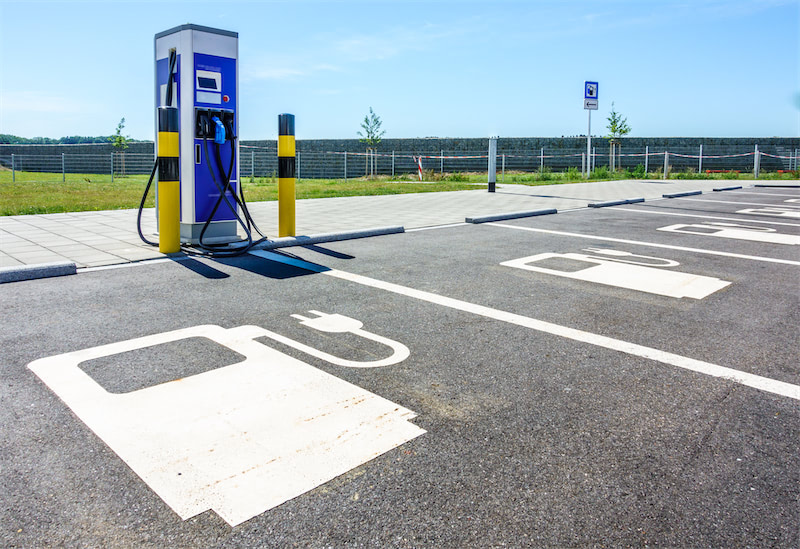
Pertama, dengan target emisi karbon 2025 kini dievaluasi dalam siklus tiga tahun, laju elektrifikasi sedang melambat. Infrastruktur pengisian daya publik yang terbatas dan premi harga yang tinggi untuk kendaraan listrik—biasanya 30% hingga 50% lebih tinggi dibandingkan model kendaraan bermesin pembakaran internal yang setara—tetap menjadi hambatan terbesar untuk adopsi massal. Dari Januari hingga Juli, BEV hanya menyumbang 17,83% dari total penjualan, masih kurang dari ambang batas 20%.
Kedua, produsen mobil Jerman tengah mengalami transisi yang sulit. Mereka tidak hanya menanggung biaya R&D dan pergeseran produksi untuk elektrifikasi yang besar, tetapi juga menghadapi persaingan sengit dari merek-merek Cina seperti BYD dan XPENG, yang kendaraan listriknya yang terjangkau dan semakin canggih memeras margin keuntungan tradisional mereka.
Ketiga, kemunduran penjualan Tesla di Jerman menunjukkan bagaimana sikap politik sebuah perusahaan dapat langsung mempengaruhi merek dan kinerja pasar. Selain itu, tarif tinggi Uni Eropa atas impor kendaraan listrik Cina dan konflik Rusia-Ukraina yang mendorong kenaikan biaya energi untuk manufaktur Jerman menambah ketidakpastian pasar.
Raksasa otomotif Jerman harus mengandalkan keahlian mereka dalam mesin pembakaran dan pasar premium untuk mempertahankan posisi mereka, sambil berinvestasi—dengan hati-hati namun tegas—ke dalam elektrifikasi yang mahal. Pada saat yang sama, mereka menghadapi tekanan yang meningkat dari merek-merek Cina yang berkembang pesat dan tugas mendesak untuk memulihkan kepercayaan konsumen. Untuk saat ini, goncangan transformasi ini belum menunjukkan tanda-tanda mereda.