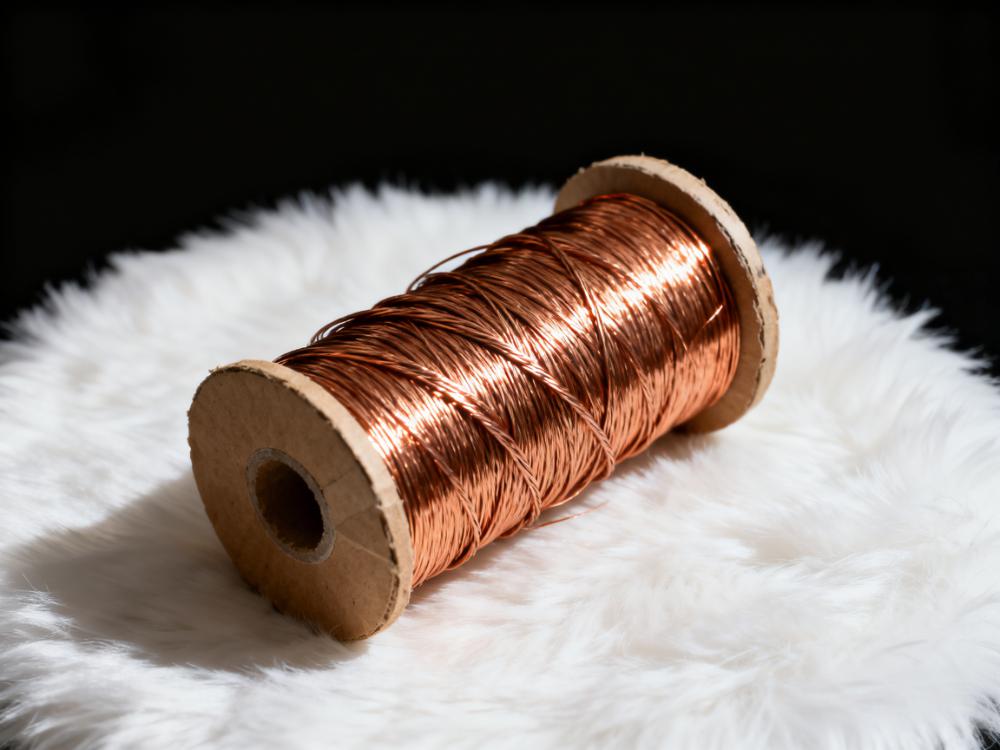
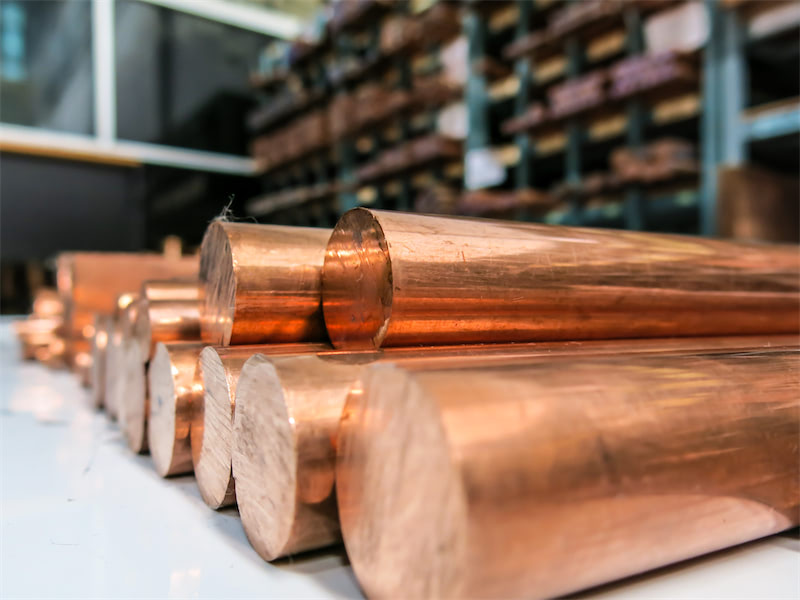
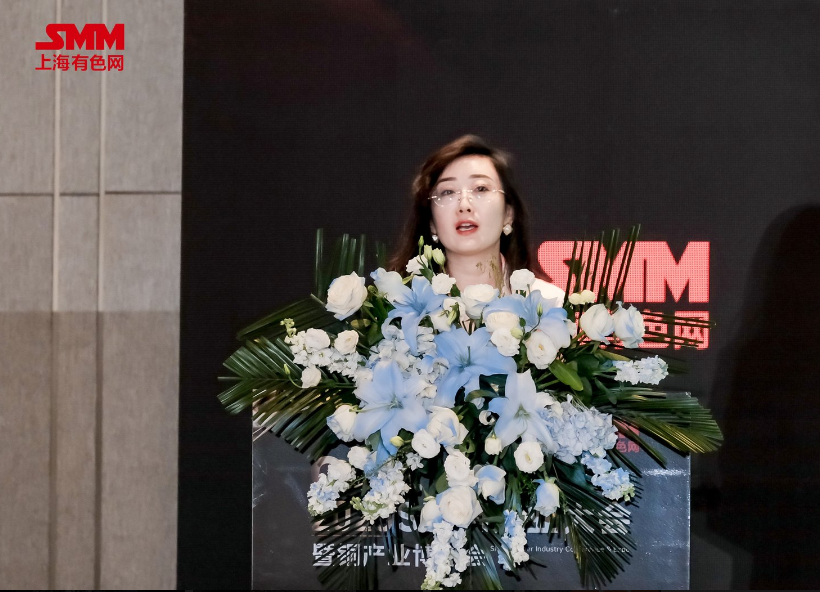
Le 24 avril, lors de la CCIE-2025SMM (20e) Conférence de l'industrie du cuivre et Exposition de l'industrie du cuivre - Forum sur le développement vert de l'industrie du cuivre secondaire, organisé par SMM Information & Technology Co., Ltd. (SMM), SMM Metal Trading Center et Shandong Aisi Information Technology Co., Ltd., avec Jiangxi Copper Corporation et Yingtan Land Port Holding Co., Ltd. en tant que principaux sponsors, Shandong Humon Smelting Co., Ltd. en tant que co-sponsor spécial, et Xinhuang Group et Zhongtiaoshan Nonferrous Metals Group Co., Ltd. en tant que co-sponsors, Xie Houyuan, directeur des achats de Shenzhen Londian Wason Technology Co., Ltd., a pris la parole au nom de Gao Yulin, directeur général de Shenzhen Londian Wason Technology Co., Ltd., sur le thème « Application du cuivre secondaire dans les entreprises de fabrication de feuilles de cuivre ».
1. Aperçu du cuivre recyclé
Aperçu du cuivre recyclé
Volume annuel de cuivre recyclé dans le monde/en Chine
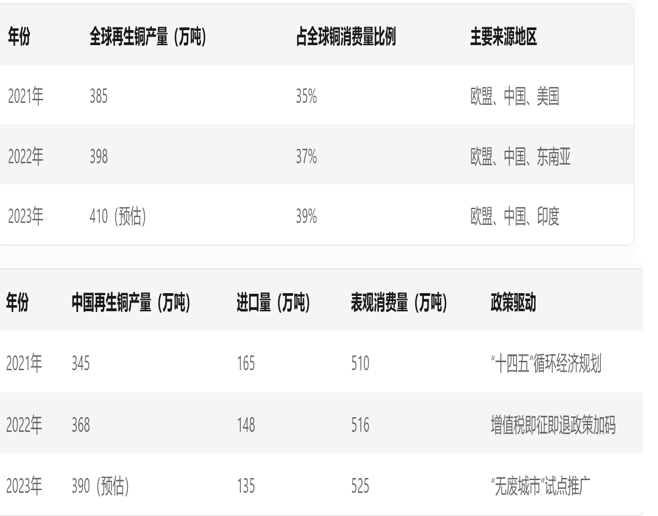
Tendance mondiale de la réutilisation des ressources
Économie des ressources et scénarios sensibles aux coûts : pénurie de ressources de cuivre primaire, demande de réduction des coûts et d'amélioration de l'efficacité.
Exigences en matière de protection de l'environnement et de développement durable : secteurs industriels à faible émission de carbone, industries à forte consommation d'énergie.
Scénarios pilotés par les politiques : couverture des politiques de recyclage obligatoire, exigences de conformité au commerce international.
Scénarios de demande de performances spécifiques : cartes de circuits intégrés, câbles de communication, etc. ; dispositifs médicaux, aérospatial, industrie militaire.
Formes de cuivre recyclé
Formes physiques : blocs/bandes (tuyaux et tubes en cuivre, plaques en cuivre, lingots de cuivre) ; fils/câbles en cuivre ; déchets/poudre de cuivre.
Formes chimiques : cuivre pur (cathode de cuivre), alliage de cuivre ; oxyde de cuivre/composés de cuivre, matériaux plaqués de cuivre.
Méthodes d'utilisation du cuivre recyclé
Réutilisation directe : directement transformé en nouveaux demi-produits en cuivre (par exemple, lingots de cuivre, fils de cuivre). Utilisé dans la construction, la maintenance ou le remplacement d'équipements électriques. Avantages : aucune nécessité de fusion, faible coût et faible consommation d'énergie.
Fusion et régénération : fondu et coulé en lingots de cuivre (par exemple, plaque d'anode de cuivre).Utilisé dans la production de fils, tubes et tuyaux en cuivre, d'alliages de cuivre et d'autres matériaux de base.
Transformation en profondeur à haute valeur ajoutée : produits semi-finis en cuivre de haute pureté. Utilisé dans : poudre métallique pour impression 3D, feuille de cuivre pour l'industrie électronique, stratifié cuivré (CCL), connecteurs de batteries pour véhicules à énergie nouvelle (VEN), etc.
Extraction de composés : préparation de sulfate de cuivre, d'oxyde de cuivre et d'autres produits chimiques. Utilisé dans les fongicides agricoles, les catalyseurs industriels.
Filières techniques et coûts du cuivre recyclé
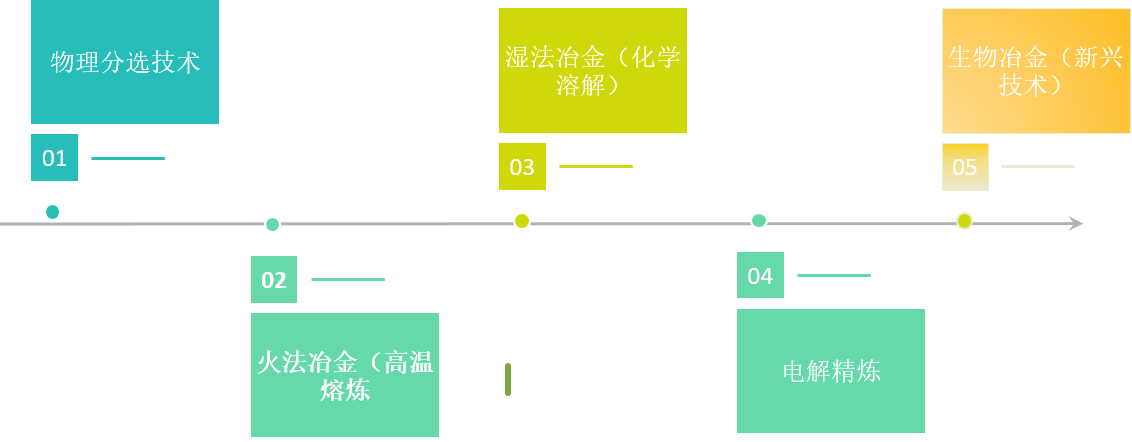
État actuel et défis techniques du cuivre recyclé
Orientations futures pour les percées :
• Tri intelligent - Amélioration du taux d'utilisation ; innovation dans les outils financiers verts - Élargissement de l'étendue et de la profondeur du recyclage ; Alignement sur les normes internationales - Coordination mondiale et soutien politique ;
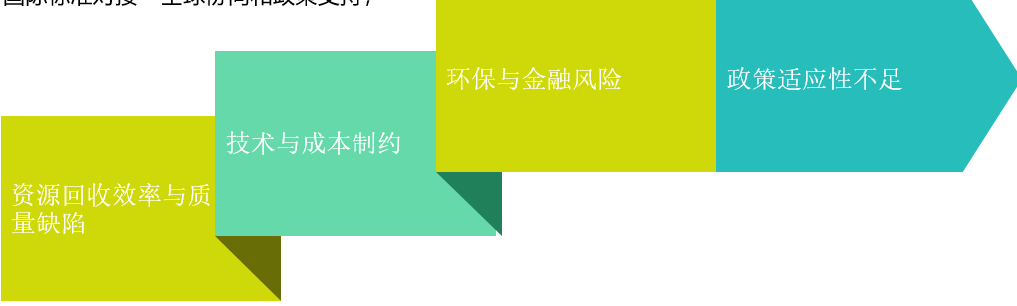
On prévoit que d'ici 2030, la concentration industrielle dépassera 60 %.
2. Développement de l'industrie de la feuille de cuivre et applications de la feuille de cuivre
Produits de cathode de cuivre de haute précision et applications en aval
►Processus de production de la feuille de cuivre
La cathode de cuivre de haute précision fait référence à un produit en forme de feuille produit à la surface d'un rouleau cathodique par électrolyse, à l'aide d'une solution de sulfate de cuivre formée par des réactions chimiques à partir de cuivre d'une pureté supérieure à 99,9 %.
►Applications de la feuille de cuivre
La feuille de cuivre est divisée en feuille de cuivre pour batteries lithium et feuille de cuivre pour circuits électroniques, utilisées respectivement dans le collecteur de courant négatif des batteries lithium-ion et la fabrication de circuits électroniques.
►Impact sur le développement des énergies nouvelles
L'épaisseur et les performances de la feuille de cuivre pour batteries lithium affectent directement la densité énergétique et la sécurité des batteries lithium. Par exemple, une feuille de cuivre ultra-mince peut augmenter la densité énergétique des batteries lithium de 5 % à 11 %, ce qui est d'une grande importance pour l'autonomie des VEN.
Capacité et marché de la feuille de cuivre
Il fournit également une introduction à la capacité et au marché de la feuille de cuivre.
Développement futur de la feuille de cuivre
►Tendance à l'amincissement : Pour améliorer les marges bénéficiaires et répondre aux demandes des clients, le développement de la feuille de cuivre ultra-mince continuera à progresser. On prévoit que d'ici 2025, la part de marché des expéditions de feuille de cuivre <6 μm augmentera à 50 %.
►Augmentation de la demande en électronique grand public : Le développement fulgurant de l'IA et de l'économie de basse altitude a accru la demande de localisation de feuilles de cuivre haut de gamme, telles que les feuilles de cuivre haute fréquence et haute vitesse, ce qui entraîne des exigences de plus en plus strictes en matière de processus de production et de technologie des feuilles de cuivre.
►Renforcement de la collaboration au sein de la chaîne industrielle : La collaboration entre les fournisseurs d'équipements en amont, les fabricants de feuilles de cuivre en aval, les usines de batteries et les constructeurs automobiles en aval contribuera à accélérer la R&D et la promotion des produits, améliorant ainsi l'efficacité de l'ensemble de la chaîne industrielle.
►Croissance continue des VÉN : De 2025 à 2030, la proportion des ventes de nouveaux VÉN en Chine passera de 25 % à 40 %, entraînant une croissance rapide du marché des batteries de traction.
►Augmentation de la demande sur le marché des SSE : En 2024, le taux de croissance des livraisons sur les marchés mondial et chinois des batteries de stockage d'énergie stationnaire (SSE) a dépassé les 70 %, ce qui indique une augmentation significative du taux de croissance du marché des SSE.
Exigences techniques pour les feuilles de cuivre en termes de produits semi-finis en cuivre
Utiliser des matières premières en cuivre qui dépassent les spécifications techniques de la cathode de cuivre GB n° 1 :
1. Cathode de cuivre n° 0 : Teneur en cuivre ≥ 99,99 %, avec une pureté extrêmement élevée
2. Cathode de cuivre n° 1 : Teneur en cuivre de 99,95 %
3. Cathode de cuivre n° 2 : Teneur en cuivre de 92 % à 93 %
4. Cuivre importé : Enregistré et non enregistré.
3. Application du cuivre secondaire dans l'industrie des feuilles de cuivre
Spécifications techniques que le cuivre secondaire doit respecter dans l'industrie des feuilles de cuivre
Équivalent à la cathode de cuivre n° 0 et n° 1 :
Pureté : Respecter les exigences en matière de conductivité électrique et de production de feuilles de cuivre haut de gamme.
Teneur en impuretés : Respecter les exigences en matière de conductivité électrique et de production de feuilles de cuivre haut de gamme.
Méthode de dissolution efficace du cuivre : La forme des produits semi-finis en cuivre détermine l'efficacité de la production et améliore l'adaptabilité du processus.
Forme des produits semi-finis en cuivre : Tige de cuivre, plaque de cuivre ou nodules de fil de cuivre (ne peuvent pas être mélangés).
Exigences de certification pour le recyclage du cuivre secondaire
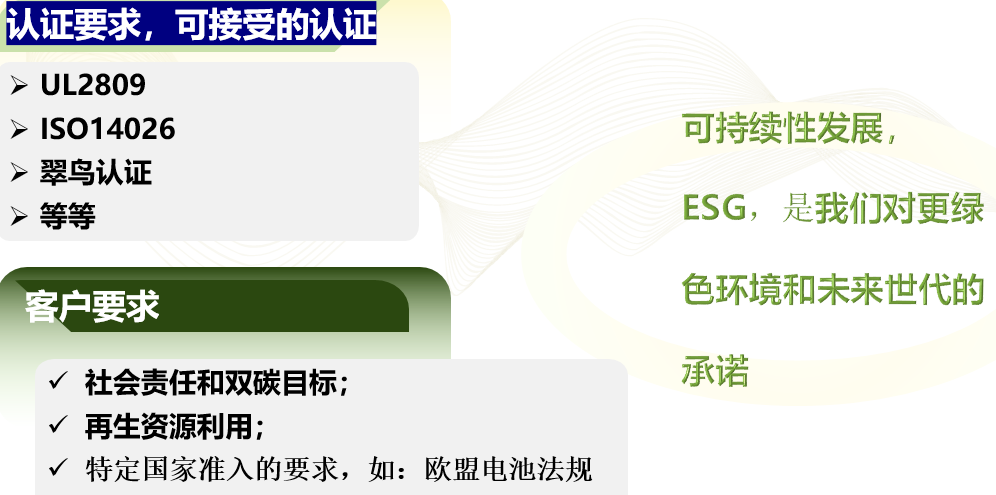
4. Résumé
L'utilisation du cuivre secondaire est un choix inévitable pour le recyclage des ressources et la fabrication verte ; une nécessité pour la décarbonisation et le développement durable ; et une exigence fondamentale pour l'expansion future du marché mondial.
Développement de l'industrie :
1. Avancées dans les technologies de recyclage : haute pureté, technologies d'alliages et recyclage à faible coût ;
2. Politiques de recyclage favorables et amélioration des systèmes de recyclage ;
3. Optimisation des processus par les producteurs et coopération au sein de la chaîne industrielle.
En outre, il fournit une présentation générale de Londian Wason (Shenzhen) Holding Group Co., Ltd., de sa capacité mondiale et de sa part de marché, de la répartition de ses sites de production en Chine et de leurs applications, ainsi que des instituts de recherche qui mènent des recherches parallèlement à des études futures.
![L'apaisement des tensions entre les États-Unis et l'Iran a soutenu les prix du cuivre, l'écart de prix entre le cuivre SHFE et le cuivre BC s'est inversé et élargi [Commentaire SMM sur le cuivre BC]](https://imgqn.smm.cn/usercenter/YIaMU20251217171711.jpg)