Understanding Gasoline Pricing: A Global Perspective
Price of gasoline The price of gas is a multi-faceted, very complex topic, influenced by dozens of factors at local and also international level. Studying how these dynamics work can shed some light on global trends and fluctuations of the gasoline price that consumers and industries encounter inside and outside their countries. Gasoline prices are influenced by a wide variety of things, including crude oil prices, refining costs, distribution and marketing, taxes on the local and state level, supply and demand, and overall market appearance. Moreover, international relationships and policy-making related interplays also highly affects these prices providing a larger canvas in regards to how gas pricing gets imprinted at global level.
Key Factors Influencing Gasoline Prices Globally
Crude oil price, however, is the major component to determine gasoline price across the globe. About one-fifth, or nearly 20 percent of the price consumers pay at the pump is due to the cost of crude oil. Mutations in global oil supply and demand caused by economic growth, political unrest or natural disasters can make pricing out of control. Besides the price of crude, refining costs matter as well because they are determined by refinery infrastructure complexity and technology deployed. Distribution costs are another factor, including how fuel is transported from refineries to retail outlets and the various state taxes consumers pay on their gasoline purchases that vary greatly based on location, further complicating matters.
Another large factor in gasoline prices is the basic laws of supply and demand on the market. Gasoline prices traditionally rise in the summer months when fuel consumption generally peaks, but settle or fall during winter as demand decreases. Demand for gasoline, and hence prices, are extremely consumer dependent; with regional preferences and usage of vehicles influencing behavior. Similarly, competition between suppliers on a worldwide level also affects how the market acts, which ultimately allows consumers to pay different prices from one region to than other.
Regional Differences in Gasoline Pricing
Gasoline pricing is not uniform and varies remarkably across regions, reflecting local economic conditions, taxation policies, and market structures. In North America, for instance, gasoline prices tend to be lower compared to Europe, primarily due to lower taxes imposed on consumers and relatively abundant shale oil production. In contrast, European nations often experience higher gasoline prices due to more substantial taxation and environmental regulations aimed at promoting sustainability.
Moreover, developing regions may have distinctly different pricing structures based on local production capabilities and reliance on imports. For example, countries in the Middle East benefit from low domestic gasoline prices because of significant oil reserves and government subsidies. Conversely, nations that rely heavily on imported oil face higher prices, influenced by exchange rates and international trade relations. Understanding these regional dynamics is essential for grasping the complexities of gasoline pricing in a global context, as local conditions can drastically alter the costs consumers encounter.
The Role of International Policies in Shaping Gasoline Costs
Worldwide policies are another major influence on gasoline prices, ranging from those that create standards for trade to environmental policy and even geopolitics. Trade agreements are one of the keys to world policy, as they can great affect gas prices. A full trade agreeement can make supply chains run smoother and cheaper, remove tariffs and give the supplier base a nudge to compete. This could lead to reduced gasoline prices as countries initiate negotiations with the aim of lowering trade barriers, thereby providing better access to more diverse supplies and products.
Trade Agreements and Their Effects on Gasoline Pricing
Through its trade agreements, a nation can change the price of gasoline it is likely to pay by promoting international cooperation and competition. The demonstration of this has traditionally been done with agreements like the North American Free Trade Agreement (NAFTA), which have aimed at creating conditions that facilitated trade and investment between member countries, which in turn led to lower costs and greater access to transportation fuel. They can serve as the basis for cross-border refining and distribution networks. In addition, more efficient markets are a common result of free trade which in turn means lower gasoline prices for consumers.
Nonetheless, trade policies certainly are difficult. Nationalist policies by certain countries can increase oil product tariffs, and directly drive up petrol costs. Economic Globalization has meant that the trade policies established by countries now have an affect regarding how much a litre of gasoline is priced.
Environmental Regulations and Standards
Environmental regulations increasingly influence gasoline pricing in various regions by setting standards for fuel quality and emissions. Countries aiming to meet specific environmental goals often impose stringent regulations that mandate cleaner fuel options. This can lead to increased production costs as refiners invest in the infrastructure necessary to meet these standards. Consequently, these elevated production costs may be passed down to consumers, resulting in higher gasoline prices.
Likewise, ventures to fight environmental change on the territorial and worldwide level, for example by implementing carbon taxes or push substitute energy sources can also add to significant costs for gasoline. Government policies to encourage reducing fossil fuel use, or as the price of gasoline will fluctuate due to the demand for gas in relation. When governments are promoting cleaner type of energies the gasoline dependency could be reduced, which heighten further price change in this area.
Geopolitical Factors Affecting Supply Chains
Oil supply chains — and thus gasoline pricing — are heavily impacted by geopolitical factors. For oil (the third most liquid commodity), price spikes typically result from supply disruptions in politically unstable regions, as the perception of risk to supply and the ability to deliver is intensified. In the past, battles in areas like the Middle East have triggered supply concerns and thus surges in crude prices. Whenever discussions on oil and geopolitics go hand in hand unexpected, gas prices can fluctuate at a moment's notice causing both consumers and commercial buyers to stay fully aware of global events.
Moreover, alliances and relationships between oil-producing countries can affect not only the supply of crude oil but also how it is priced. In this setting, OPEC (the Organization of the Petroleum Exporting Countries) is important for managing oil production levels among member countries and, in effect, global oil prices and as such gas prices around the world. This reinforces that gasoline prices are a global affair and still heavily influenced by geopolitical factors, trade negotiations, and international relations.
In summary, gasoline pricing can be understood through a global perspective that considers key factors influencing prices, regional differences, and the role international policies play in shaping costs. As analysts and policymakers navigate these intricate interactions, awareness of these elements is crucial for informed decision-making in an ever-evolving energy landscape.
Future Predictions and Trends in Gasoline Pricing
Emerging Technologies and Their Potential Impact
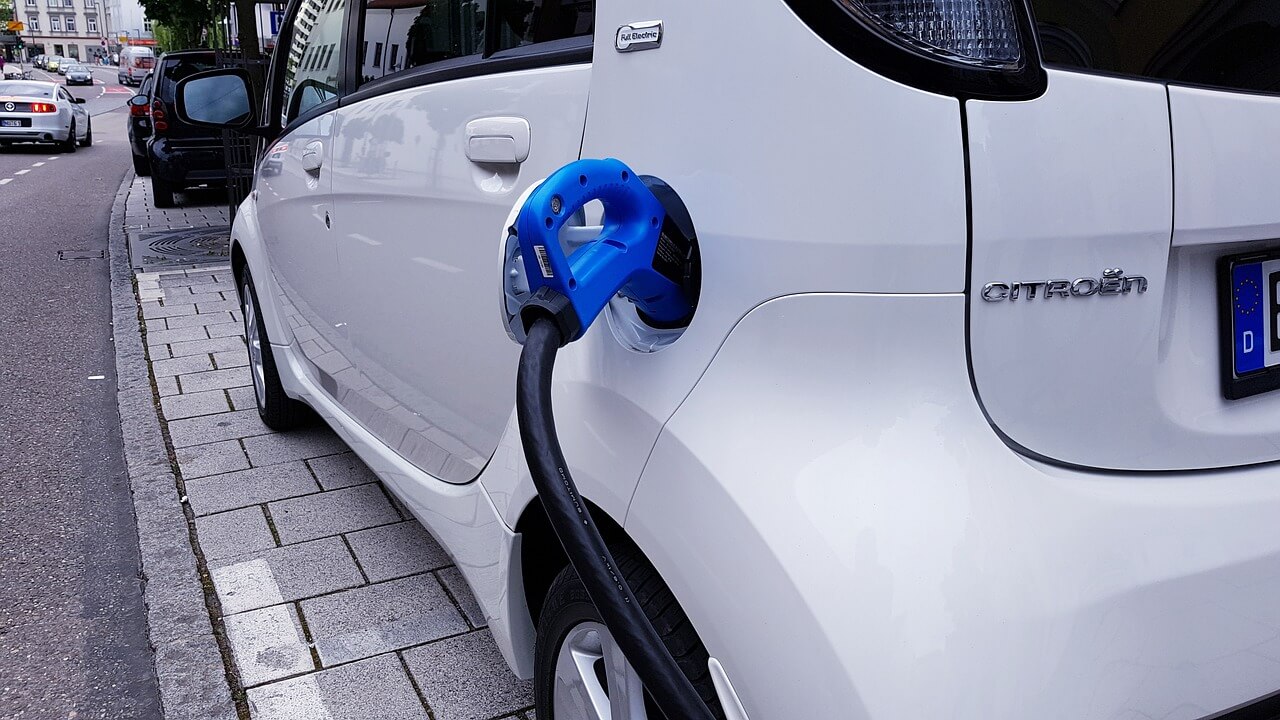
The future of gasoline pricing may become heavily influenced by the emerging technology in the coming years. The development of extraction methods like hydraulic fracturing and horizontal drilling, in fact, has already had an impact on gasoline prices by expanding available crude oil. Refineries have also become more efficient, which has enabled them to refine crude oil more effectively and reduce operational expenditure. Further, the advent of electric vehicles (EVs) and hybrid technologies may realign consumer demand for gasoline, which would also result in reduced consumption and price stability over time.
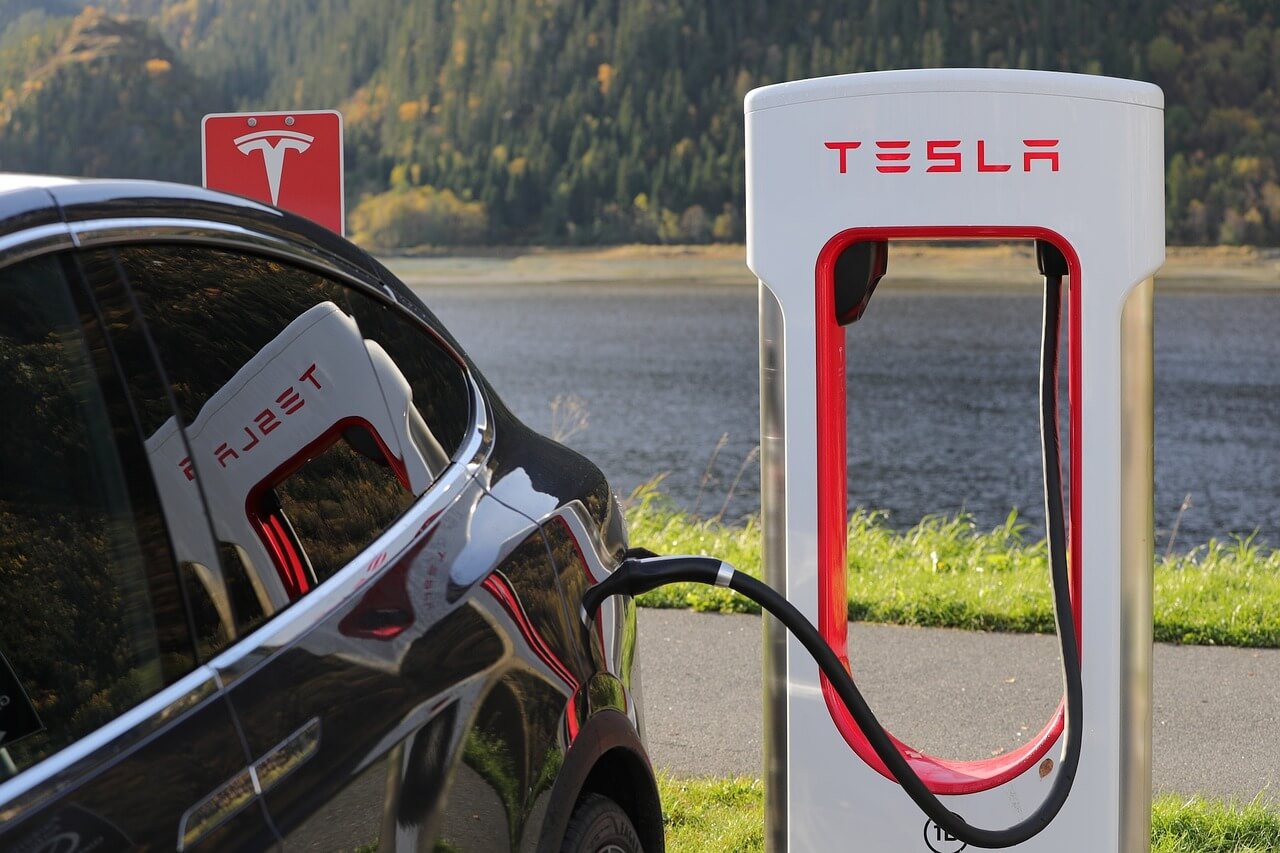
Furthermore, breakthroughs in battery tech and energy storage solutions could result in an even smaller dependence on conventional fossil fuels. The push for electric cars may intensify as manufacturers work to produce cheaper, longer-lived batteries…and our transportation habits change. As a result, this shift would probably induce competitive strains on gasoline requirement and create a ripple influence pricing also. How these emerging trends will affect gasoline pricing over time, in both the short and long term, could be heavily dependent upon how technology and consumer behavior continue to interact.
Renewable Energy Policies and the Shift toward Cleaner Fuels
The shift to cleaner fuels as countries put in place renewable energy policies to try and stem the impact of climate change is expected to entirely turn gasoline pricing on its head, it said. With governments worldwide pledging to slash their respective nation's greenhouse gas emissions in the coming decades, fossil fuel will be subject to harsh regulation. These policies are intended to encourage the development and marketing of renewable energy sources such as wind, solar and biofuels that will result in lowering overall consumer demand for gasoline. Which, over time, could suppress prices—-especially in areas where alternative fuels move closer to parity on a cost-per-mile basis.
In addition, the incorporation of biofuels and synthetic fuels into major markets will pressure the conventional gasoline industry. Governments in a number of regions may enforce mandates requiring blending biofuels with gasoline, potentially raising production costs. But as technology improves and plants are built, biofuel could be a more competitive fuel than gasoline in the future. Collectively, these new renewable energy policies should help set the gasoline pricing landscape of tomorrow — all while responding to environmental alarm.
Long-term Projections Based on Current International Policies
Long-term projections for gasoline pricing must consider the current international policies that govern trade, environmental standards, and geopolitical relationships. Given the complex interplay between supply-side and demand-side factors, it becomes increasingly important to analyze how these policies will evolve. For example, widening trade relations among countries may lead to increased competition in global oil markets, resulting in downward pressure on gasoline prices. Conversely, if protectionist policies are implemented, tariffs on imported oil could result in price increases, placing added strain on consumers.
Moreover, as nations strengthen environmental initiatives and commit to carbon neutrality, the structure of energy markets, including gasoline pricing, will undoubtedly adapt. Governments may implement carbon pricing models that impose costs on fossil fuel consumption, potentially raising gasoline prices. Additionally, shifts in global supply chains influenced by political relations can create disruptions that may trigger price volatility. Recognizing that current international policies will continue to shape the gasoline market is crucial for stakeholders striving to navigate the complexities of pricing in the energy sector.
In conclusion, the interplay of emerging technologies, renewable energy policies, and international regulations are set to shape the future of gasoline pricing. Stakeholders must remain attentive to these trends, as their influence could lead to significant shifts in market dynamics and consumer behavior in the coming decades. Understanding these factors will be essential for industry experts, policymakers, and consumers in adapting their strategies to the evolving landscape of gasoline pricing on a global scale.
About Metal: An Overview
Introduction to Metal's Mission and Vision
Metal is a forward-thinking company positioned at the forefront of addressing the challenges within the energy sector. Its mission revolves around driving innovation in the industry while maintaining financial stability in an ever-evolving landscape, particularly with respect to gasoline pricing dynamics. By focusing on sustainable practices and alternative resources, Metal aims to enhance security in energy supply while promoting responsible consumption.
The vision of Metal encompasses a commitment to fostering energy projects that align with global sustainability goals and economic resilience. Understanding the interconnectedness of energy sources, Metal emphasizes the importance of a multifaceted approach to energy production that transcends traditional fossil fuel reliance. Through strategic initiatives and collaborations, Metal seeks to influence positive change in the energy marketplace, navigating complex pricing structures, including gasoline pricing.
Products and Services Offered by Metal
Metal's portfolio features an array of products and services designed to empower consumers and organizations in managing energy consumption. These offerings encompass consulting services, energy management software, and clean technology solutions that align with evolving market needs and sustainability trends. The company dedicates efforts to provide tailored solutions that facilitate adaptation to fluctuating gasoline prices and promote diversification in energy strategies.
In addition to consulting services, Metal offers innovative technologies that support energy monitoring and optimization. By equipping organizations with data and analytical tools, Metal helps clients refine their energy consumption patterns, significantly reducing costs and fostering smarter decision-making. These holistic solutions not only alleviate reliance on traditional energy sources but also address the unpredictability inherent in gasoline pricing.
Furthermore, partnerships with industry leaders bolster Metal's capabilities and enhance its product offerings. Collaborating with stakeholders across the energy value chain enriches the company's understanding of market trends, enabling it to adapt swiftly to changes in the gasoline pricing landscape. This collaboration fosters innovation while further fortifying Metal's role as an industry leader committed to sustainable energy solutions.
Innovations Brought by Metal in the Industry
Metal distinguishes itself through innovative practices that challenge conventional methodologies in the energy sector. By investing in research and development, the company aims to uncover new technologies designed to combat the fluctuations experienced in gasoline pricing. Among its innovations are advanced analytics tools capable of forecasting trends in energy consumption, providing critical insights that assist companies in proactive planning.
Metal's commitment to fostering sustainable energy solutions emphasizes research in alternative fuels and resources. By developing technologies that enhance energy efficiency and promote clean energy adoption, Metal addresses market demand for alternatives to gasoline. This aligns with global aspirations toward reduced carbon emissions while simultaneously creating pathways for more stable gasoline pricing.
Collaboration with academic institutions and research agencies enhances the company's innovation scope. By tapping into the latest advancements in energy technology, Metal remains well-positioned to influence market landscapes and shape policies that align with sustainable practices. As the narrative surrounding energy consumption evolves, Metal's innovations will play a pivotal role in redefining the energy landscape.
![Solid-State Battery Next Decade Series, Part 7 of 9: Global Competitive Landscape—The "Patent Shadow War" and Industrialisation Race Among China, Japan and South Korea [SMM Analysis]](https://imgqn.smm.cn/usercenter/MyEcZ20251217171727.jpg)