SHANGHAI, Jun 7 (SMM) - Envision AESC will invest in the construction of a large power battery factory in the Navalmoral de la Mata, Spain, with a planned production capacity of 30GWh, which is scheduled to be completed and put into operation in 2025.
Spain is the second largest automobile producer in Europe. Influenced by the electric transformation of automobiles and the strategy of carbon neutrality, Spain is actively promoting the development of the power battery and electric vehicle industry to become a new European electric vehicle industry centre.
According to Envision AESC, the new factory in Spain will provide higher quality, longer cruising range, more cost competitive, cleaner and low-carbon power battery products for the global leading car companies. However, Envision AESC did not disclose which international car company it cooperated with. It is worth noting that Envision AESC has reached long-term strategic cooperation with many international car companies such as Renault, Nissan, Daimler and Honda.
As the most internationalised Chinese battery company, Envision AESC has successively laid out a number of large-scale power battery production/R&D bases in China, Japan, Britain, France and the US. The new factory landing in Spain is another important layout for its global development.
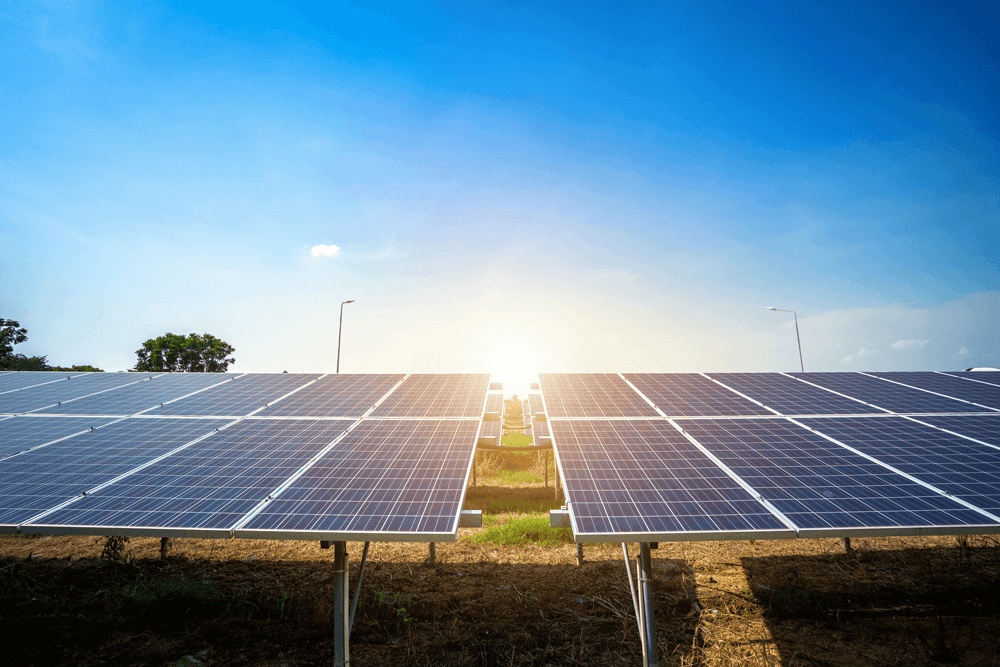
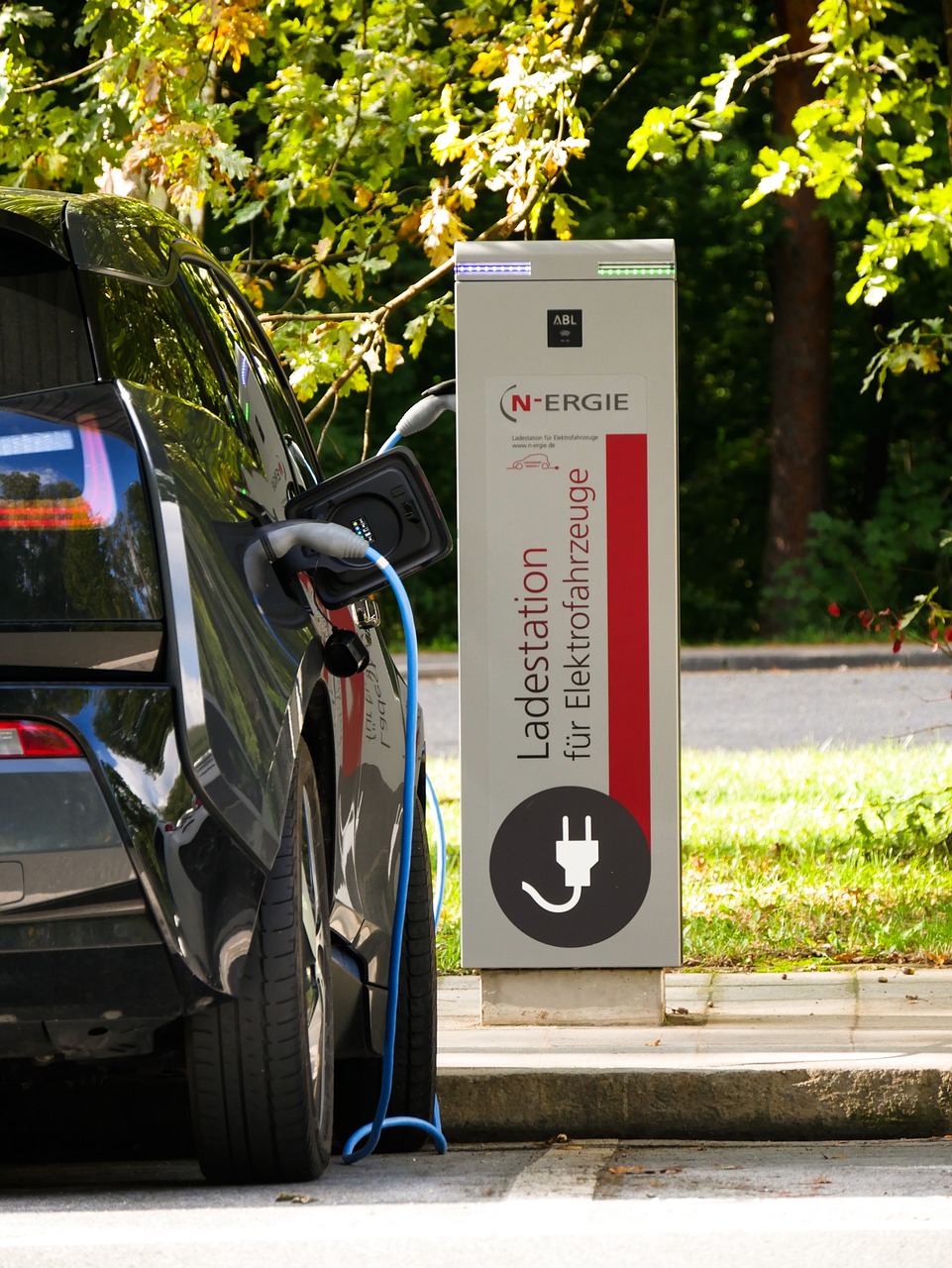
It is reported that the super factory will realise 100% renewable energy supply and carbon neutral operation by relying on the zero-carbon system solution of Envision AESC. At the same time, Envision AESC will open up the construction of a local battery ecosystem in Spain, and promote the innovation and development of intelligent charging facilities, battery recycling and other life cycle technologies. This project is also a key project supported by the Spanish government's “Strategic Projects for Economic Recovery and Transformation (PERTE-VEC)”.
With the planning and construction of this new factory, Envision AESC has planned and laid out 11 battery production bases in China, Japan, the US, Britain, France and Spain. In 2026, its total production capacity of zero-carbon batteries will exceed 300GWh. It has laid out three production bases in China:
Wuxi, Erdos, and Shiyan. The planned production capacity of the Wuxi base is 20GWh, the first phase project 5GWh has been completed and put into operation in 2021, and the second phase project started in February this year with a planned production capacity of 15GWh, which will be completed and put into operation in 2023. Ordos battery manufacturing base started construction in 2021, with a total planned production capacity of 20GWh, of which the first phase project was completed and put into operation in April 2022. The project in Hubei started in February this year. It is reported that a production line of the high power battery production project is planned to be put into production before the end of this year.
It has two battery production bases in Japan. The Kanagawa base is constructed with a production capacity of 2.6GWh. In August 2021, its second battery factory of landed in Ibarakiken, Japan, with a planned capacity of 18GWh.
In the UK, Envision AESC already has built a battery factory with an annual production capacity of 1.9GWh in Sunderland. In July 2021, the company planned to build a power battery super factory in the UK, with a planned capacity of 25GWh, and it has a capacity expansion potential of 35GWh.
In France, in June 2021, Envision AESC announced the construction of a super battery factory in Duet, with a planned production capacity of 24GWh, and the expansion potential of 40GWh.
In the US, Envision AESC’s first factory is located in Tennessee and has been put into operation. In April 2022, Envision AESC announced the construction of a new power battery super factory in Kentucky, with a planned production capacity of 30GWh and the expansion potential of 40GWh.
Envision AESC gets long-term orders from many international car companies, which supports it to make the large-scale layout of battery factories in many places around the world. Since last year, Envision AESC has continued to reach strategic cooperation with a number of leading car companies to devote to the global transportation zero-carbon transformation. In June 2021, Envision AESC reached strategic cooperation with Renault; In July of the same year, it deepened the strategic cooperation with Nissan; In March 2022, it reached strategic cooperation with Mercedes-Benz.