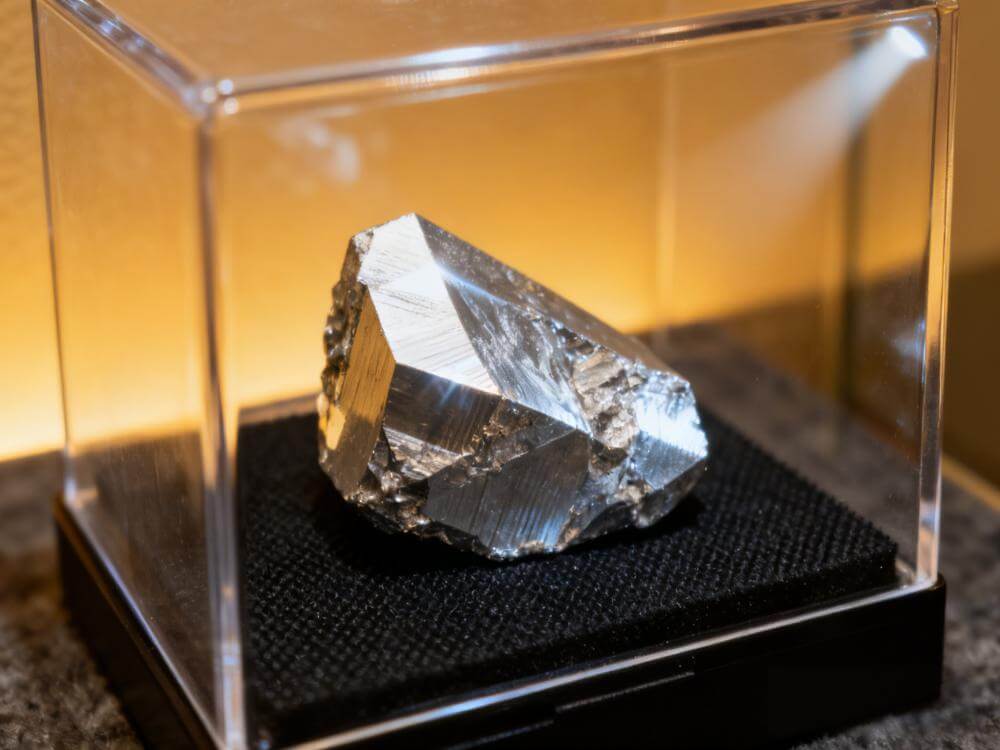
European leaders, worried about the impact of global magnesium shortages on the EU's industries recovering from the pandemic, held open negotiations with China, which provides about 95 per cent of the magnesium used to make aluminium in the region.
Local companies, including Norway's Norsk Hydro, have stopped producing magnesium because they cannot compete with low-cost Chinese producers.
If China had not recently ordered the closure of about 35 of its 50 magnesium smelters to save electricity by the end of the year, magnesium supply would not have been a problem.
WVM, the German metal producers' association, warned on Tuesday that this meant that current European magnesium stocks would be exhausted by the end of November.
Magnesium is used in a range of products, especially aluminum alloys, for a variety of automotive parts, from gearboxes and steering columns to seat frames and fuel tank caps.
German Chancellor Angela Merkel and Czech Chancellor Andre Babish, leaders of the continent's leading carmakers, raised the issue at a summit of EU leaders on Thursday. The European Commission followed closely to start a dialogue with China.
"We are raising this issue with our Chinese counterparts to address the immediate shortage and are evaluating a long-term solution to this strategic dependence," a spokesman for the European Commission said.
As the metal magnesium is difficult to store, oxidation begins three months later, and global inventories could fall to extremely low levels by the end of the year if China does not restart production in the coming weeks.
More than a dozen industry groups, including metal producers, car suppliers and the packaging industry, said in a joint statement: "if this problem is not addressed, it will threaten thousands of European companies, their entire supply chains and the millions of jobs that depend on them."
They thought the consequences would be catastrophic.
Shortages have pushed prices to record highs, with magnesium currently trading at $4700 a tonne. This is more than double the price at the beginning of the year and the highest level since 2008.
In Europe, surplus inventory prices are between $10000 and $14000 a tonne, up from $2000 a tonne earlier this year, according to industry groups.
The problem has spread to North America. Canadian Matalco Inc. for producing aluminum billet Last week, it told its customers that magnesium supplies had "dried up" and that if the shortage persisted, it would have to reduce production and rationing delivery as soon as possible next year.
![Cost Support Lifts Magnesium Ingot Quotes; Weak Demand in Domestic and Overseas Markets May Lead to Consolidation [SMM Magnesium Ingot Spot Express]](https://imgqn.smm.cn/usercenter/LYGyd20251217171725.jpg)
![Rising production costs push up magnesium ingot prices, while sluggish demand limits rebound [SMM Magnesium Ingot Spot Express]](https://imgqn.smm.cn/usercenter/qjvqf20251217171725.jpg)